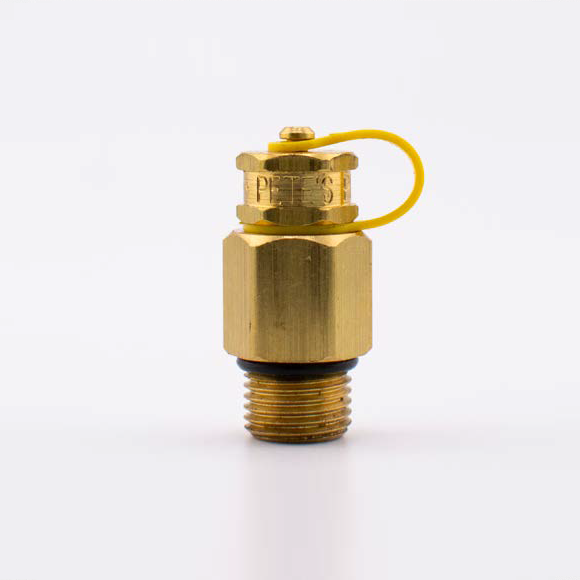
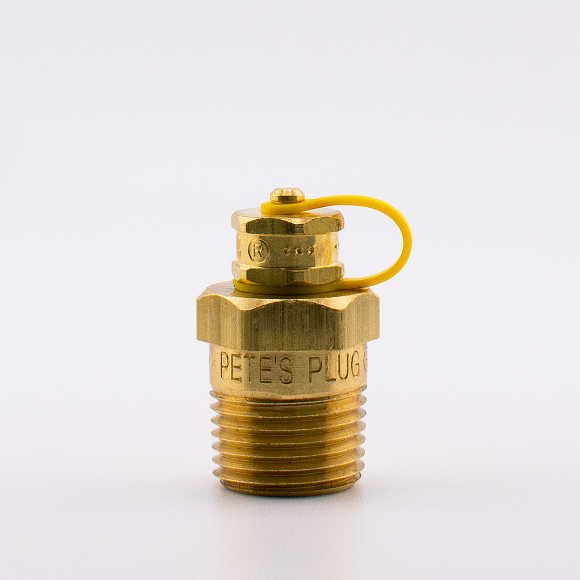
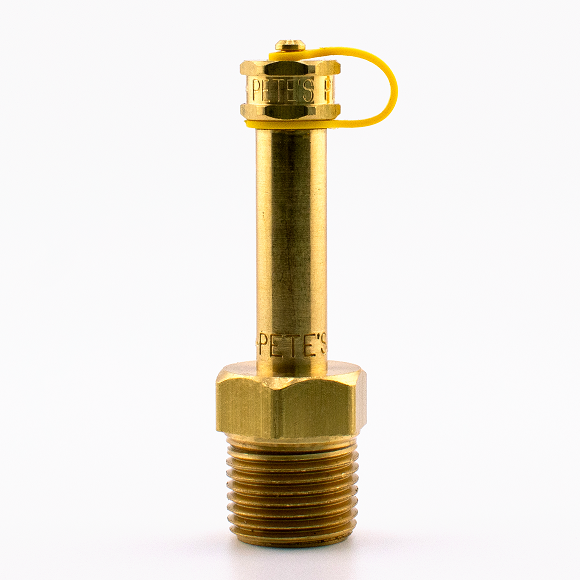
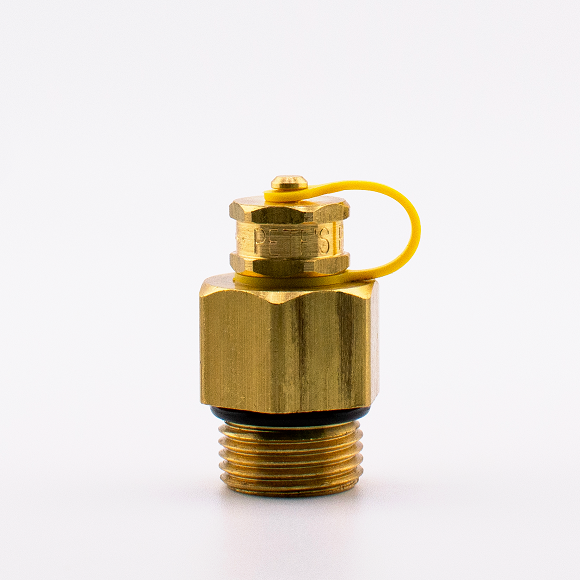
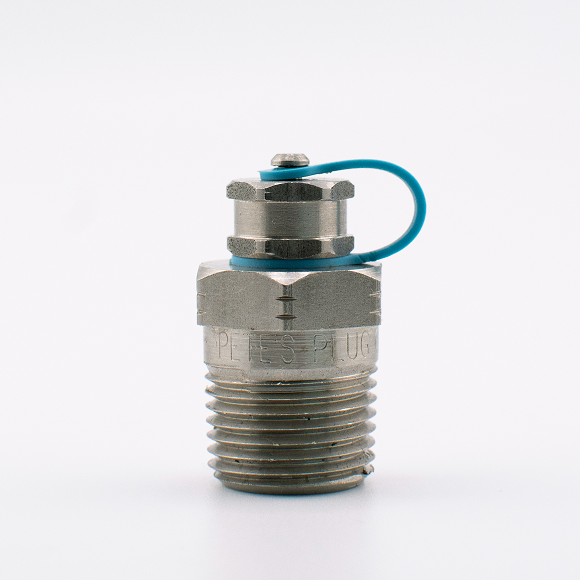
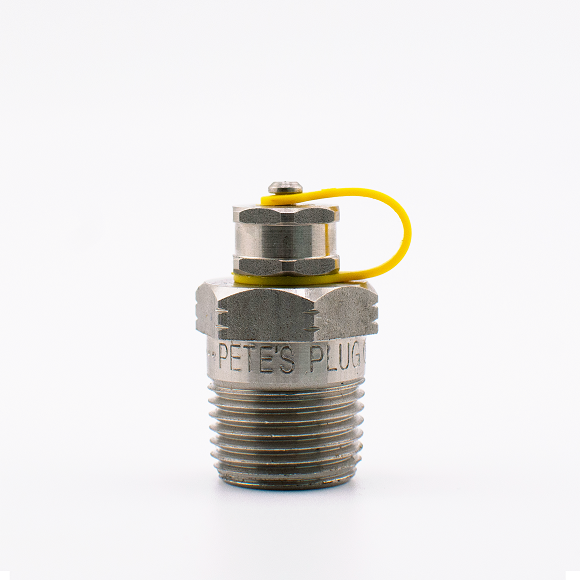
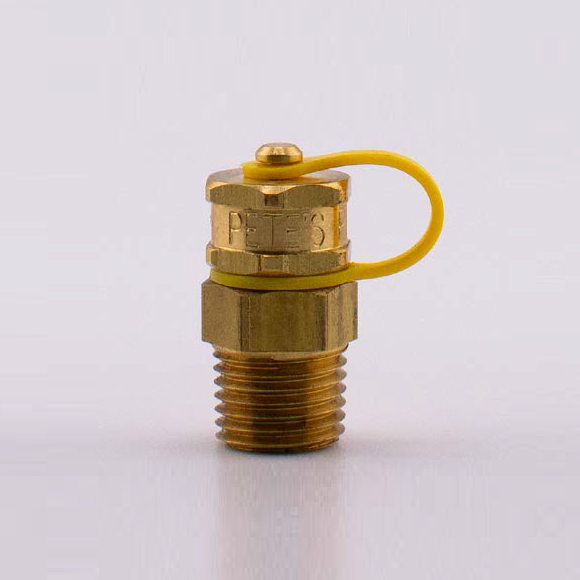
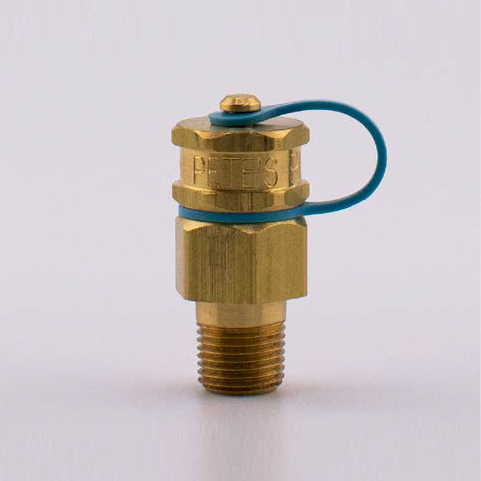
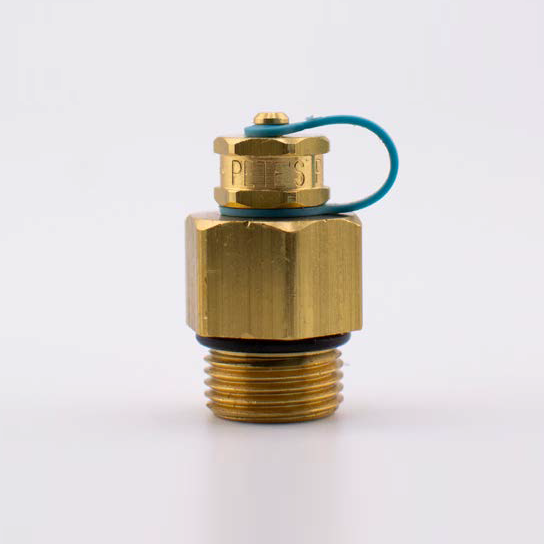
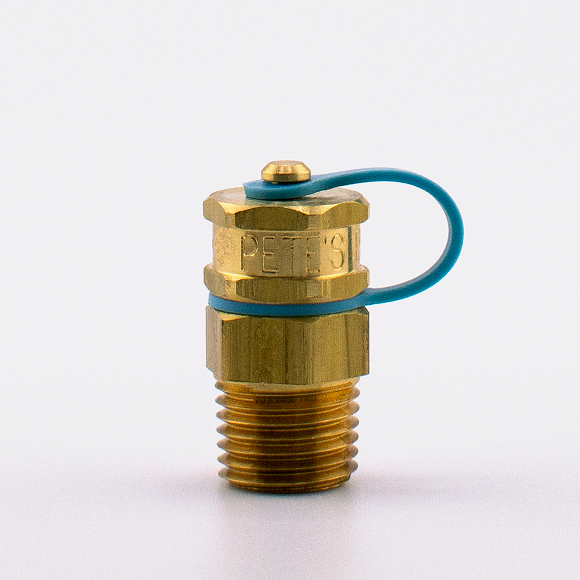
Catalogue
Download

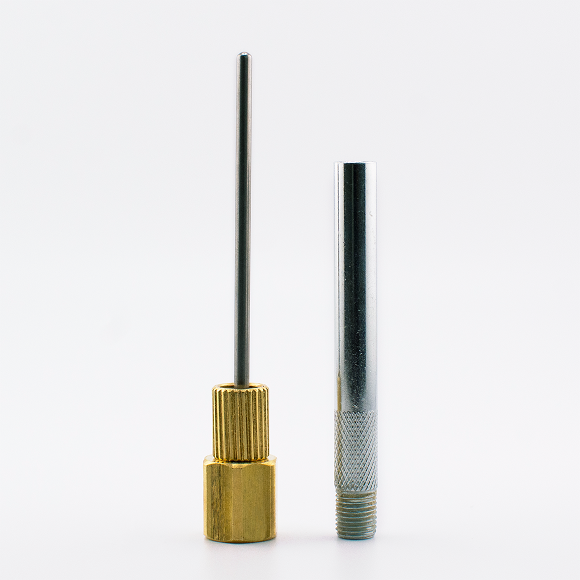
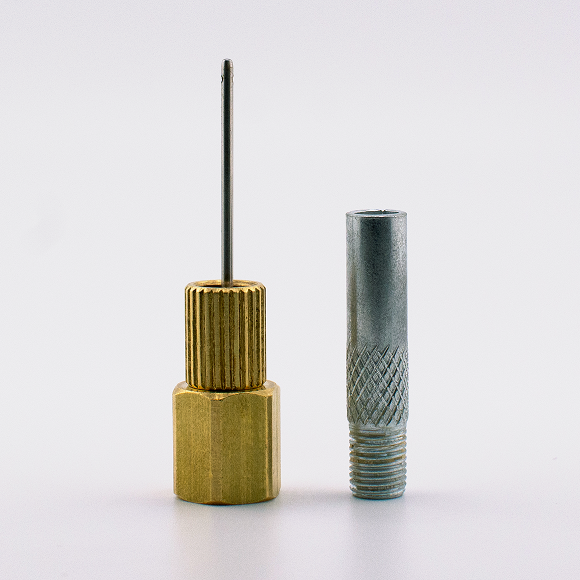
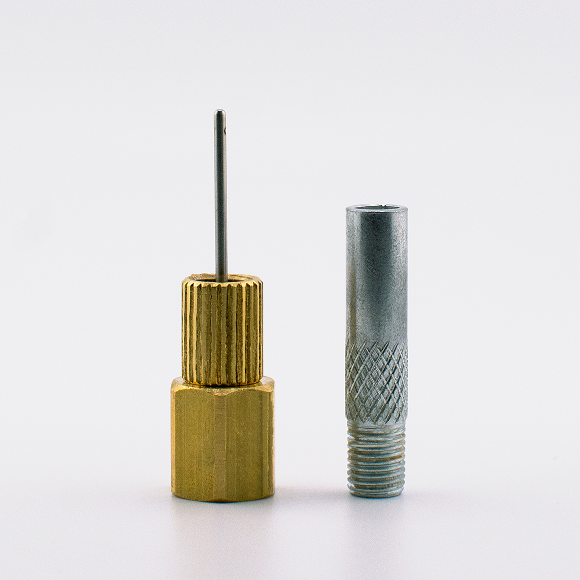
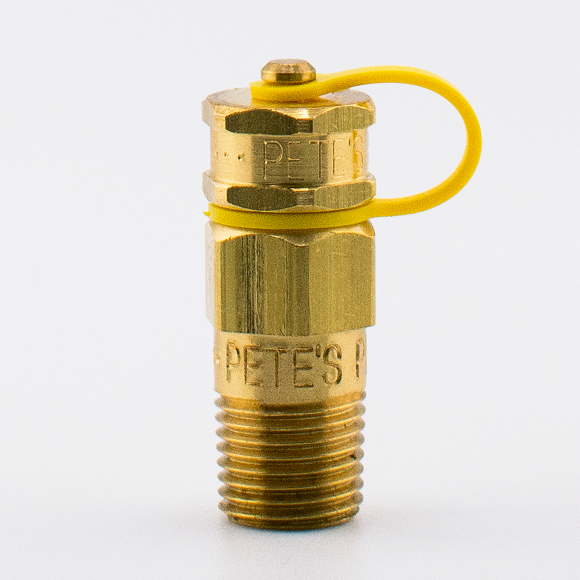
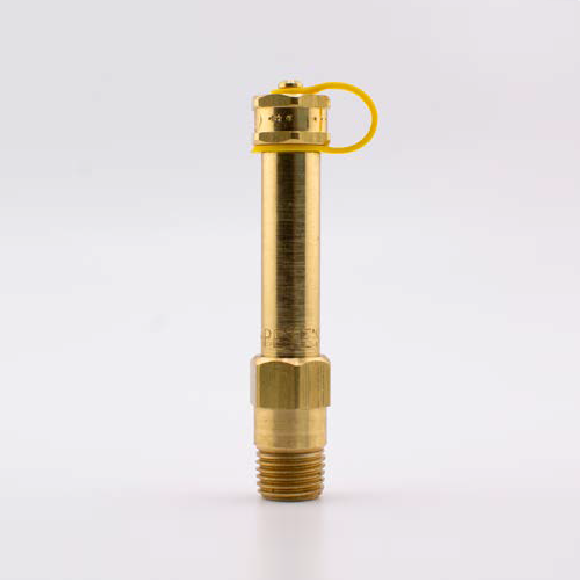
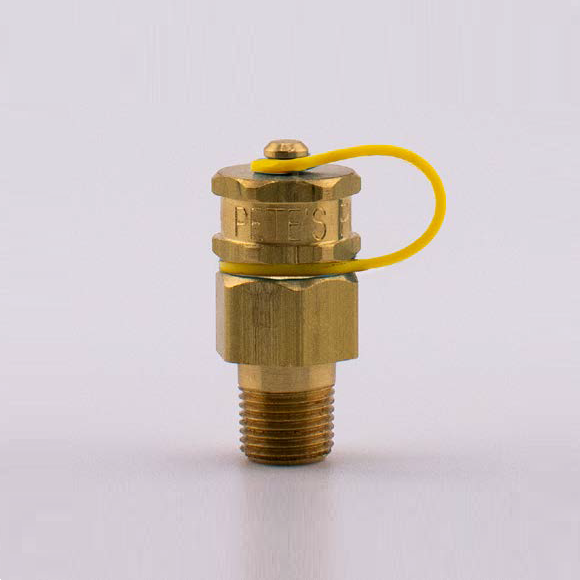
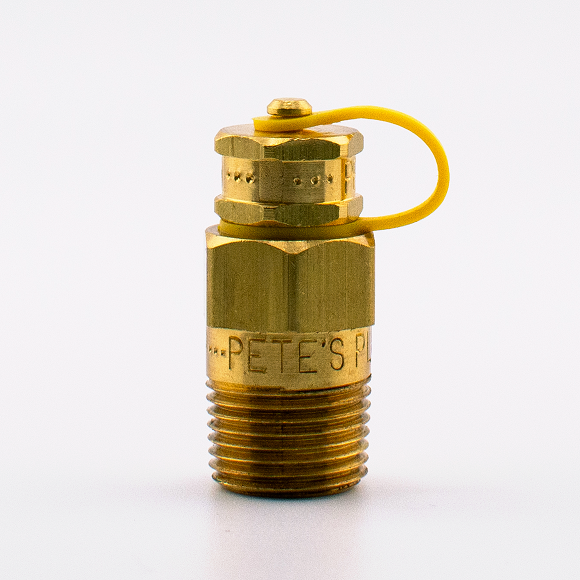
Download the Full Test Plug Catalogue

"*" indicates required fields

Name*
Have you specified Binder products before?*
Pease send material relevant to me as a:*
This field is hidden when viewing the form

Webinars

Right First Time: Avoiding Common Errors In Pipe Support Selection (October 2026)

RIGHT FIRST TIME: AVOIDING COMMON ERRORS IN PIPE SUPPORT SELECTION (OCTOBER 2026) Not getting it right first time is rarely about a bad decision. Over the life of a project there are a number of potential points of failure that can result in a gap between what is needed and what actually gets ordered, installed or approved.  In this 30-minute webinar, Riley Williams, Project Consultant at Swift Metal Australia, uses real-life case studies to show how relatively small changes can make a big difference to the risk of site delays and extra costs. Roger Shemilt, Head of Product, takes a deeper dive into best practice for designing pipe hangers, and Brad Pearse, Senior Engineer, shows how simple changes to standard products can deliver custom results.  Webinar scope  Which pipe support product for which application — the most common mismatches seen in the field  How to specify a non-standard or custom pipe support and actually get what you asked for  Insights into when customisation genuinely adds value versus when it adds unnecessary cost and lead time  Pipe hanger configuration basics that are frequently overlooked at design stage  Download Pipe Support Specification Checklist https://youtu.be/oyDat02ODaI Right First Time: Avoiding Common Errors In Pipe Support Selection Webinar Q&A 1) Apart from galvanising, can you provide other types of surface protection for fasteners? Yes. Galvanising is the most common, but other options include: Teflon-based coatings (Xylan), available in a few different grades and colours, for highly corrosive environments. Stainless steel fasteners in place of galvanised fasteners. Duplex and super duplex, for both fasteners and the supports themselves. Paint systems, applied by the client after installation. 2) In a typical specification, should fasteners be called out, or do we assume they’re included in the supports specified? In most cases fasteners are included with saddles. They’re not included with our standard Height Adjustable Pipe Stands, mainly because we don’t know what the supporting structure is. It could be concrete, steel or something else. 3) What if modifying standard products isn’t an option and a bespoke solution is needed? Can you help? Yes. The team can design and manufacture fully custom supports in a wide range of materials, from Permali to Durostone to Permaglass. Get in touch and we can talk it through. Across the team there’s around 400 years of combined experience, so there’s a good chance we’ve seen something similar before. 4) What is the average lead time for standard and custom supports, excluding special materials such as duplex? Where items are in stock, we’ll often ship within 24 hours. Standard make-to-order items take 3 to 4 weeks. Custom designs average 4 to 5 weeks from drawing approval, depending on volume and complexity. 5) What are some key challenges and solutions when working with above-ground HDPE compared with metallic pipes? Movement is the main thing to allow for, as HDPE expands and contracts a lot more than metallic pipe. Other things to keep in mind: HDPE doesn’t span like steel pipe, so it needs supporting more often. Movement needs to be allowed for depending on the situation, for example with expansion loops or sliding shoes. A rubber lining between the clamp and the pipe is often needed, especially where there’s movement or where the pipe is being restrained. Otherwise, repetitive movement against the clamp will damage the pipe wall. There are different types of HDPE. Some suppliers offer white HDPE pipe as well as standard black, and the amount of movement can vary between them. 6) Does the design page provide the allowable working load for the selected hanger? Working loads apply to each item in the hanger. Each component (threaded rod, nuts, clamps and so on) has its own working load, and the working load for the full hanger assembly should be taken as the lowest of any component in it. This is usually the threaded rod, so the threaded rod’s load rating applies to the whole hanger. 7) What vibration dampening options are available in supports for piping exposed to high-surge environments? It depends on how much vibration is involved. Options include: Hydraulic snubbers. These are generally used for shock loading but can also dampen vibration. They attach to the pipe with a dynamic pipe clamp. There are many styles and designs, so we’d need to discuss the application to work out the best approach. Rubber membranes and other elastomeric products. These can be built into pipe clamps, shoe bases and similar parts to minimise vibration transferring into the rest of the plant. 8) Can you share some experience from the offshore industry, where spring hangers are avoided in favour of can-type supports? Because of the corrosive environment, the spring inside the can corrodes. How can we address this through the material of the spring coils? We can provide stainless steel spring coils, which have much better corrosion resistance than our standard steel coils. This option covers around 75% of our range, because stainless steel isn’t available in every size we need. 9) Do you provide bolt isolation kits when required, including Teflon material for isolation, which we use in water tanks as it is AS/NZS 4020 compliant? Bolt isolation kits aren’t a standard product, but we can work with you to design or supply a suitable kit. We regularly use Teflon isolation pads to separate dissimilar materials and in slide plate applications, so we have access to all available thicknesses and grades. NEXT STEPS If you are working on a live project, you may find these extra resources useful.  Use Swift’s specification checklist to ensure key information is covered  Book in a consultation with one of our Project Consultants before you lock in your design  REQUEST TECHNICAL DISCUSSION

Binder Webinar – Cryogenic Pipe Supports: A Technical Overview (July 2026)

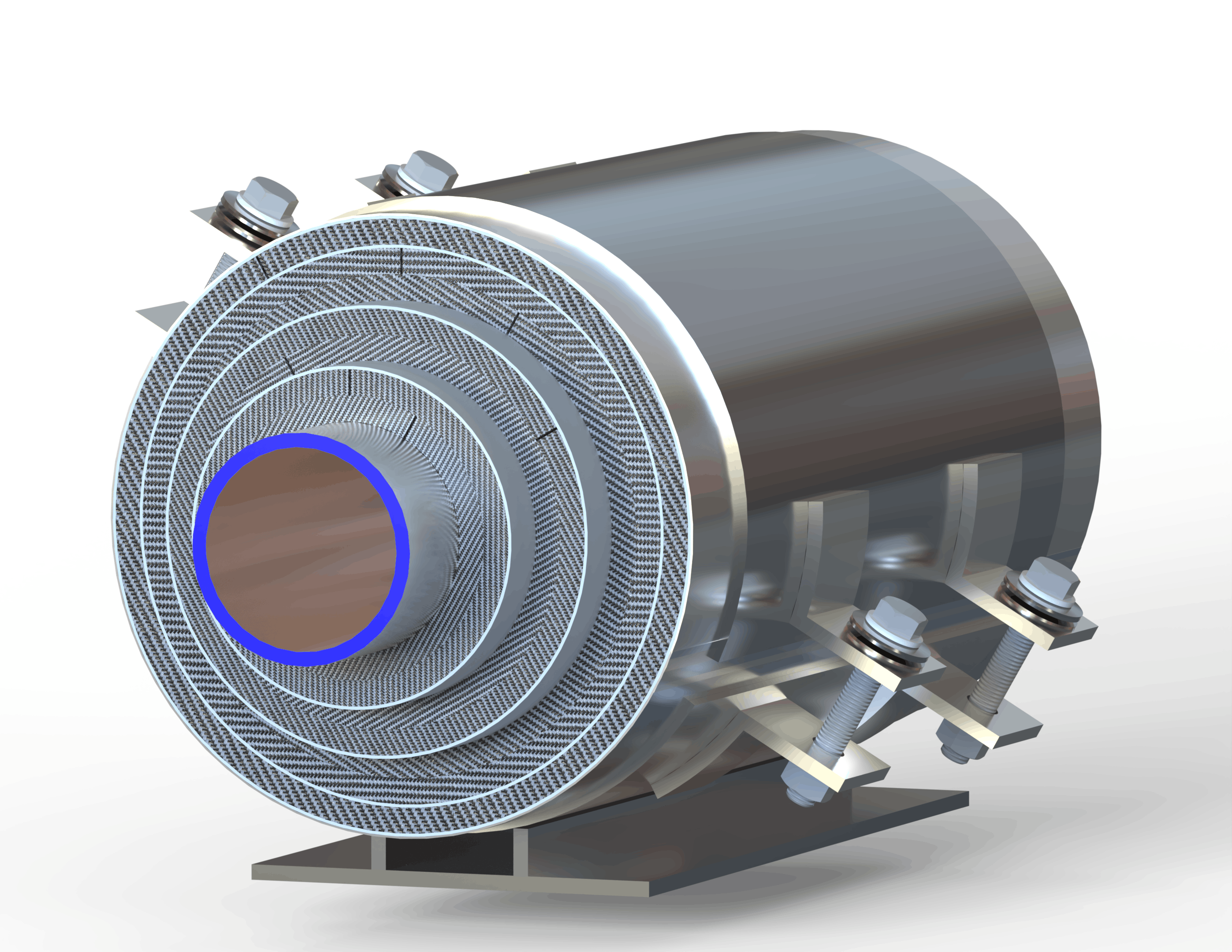
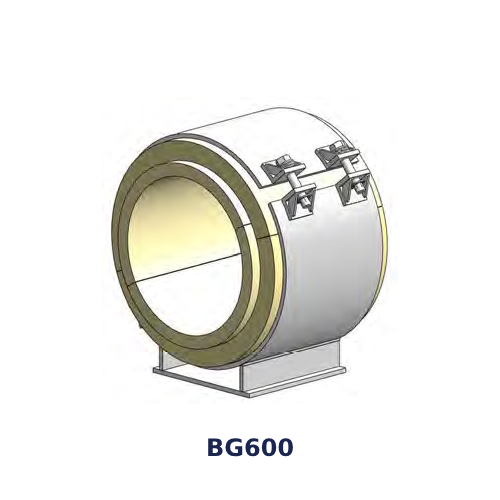
BINDER WEBINAR – CRYOGENIC PIPE SUPPORTS: A TECHNICAL OVERVIEW (JULY 2026) Cryogenic pipe supports have to do two jobs at once: carry load and thermally insulate the pipe, often down to minus 196°C. Get the material selection, load path or contraction allowance wrong and it shows up later as moisture ingress between the pipe and insulation, ice formation, or embrittled steel under the shoe. Cryogenic Pipe Supports: A Technical Overview, recorded July 2026, is a Binder Group session presented by Project Consultant Riley Williams along with Technical Director Roger Shemilt and Senior Engineer Brad Pearse. It works through the configuration, material and movement decisions behind a cryogenic pipe support system, from initial design through to site installation. Webinar scope Configuration selection across the BG600 series, BG615 cold shoe and AeroX/BG700 aerogel supports PUF vs aerogel insulation performance, and Permali/Durostone as load-bearing materials Load bearing capacity, from pipe stress analysis inputs through to reinforced shoe options Thermal contraction and movement, plus a case study on a seam-welded pipe under PUF insulation https://www.youtube.com/watch?v=iAiartF81ko Cryogenic Pipe Supports: A Technical Overview Webinar Q&A 1) When cold shoes are installed, they need a Foster product 90-66 to seal around the PUF and pipe. Does Binder supply this? Yes, we can supply all ancillaries of a cold shoe. However, F90/66 has a short expiry of around six weeks on average. We recommend the site installation company purchase this at a time that fits their installation schedule. 2) Can you explain more on moisture and vapour barrier prevention when replacing a PUF support with an aerogel support on a live plant? There will also be a height difference between the two supports – how is that mitigated? The AeroX™ shoe was primarily designed for new and greenfield projects. Replacing a PUF shoe with an AeroX™ shoe on a live plant may be cost prohibitive due to the additional modifications required. The aerogel shoe would need a taller shoe base to maintain the existing bottom of pipe dimension, and the existing low-density insulation on the pipe would require a custom transition piece to connect with the new shoe. 3) Is it required to have the PUF bonded to the metal bearing plate on the bottom half of a PUF support? It is not required – bonding is provided to assist the installation team. The lower PUF cradle sits at the correct angle, which helps the upper cradle align correctly and prevents movement if the cradle is knocked during installation. We can supply the lower cradle loose if preferred. 4) For chilled water lines at 7°C, is a fibreglass insert required between the two PUF halves? This depends on whether maintaining the 7°C pipeline temperature is a project requirement. If it is, a fibreglass insert is necessary to maintain line temperature. 5) What are the options for axial stops, line stops, anchor supports, and cryogenic load restraint? This covers the following questions raised during the webinar: Cryogenic axial stop – does Binder have a model for this? Line stop insulated cryogenic support What are the options for stop or anchor supports? How is an axial stopper requirement from stress analysis incorporated into the shoe design? The axial stop design uses thrust rings and hold downs, consistent with a traditional PUF shoe configuration. Binder will work with the client to supply a suitable design for their specific project requirements. NEXT STEPS Project-specific technical discussion If you are working on a live project, Binder can discuss the suitability and application of cryogenic pipe supports based on the load, movement, temperature, and installation information supplied. Assessment of cryogenic pipe support options relative to your operating temperature range and load requirements Discussion of insulation material selection based on project specification and plant standards Input on configuration selection, support spacing, and movement accommodation for your specific application REQUEST TECHNICAL DISCUSSION

Binder Webinar – Variable Spring Supports (November 2025)

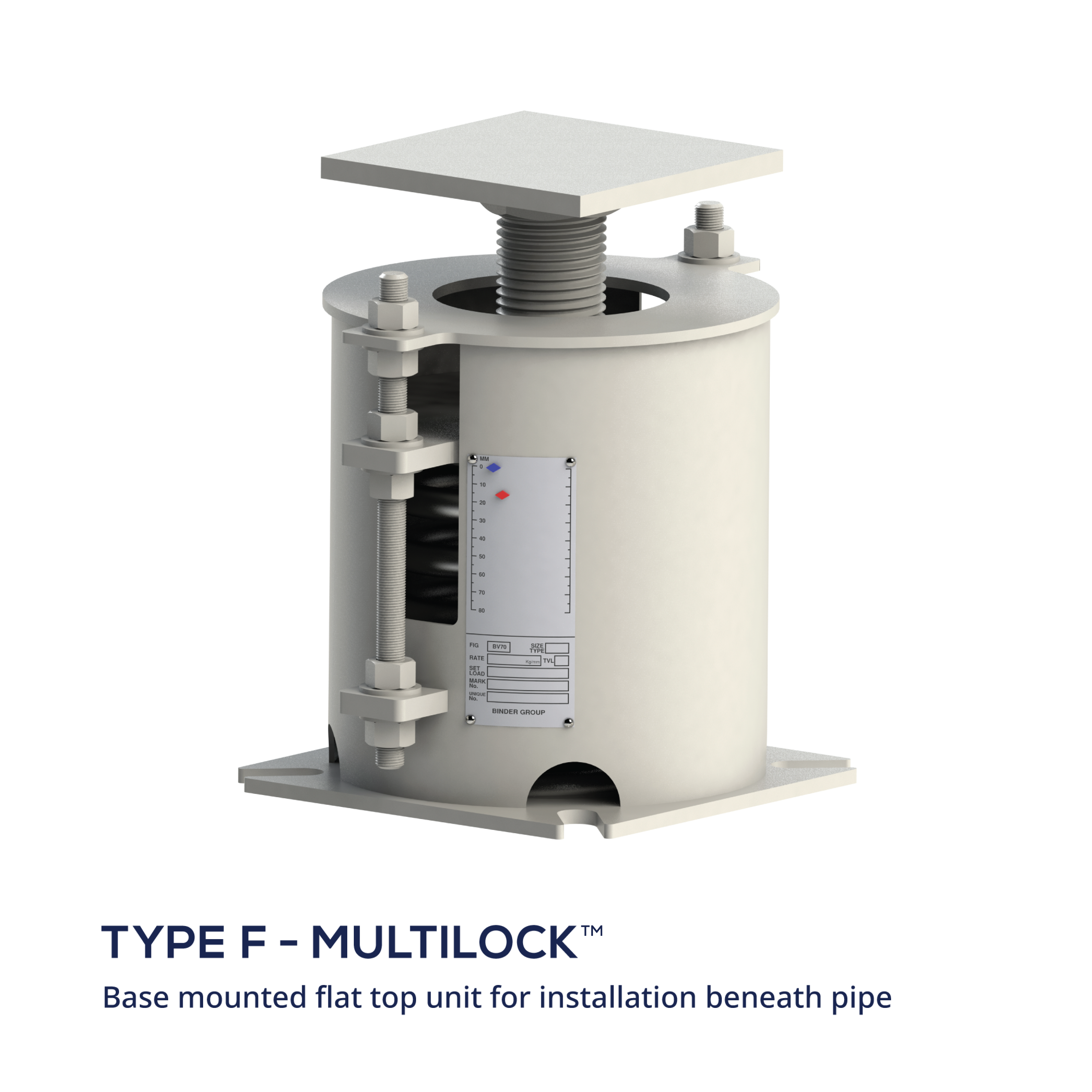
BINDER WEBINAR – VARIABLE SPRING SUPPORTS (NOVEMBER 2025) Variable spring supports are used to accommodate vertical movement while managing load variation in piping systems. Selection requires an understanding of how spring behaviour changes between installed, operating, and sustained conditions, and how those changes interact with the piping system. Binder’s November 2025 technical webinar outlines practical considerations for the application of variable spring supports, based on common project conditions, applicable standards, and typical installation practices. Webinar scope Determining variable spring support size and travel range based on provided load and movement data Installation and maintenance considerations relevant to variable spring supports in service Worked examples illustrating common design and specification challenges https://www.youtube.com/watch?v=p8nCnywKyXU Variable Spring Supports Webinar Q&A The following questions were raised during the live webinar and are answered by Binder technical specialists. Responses are provided to support project engineers and specifiers by explaining typical spring support behaviour, applicable standards, and common industry practices. 1) Do base-type springs produce much of a frictional reaction on the pipe support and is this affected by clearances in the guided load column? For base-mounted variable spring supports (Types F, H and K), the spring unit itself is designed to carry vertical load only and to permit vertical movement due to thermal expansion. Any frictional reaction is therefore not generated by the spring mechanism, but by sliding between the pipe (or pipe shoe) and the support surface as the pipe moves. For this reason, it is common industry practice for Binder base-mounted spring supports to be supplied with a PTFE sliding plate (typically PTFE on stainless steel) at the load flange interface. The purpose of this plate is to: minimise frictional resistance to axial pipe movement, reduce horizontal loads transferred into the piping system, improve repeatability of vertical spring movement. 2) How would I safely remove a spring support that is in service? The Binder Installation, Operation and Maintenance Manuals address this in Sections 12 and 13. Download Manuals from this page. Key points include: Stored energy is present in the spring coil; uncontrolled release can cause serious injury and damage Removal generally follows the installation sequence outlined in the Binder Installation, Operation and Maintenance Manual For supports without Multilock™, Binder assumes the line has returned close to the pre-set (blue marker) position before any attempt is made to re-insert the pre-set stops Temporary pipe support or bracing is mandatory and is the responsibility of the person performing the removal For Multilock™ supports, the pressure plate can be locked at any position within the travel range, allowing safer removal even if the line cannot return to cold 3) Re the MSS-SP 58 recommendation for a limit of 25 percent on the range of load from cold to hot: is this driven by an intention to reduce load change on the piping system? Yes. This limit is fundamentally about limiting the change in reaction load on the piping system as the pipe moves from cold to hot. Variable spring supports change supporting force with travel, and the difference between hot and cold load acts as a changing reaction force on the pipe. Standards such as MSS-SP 58 commonly limit spring load variability to 25 percent of the operating load. Where this limit cannot be achieved with a variable spring, common industry practice is to consider a constant spring support. 4) Is the bolted type connection of a spring hanger in a vibrating line such as a compressor inlet and outlet advisable, and can Binder spring supports handle this vibration? Variable spring supports are designed to support weight and accommodate thermal movement. They are not intended to control vibration. A bolted spring support may be used on a vibrating line, provided vibration control is addressed separately through piping design and restraint measures such as guides, struts, snubbers, or other vibration control devices. Bolt detailing must follow good vibration practice, including appropriate locking, preload, and fatigue considerations. This is outside the scope of Binder’s guidance and must be determined by a qualified engineer. 5) Does Binder have software that can build or organise the assembly of different components depending on the requirement? Some spring vendors provide something like that. No. Binder does not use a configurator or assembly-builder software for spring supports. Binder’s process is based on a formal request or data form. When this information is properly completed, Binder can assess available product options and advise on an appropriate support type, size, and travel range based on the information supplied. 6) Can the hot load be the sustained load when piping is not in operation? Yes. If the pipe remains in the operating (displaced) position when not in service, the operating or hot load can be the sustained load. Spring supports can be supplied set to the operating load where the pipe cannot return to its original installed position, or where operating conditions govern the long-term load state. If spring supports are required to be supplied pre-set to the operating load, this information needs to be provided to Binder at the time of quoting. Spring supports may also be installed while the line is in operation, in which case the pressure plate position is checked against the operating (red) marker rather than the pre-set position. Engineering implication: The sustained load condition is defined by the pipe’s long-term position, not whether the plant is running or shut down If the pipe remains hot, displaced, or restrained from returning, the operating load becomes the sustained load If the pipe cools and returns, the sustained load reverts to the pre-set (cold) condition 7) With all the engineering evident with these spring units, why was the larger unit selected in the worked example in the presentation? Isn’t that unnecessary over-engineering that simply provides more revenue for Binder? Binder’s selection criteria is based on the client-provided design load and movement requirements, and on the available spring travel ranges (BV35, BV70, BV140, BV210) with defined working limits. Full travel may be used where the piping system can tolerate the resulting load variation. Common industry reasons for selecting a larger unit include: locating the required movement more centrally within the available travel range, reducing sensitivity to installation tolerances, improving compliance with load-variation limits, allowing margin for future system changes. NEXT STEPS Project-specific technical discussion If you are working on a live project, Binder can discuss the suitability and application of Binder variable spring supports based on load, movement, and installation information supplied. Assessment of Binder spring support options relative to the provided load and travel requirements Discussion of variable versus constant spring applicability for the stated conditions Input on preset, operating, and sustained load positions for Binder spring supports REQUEST TECHNICAL DISCUSSION
WATCH-RECORDING-BANNER-binder_popup
0
    0
    Quote Cart
    Your cart is empty