- Products
-
-
-
Categories
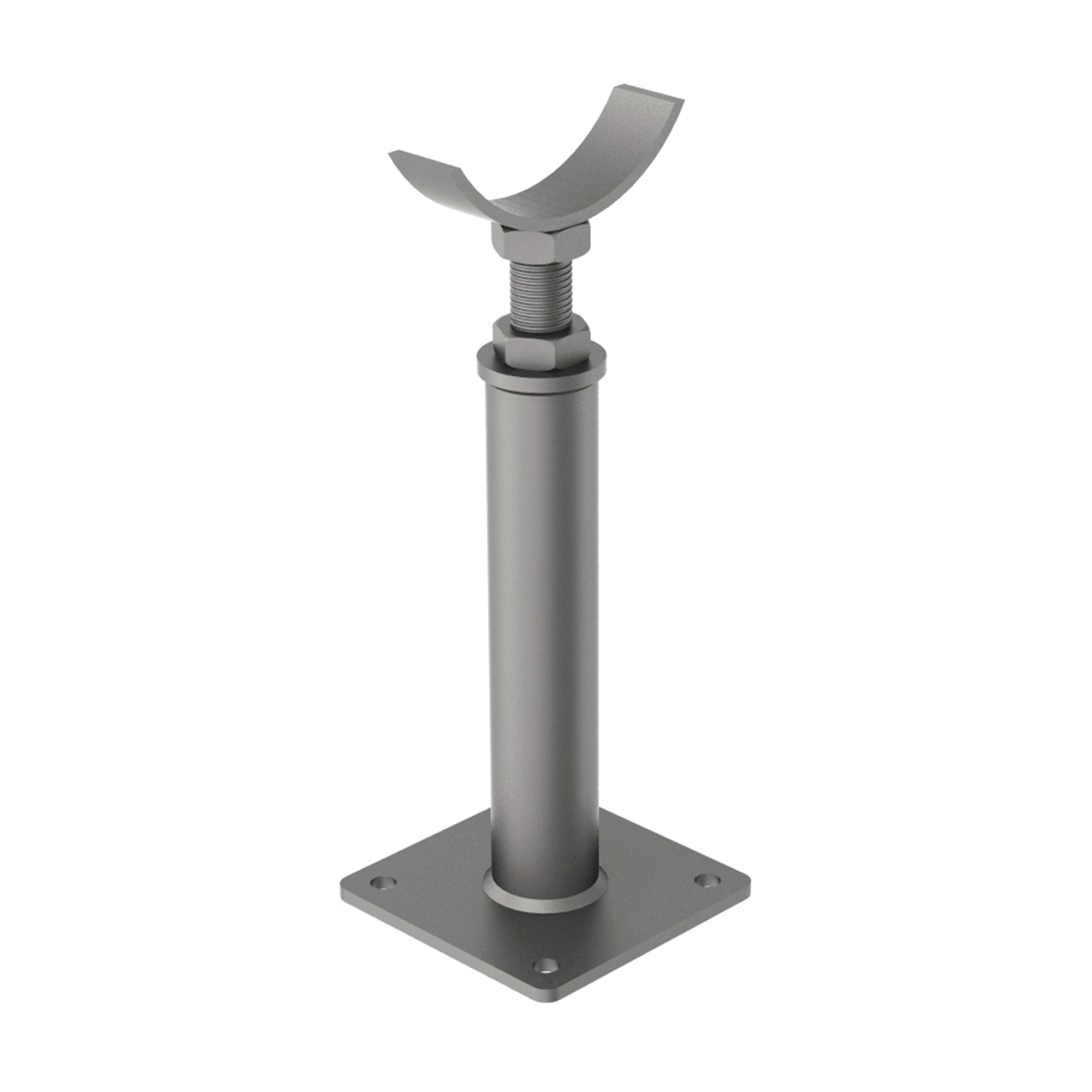
 AG630
AG630HEIGHT ADJUSTABLE SUPPORT - CRADLE MOUNT
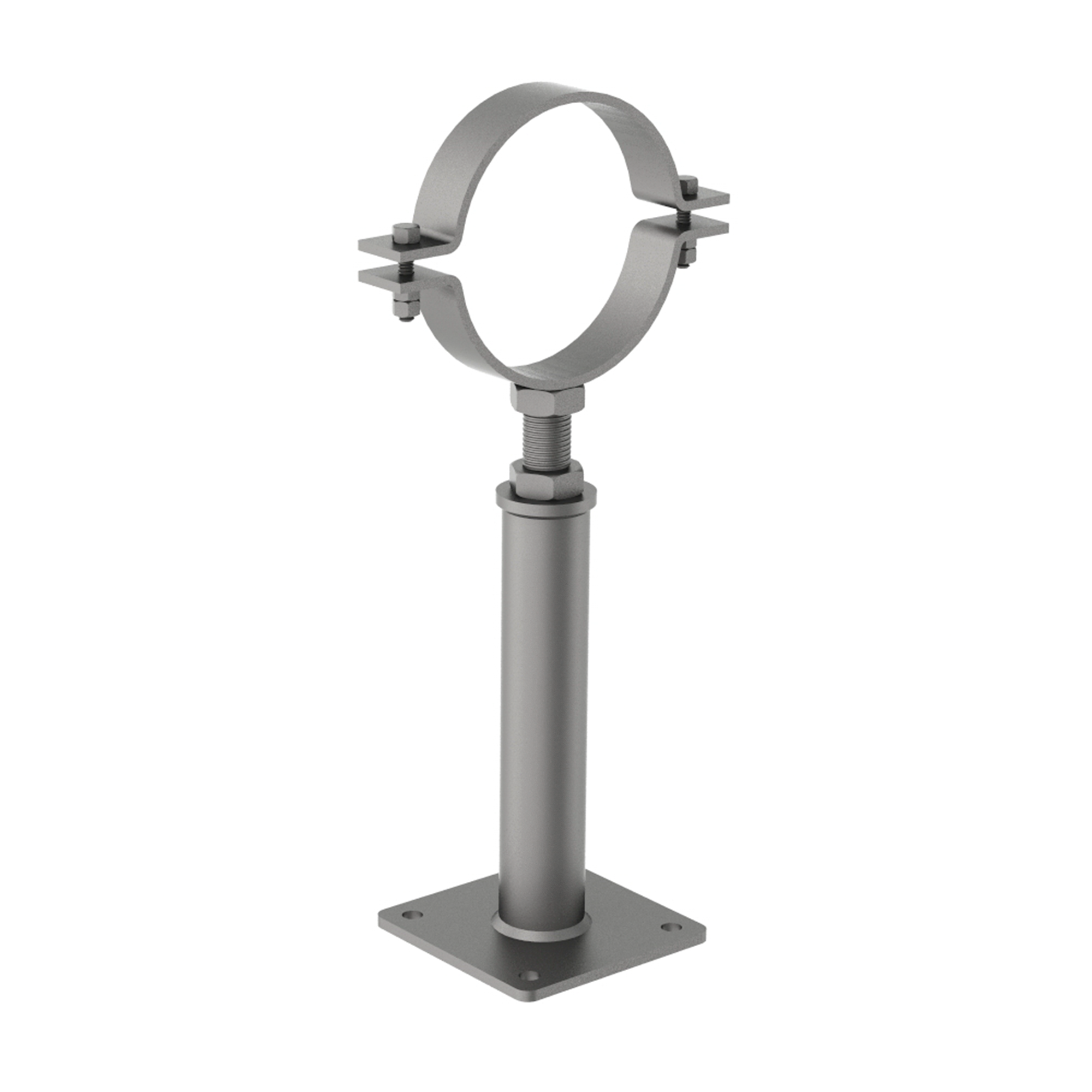 AG631
AG631HEIGHT ADJUSTABLE SUPPORT - CLAMP MOUNT
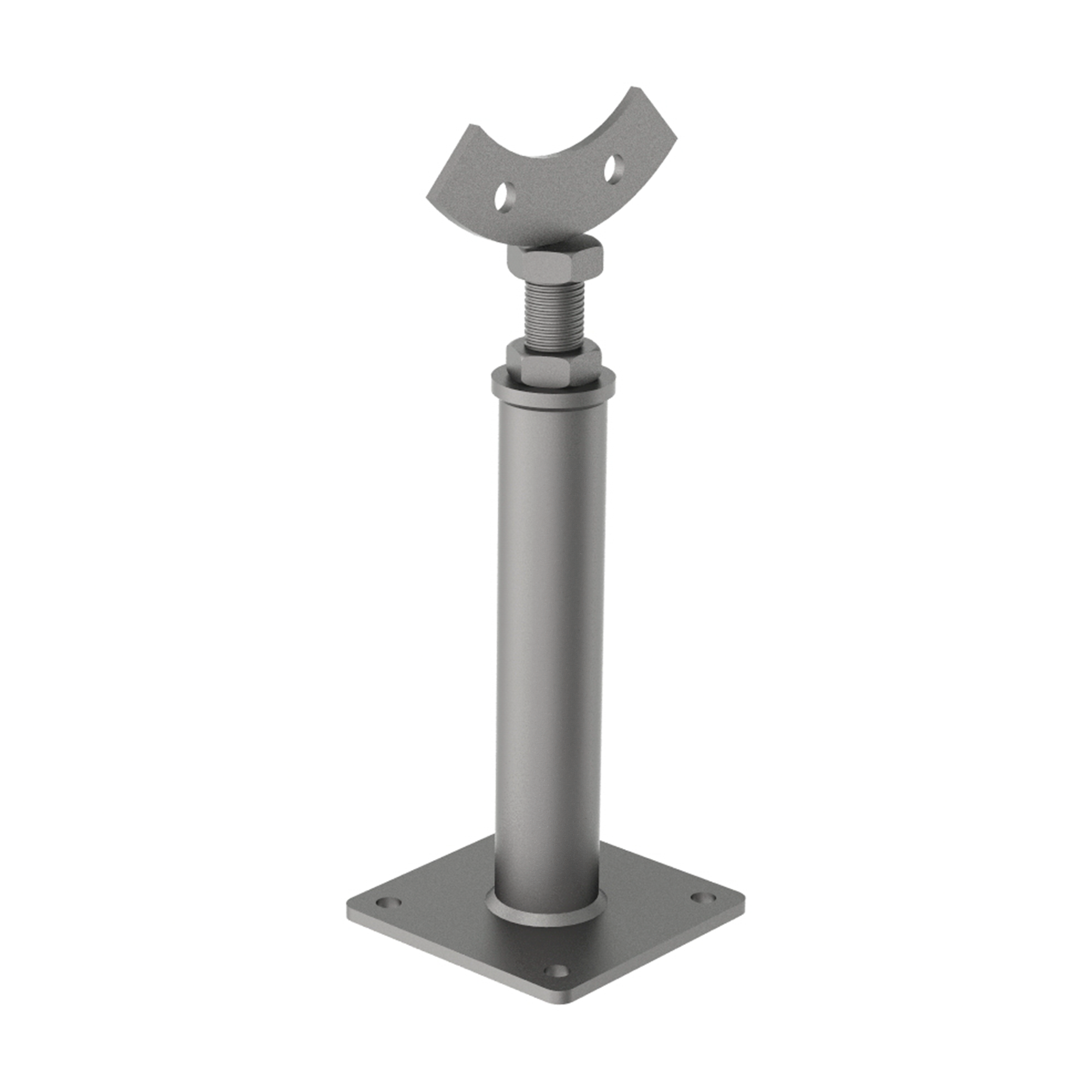 AG632
AG632HEIGHT ADJUSTABLE FLANGE MOUNT
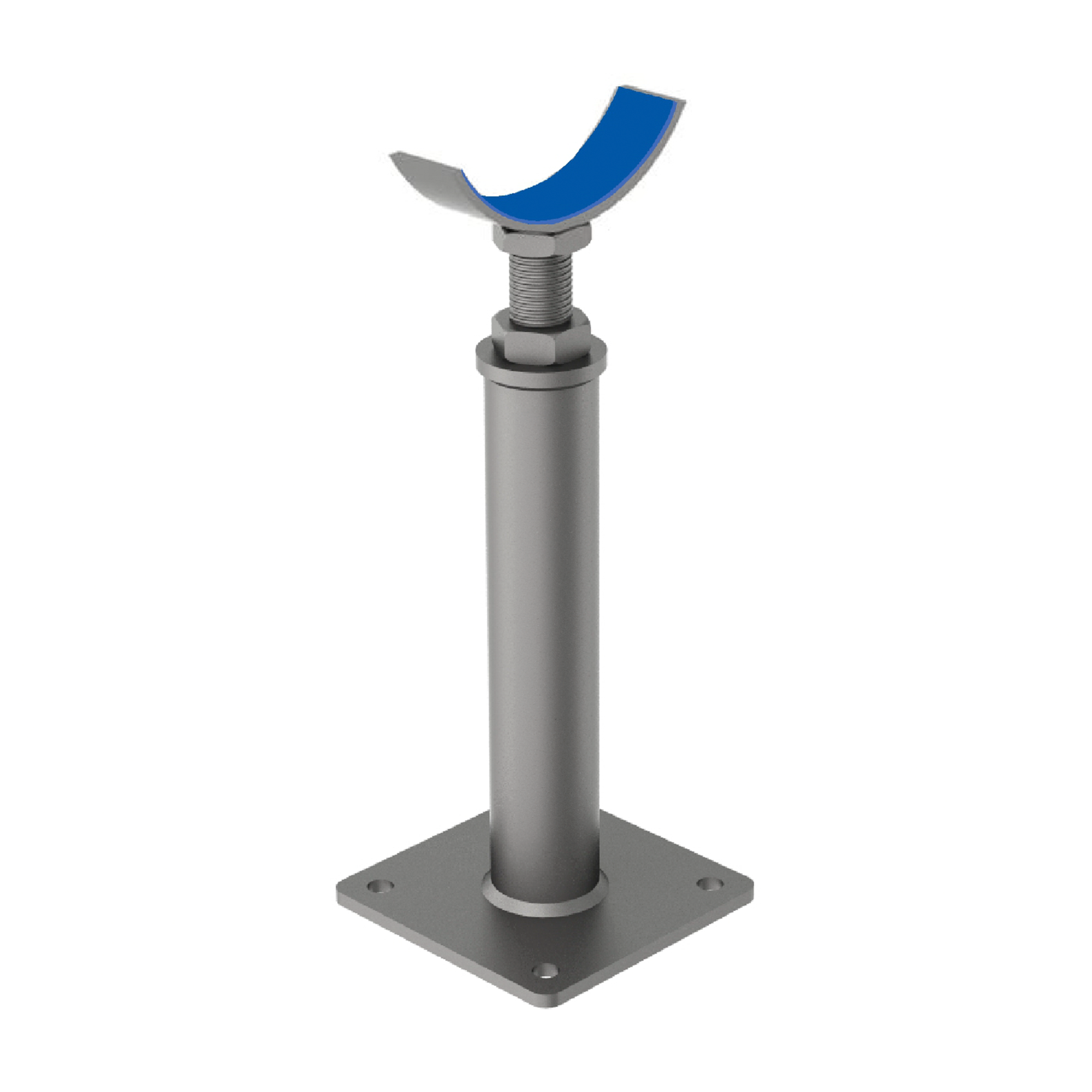 AG634
AG634INSULATED HEIGHT ADJUSTABLE SUPPORT - CRADLE MOUNT
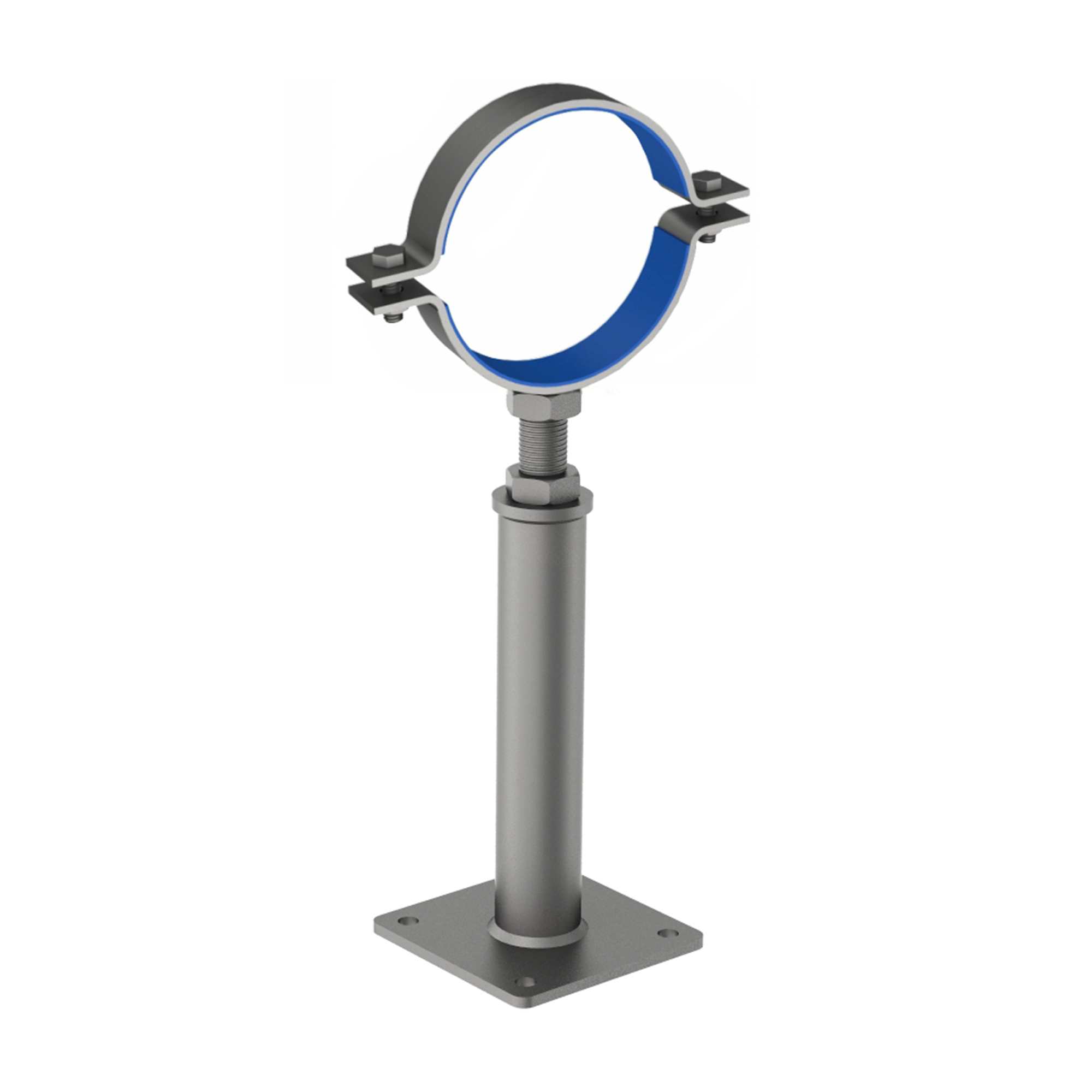 AG636
AG636INSULATED HEIGHT ADJUSTABLE SUPPORT - CLAMP MOUNT
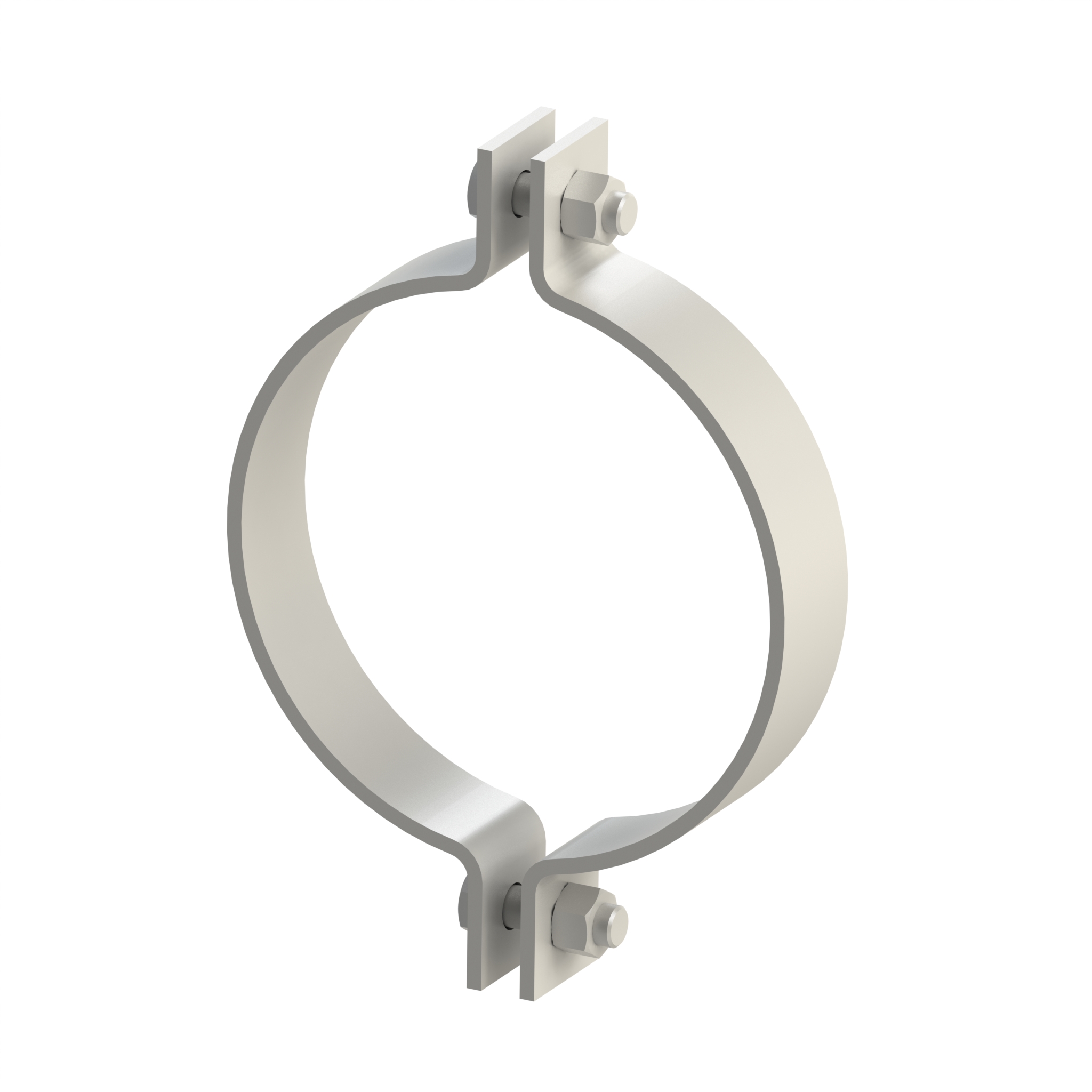 BG100
BG100LIGHT DUTY 2-BOLT CLAMP
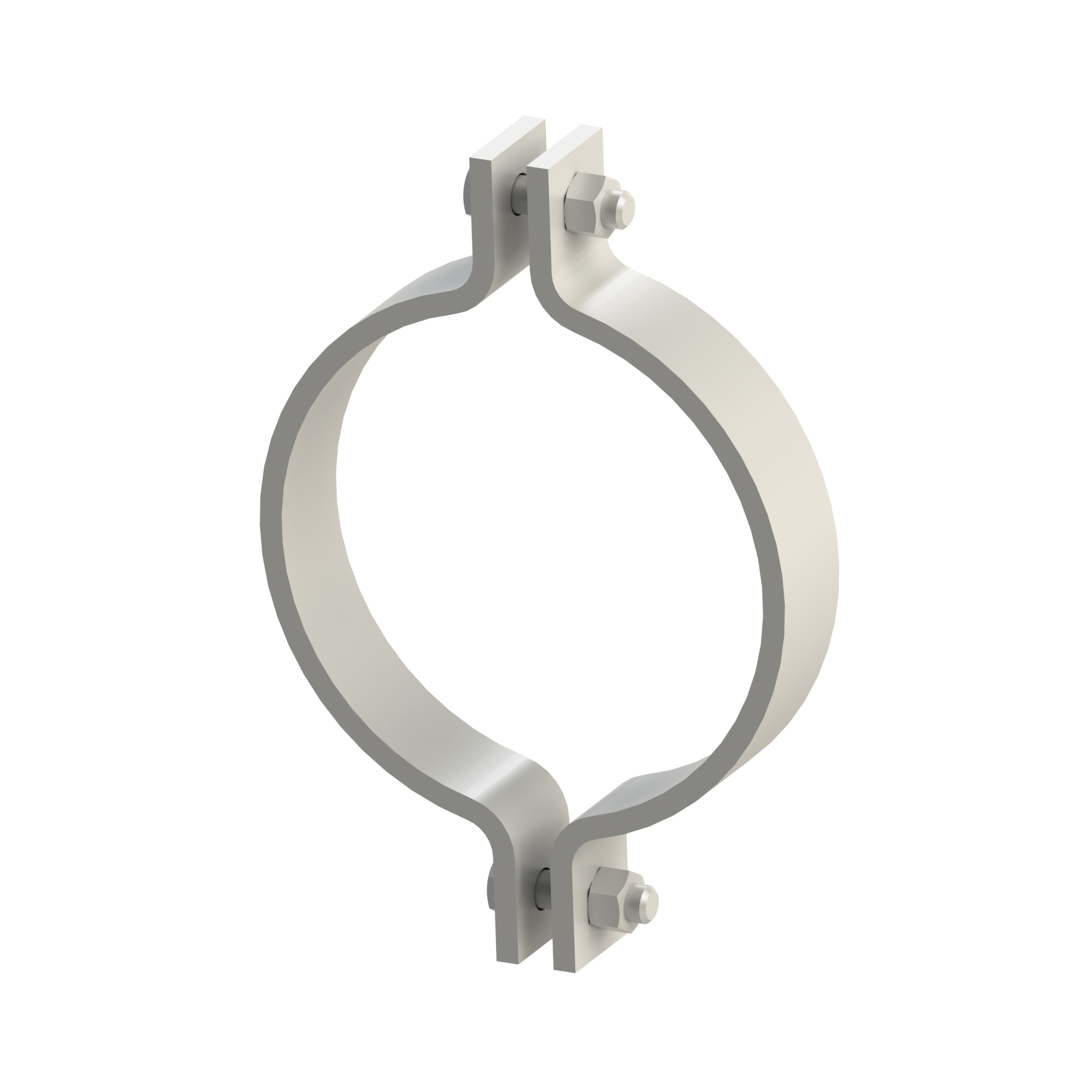 BG170
BG170MEDIUM DUTY 2-BOLT PIPE CLAMP
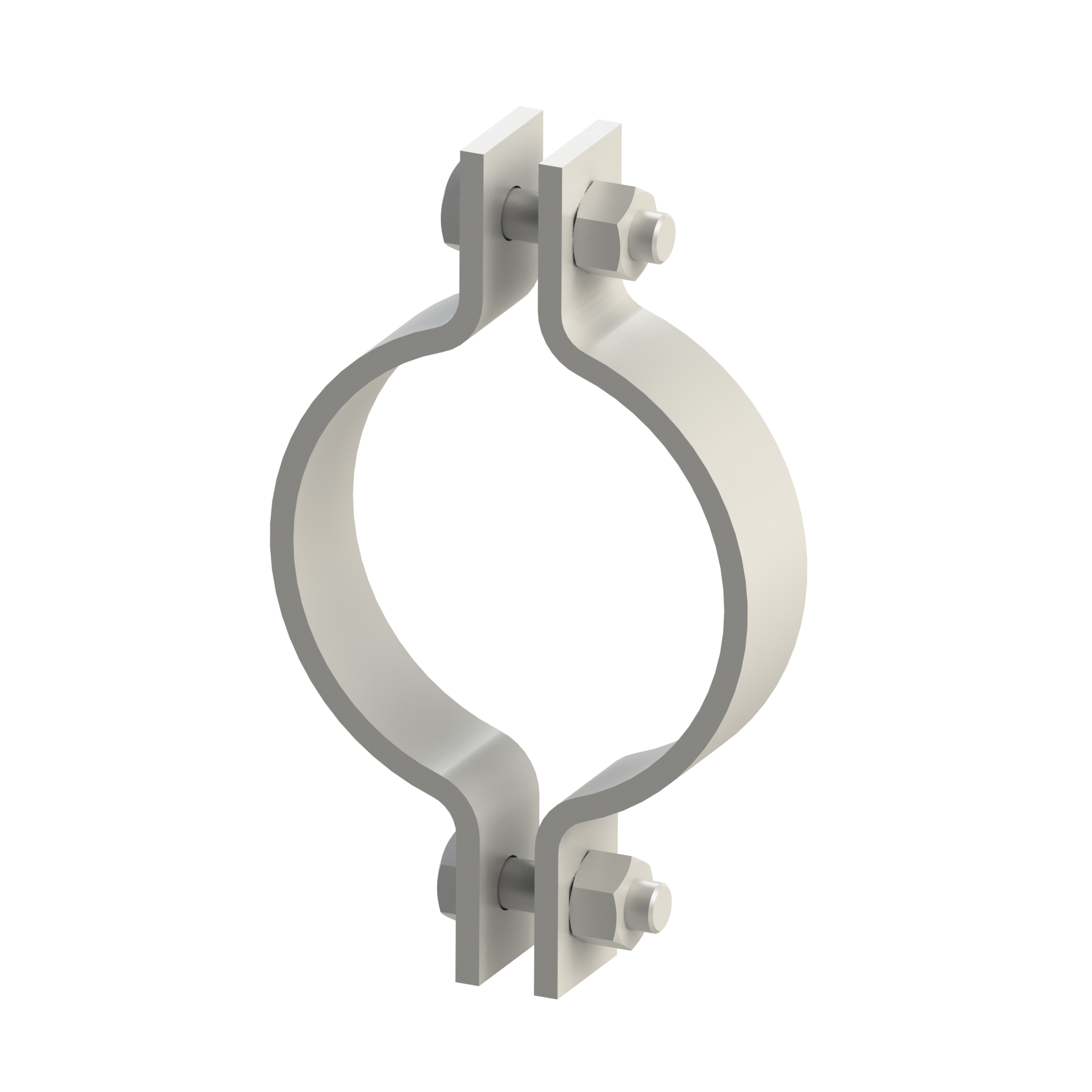 BG50
BG50HEAVY DUTY 2-BOLT PIPE CLAMP
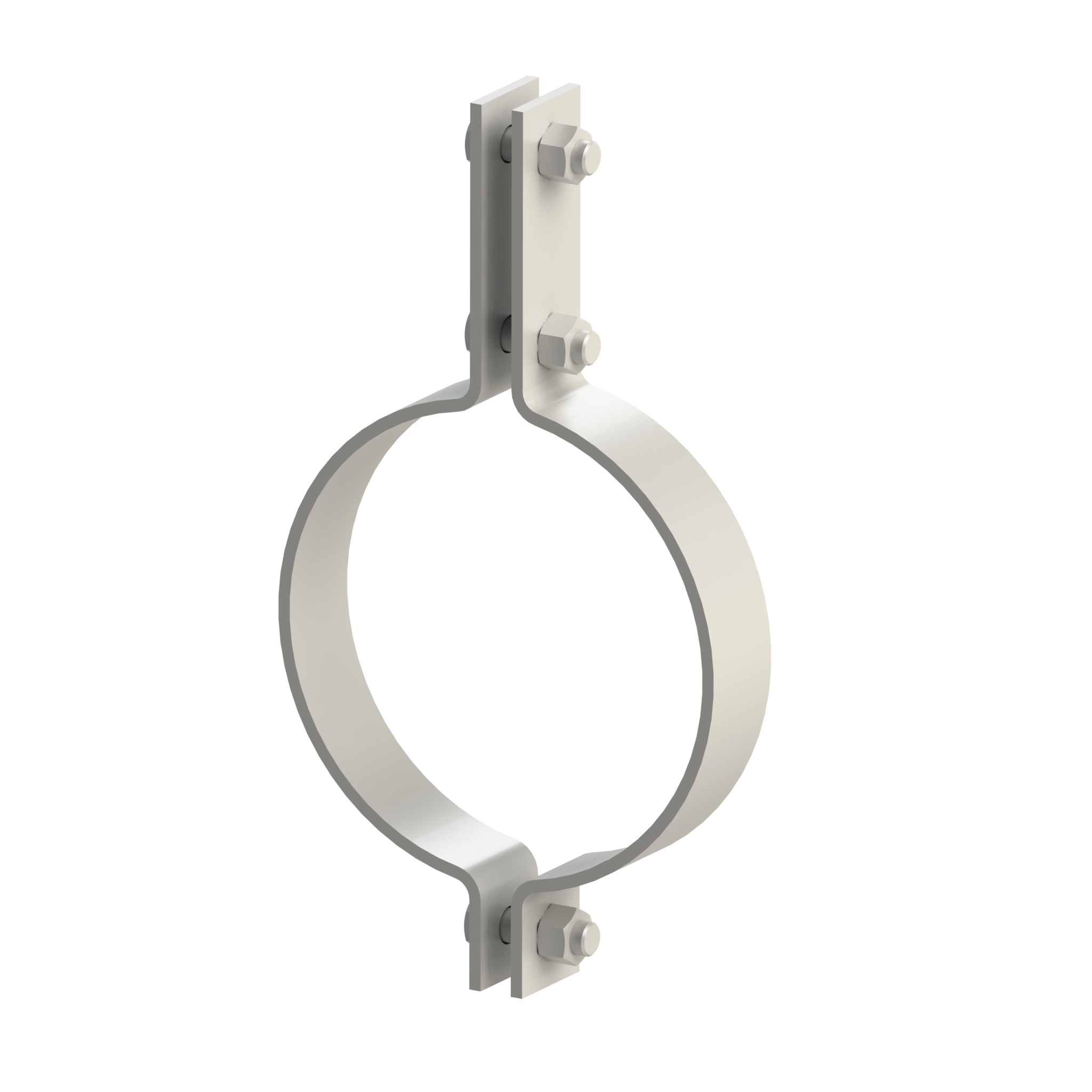 BG101
BG101LIGHT DUTY 3-BOLT PIPE CLAMP
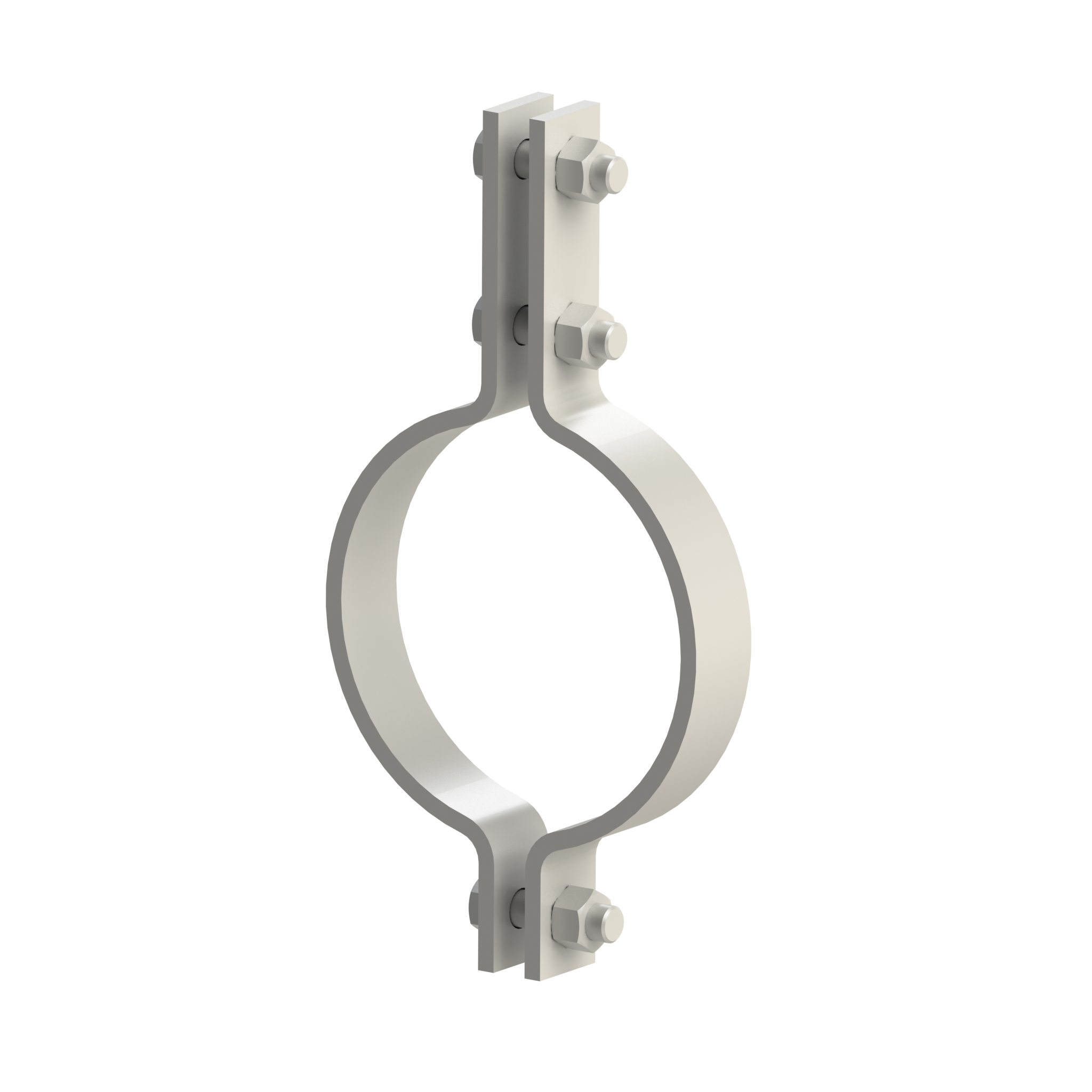 BG171
BG171MEDIUM DUTY 3-BOLT PIPE CLAMP FOR STEEL PIPE
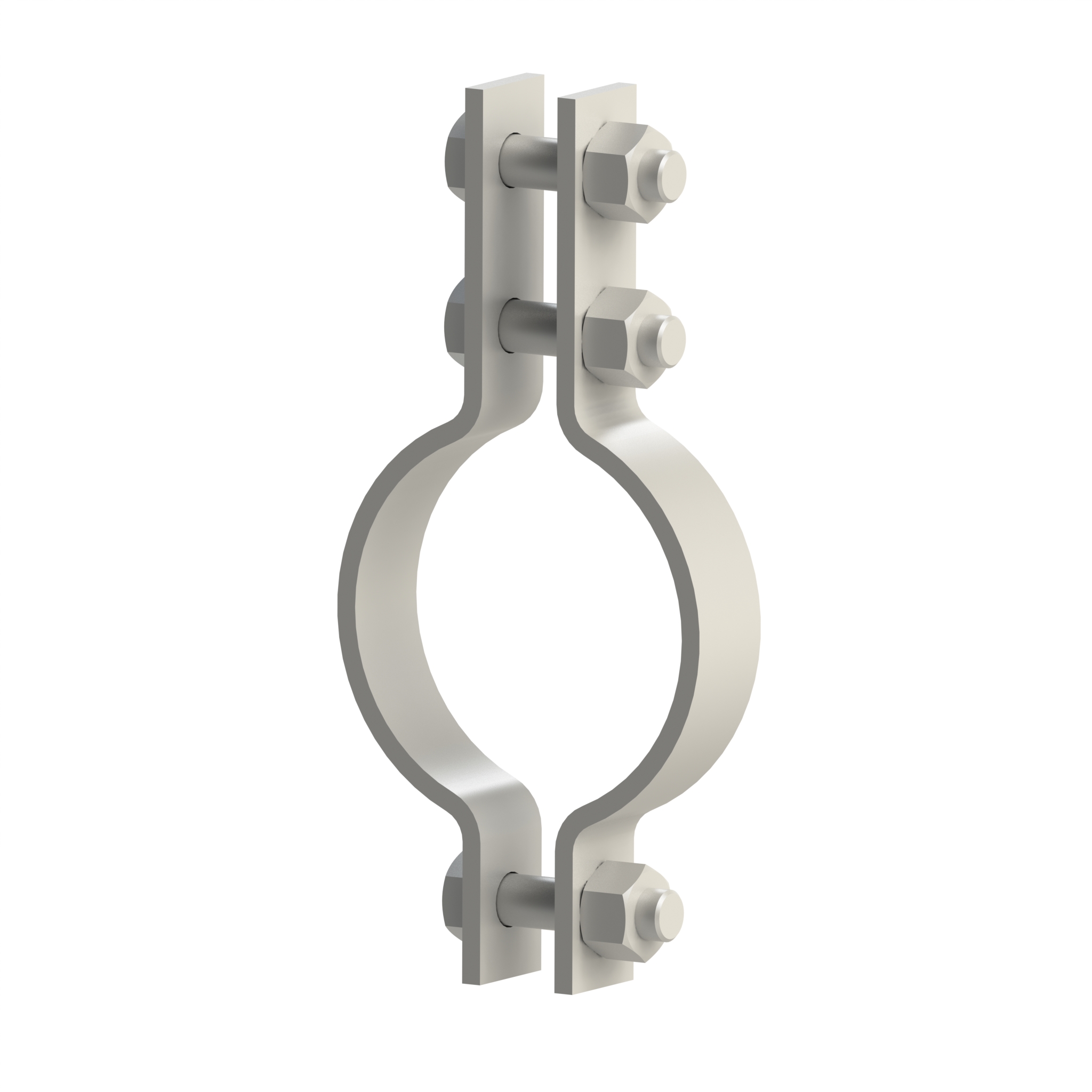 BG75
BG75HEAVY DUTY 3-BOLT PIPE CLAMP
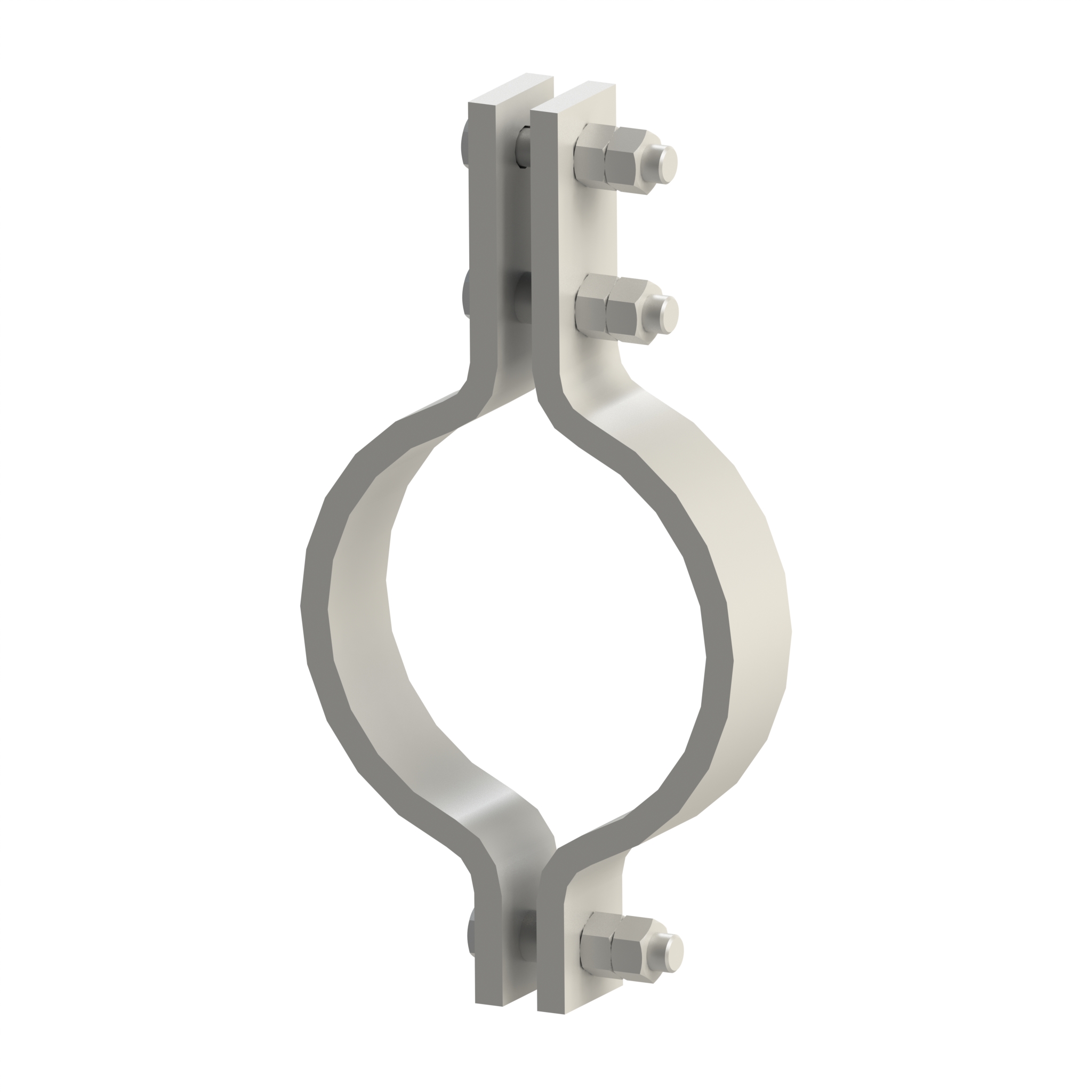 BG172
BG172HIGH TEMPERATURE 3-BOLT PIPE CLAMP
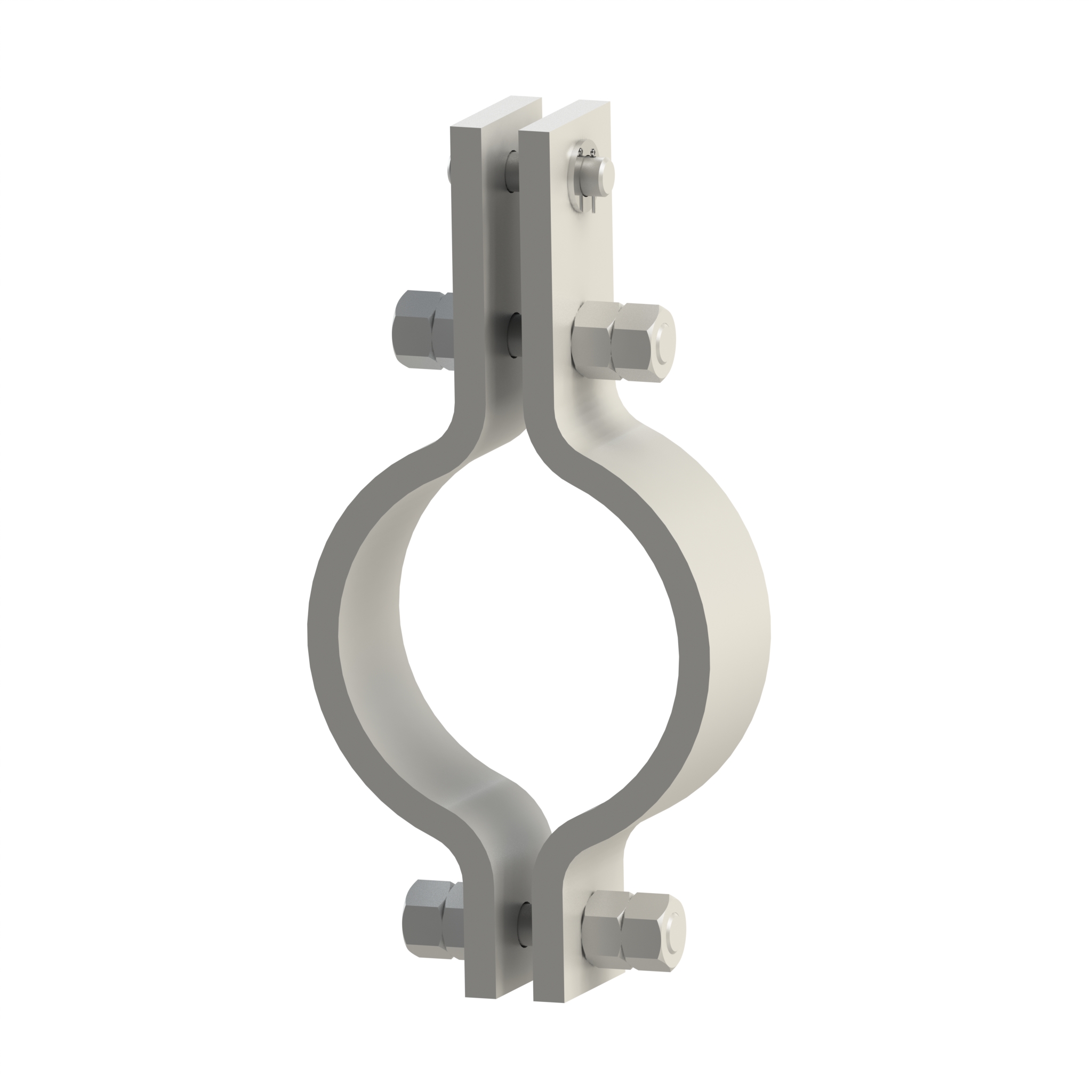 BG173
BG173ALLOY PIPE CLAMP - VERY HIGH TEMPERATURE
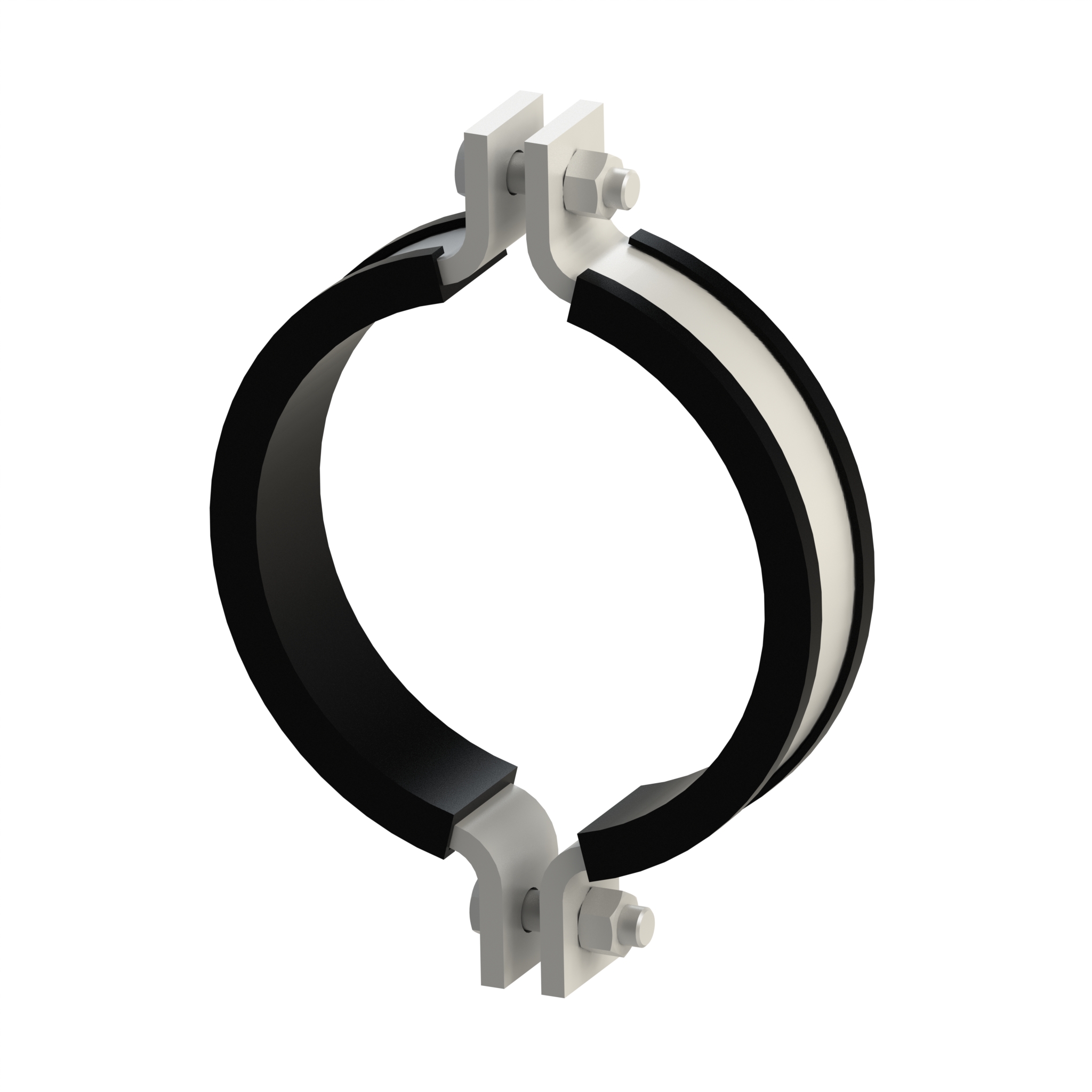 BG140
BG140INSULATED 2-BOLT PIPE CLAMP
BG141INSULATED 2-BOLT PIPE CLAMP FOR CU/NI
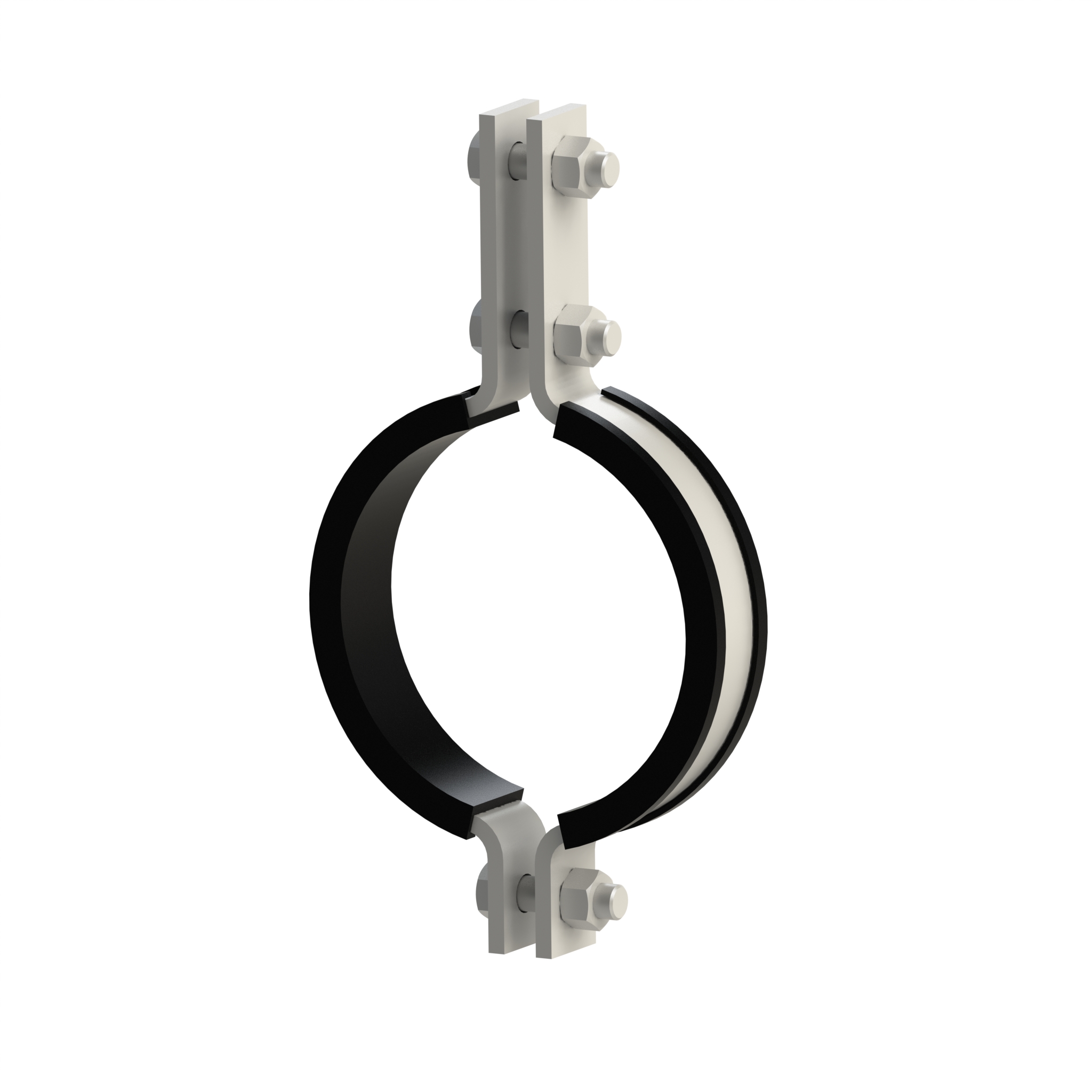 BG145
BG145INSULATED 3-BOLT PIPE CLAMP
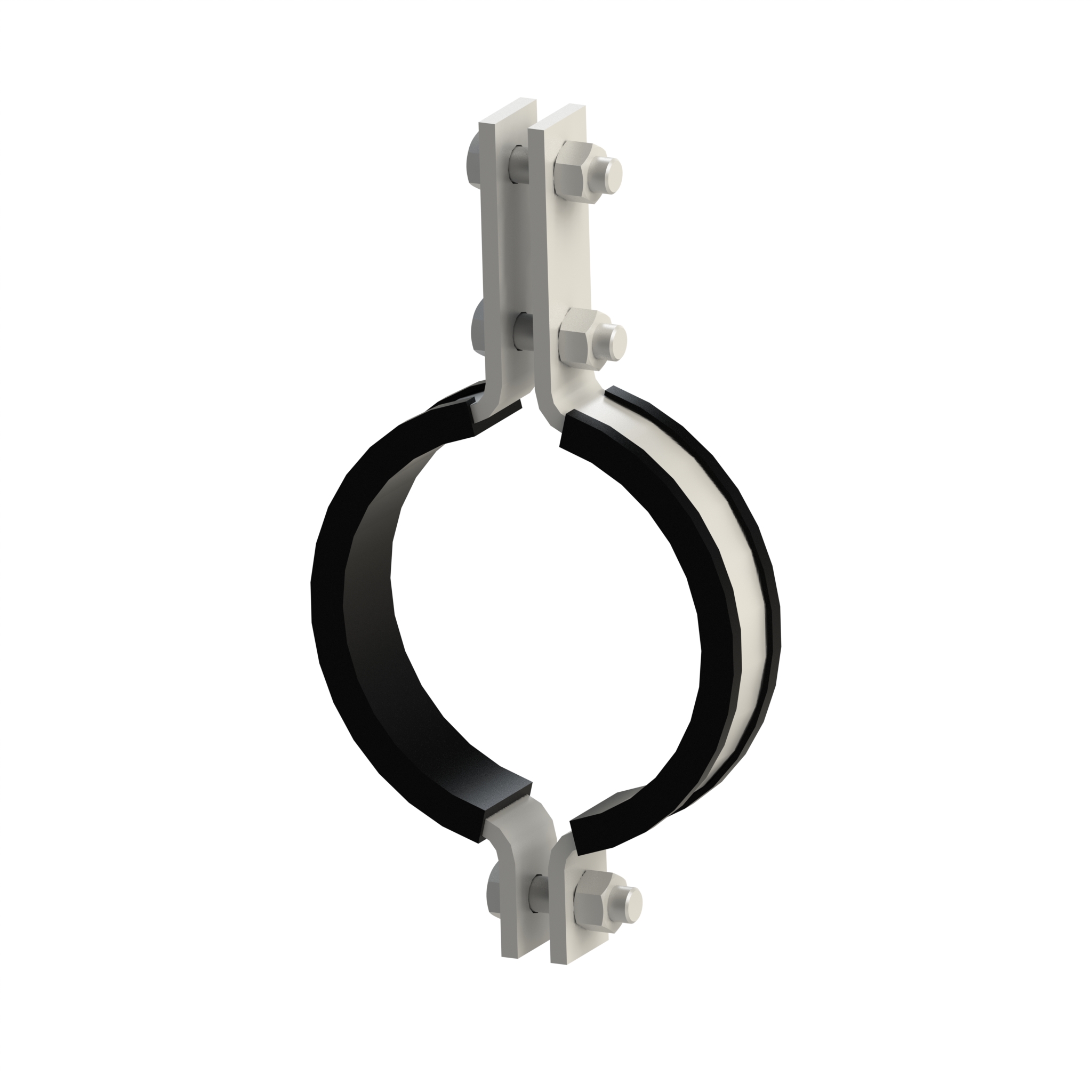 BG146
BG146INSULATED 3-BOLT PIPE CLAMP FOR CU/NI
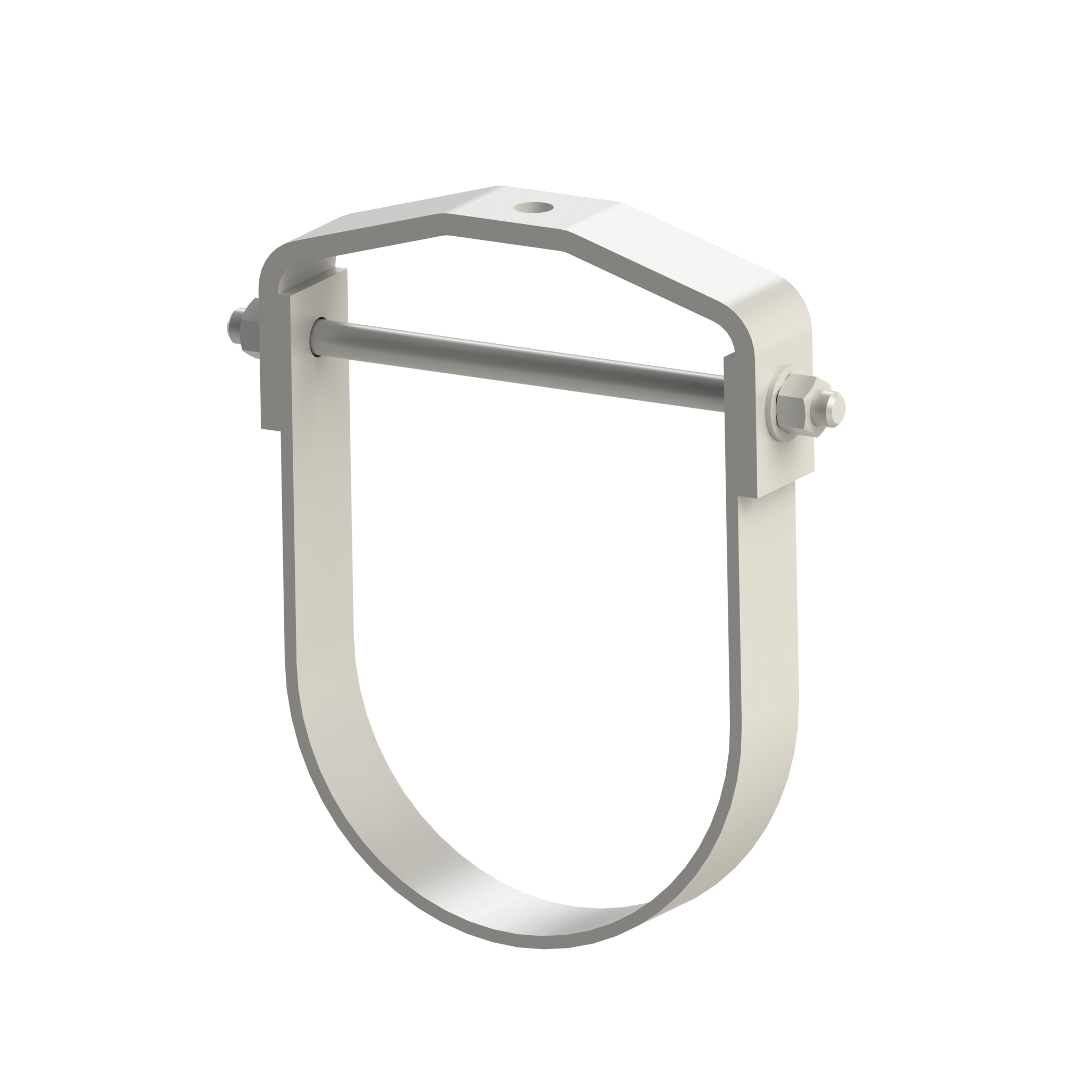 BG108
BG108CLEVIS CLAMP
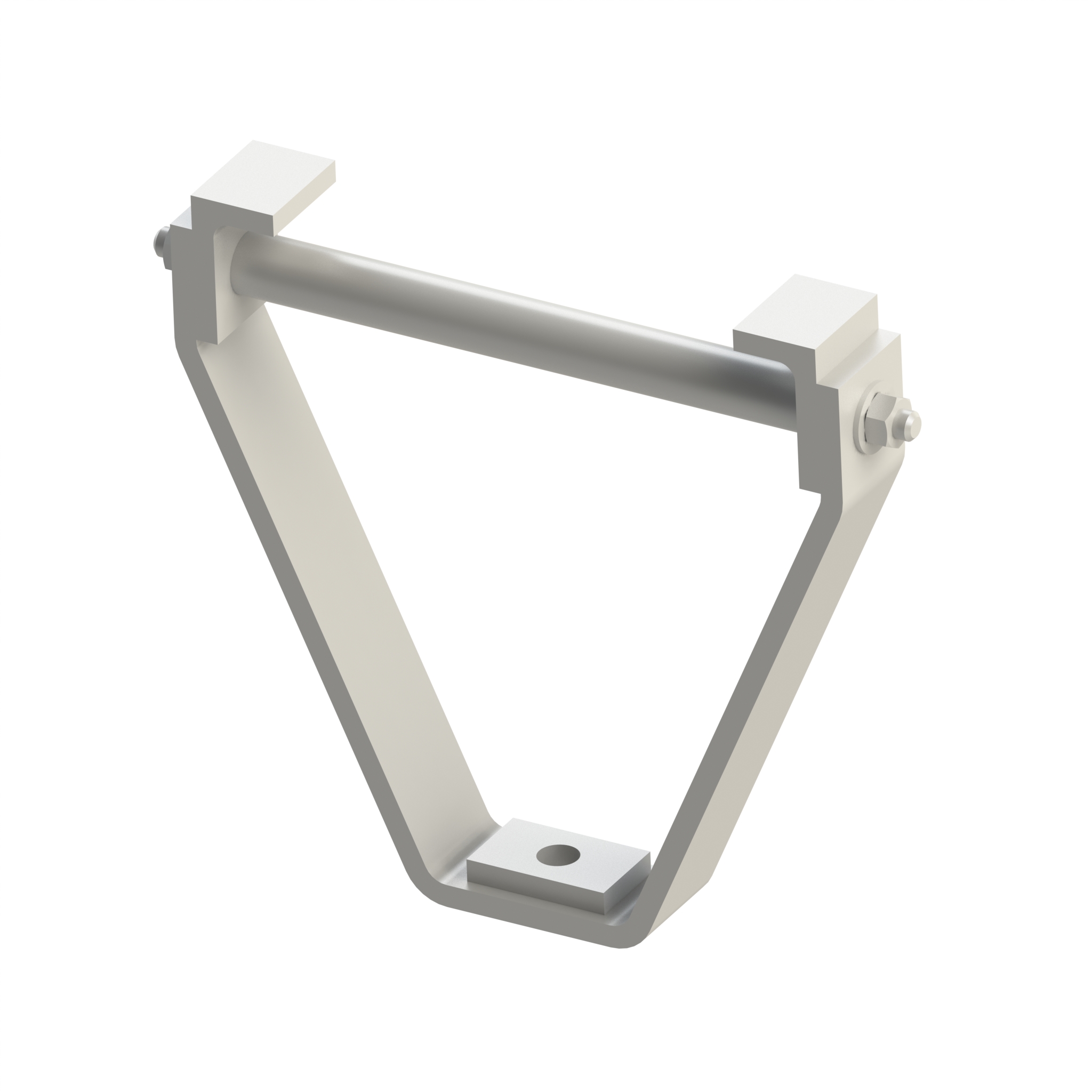 BG222
BG222BEAM CLAMP
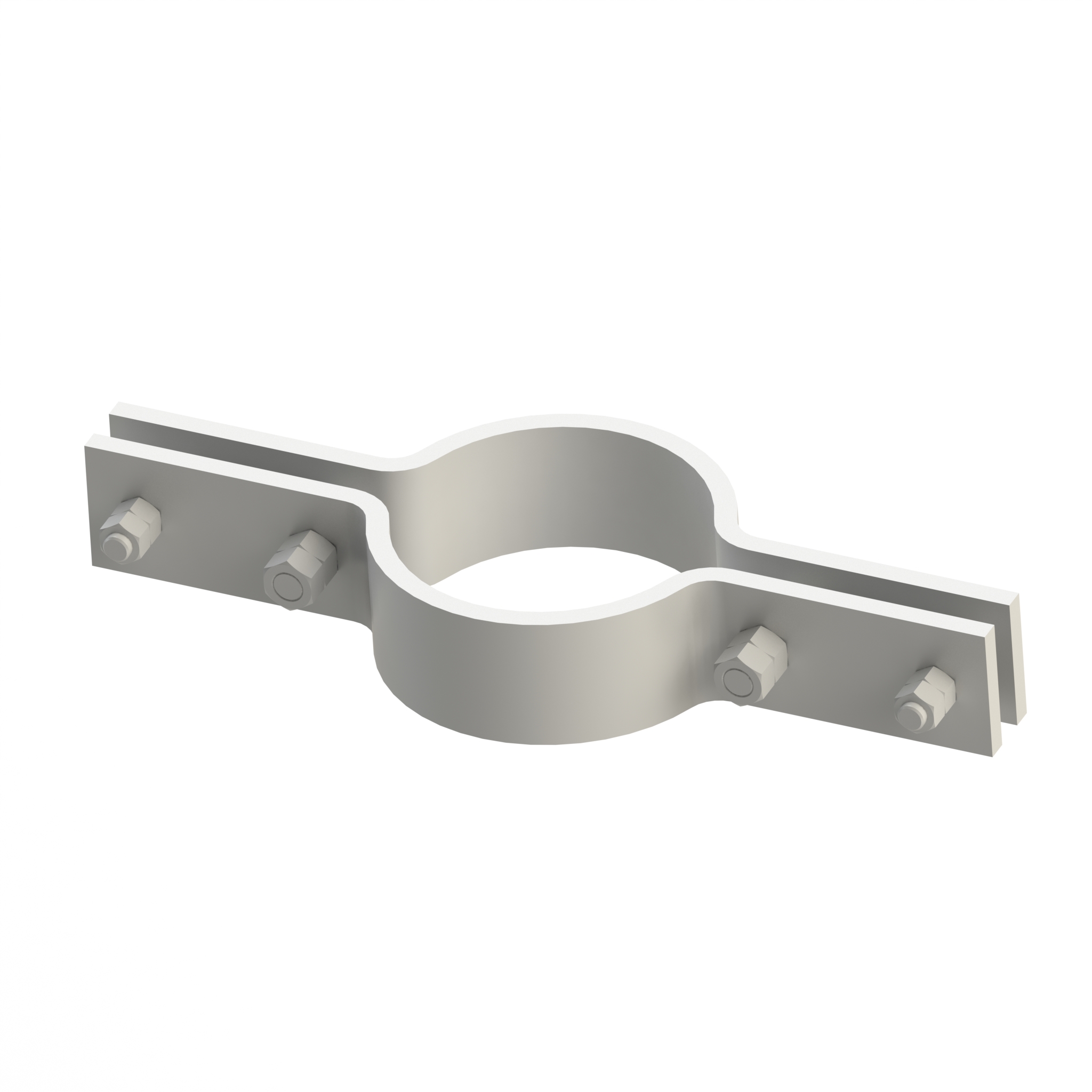 BG174
BG174RISER SUPPORT – STD TEMPERATURE
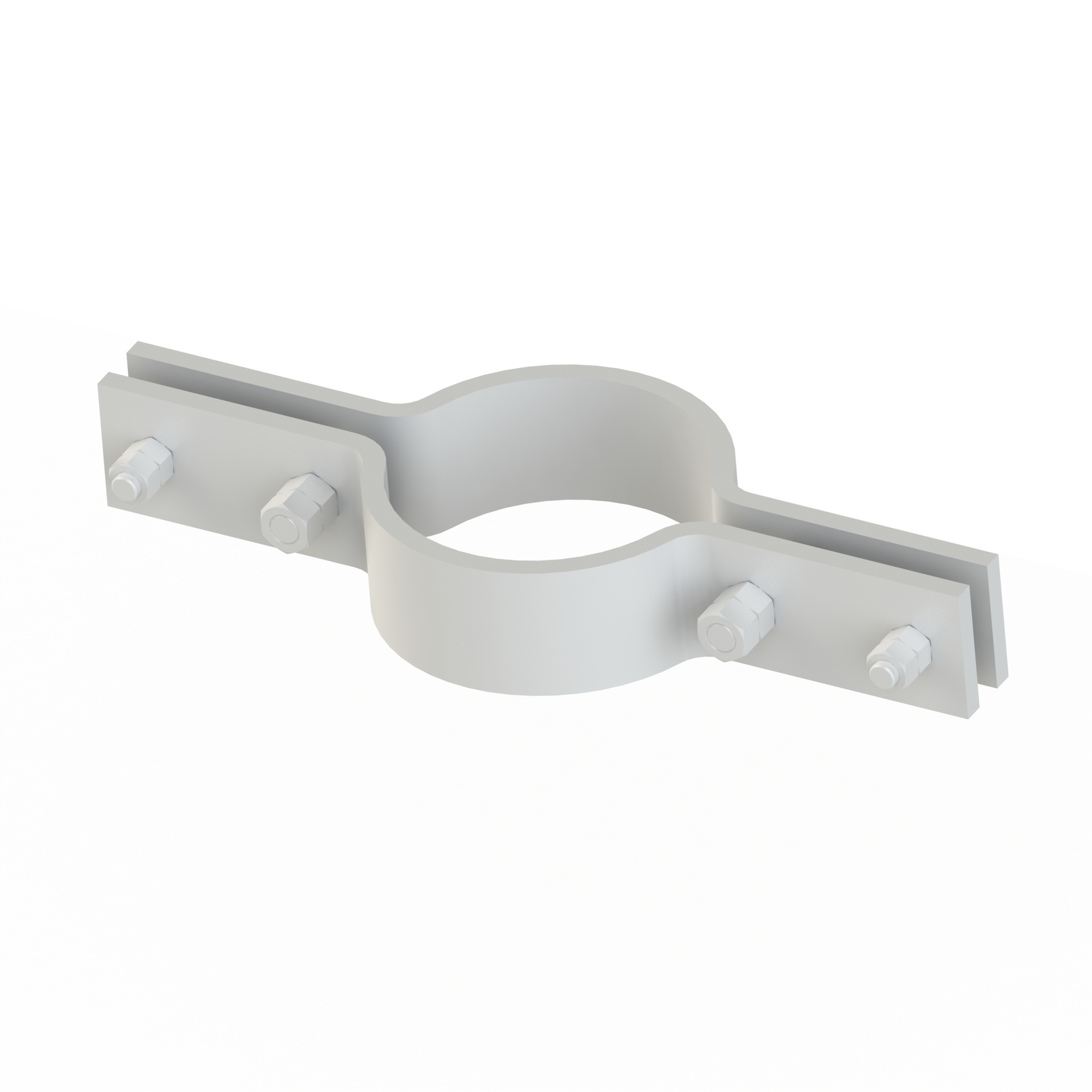 BG175
BG175RISER SUPPORT – HIGH TEMPERATURE
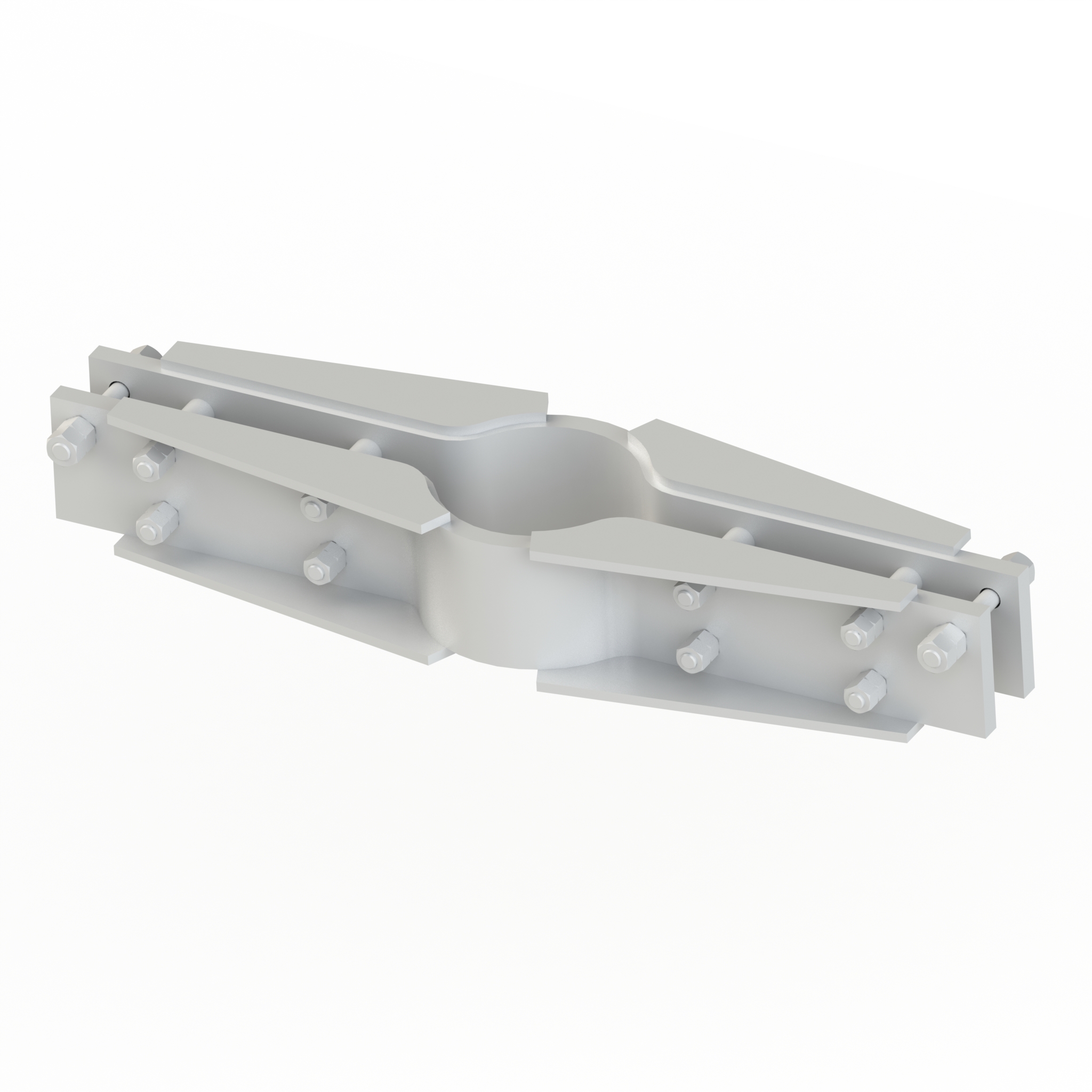 BG176
BG176ALLOY RISER SUPPORT - VERY HIGH TEMPERATURE
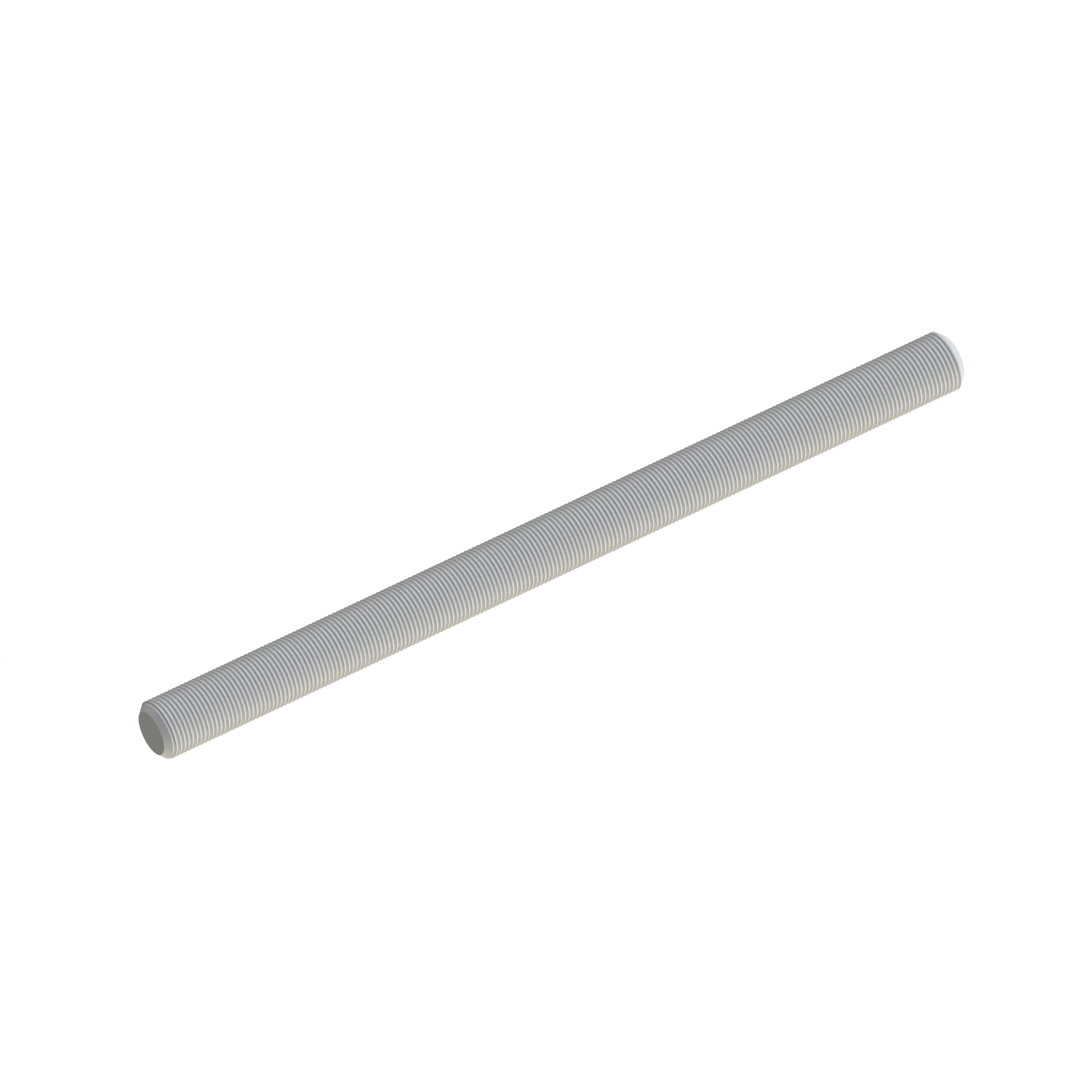 BG202
BG202ALLTHREAD ROD
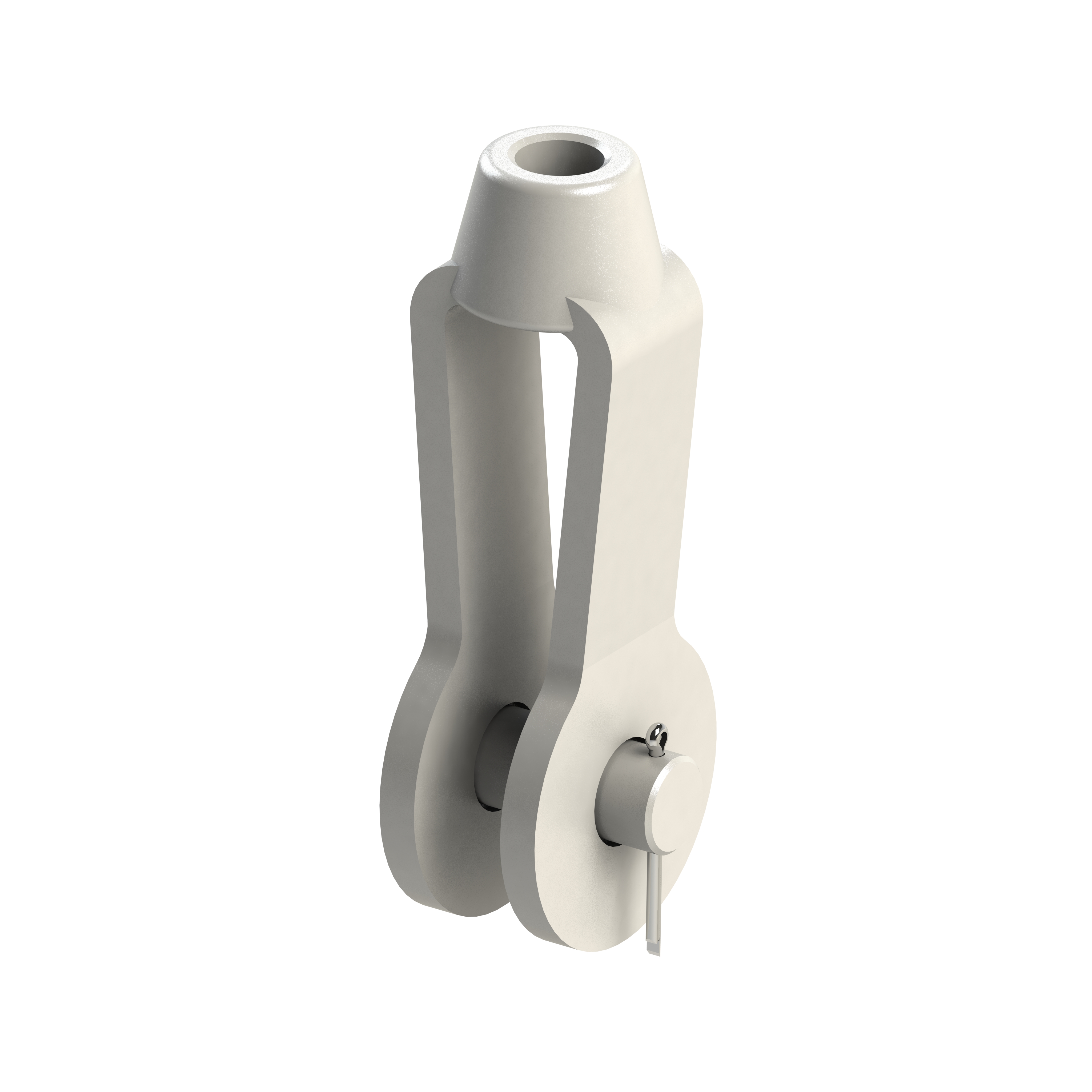 BG209
BG209FORGED CLEVIS AND PIN
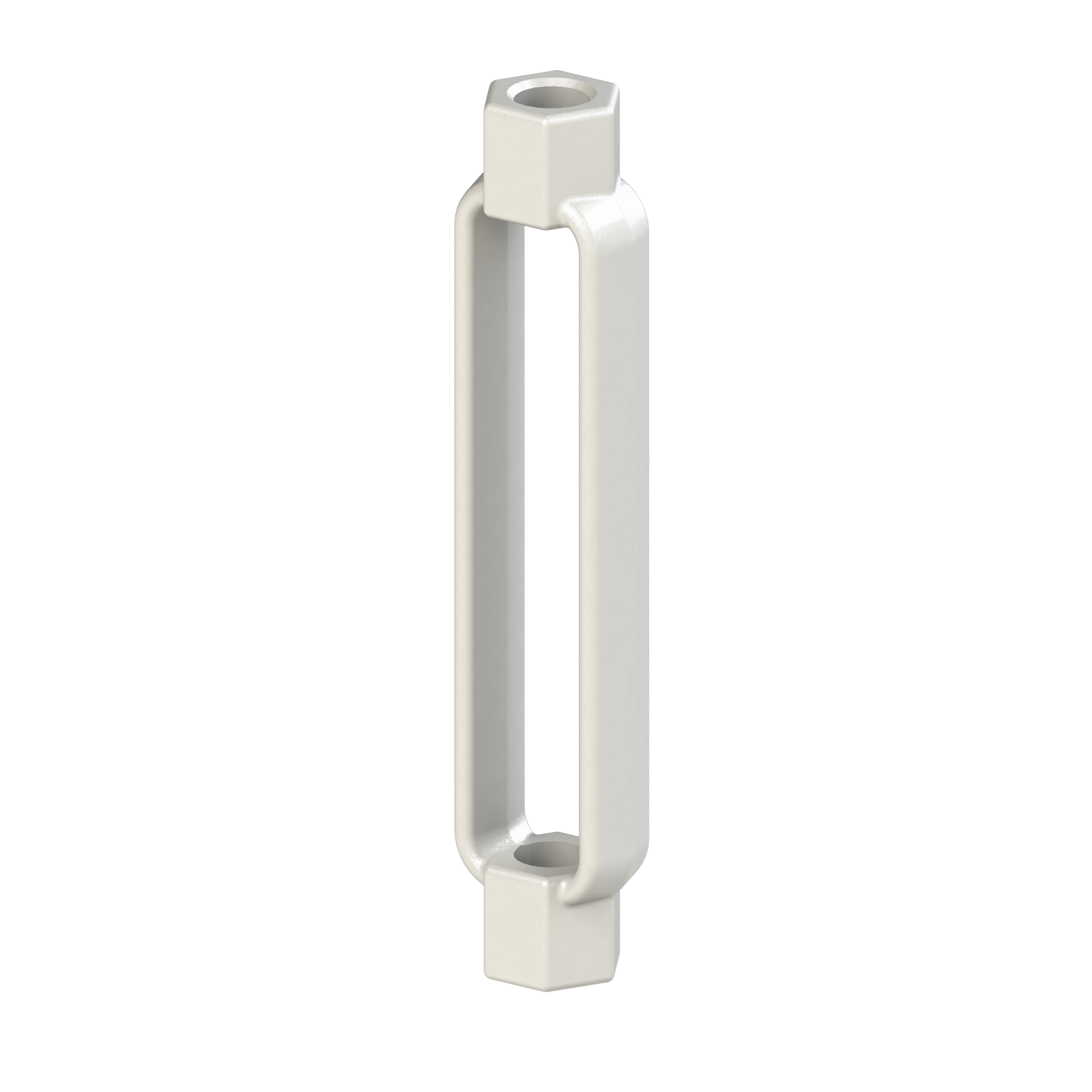 BG210
BG210FORGED TURNBUCKLE
 BG204
BG204FORGED WELDLESS EYE NUT
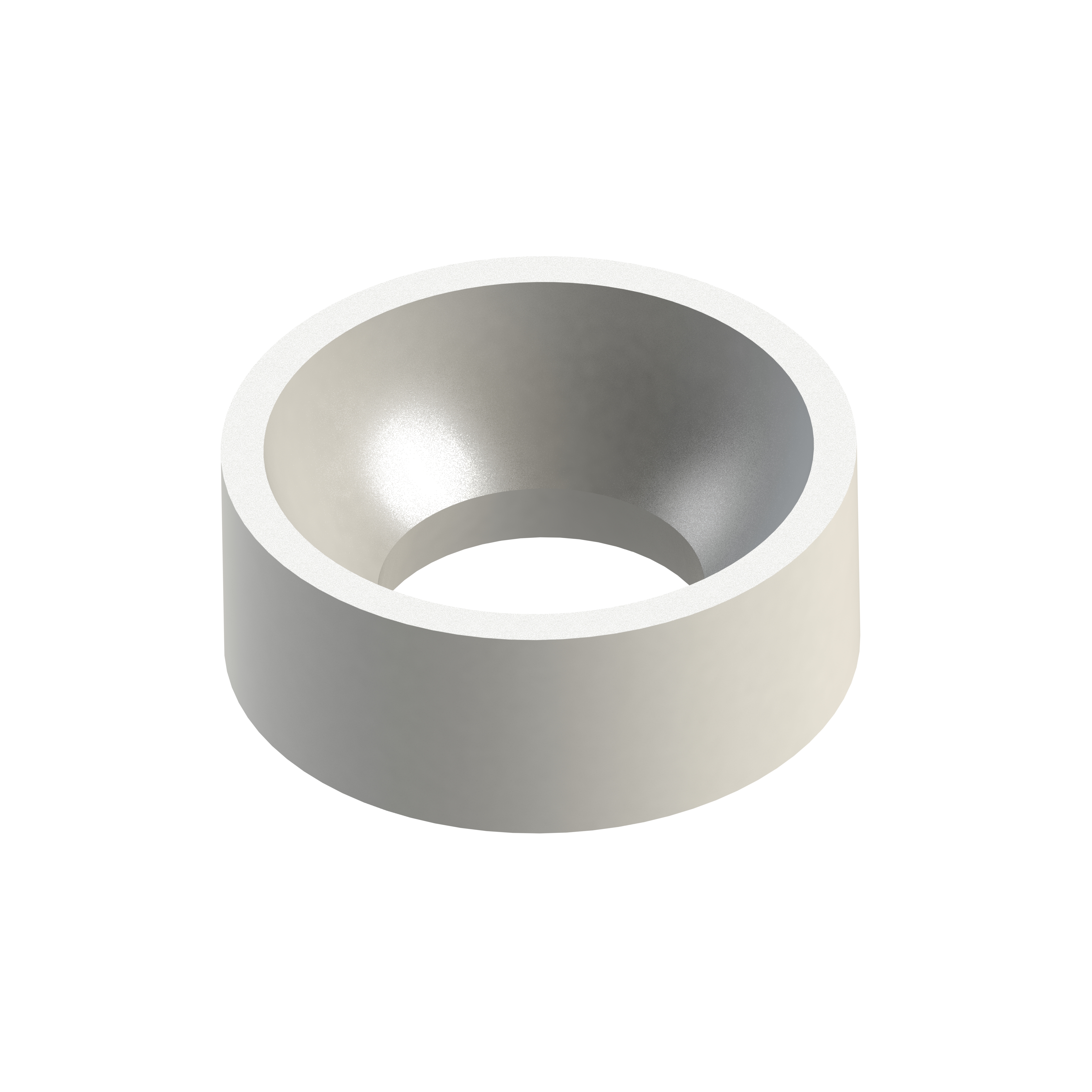 BG215
BG215HEMISPHERICAL CUP
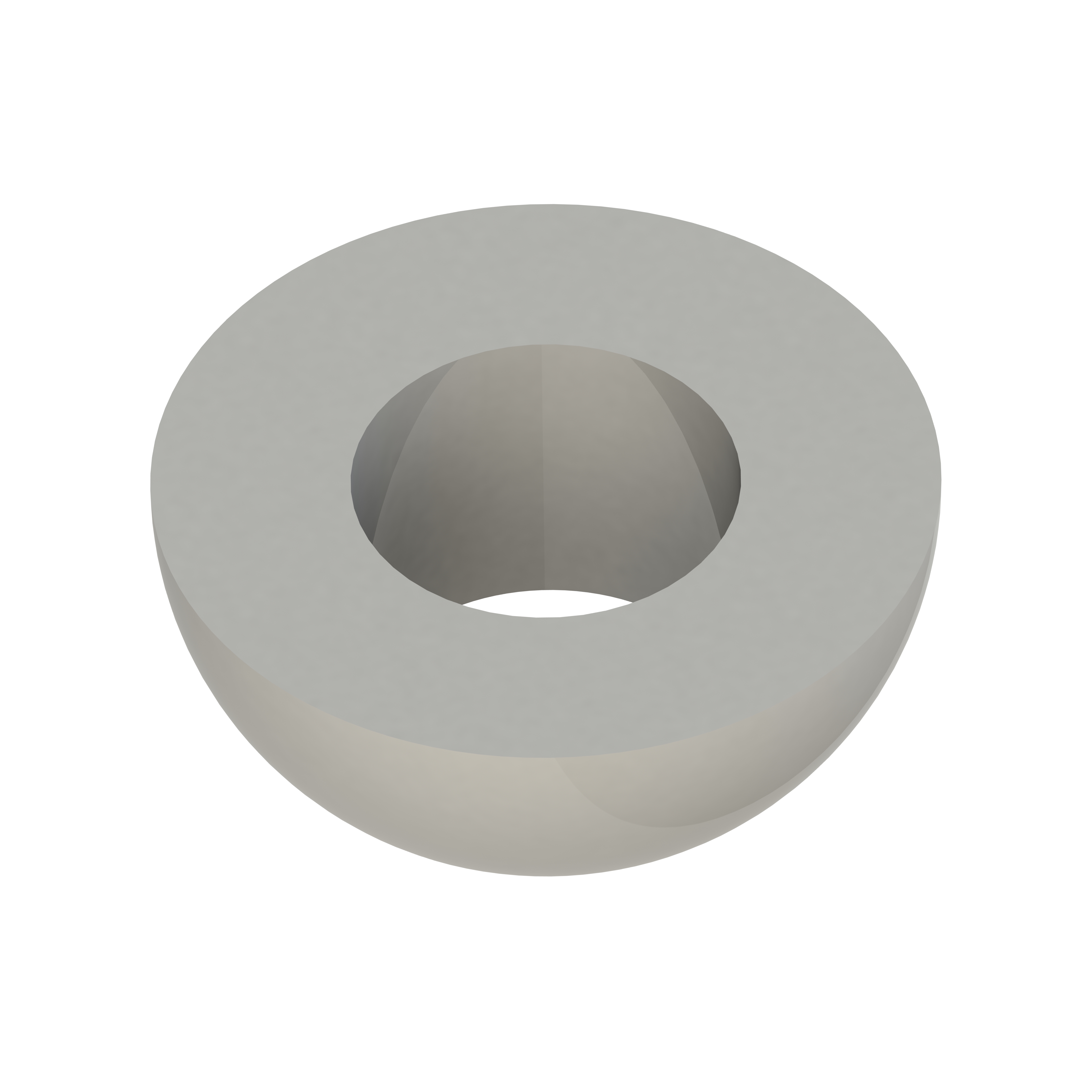 BG214
BG214HEMISPHERICAL WASHER
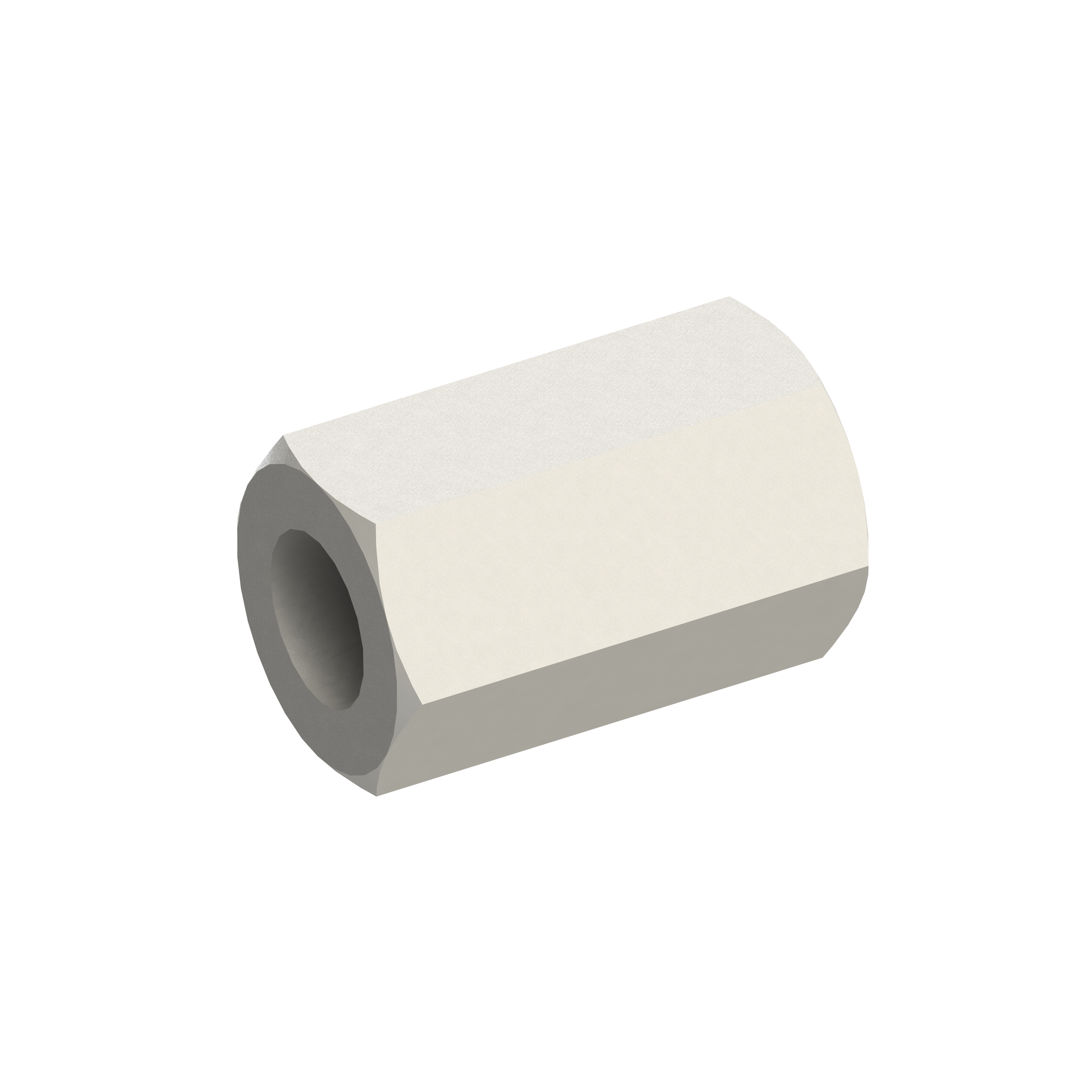 BG206
BG206HEXAGONAL CONNECTOR
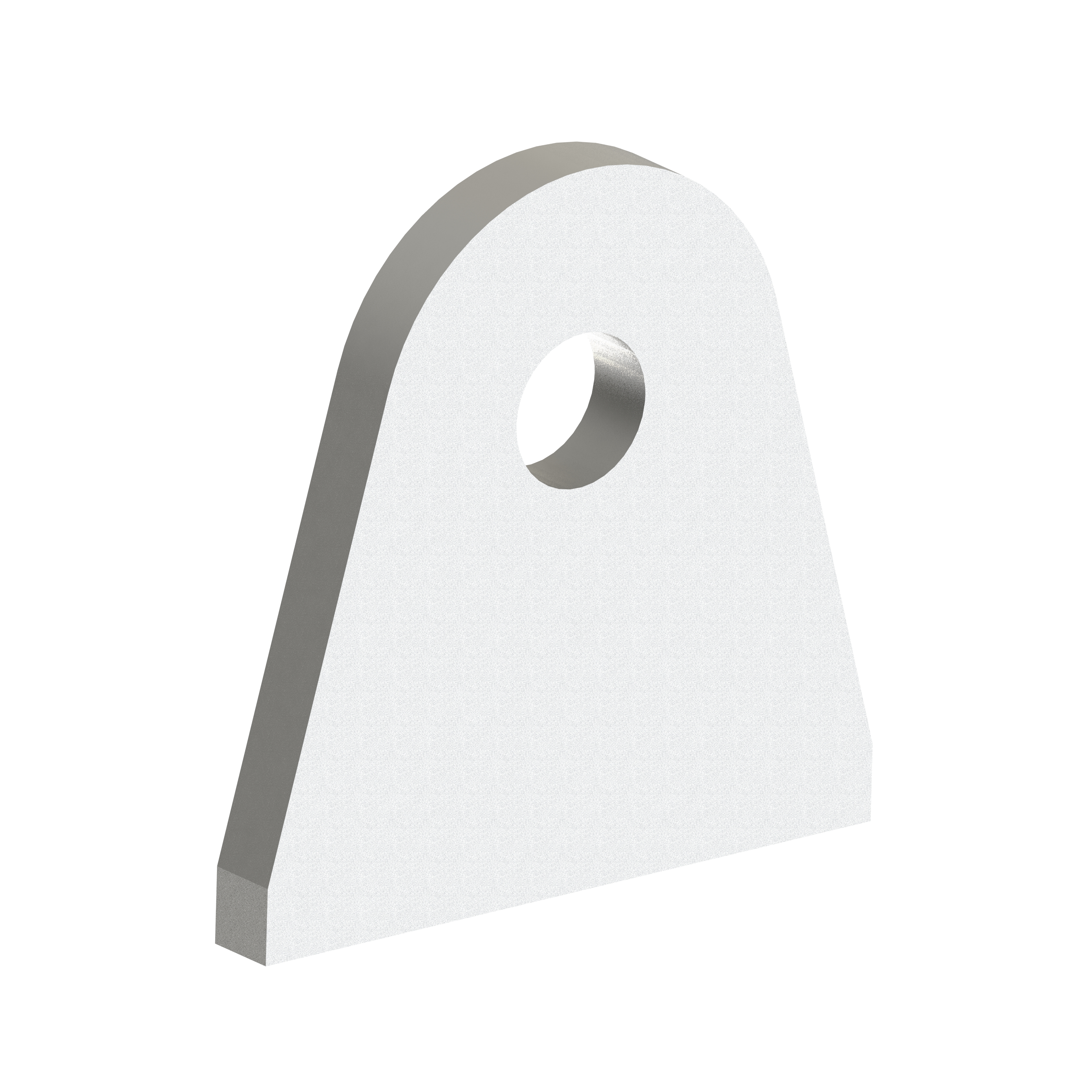 BG216
BG216PIPE WELDING LUG
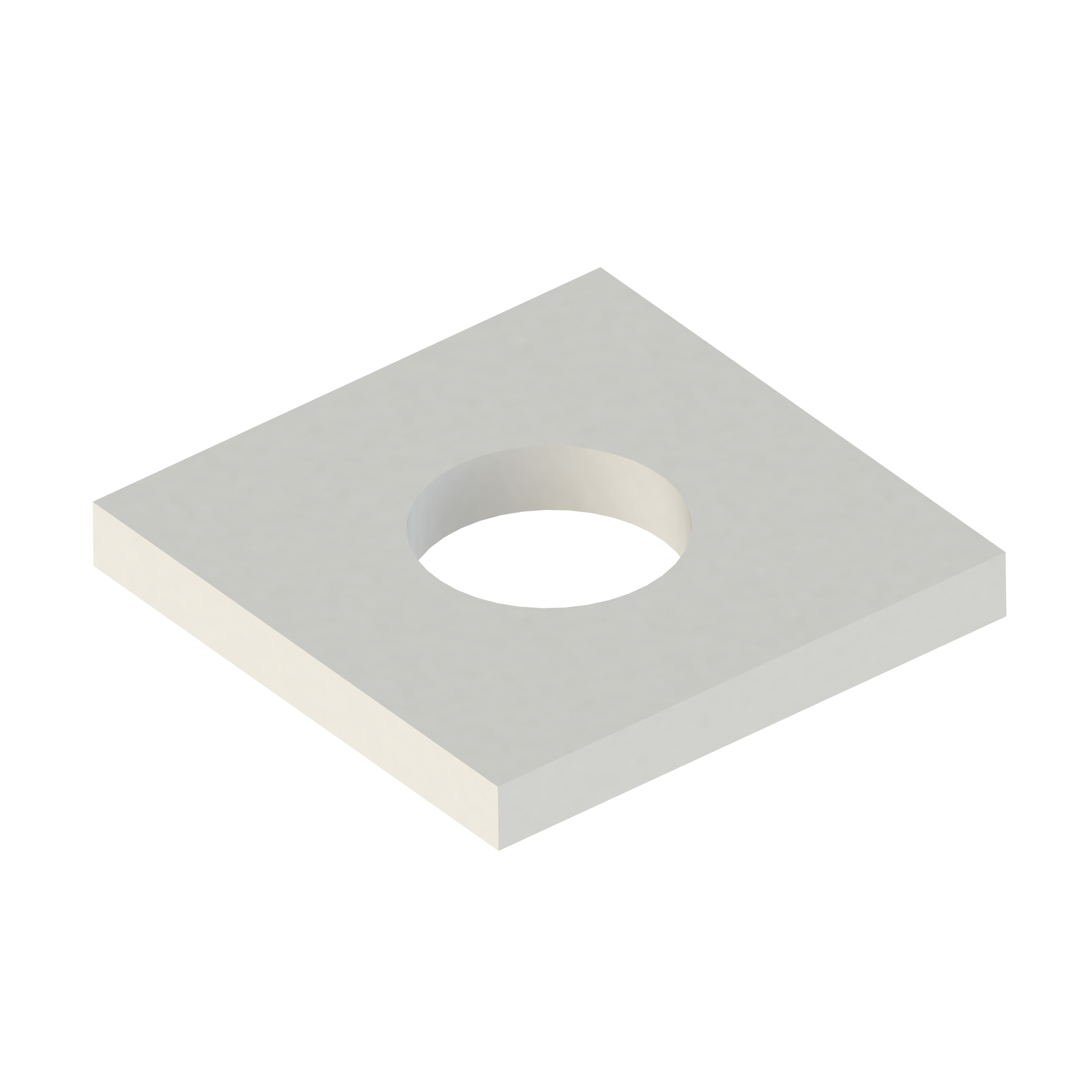 BG217
BG217PLATE WASHER
 BG207
BG207SPADE NUT
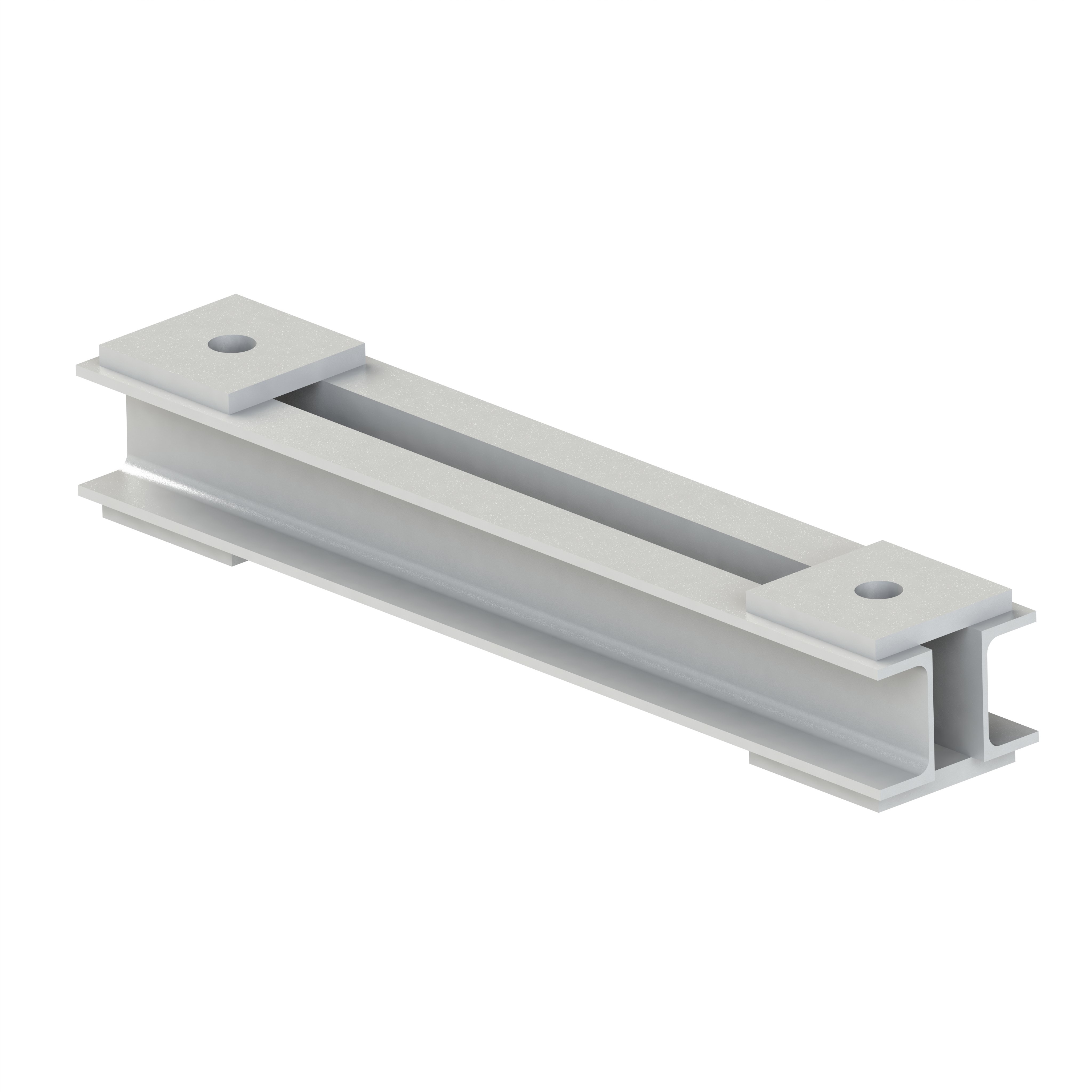 BG245
BG245STANDARD TRAPEZE
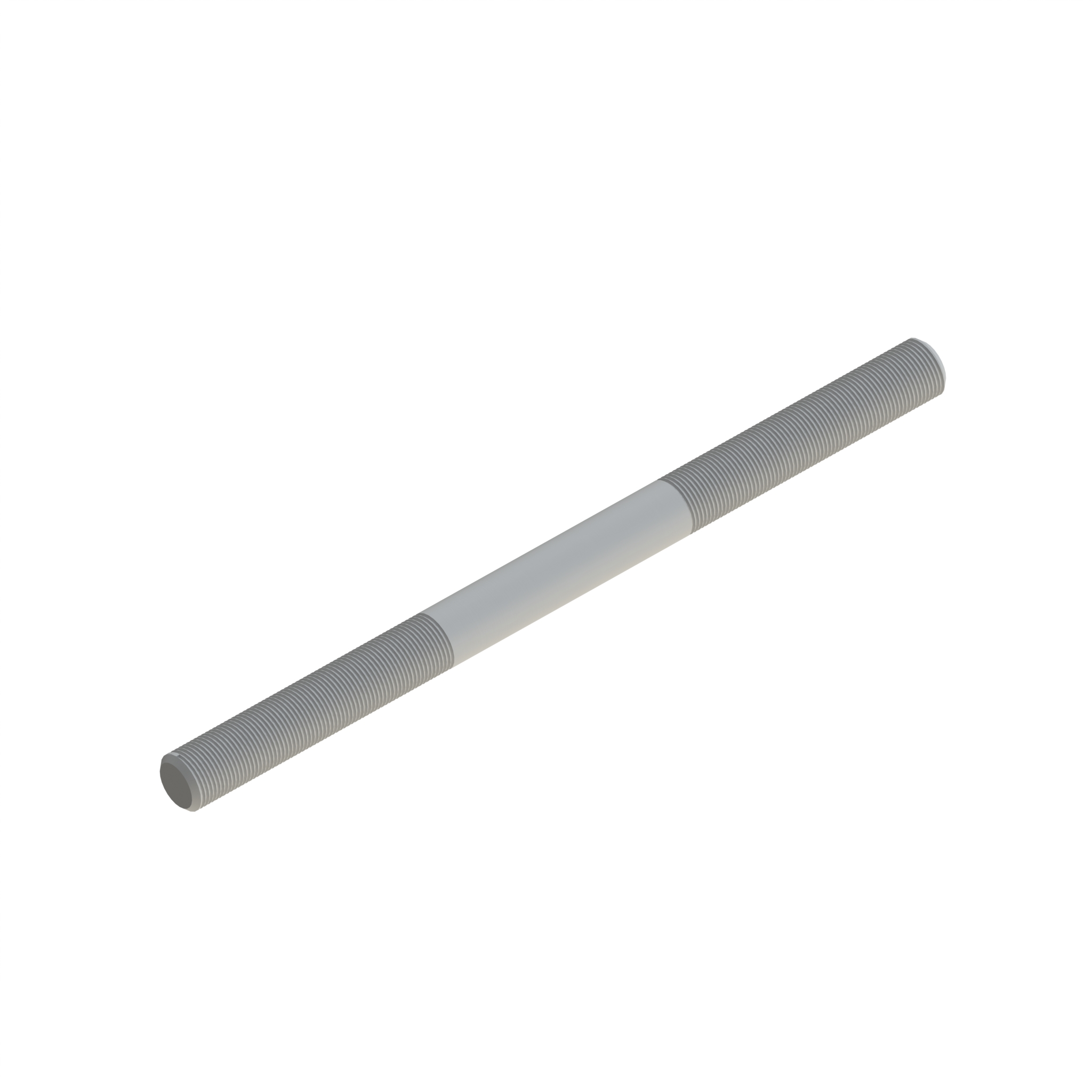 BG203
BG203THREADED DROP ROD – RH/LH
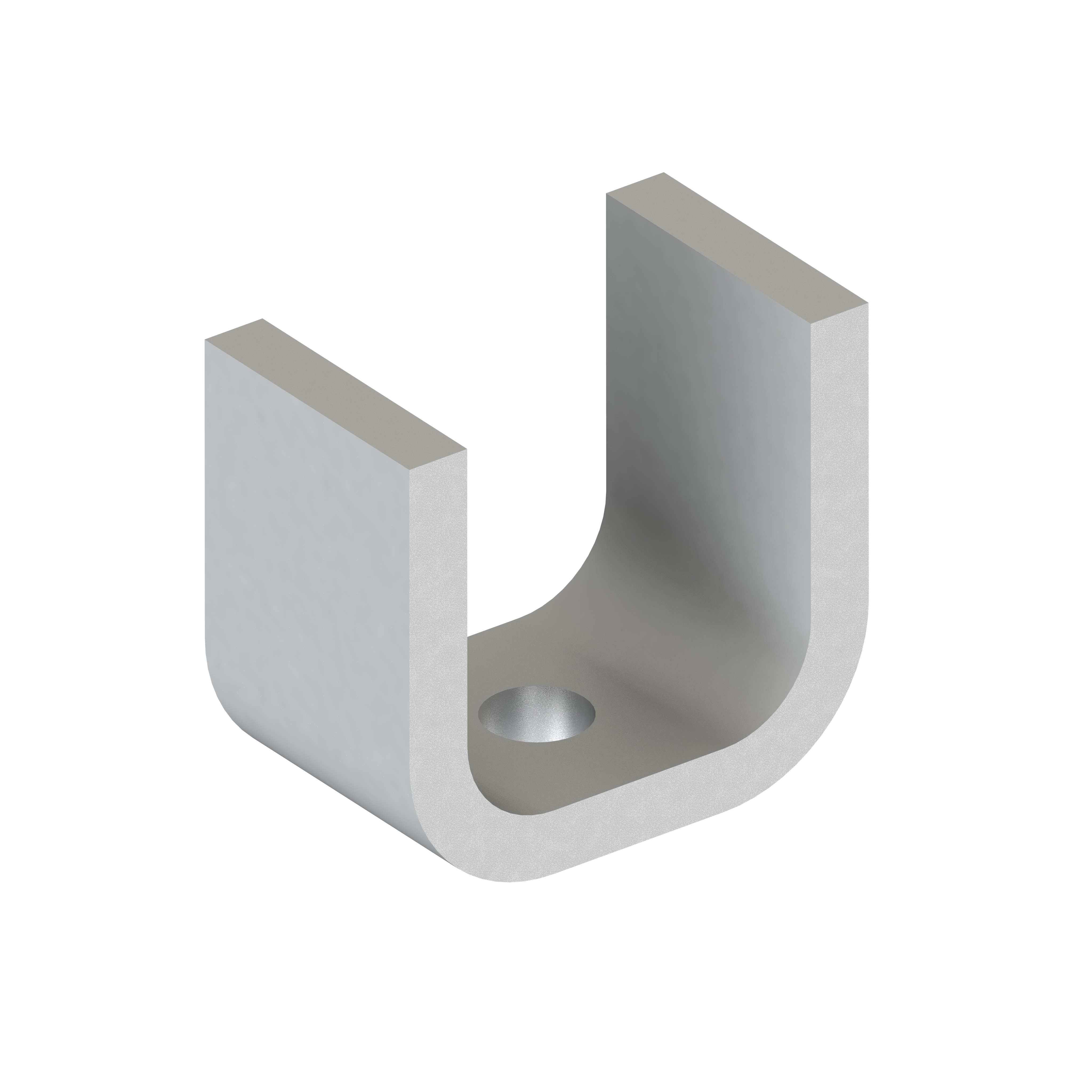 BG219
BG219WELDED BEAM ATTACHMENT
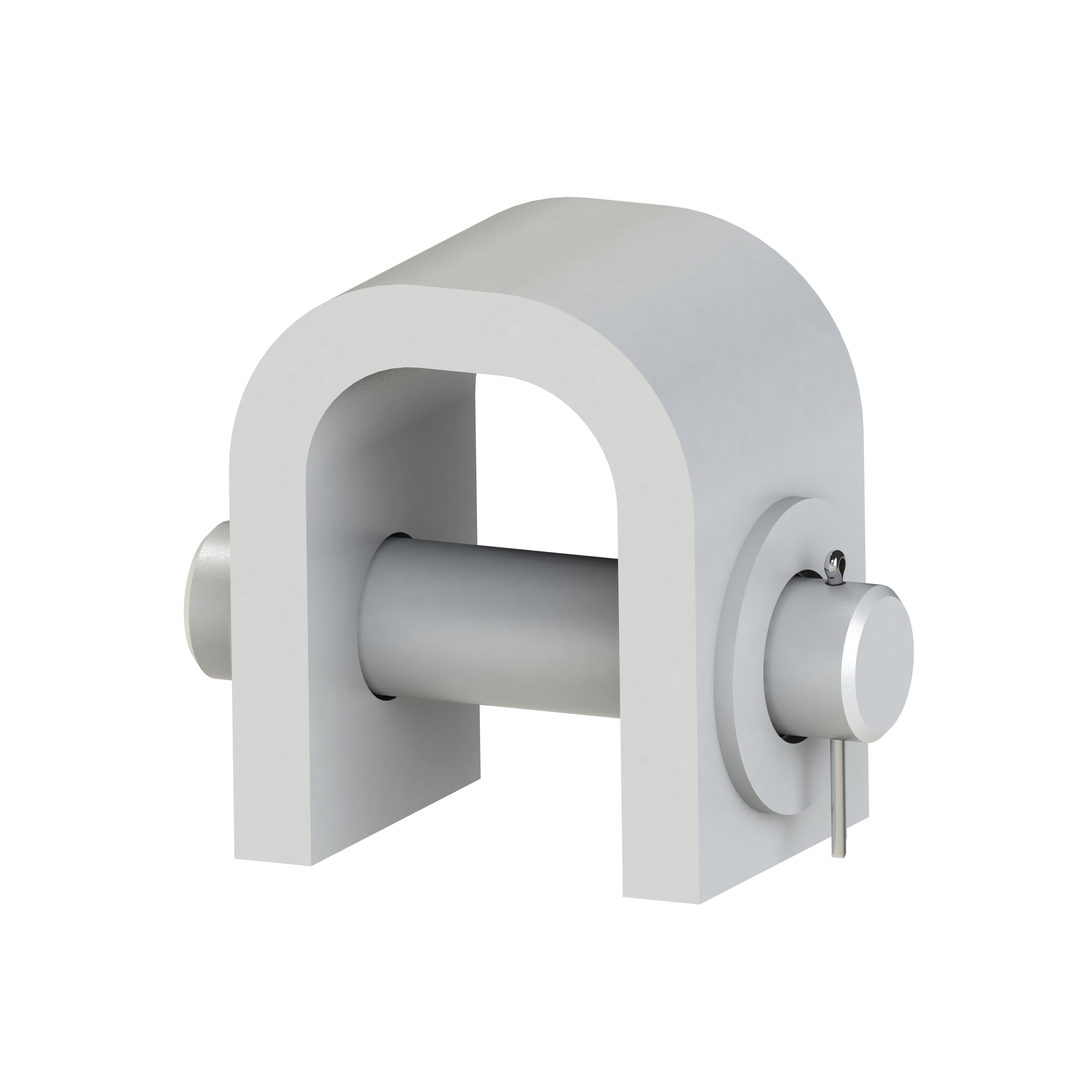 BG220
BG220WELDED BEAM ATTACHMENT (WITH LOAD PIN)
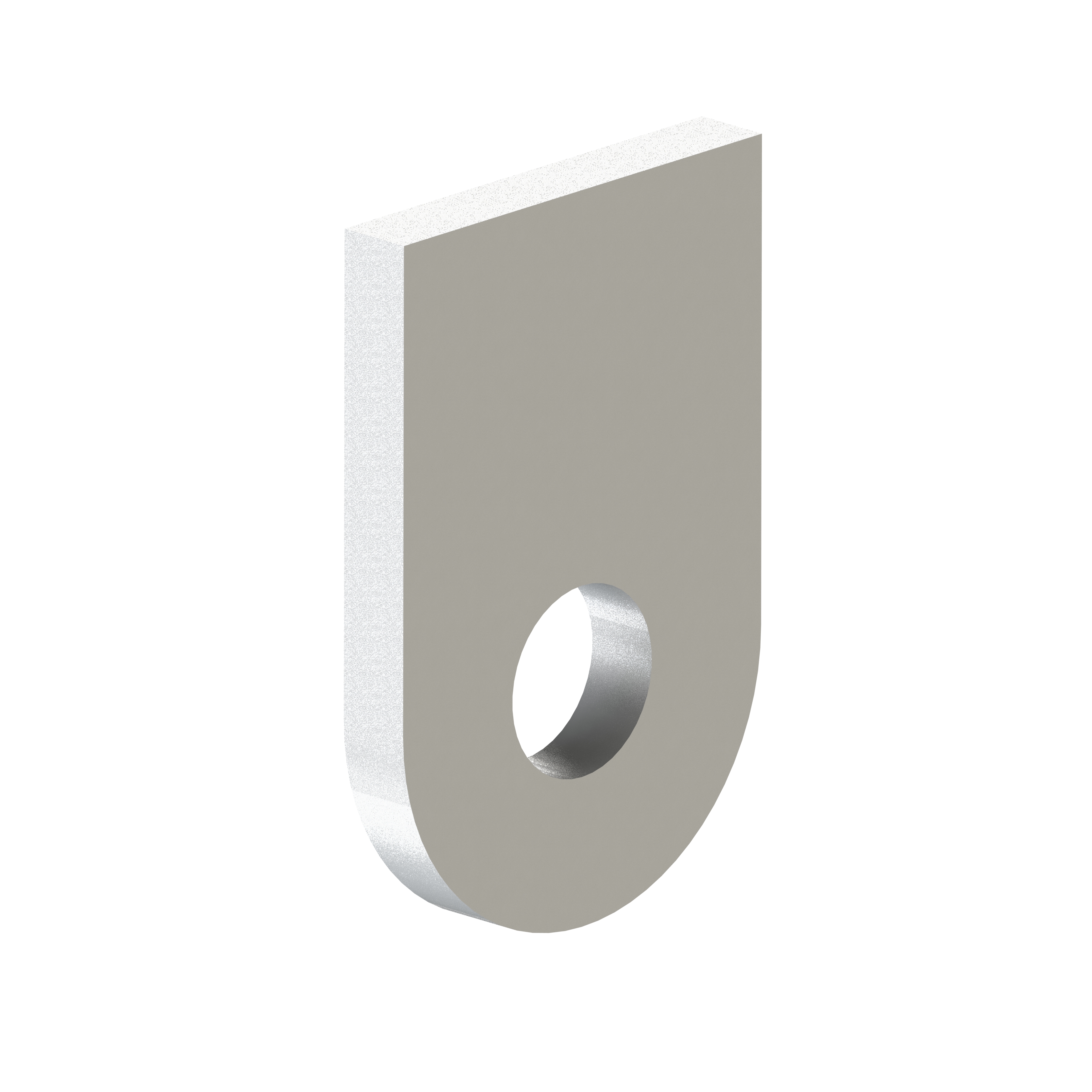 BG225
BG225WELDING LUG
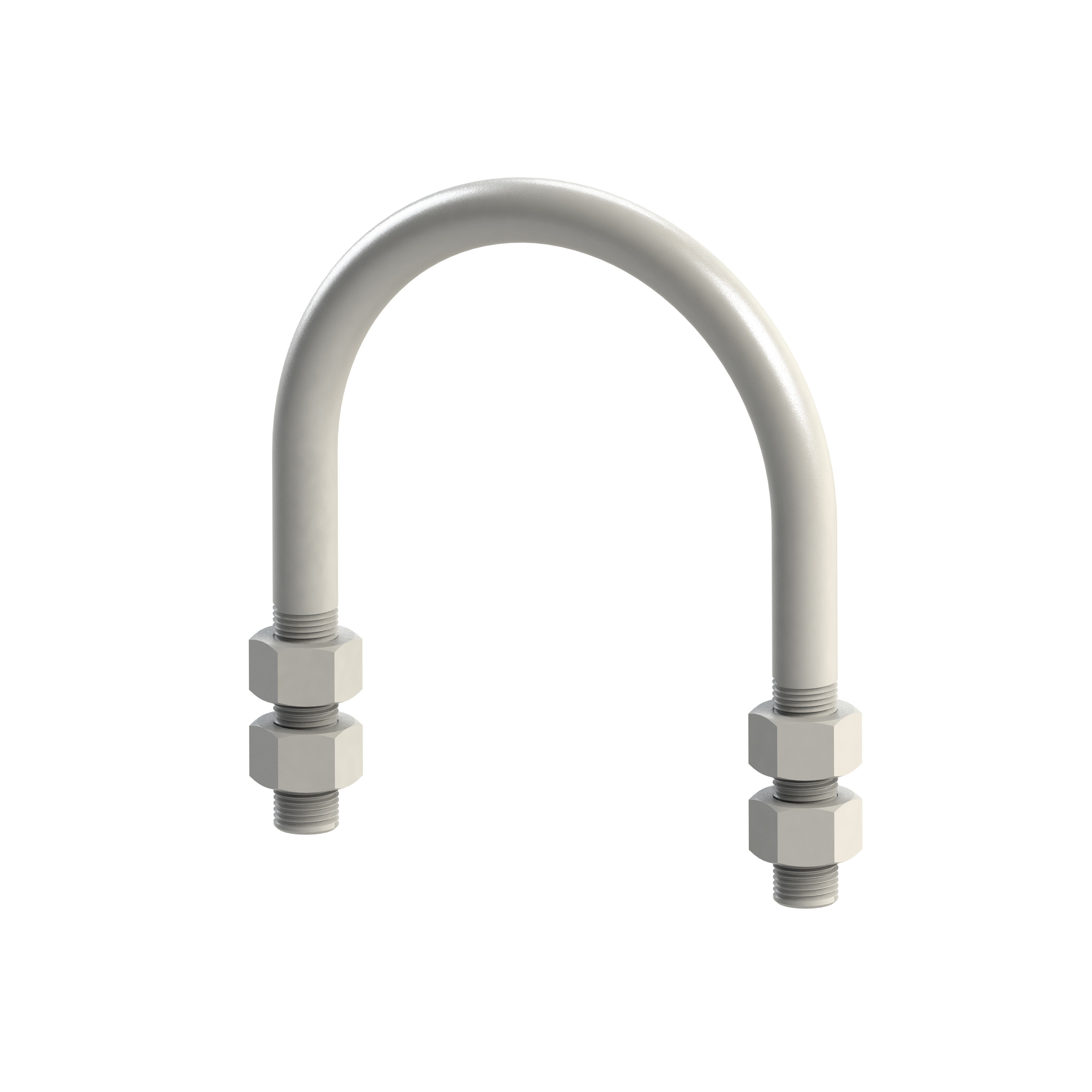 BG180
BG180U-BOLT GUIDE
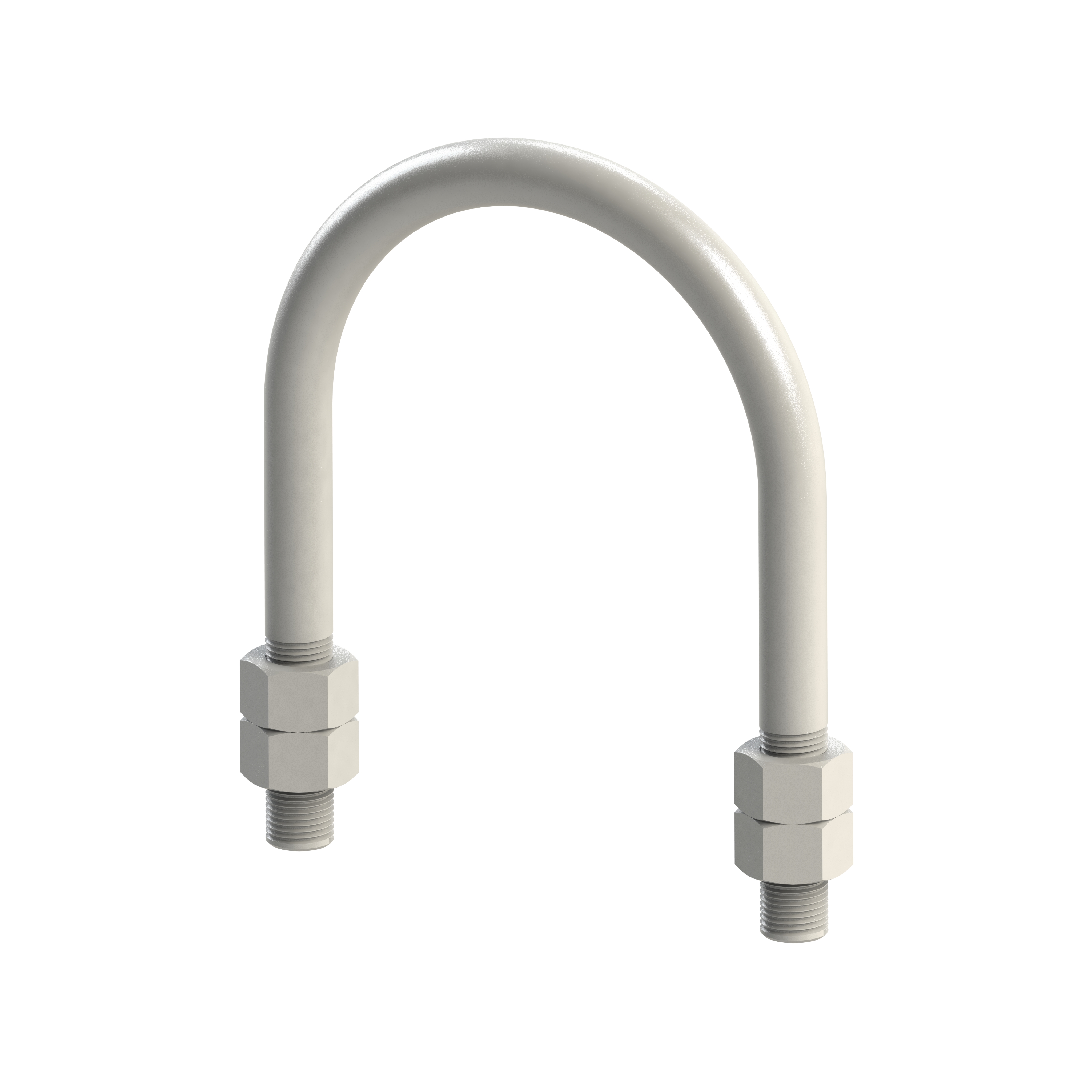 BG181
BG181U-BOLT CLAMP
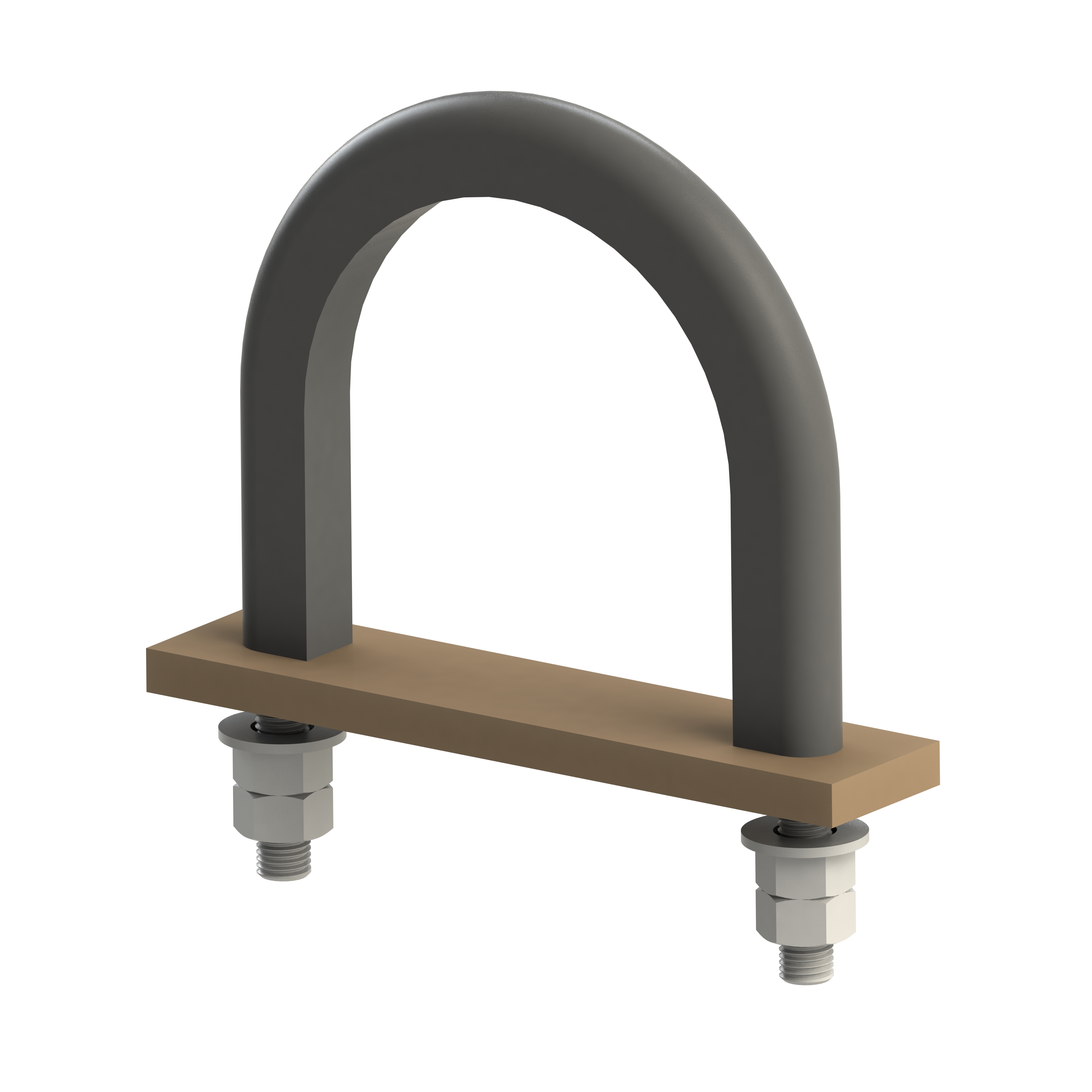 BG150
BG150INSULATED U-BOLT CLAMP
 BG152
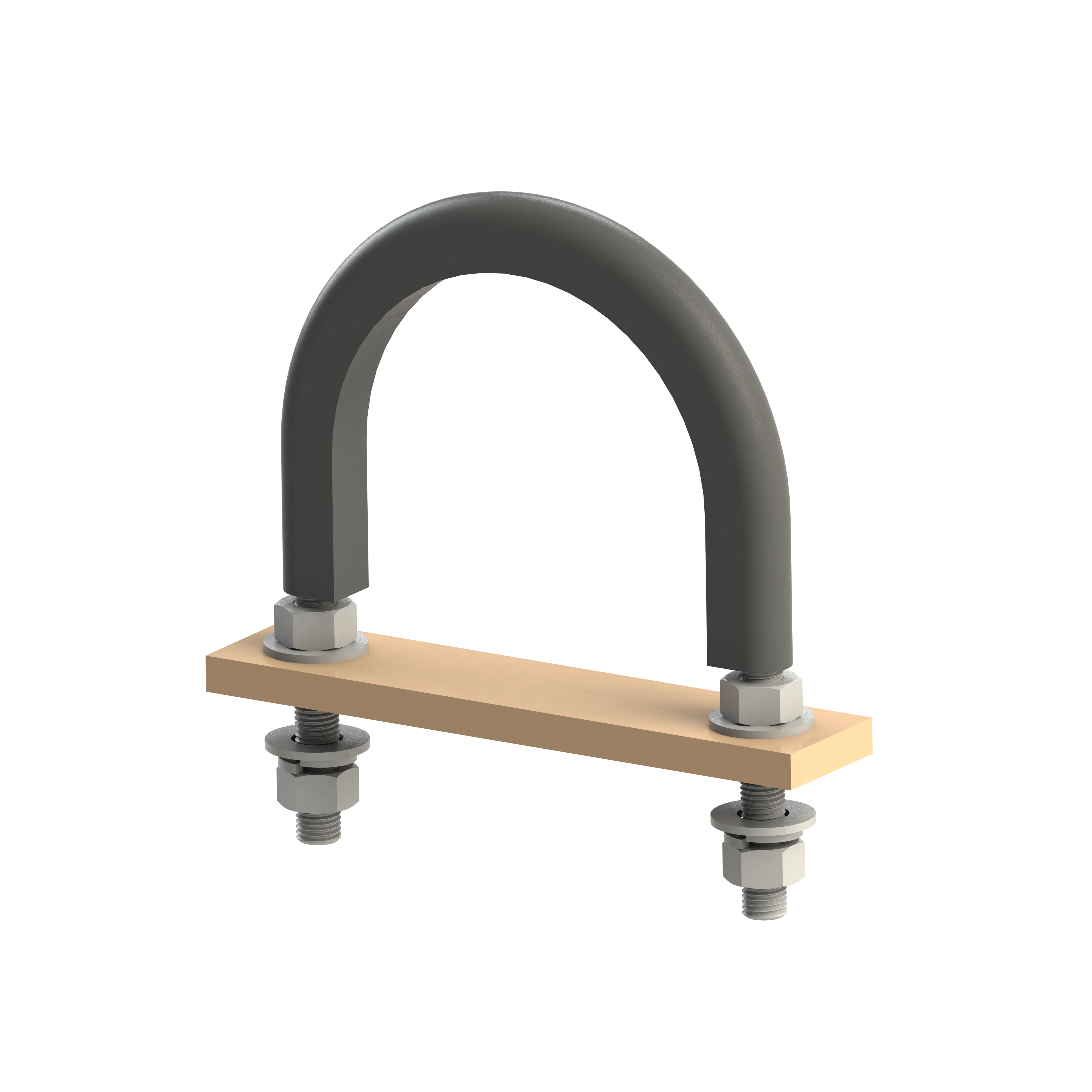
BG152INSULATED U-BOLT GUIDE
 BG154
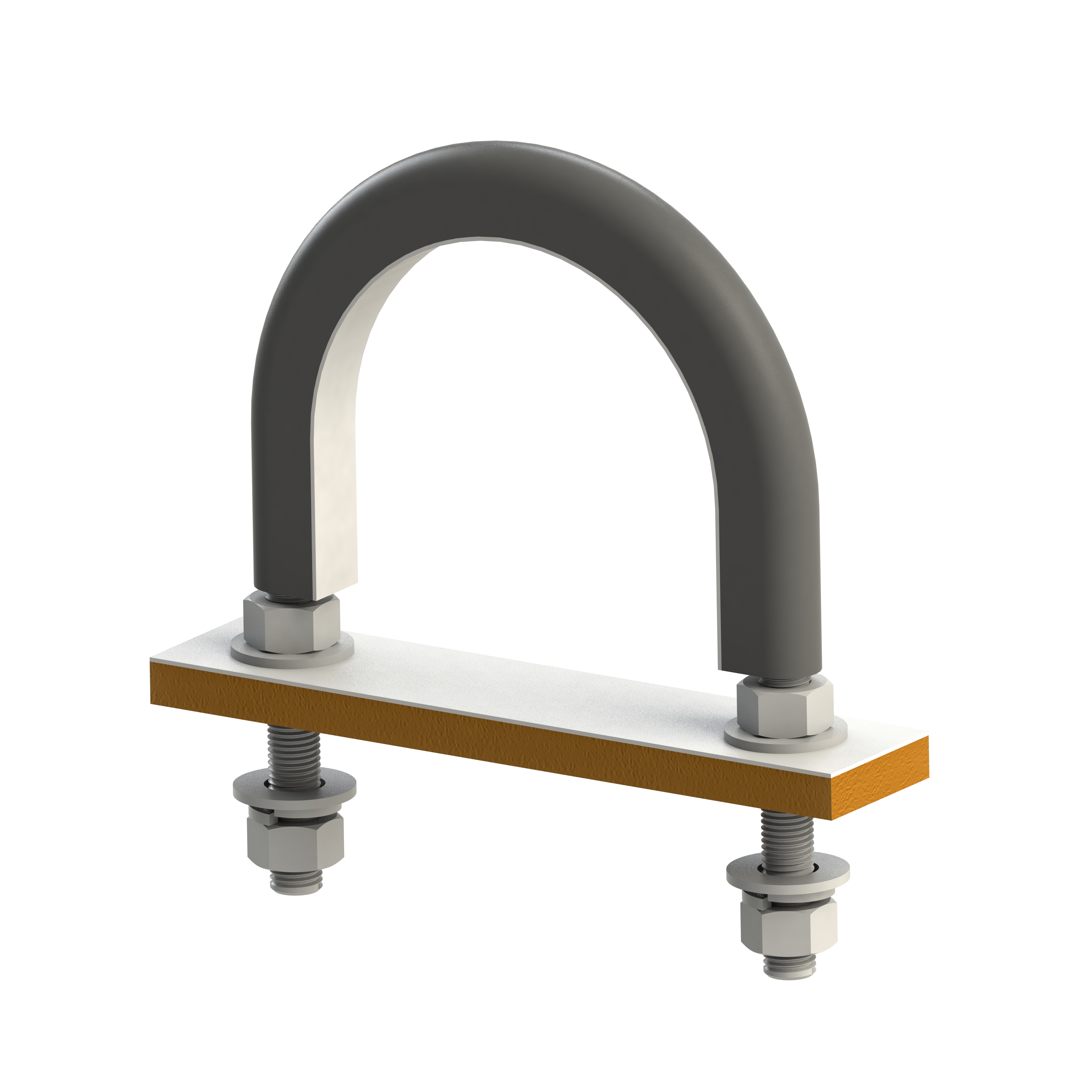
BG154INSULATED U-BOLT GUIDE (WITH TEFLON)
 BG190
BG190INSULATED U-BOLT CLAMP
 BG192
BG192INSULATED U-BOLT GUIDE
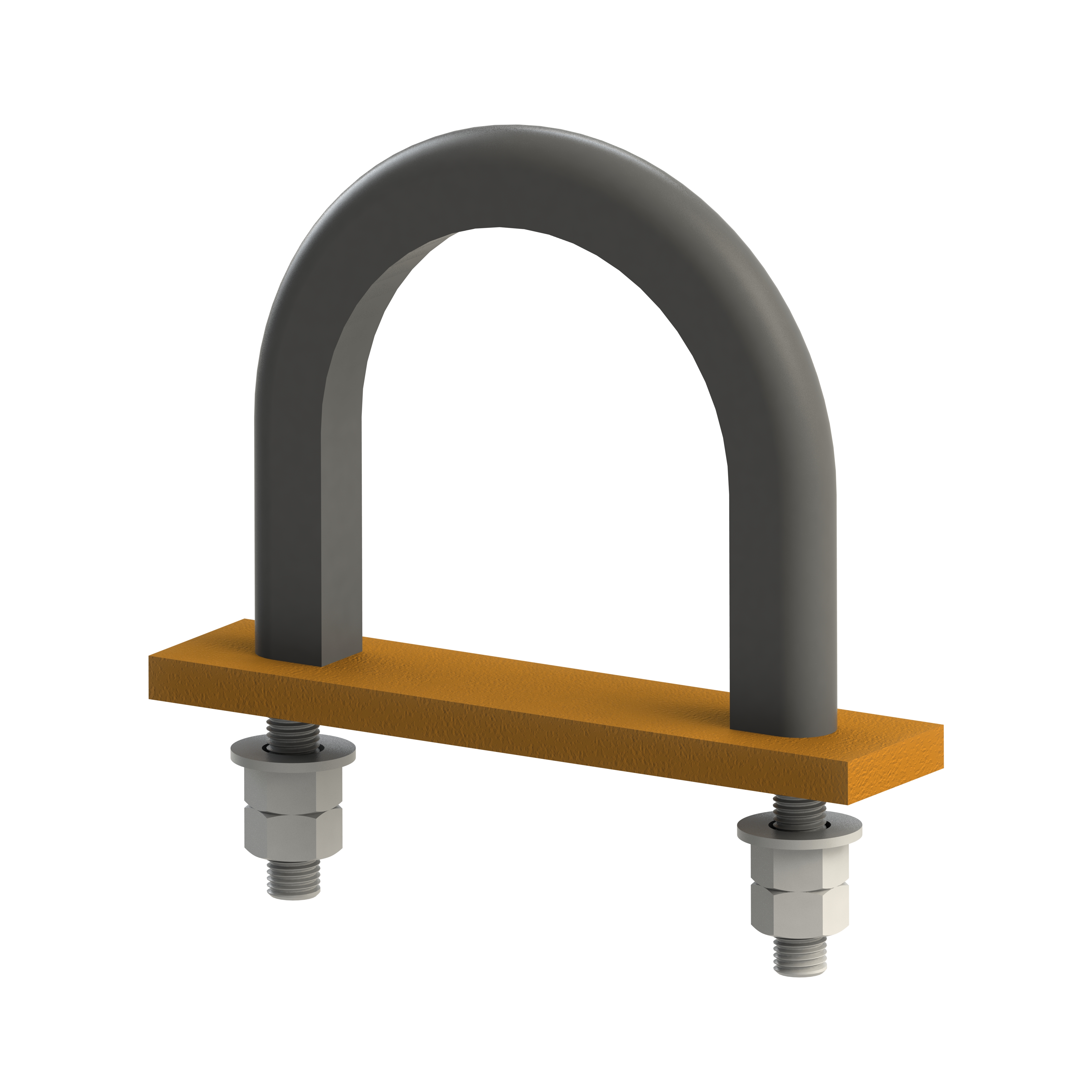 BG151
BG151INSULATED U-BOLT CLAMP FOR CU/NI
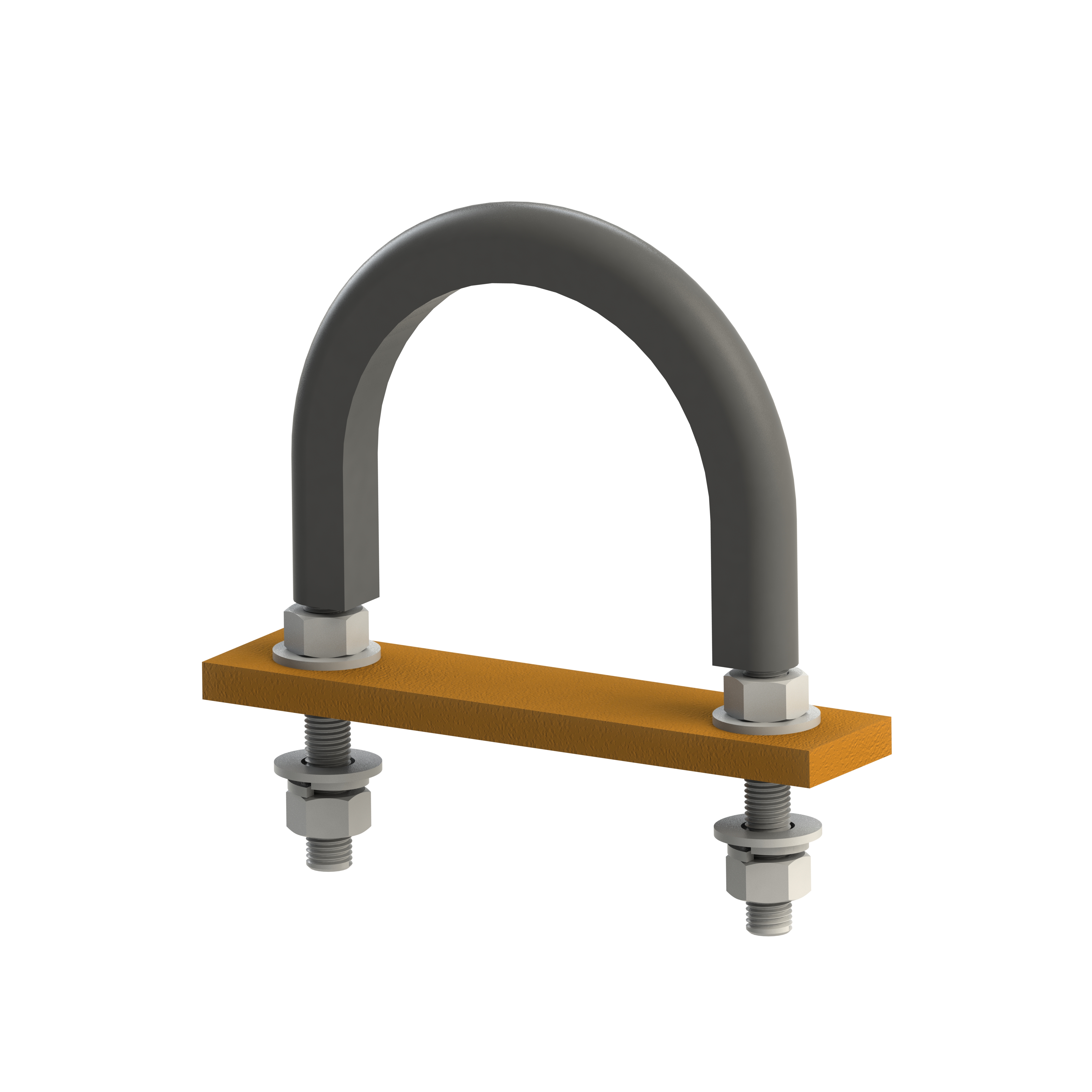 BG153
BG153INSULATED U-BOLT GUIDE FOR CU/NI
 BG155
BG155INSULATED U-BOLT GUIDE (WITH TEFLON)
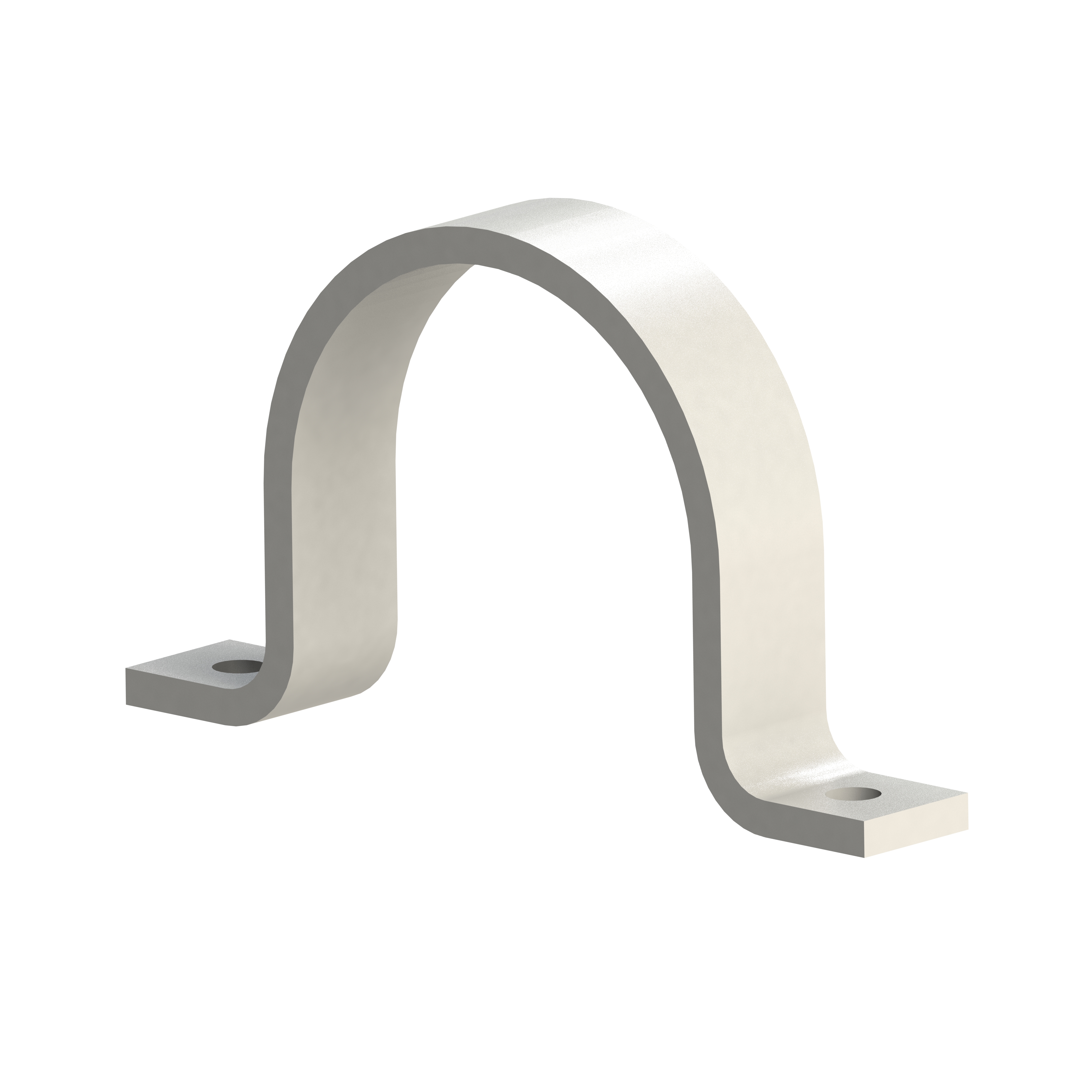 BG177
BG177SADDLE GUIDE
BG178SADDLE CLAMP
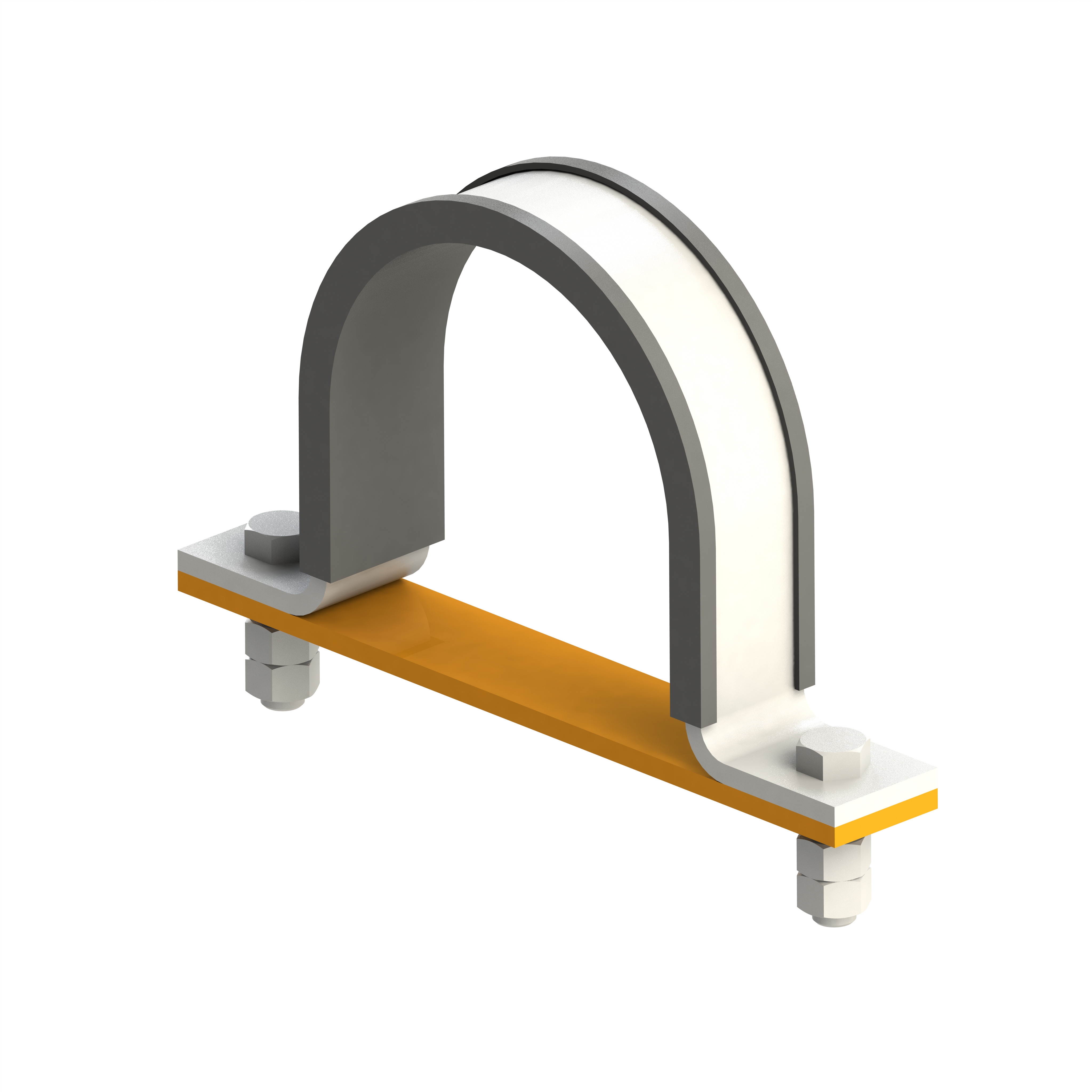 BG160
BG160INSULATED PIPE SADDLE
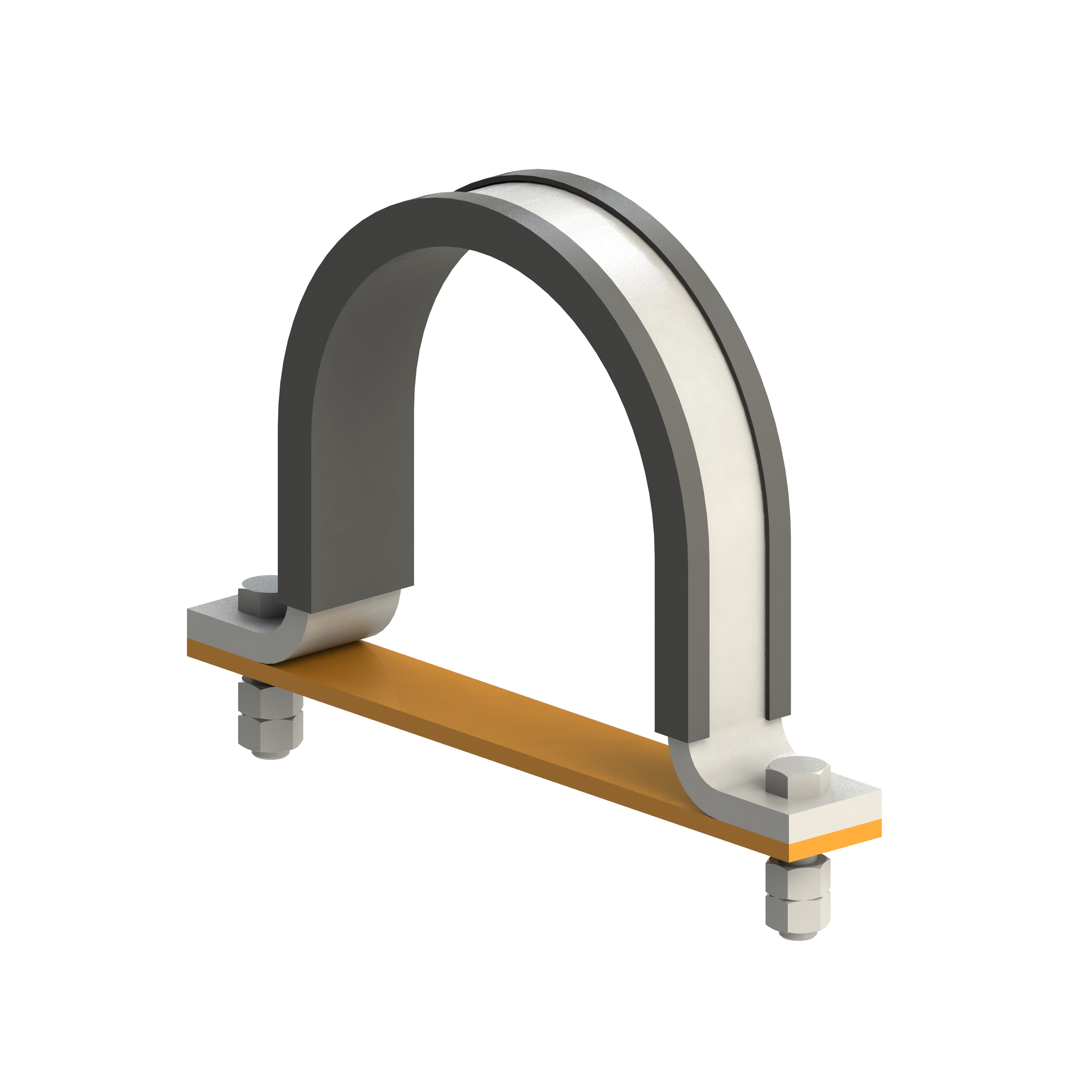 BG161
BG161INSULATED PIPE SADDLE
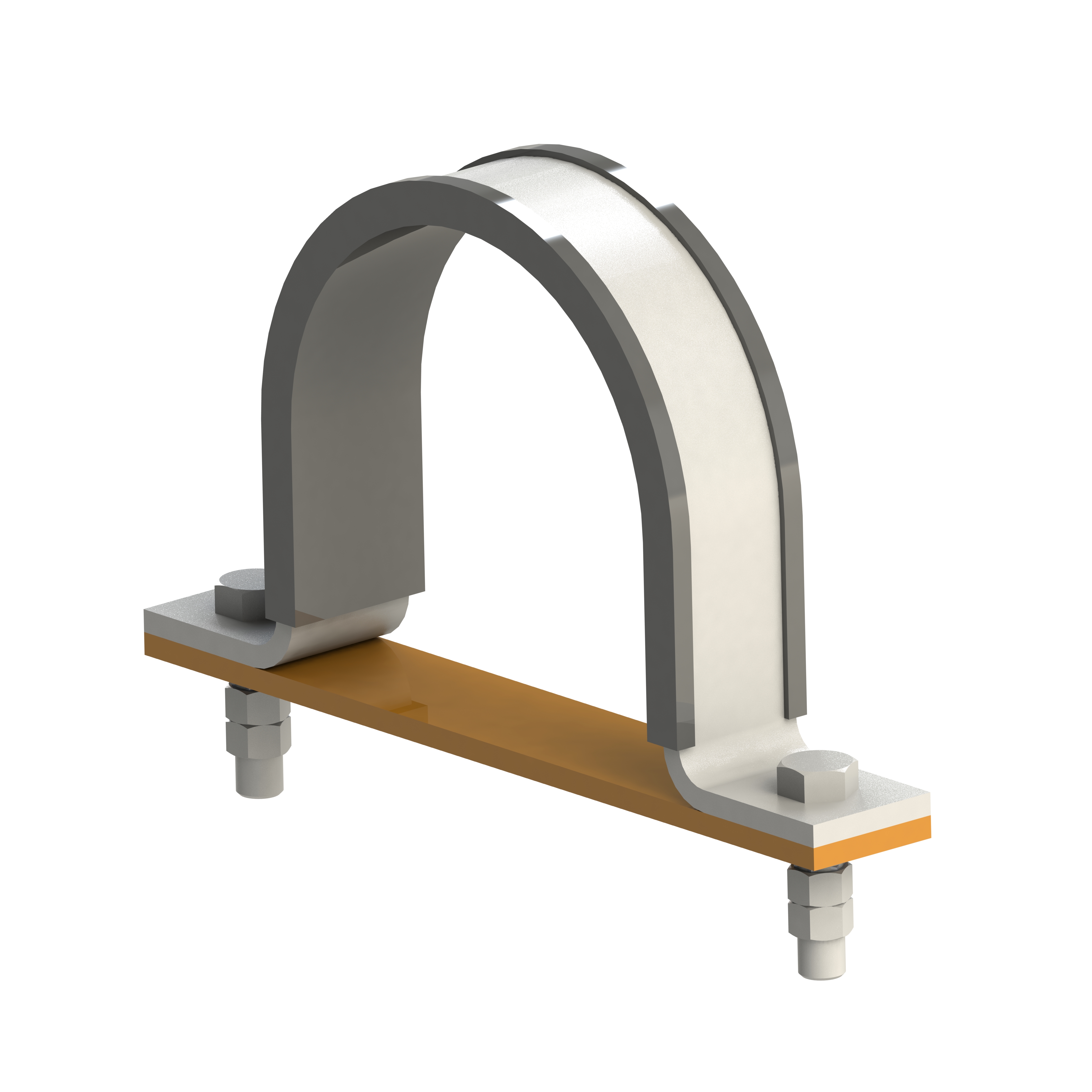 BG162
BG162INSULATED PIPE SADDLE
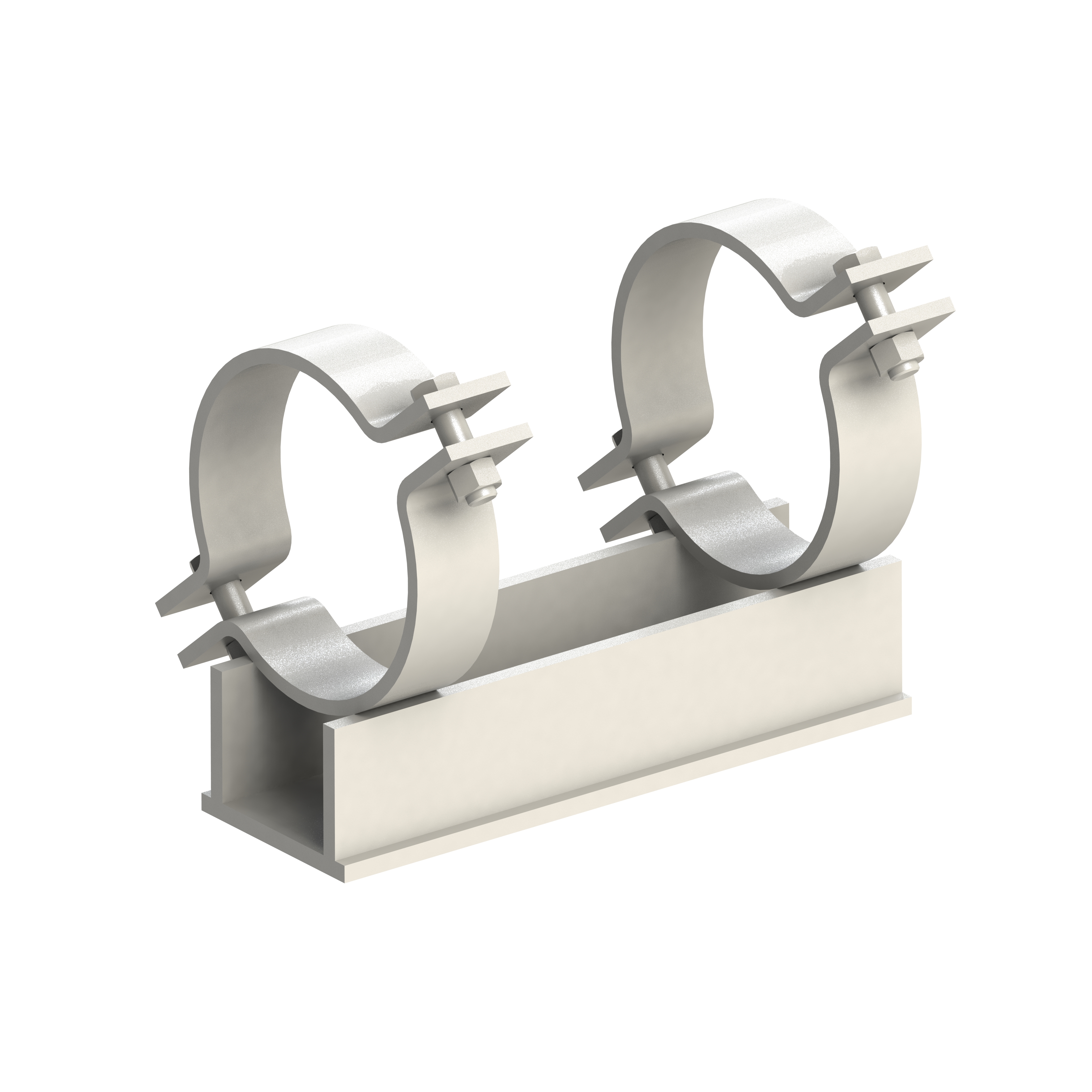 BG515
BG515STANDARD CLAMPED PIPE SHOE
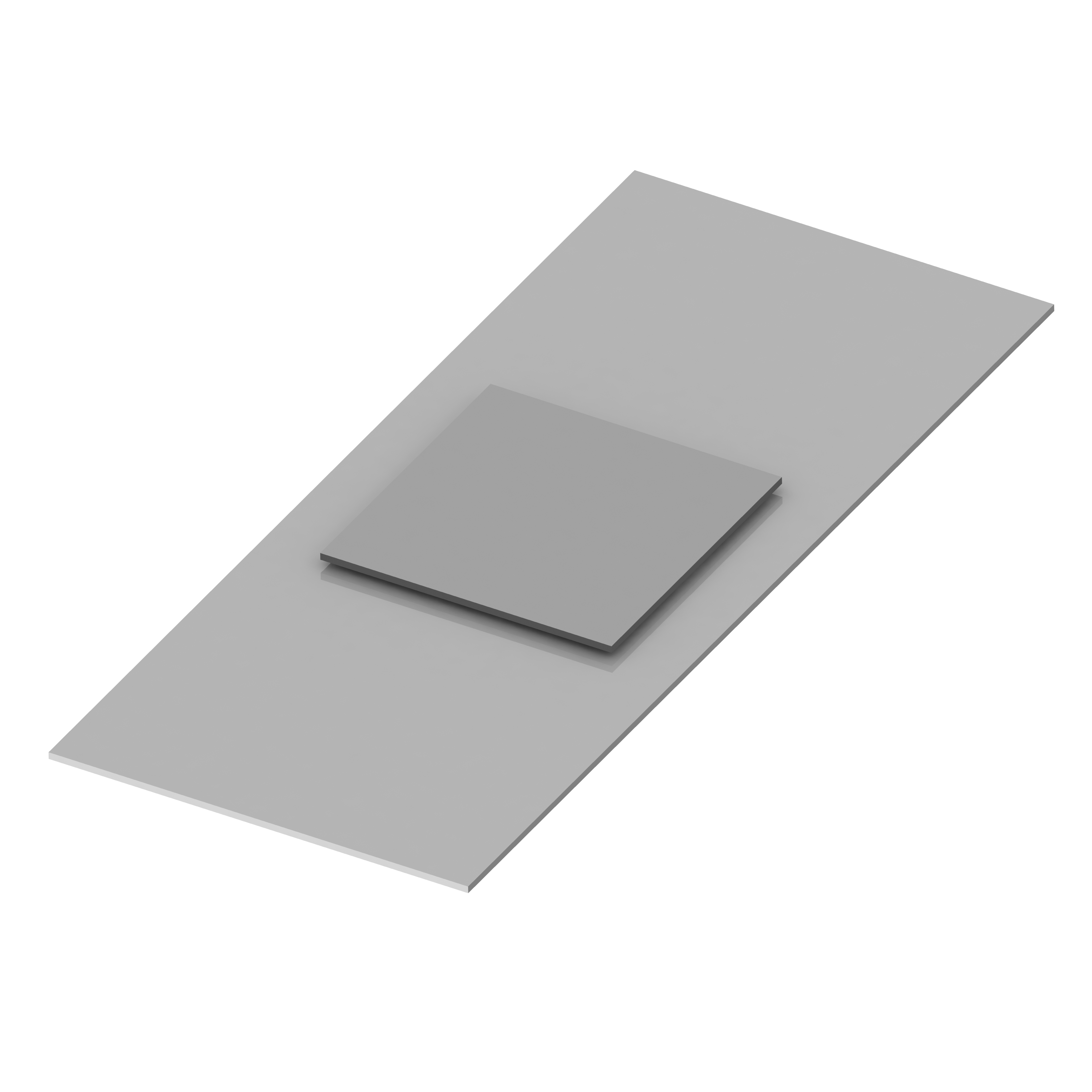 BG550
BG550SLIDE PLATES
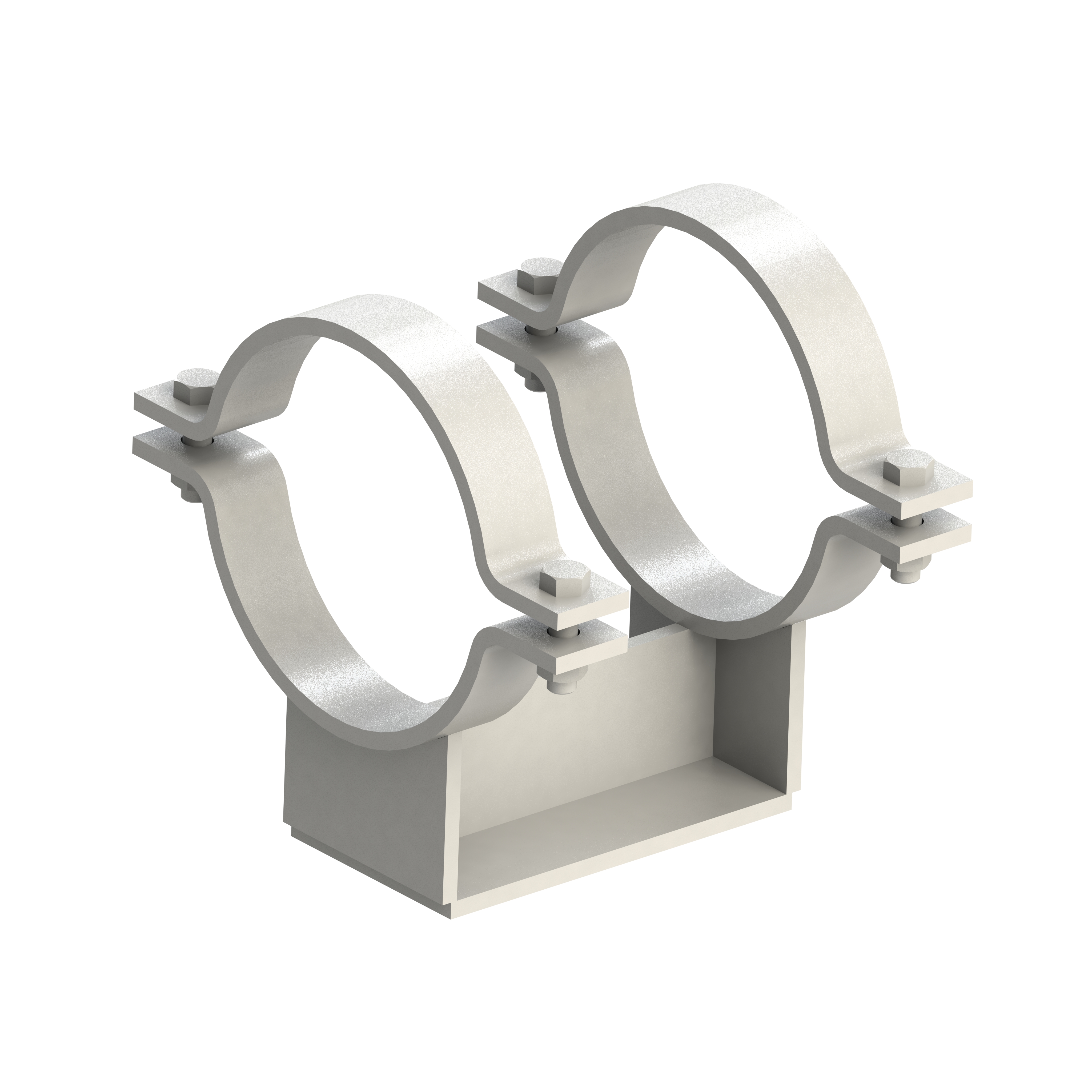 BG517
BG517COMPACT PIPE SHOE
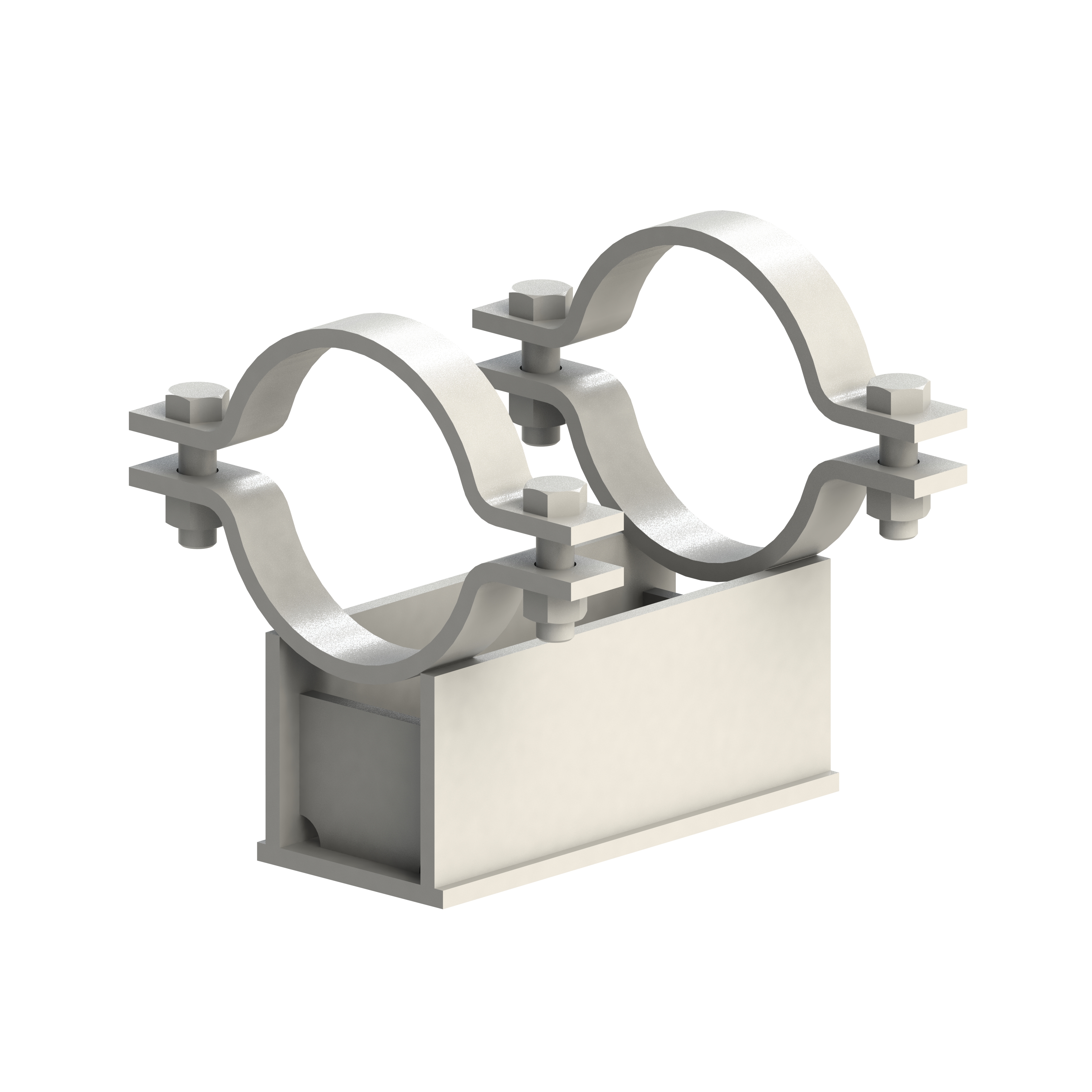 BG400
BG400CLAMPED HOT PIPE SHOE
 BG156
BG156INSULATED PIPE SHOE
BG157INSULATED PIPE SHOE
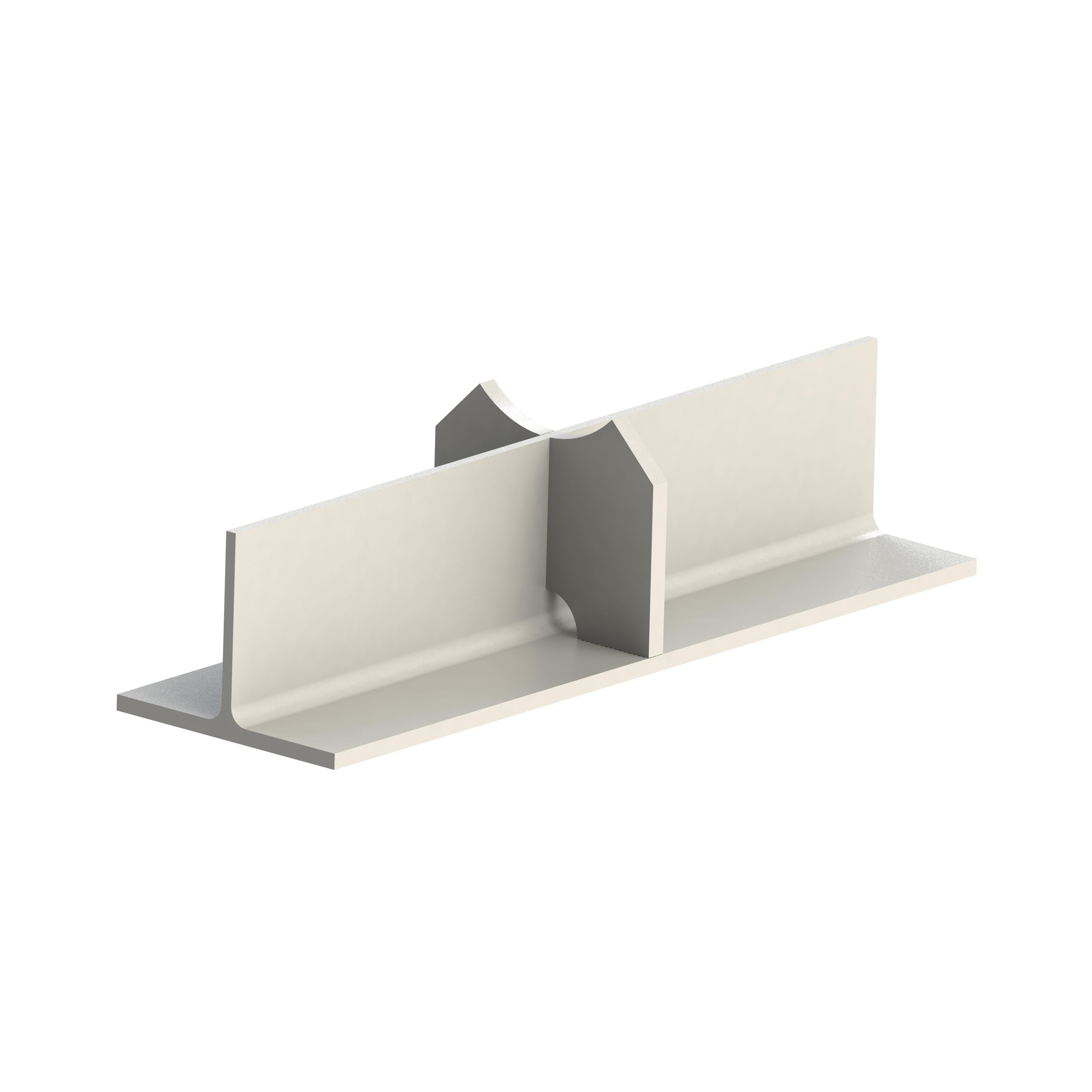 BG510
BG510STANDARD WELDED PIPE SHOE
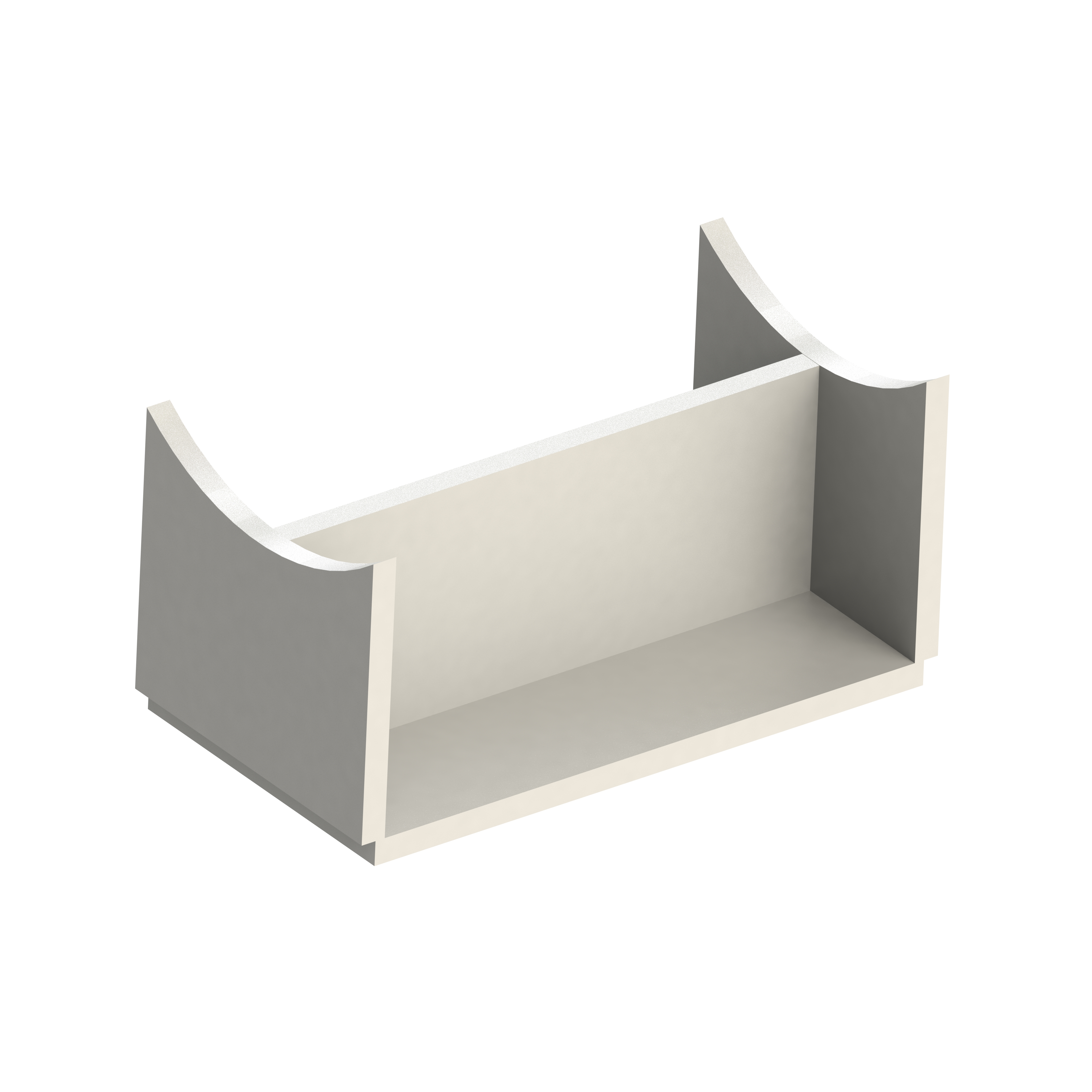 BG518
BG518COMPACT WELDED PIPE SHOE
 BG555
BG555STANDARD LINE STOPS
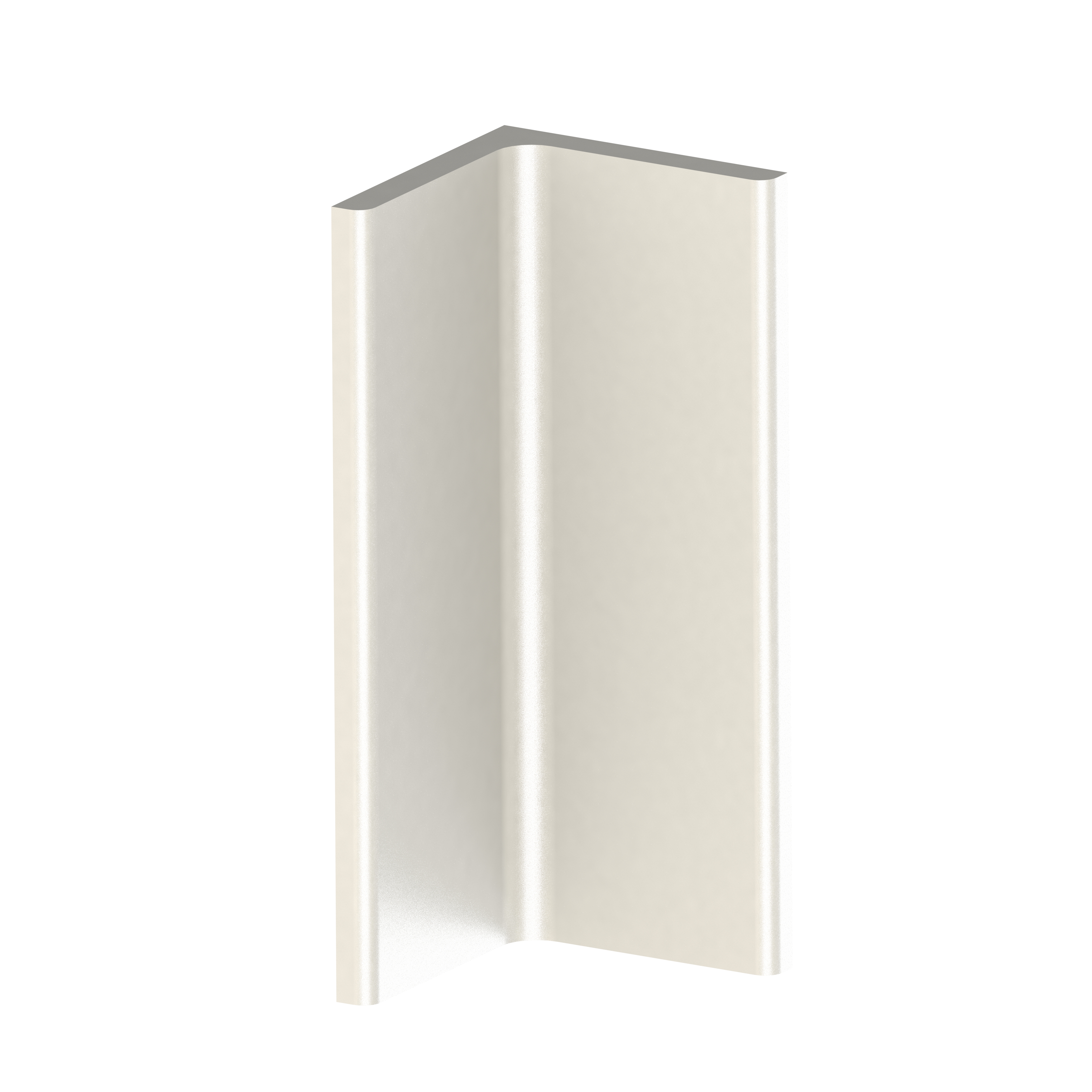 BG560
BG560STANDARD PIPE GUIDES
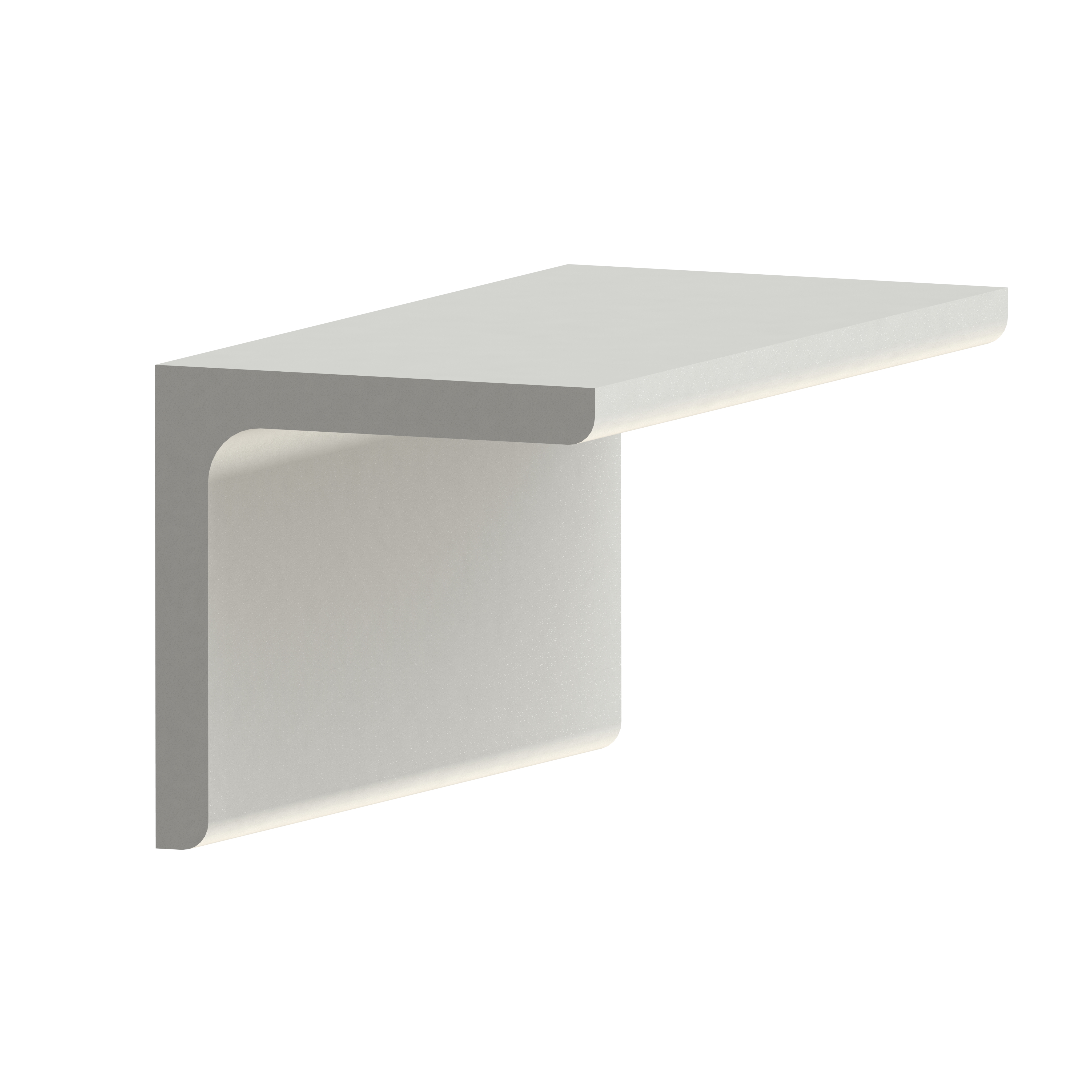 BG570
BG570STANDARD SHOE GUIDES
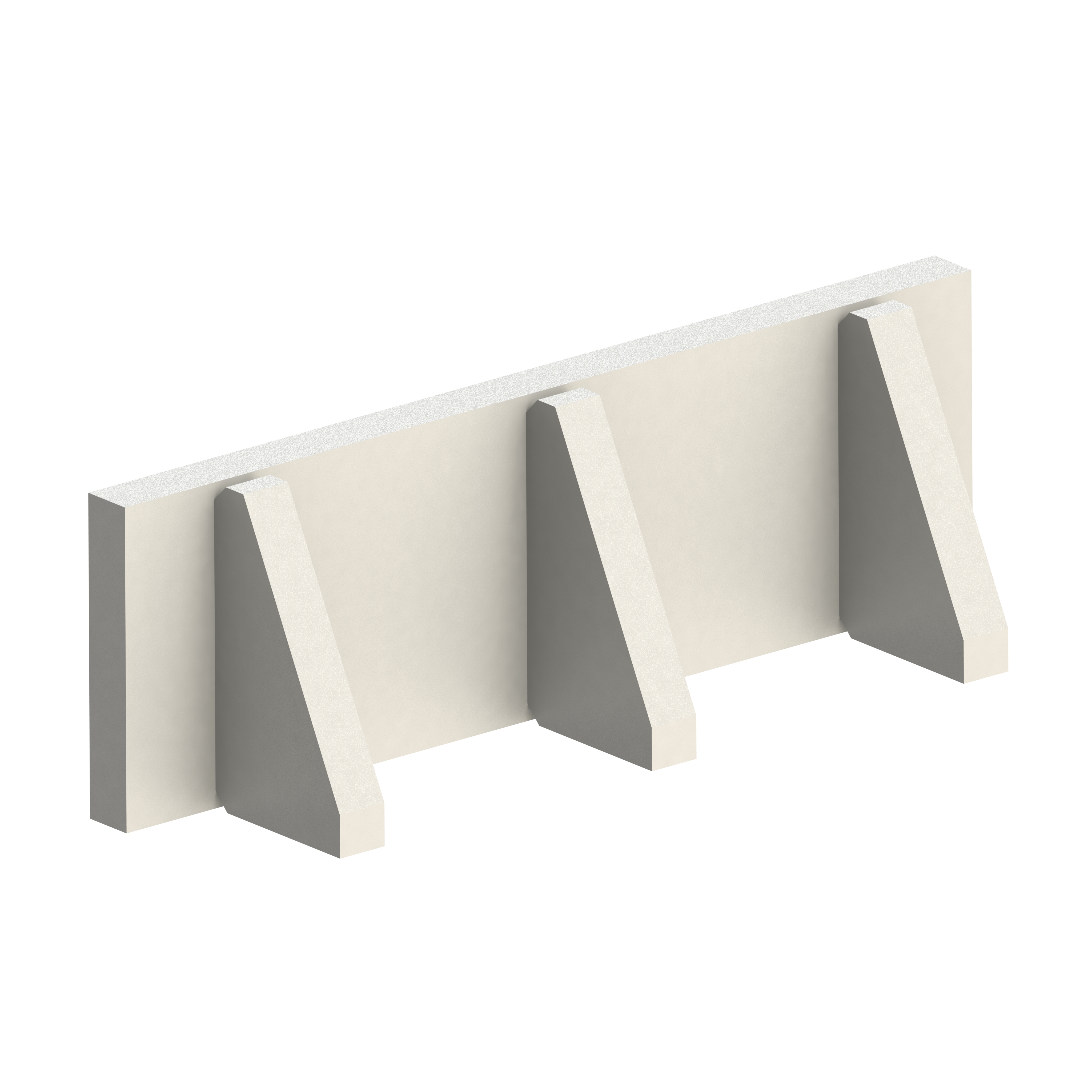 BG580
BG580STANDARD SHOE GUIDES
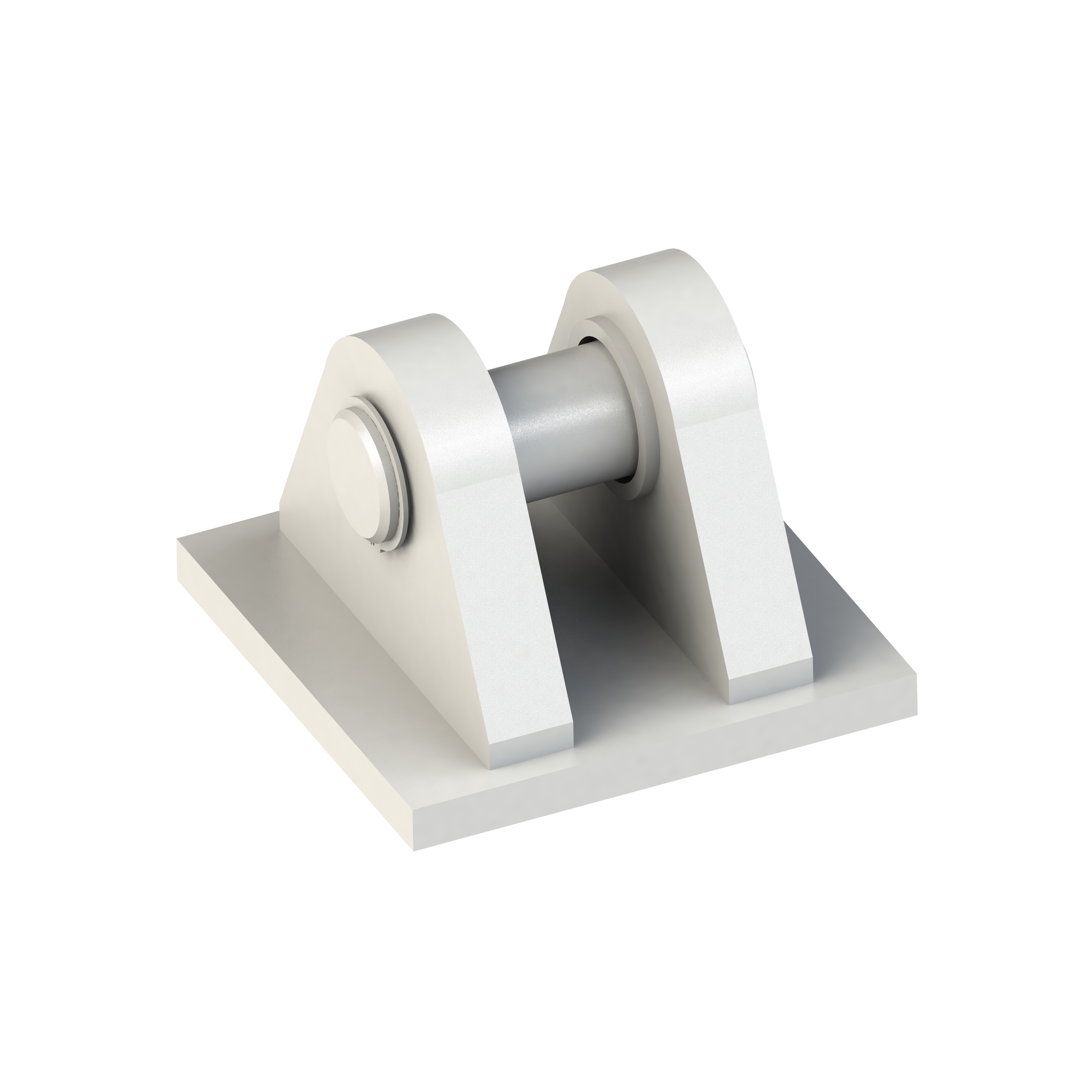 BG315
BG315END ATTACHMENT FOR HYDRAULIC SNUBBERS
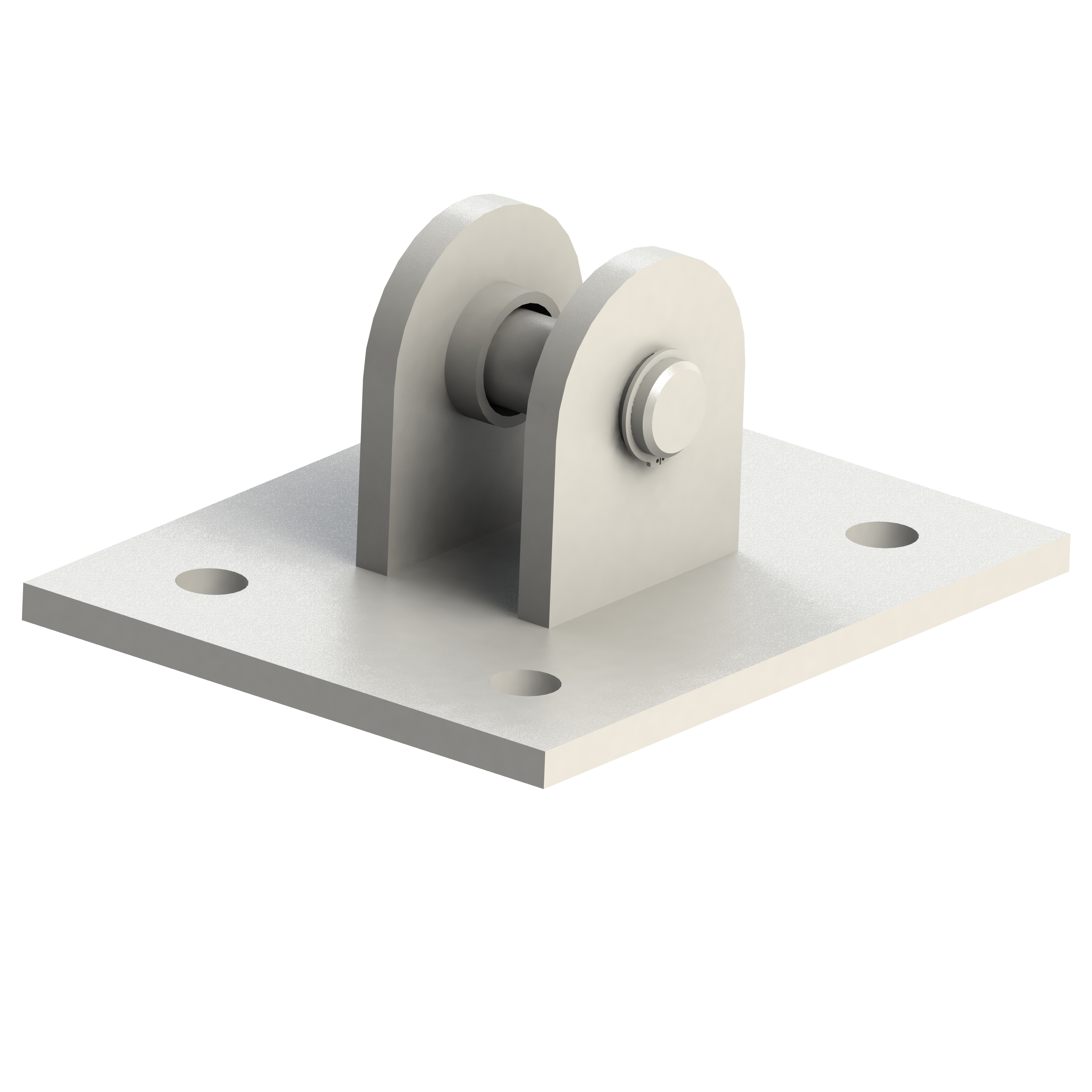 BG355
BG355END ATTACHMENT FOR RIGID STRUT & SWAY BRACE
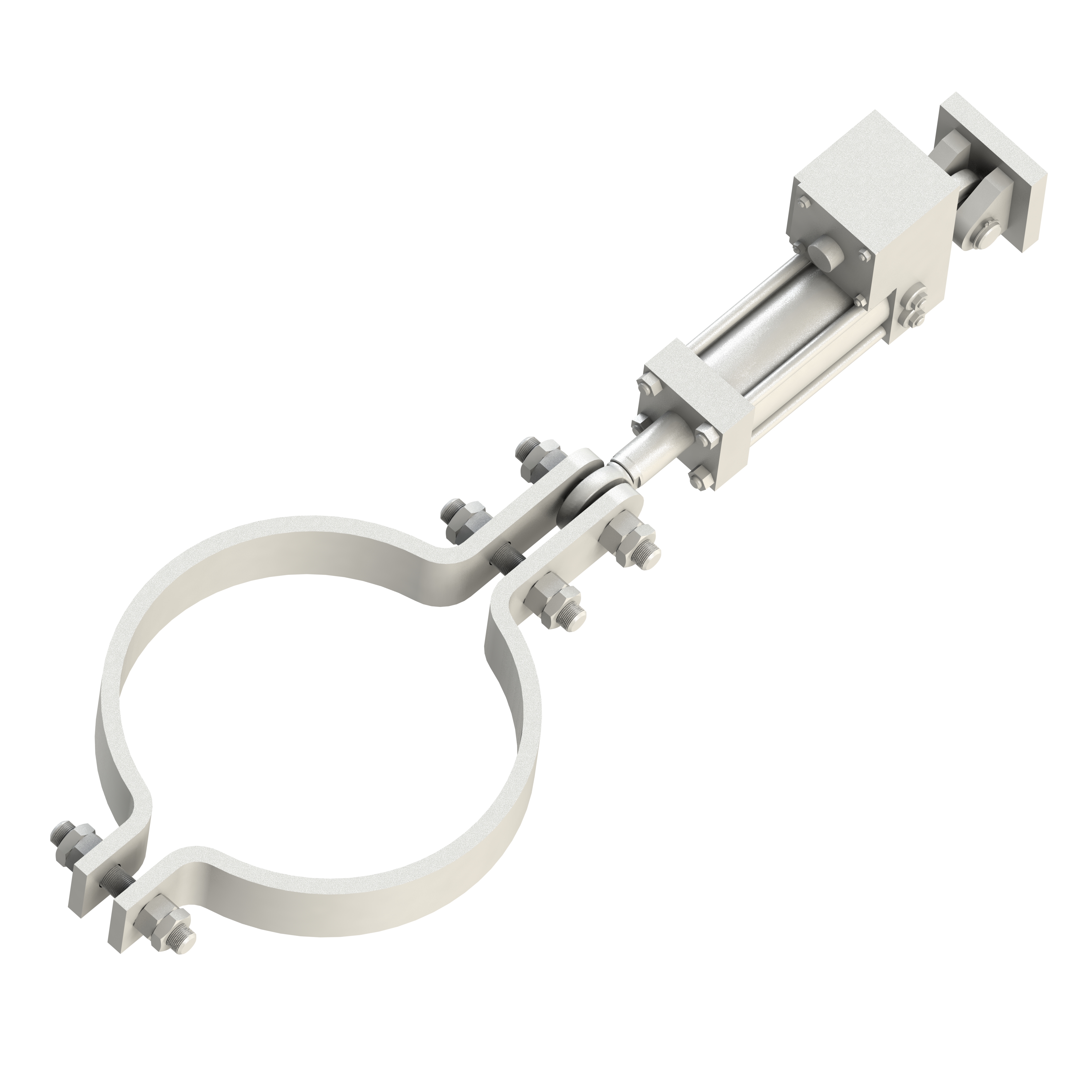 BG310
BG310HYDRAULIC SNUBBERS (SHOCK ARRESTORS)
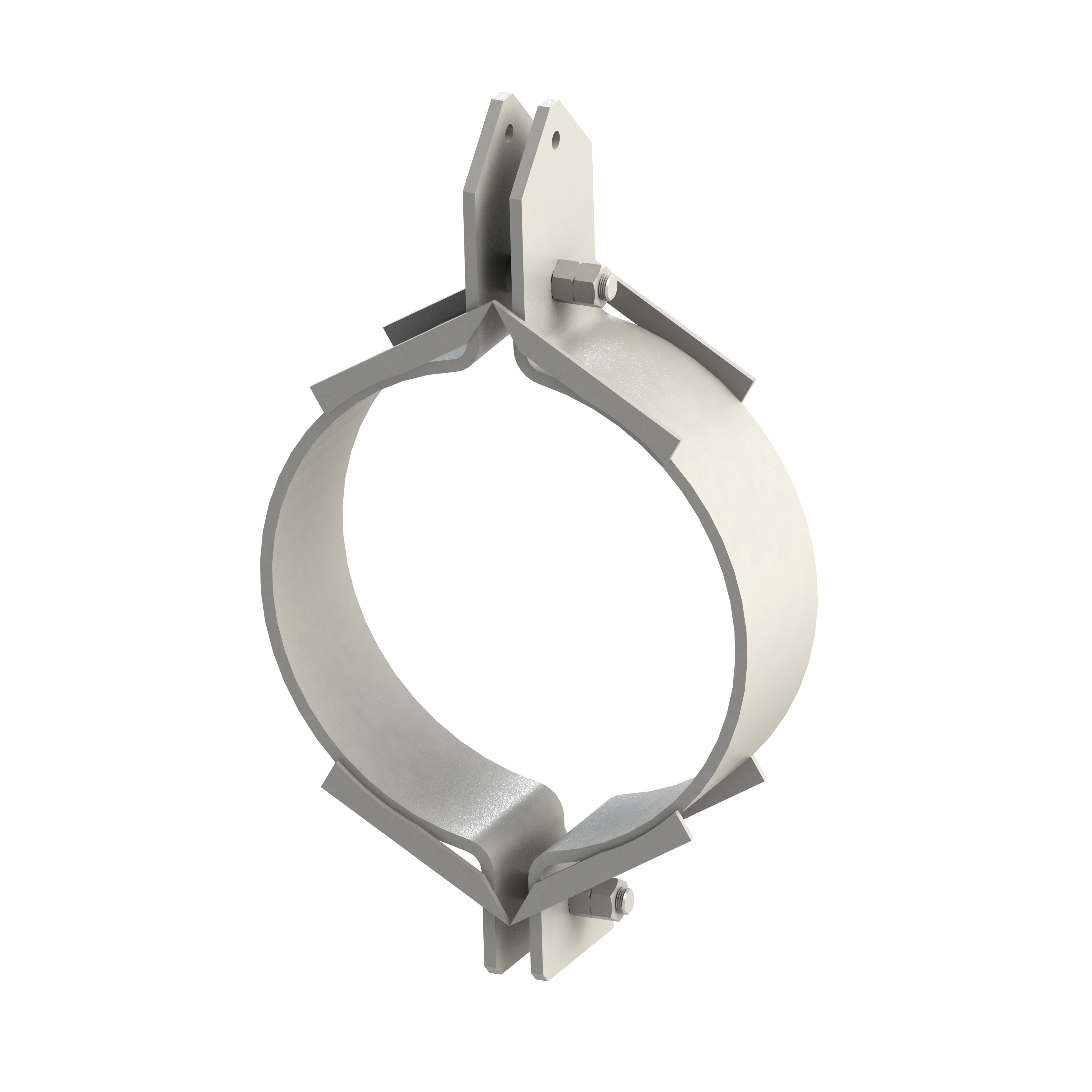 BG321
BG321PIPE CLAMP FOR HYDRAULIC SNUBBER – HIGH TEMPERATURE
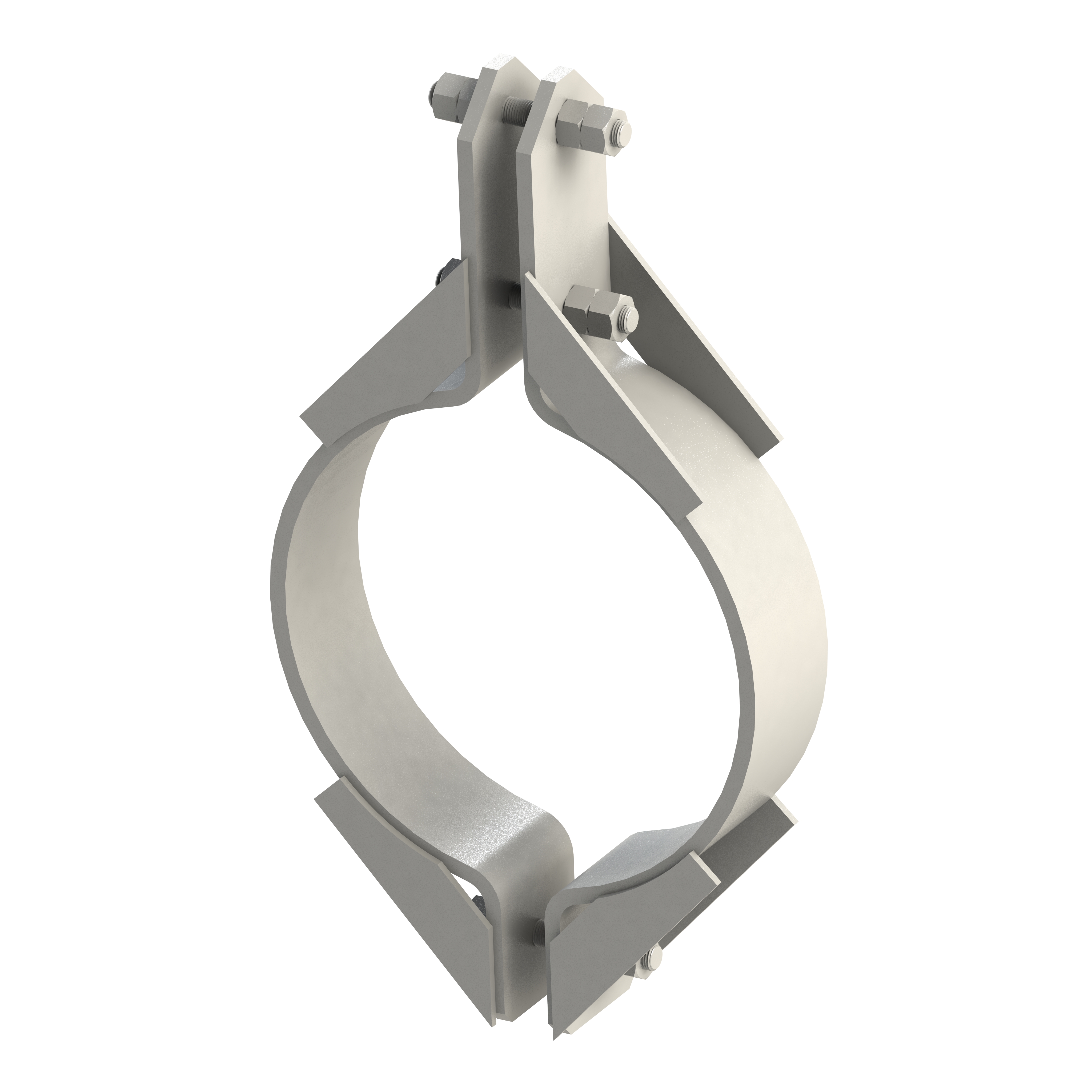 BG322
BG322PIPE CLAMP FOR HYDRAULIC SNUBBER – HIGH TEMPERATURE
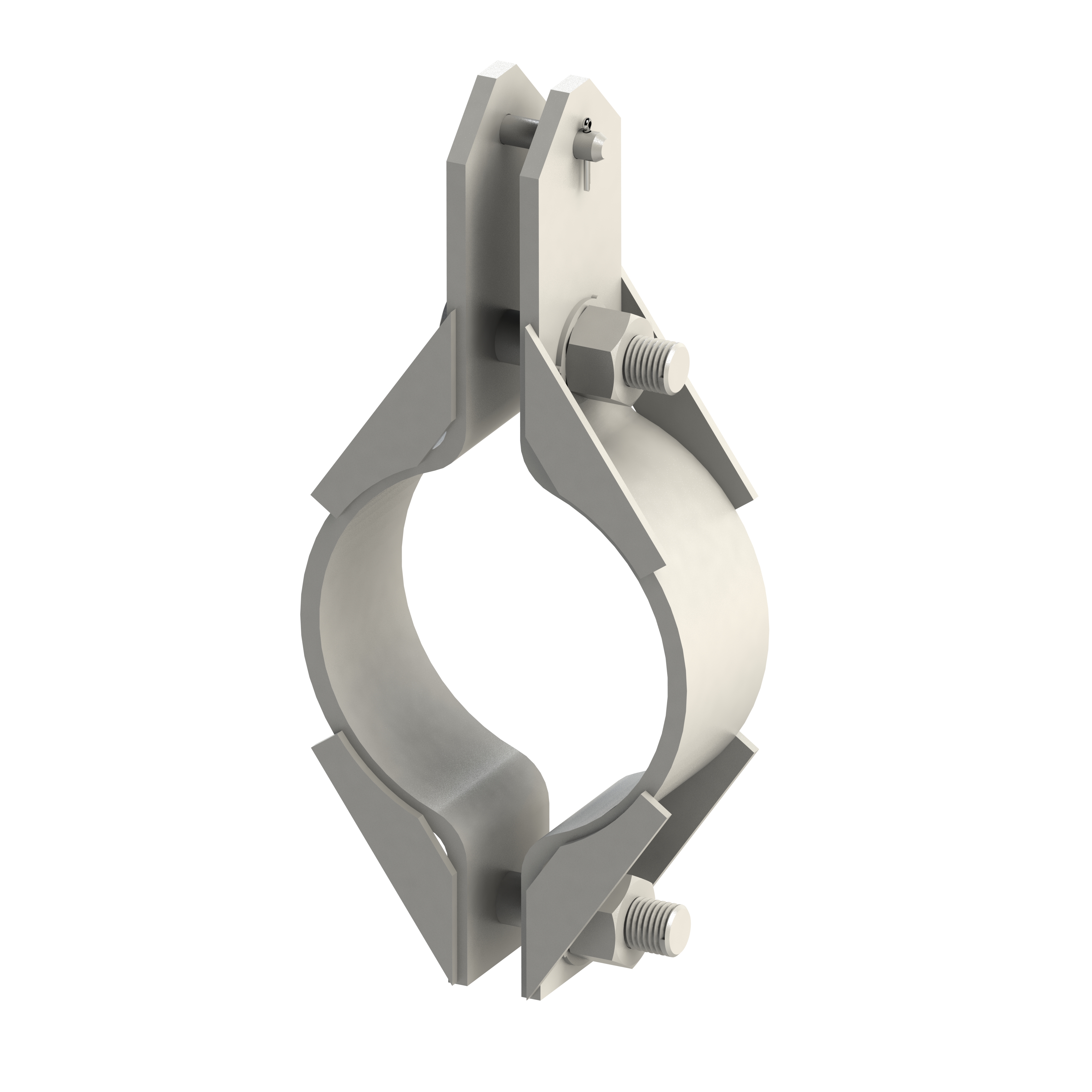 BG320
BG320PIPE CLAMP FOR HYDRAULIC SNUBBER – LOW TEMPERATURE
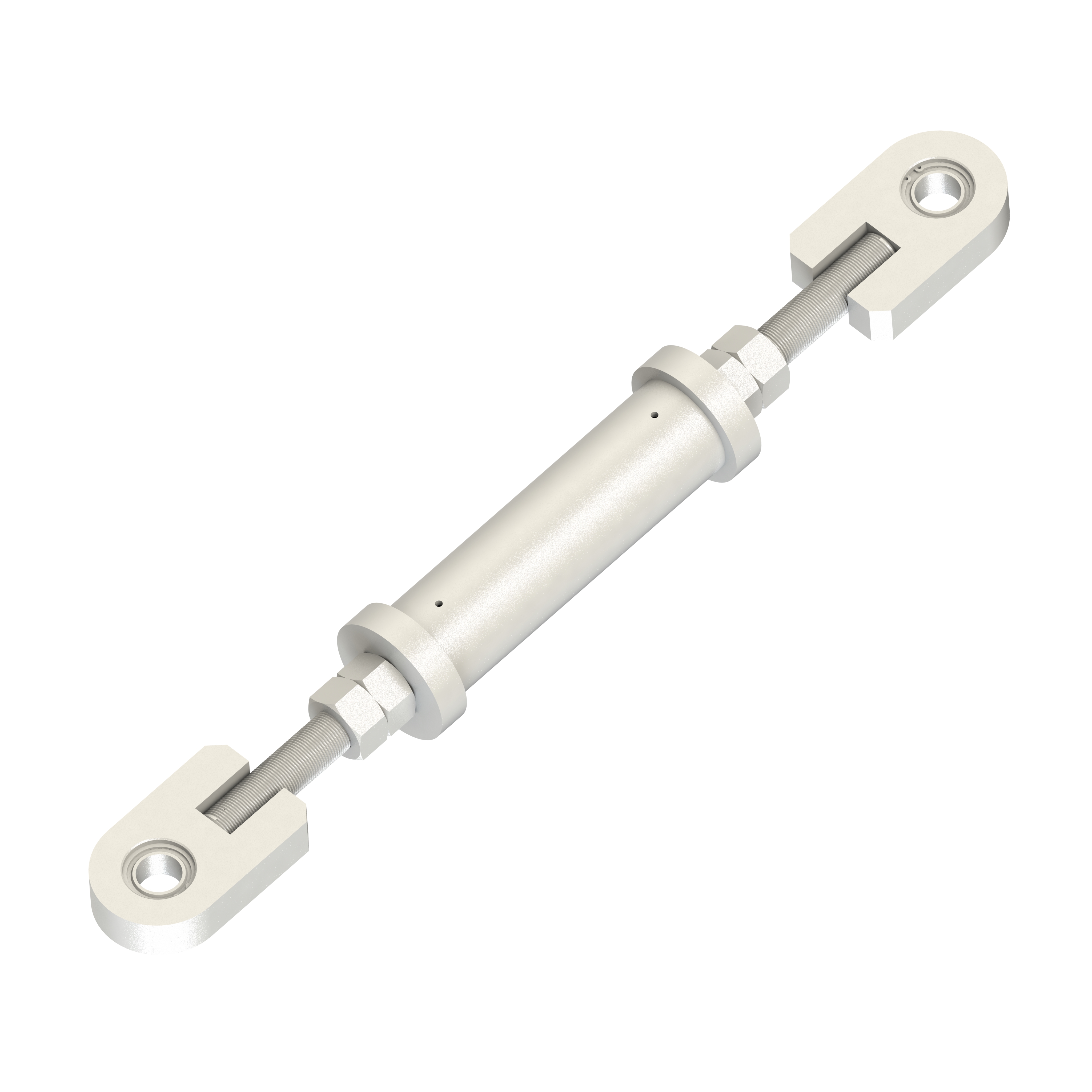 BG350
BG350RIGID STRUTS
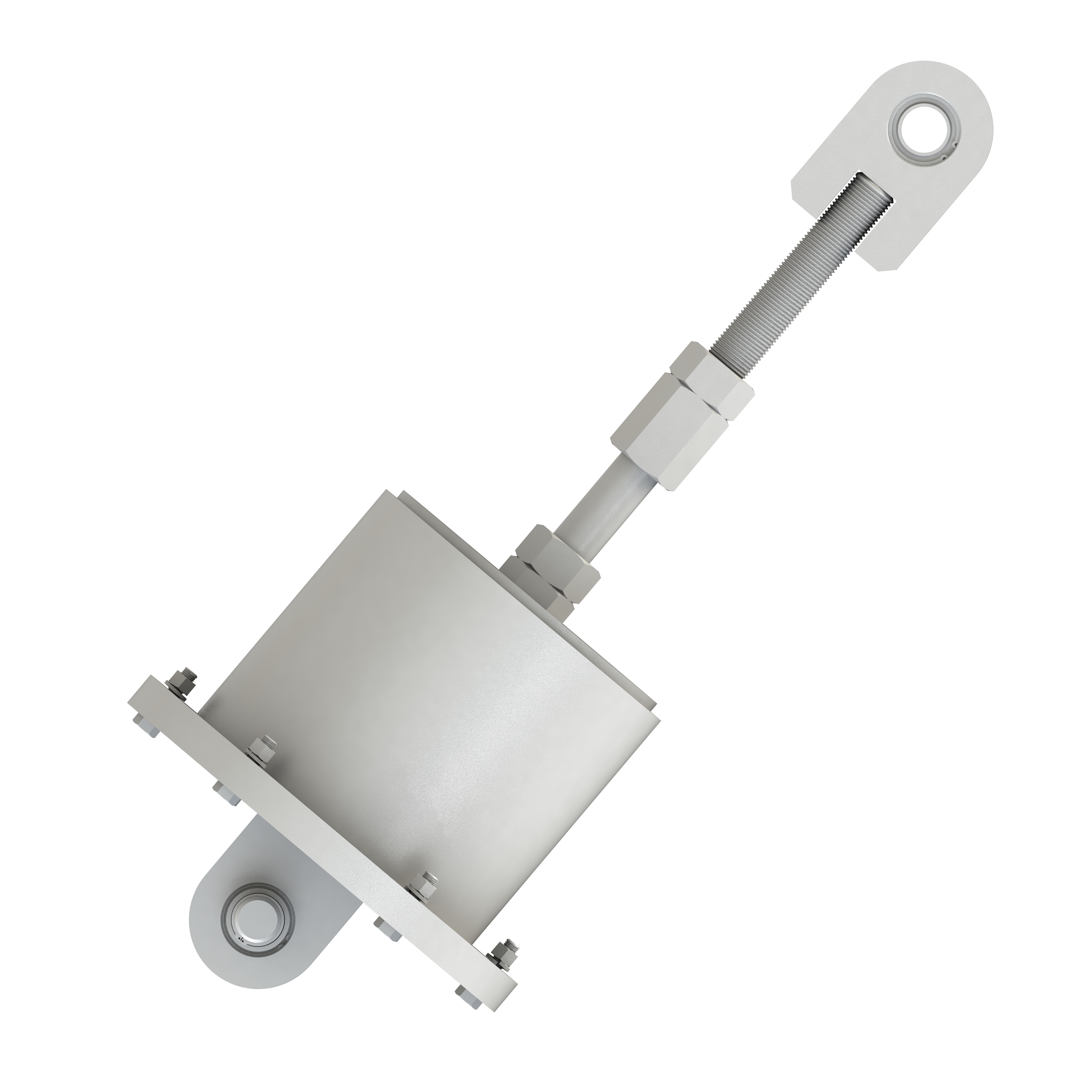 BG340
BG340SWAY BRACE
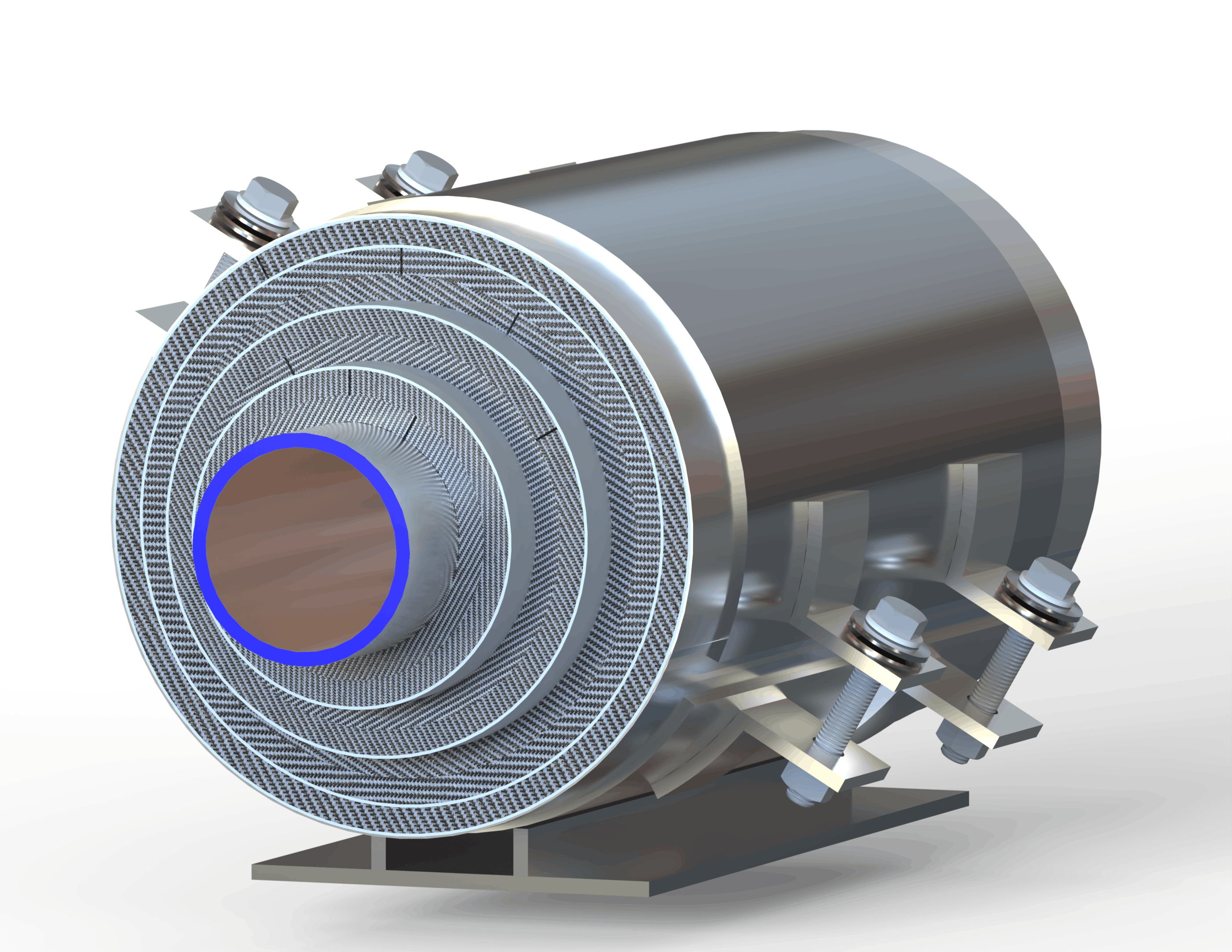 BG700-703
AEROX™ Cryogenic Pipe Support System
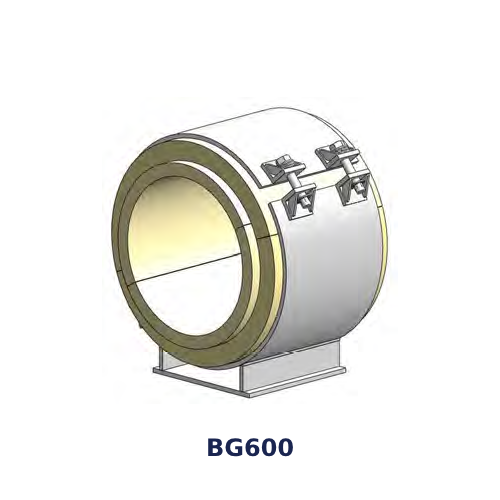 BG600-603
HD PUF CRYOGENIC PIPE SHOE
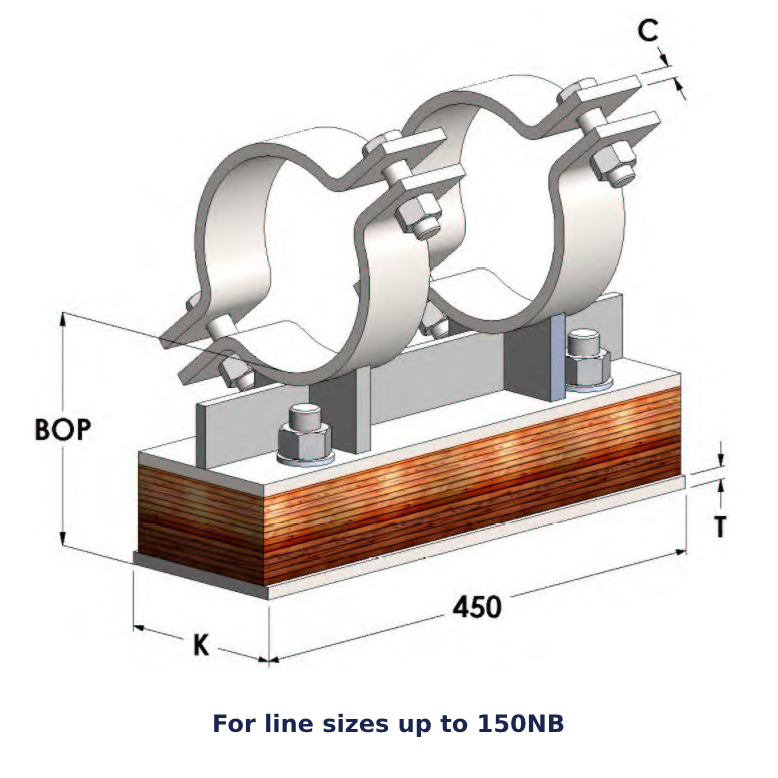 BG615
BG615STANDARD COLD SHOE
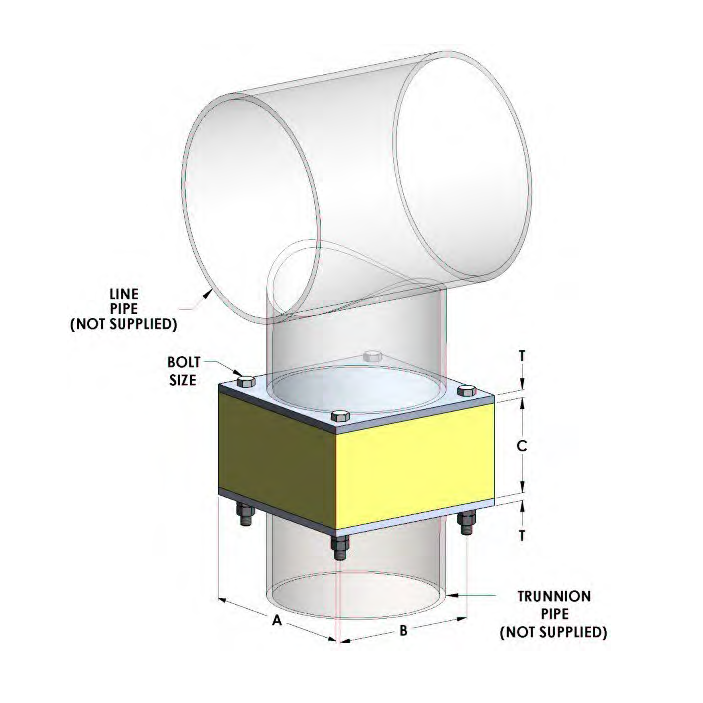 BG620
BG620TRUNNION COLD SUPPORT
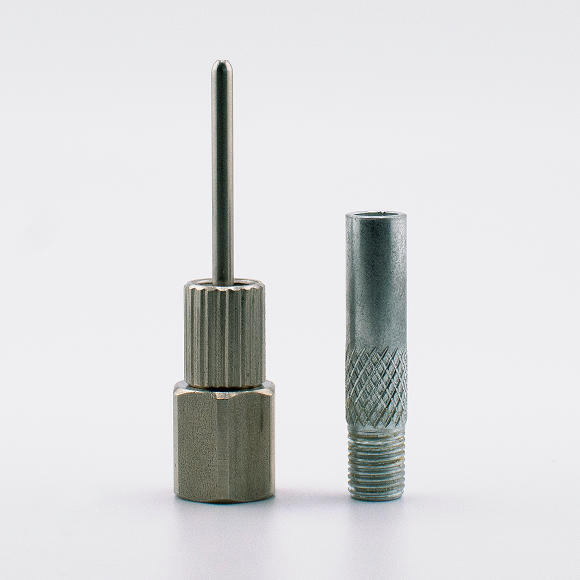 #691028
All Stainless Steel Gauge Adapter #691028
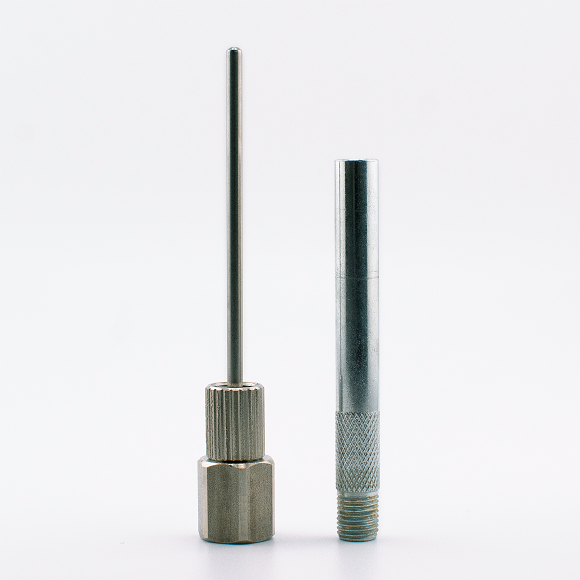 #520XL
All Stainless Steel Gauge Adapter #520XL
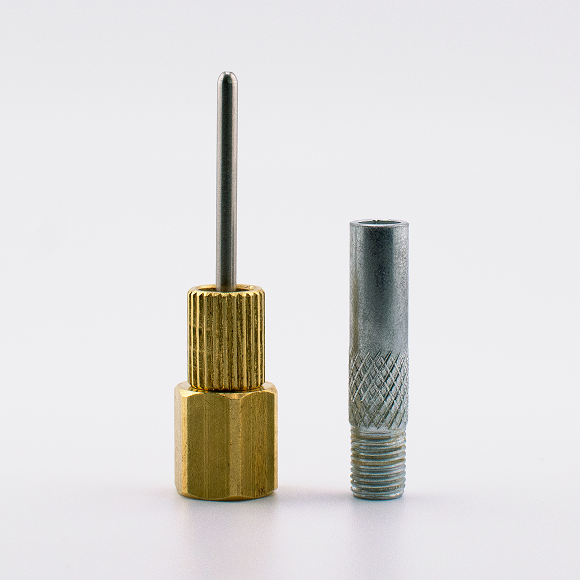 #691023
Brass Gauge Adapter #691023
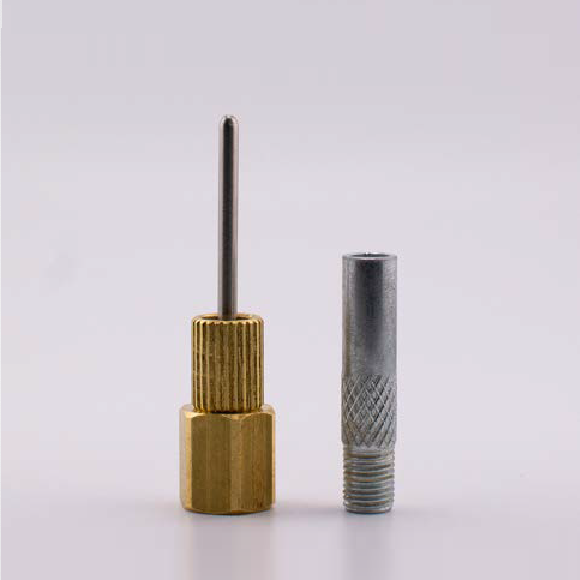 #500BSP
Brass Gauge Adapter #500BSP
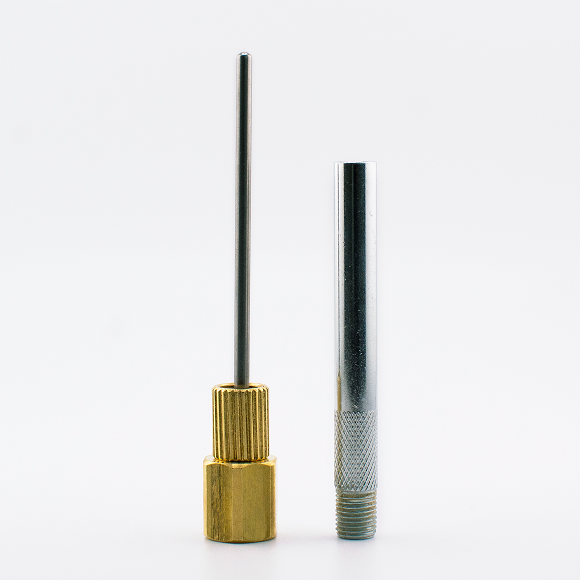 #691024
Brass Gauge Adapter #691024
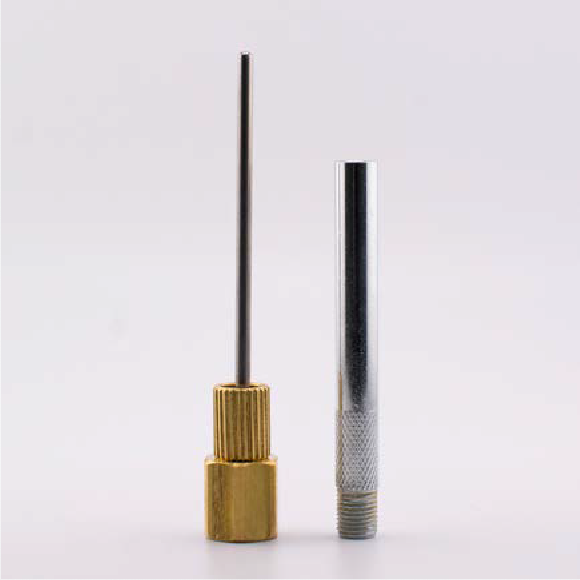 #500XLBSP
Brass Gauge Adapter #500XLBSP
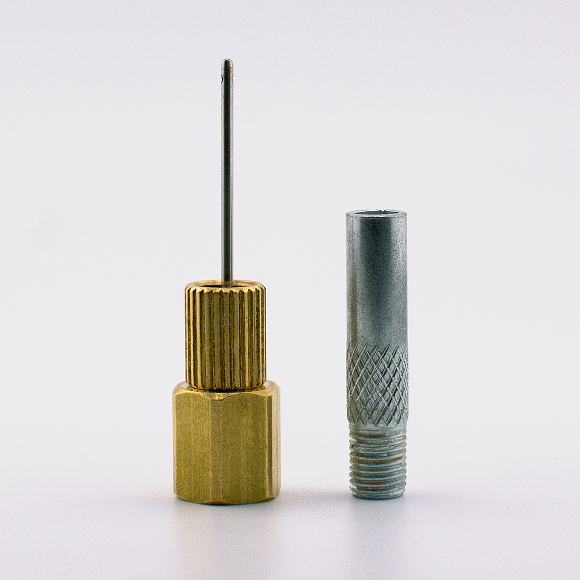 691026
Brass Gauge Adapter #691026
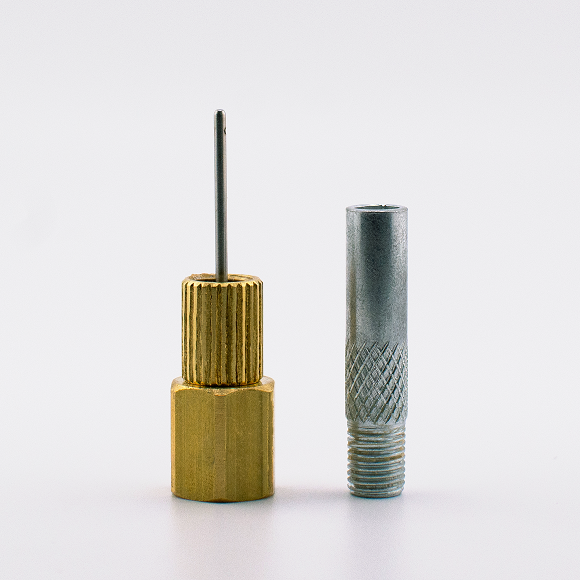 #691027
Brass Gauge Adapter #691027
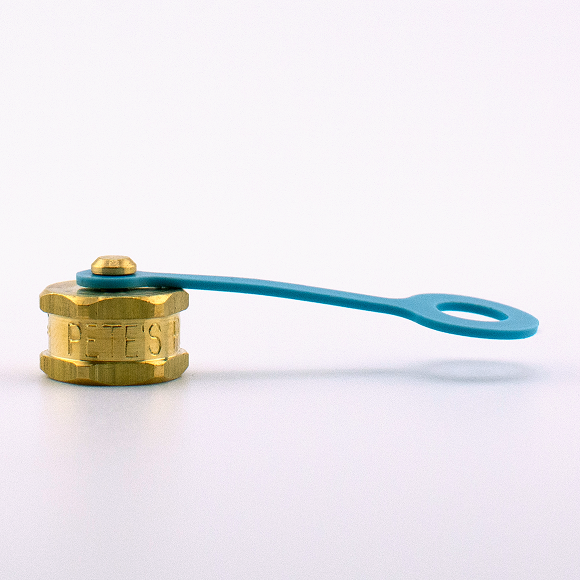 #104-1BS
Cap Assembly #104-1BS
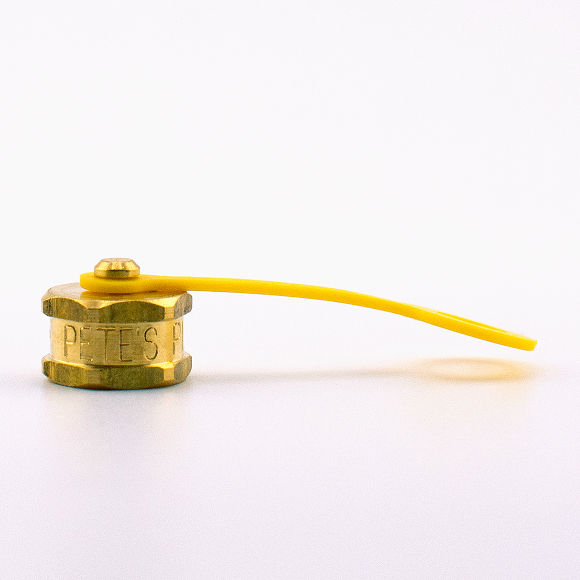 #104-1YS
Cap Assembly #104-1YS
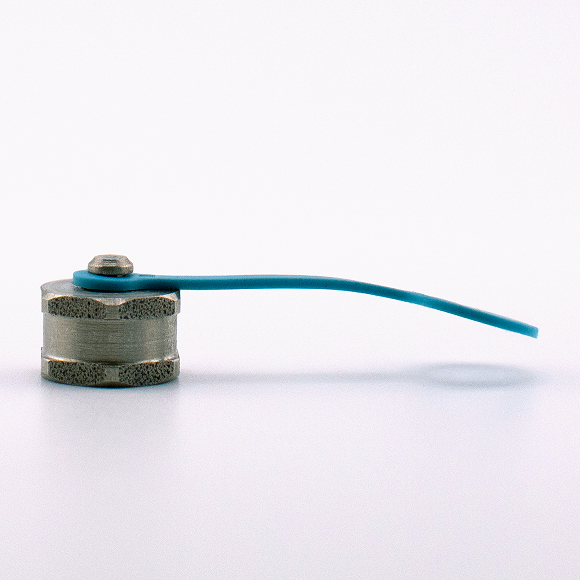 #104-2BS
Cap Assembly #104-2BS
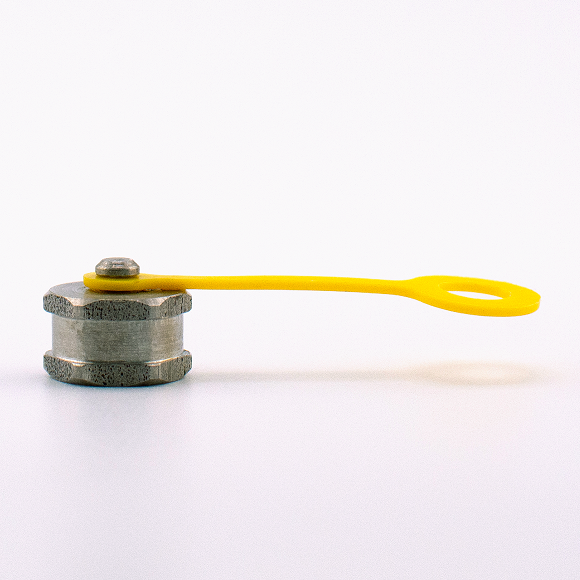 #104-2YS
Cap Assembly #104-2YS
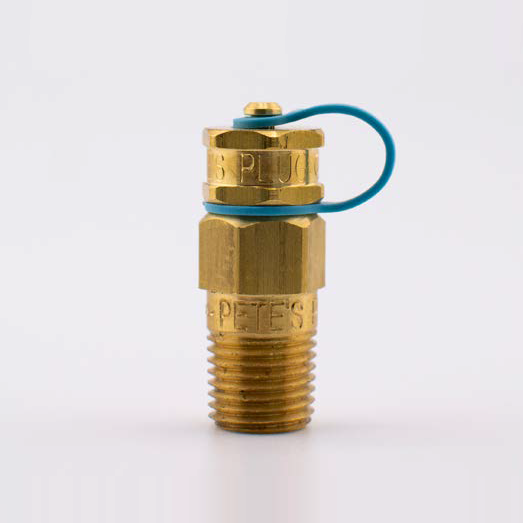 #691003
Pete's Plug #691003
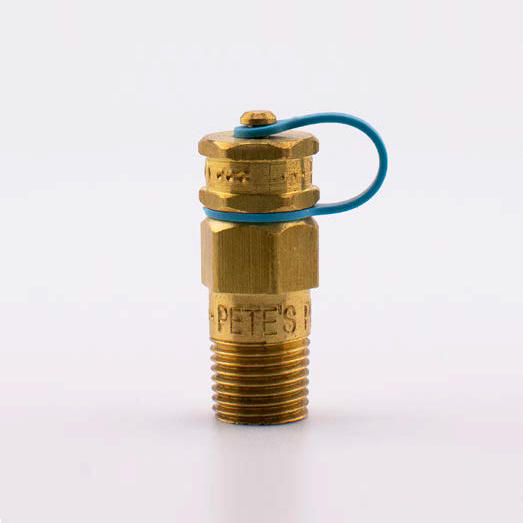 #691002
Pete's Plug #691002
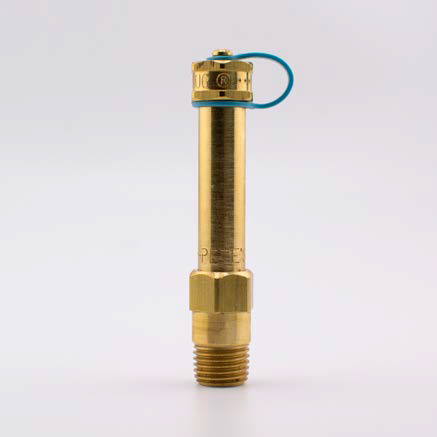 #691010
Pete's Plug #691010
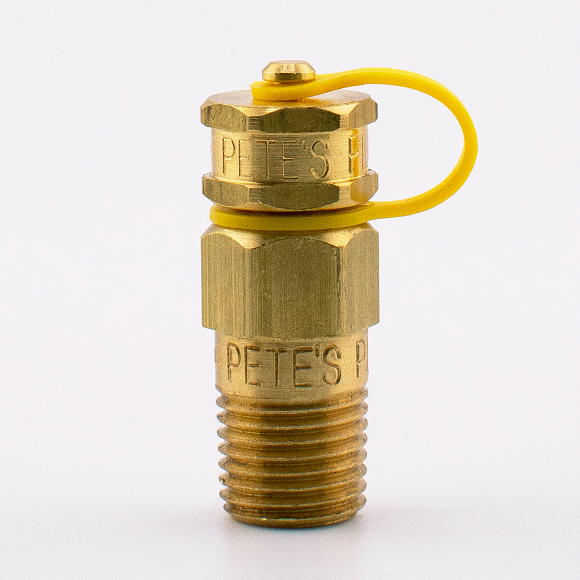 #691001
Pete's Plug #691001
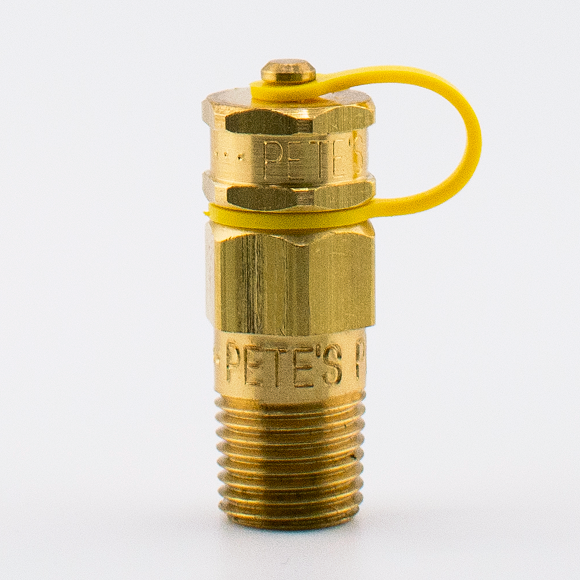 #691000
Pete's Plug #691000
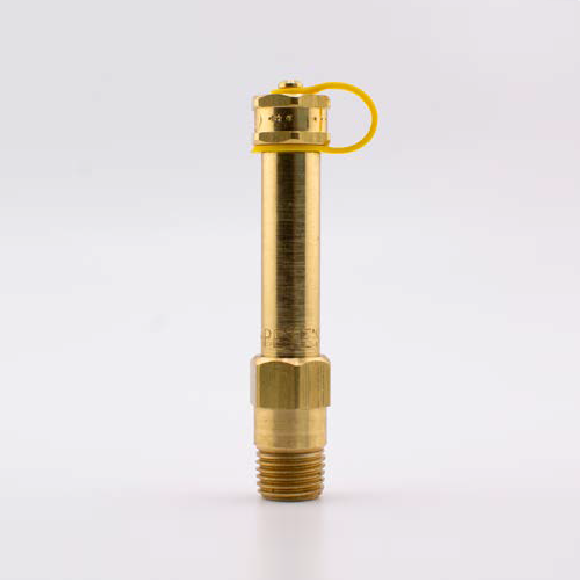 #691017
Pete's Plug #691017
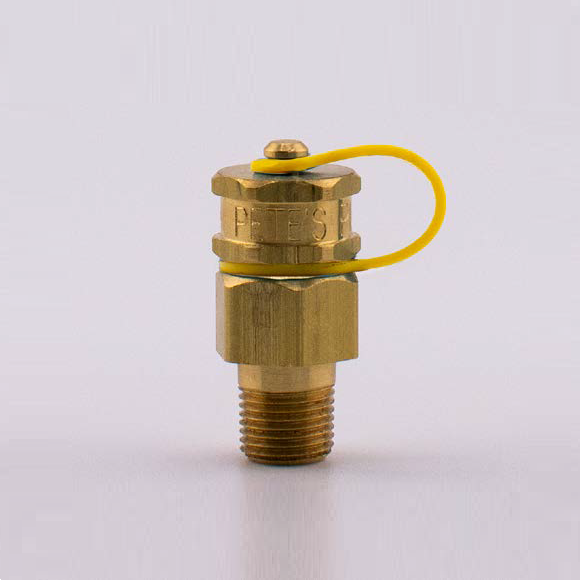 #12510
Pete's Plug #12510
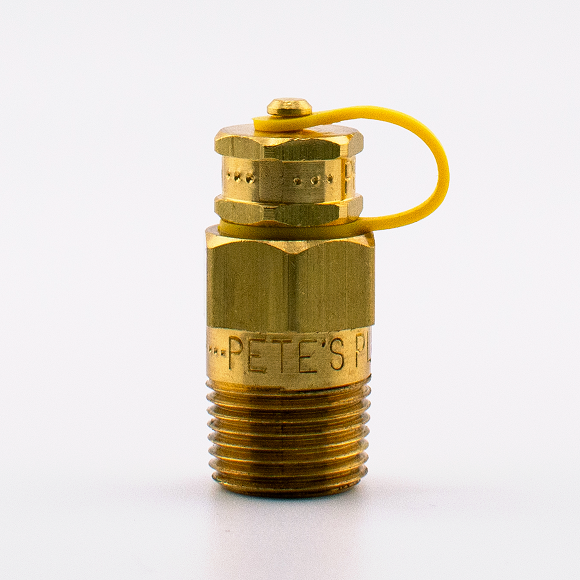 691020
Pete's Plug #691020
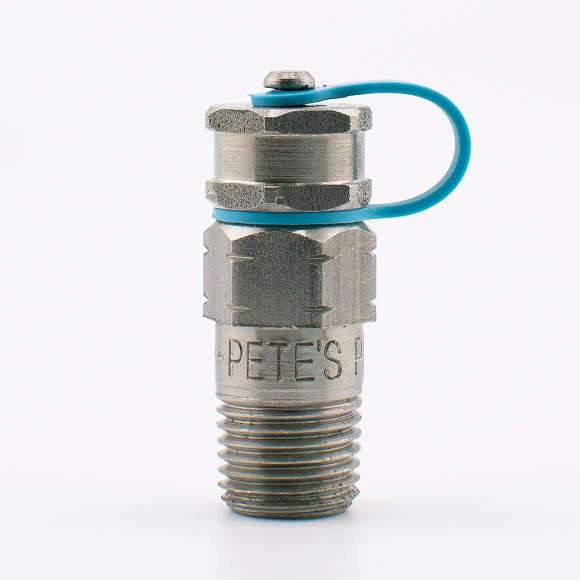 #691008
Pete's Plug #691008
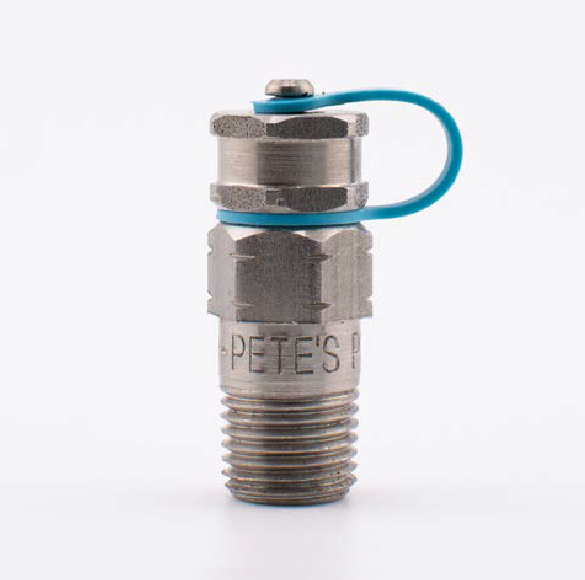 #691005
Pete's Plug #691005
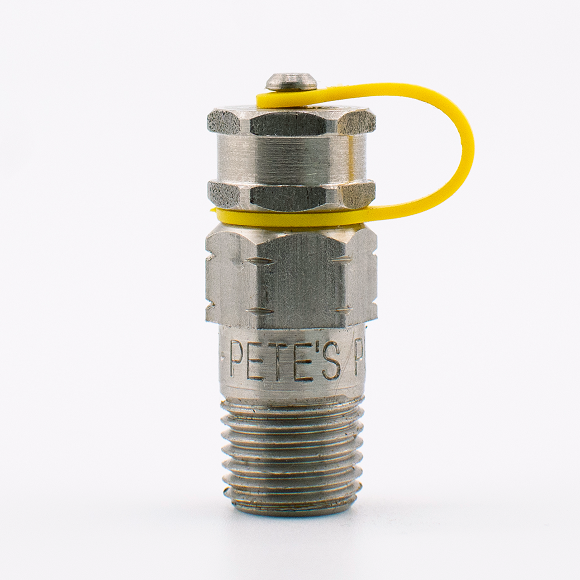 #691007
Pete's Plug #691007
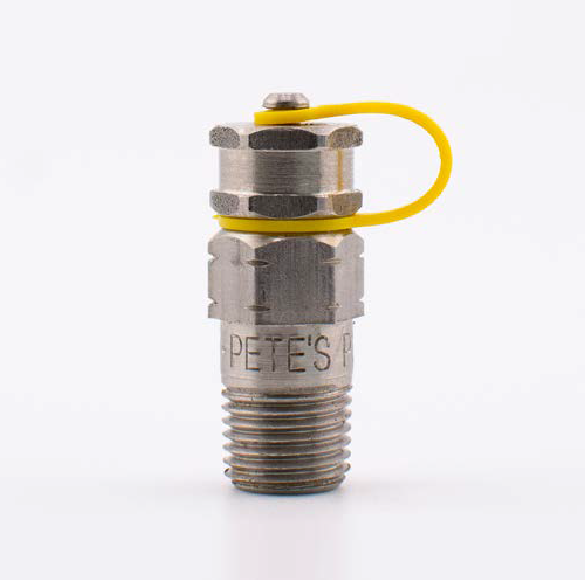 #691004
Pete's Plug #691004
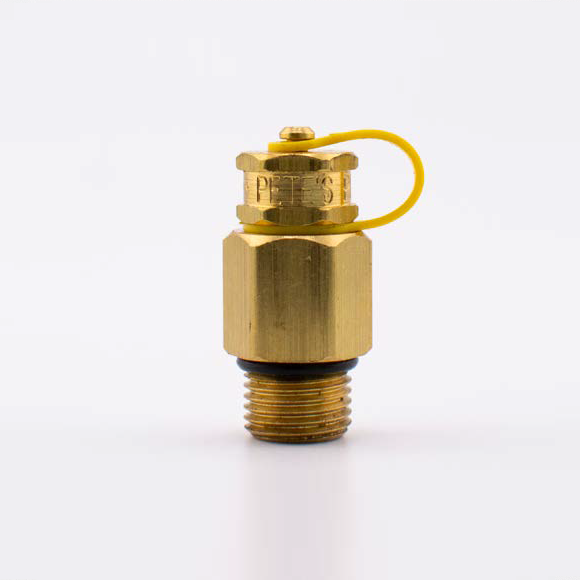 #572
#572Pete's Plug #572
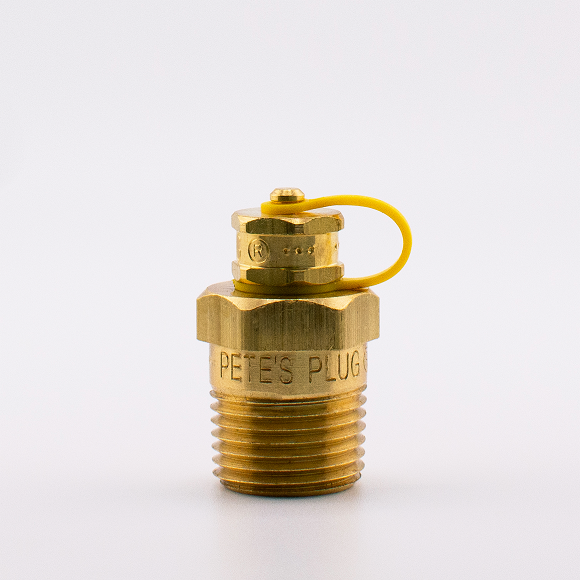 #691019
Pete's Plug #691019
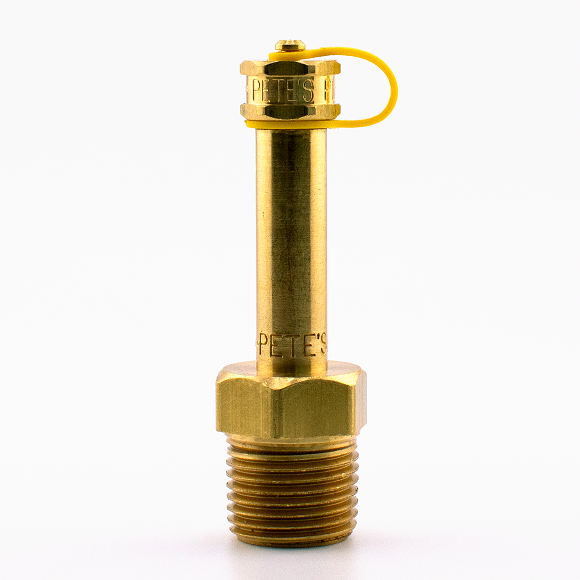 #691018
Pete's Plug #691018
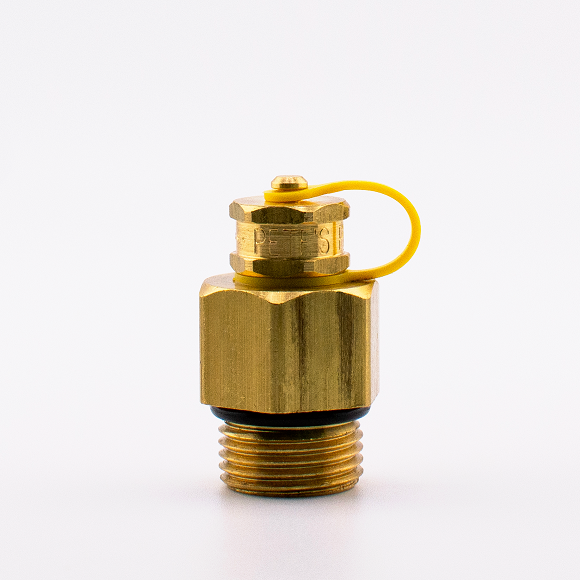 #760
#760Pete's Plug #760
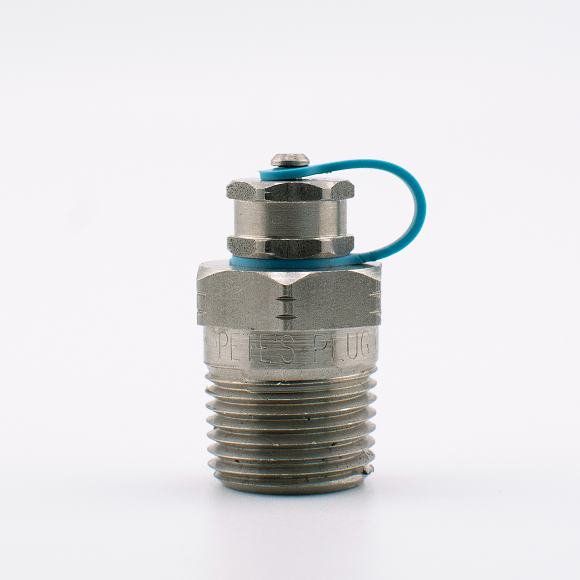 #691016
Pete's Plug #691016
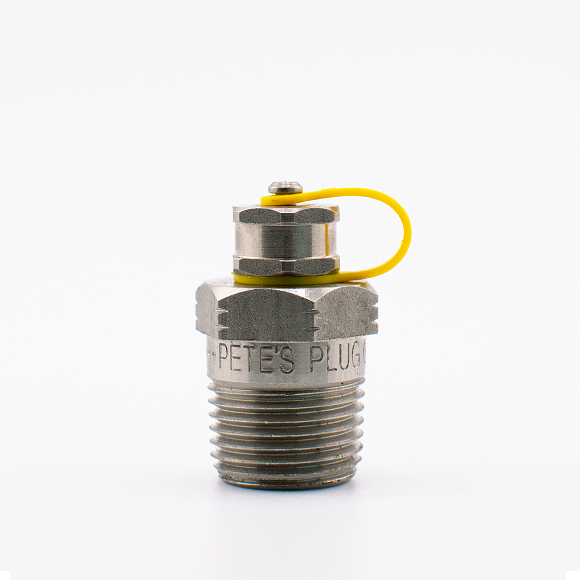 #691022
Pete's Plug #691022
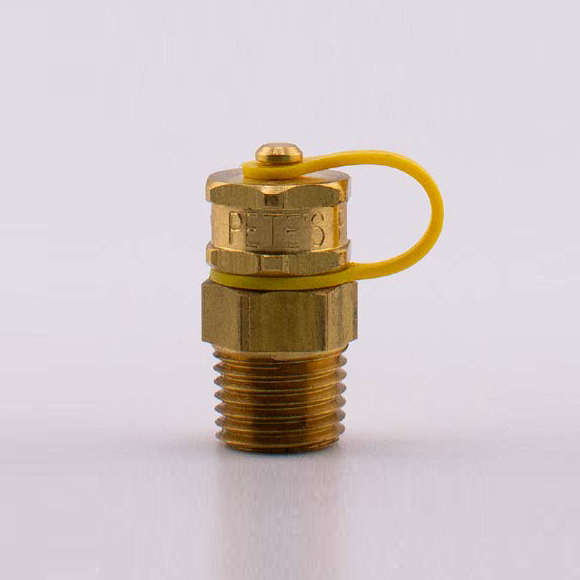 #691021
Pete's Plug #691021
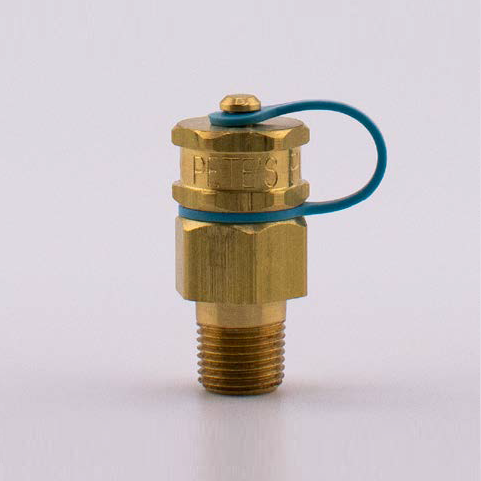 #691014
Pete’s Plug #691014
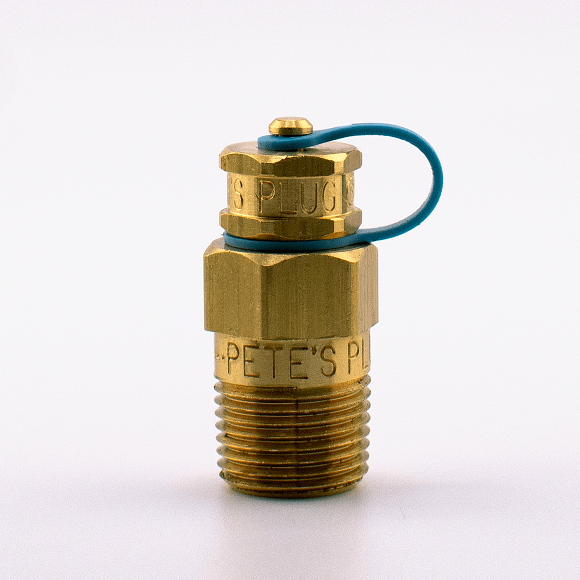 #691013
Pete’s Plug #691013
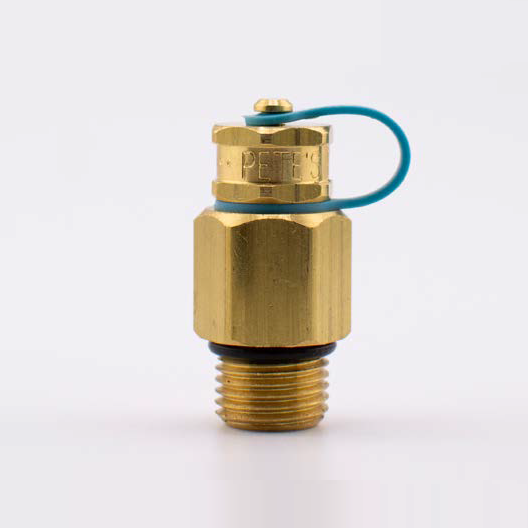 #562
#562Pete’s Plug #562
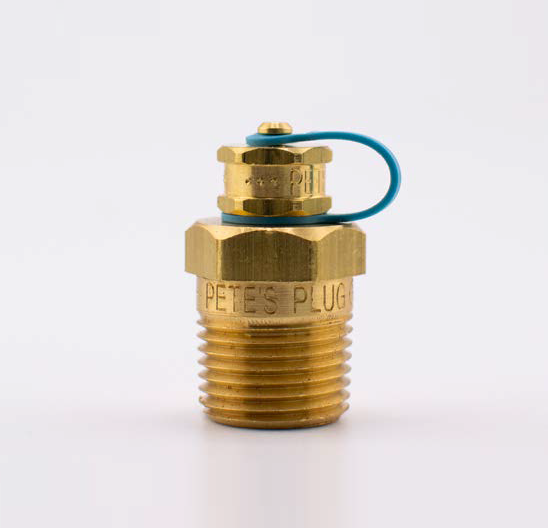 #691012
Pete’s Plug #691012
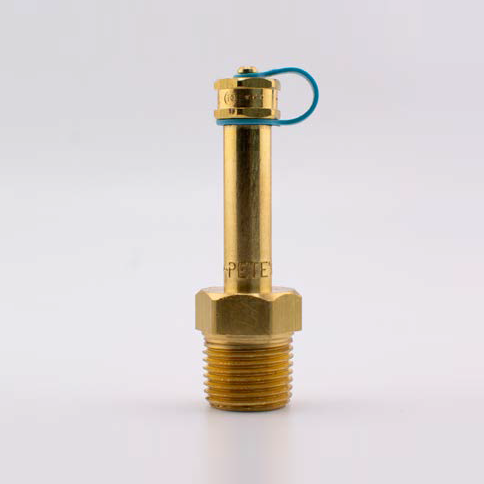 #691011
Pete’s Plug #691011
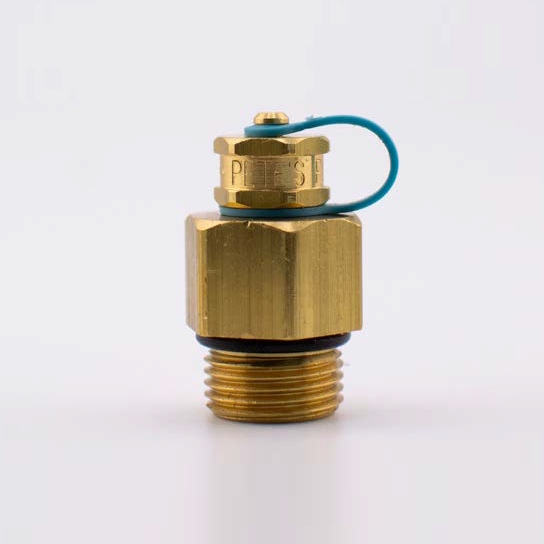 #750XL
Pete’s Plug #750XL
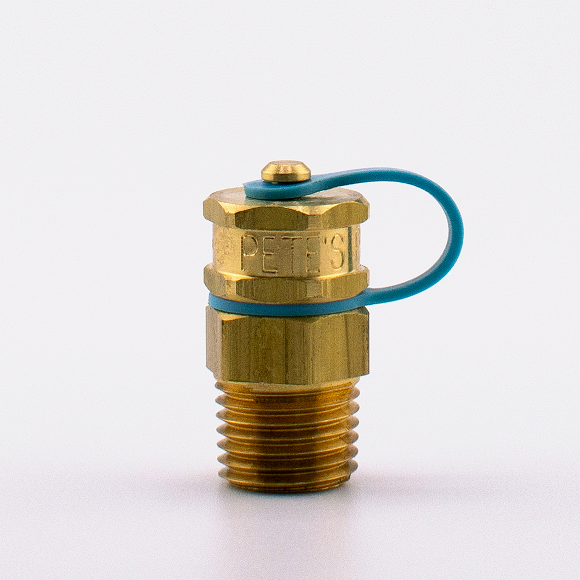 #691015
Pete’s Plug #691015
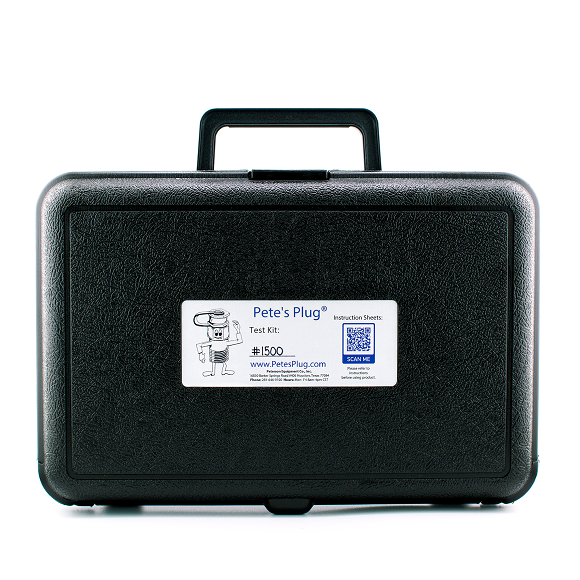 #691029
Pressure & Temperature Test Kit 0-100psi
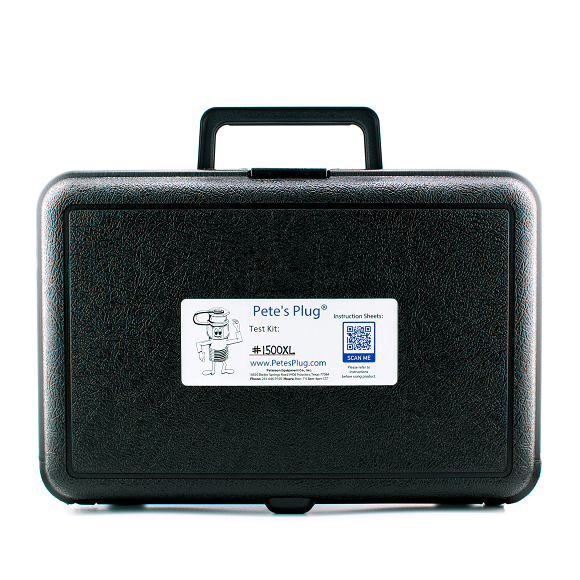 #691030
Pressure & Temperature Test Kit 0-100psi for XL
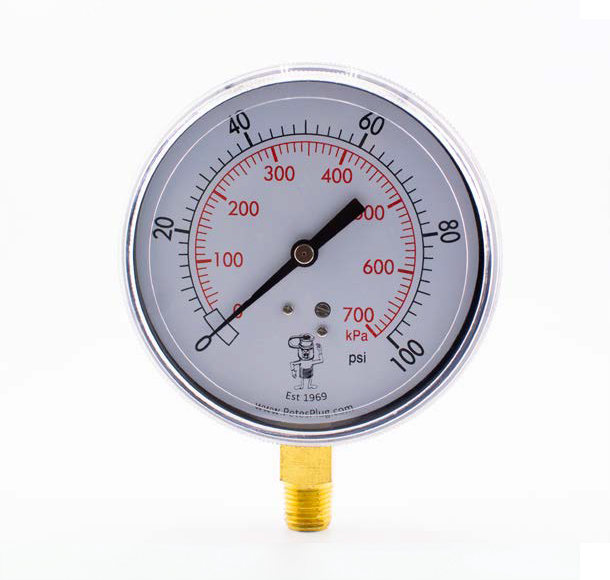 #1500-5
Pressure Gauge 0-100 PSI BSP Stem
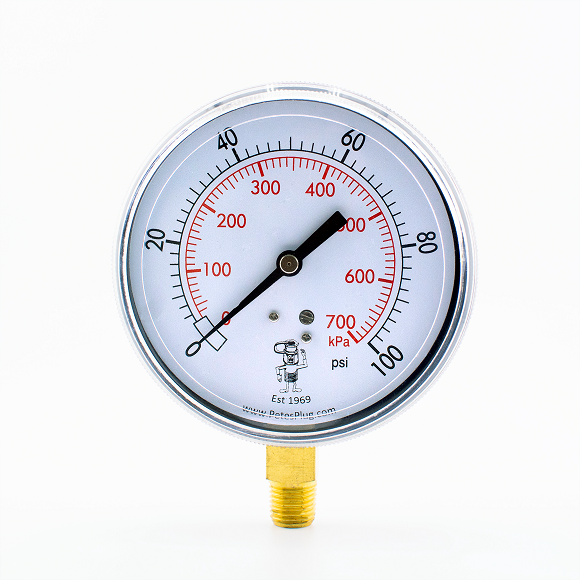 #1500-4
Pressure Gauge 0-100 PSI NPT Stem
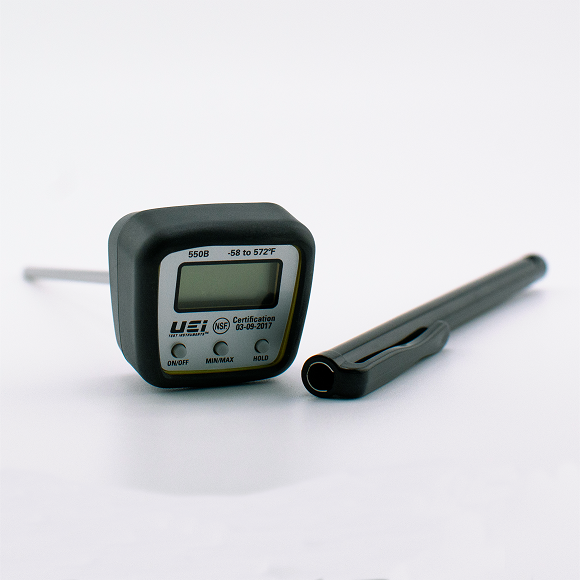 #606
#606Thermometer -58°F to 550°F
-
-
-





WHS ACT 2011 AND PIPE SUPPORTS: WHAT ENGINEERS AND CONTRACTORS IN OIL, GAS, AND MINING NEED TO KNOW

Pipe supports are a small component in a large system. Under Australian work health and safety law, they carry a compliance obligation that extends to everyone who touches them, from the engineer who specifies them to the contractor who installs them.
What the WHS Act 2011 actually requires
The Work Health and Safety Act 2011 places a primary duty of care on persons who conduct a business or undertaking. For pipe supports, this means designers, manufacturers, suppliers, and installers all carry obligations.
A designer must ensure, so far as is reasonably practicable, that plant or structures are designed to be without risks to health and safety. A supplier must ensure the plant or structure is without risks when used for its intended purpose. A contractor who installs pipe supports must do so in accordance with the design intent.
These are not aspirational standards. They are legal obligations.
AS 4041 and the four hazard tiers
AS 4041-2006 is the Australian standard for pressure piping. It applies to the majority of oil, gas, and mining piping systems and sets out mandatory requirements for pipe support spacing based on a four-tier hazard classification. These tiers are risk-based, and range from Tier 1 (toxic hydrocarbons, high pressure steam) to Tier 4 (benign fluids, water, air, inert gases at low pressure and temperature).
The hazard level determines the level of design verification, documentation, and inspection required. Higher hazard classifications require more rigorous compliance and the consequences of non-compliance scale accordingly.
The support spacing requirements in Table 3.28.2 are mandatory minimums, not guidelines. The maximum spacing between supports is 2.0 metres for DN25, 4.0 metres for DN100, and 6.0 metres for DN400. Depending on pipe manufacturer recommendations and other factors such as wind load, pressure, vibration, or flood modelling, support spacings may well be reduced.
Exceeding these spacings without engineering justification is a non-conformance under the standard.
What this means for specifiers
Specifying on price alone creates exposure. A support that does not meet the load rating, material specification, or environmental requirements for the application is not compliant, regardless of cost.
The specifier carries responsibility for ensuring the selected product is fit for purpose. That means correct load rating, correct material for the operating temperature and environment, correct configuration for the support type, and complete QA/QC documentation to demonstrate compliance.
Substituting a specified support on site with a cheaper or more readily available alternative, without engineering approval, is a compliance failure that can create liability for both the contractor and the specifier.
What this means for contractors
Installation must follow the design intent. Support spacing must match the specification and installation instructions must be followed. Material substitutions require engineering sign-off, and a contractor who makes unauthorised modifications to a pipe support specification is not protected from liability by the fact that the job got done.
Documentation is not optional
On regulated projects, QA/QC records form part of the compliance evidence. Material certificates, weld certifications, and traceability records must be in order before handover. A project that passes visual inspection but fails on documentation can still be held at handover.
Where Binder fits in
Binder’s team provides technical input to help engineers and specifiers select the right product for the application. That includes load ratings, material selection, and support configuration guidance based on information supplied by the project team.
Binder can supply full QA/QC documentation with orders where required, including material certificates, weld certifications, and traceability records.
The compliance obligation remains with the project design engineer and the contractor. Binder provides technical support only.
If you’re specifying pipe supports for a regulated project and want to understand what documentation is available, contact the Binder team.