- Products
-
-
-
Categories
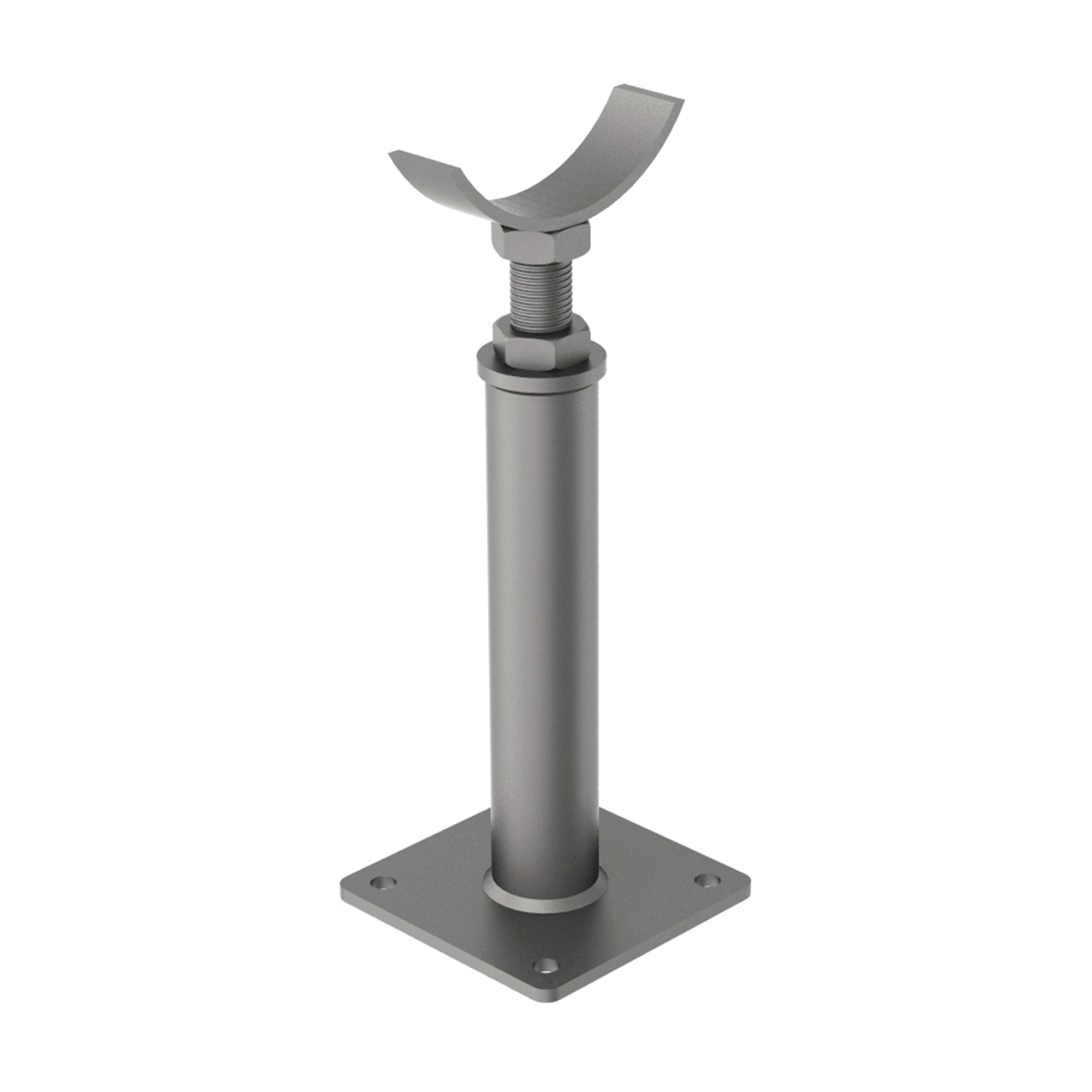
 AG630
AG630HEIGHT ADJUSTABLE SUPPORT - CRADLE MOUNT
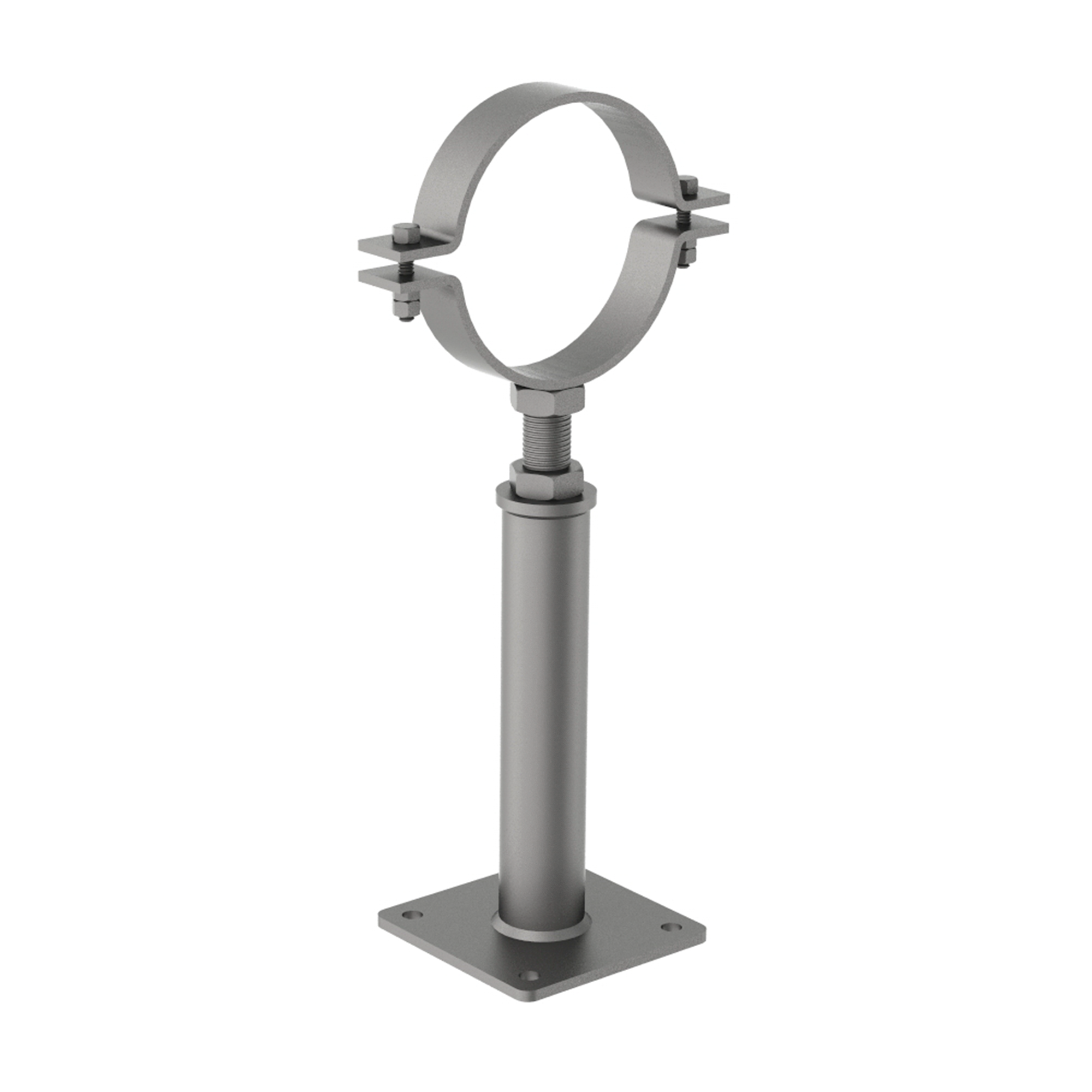 AG631
AG631HEIGHT ADJUSTABLE SUPPORT - CLAMP MOUNT
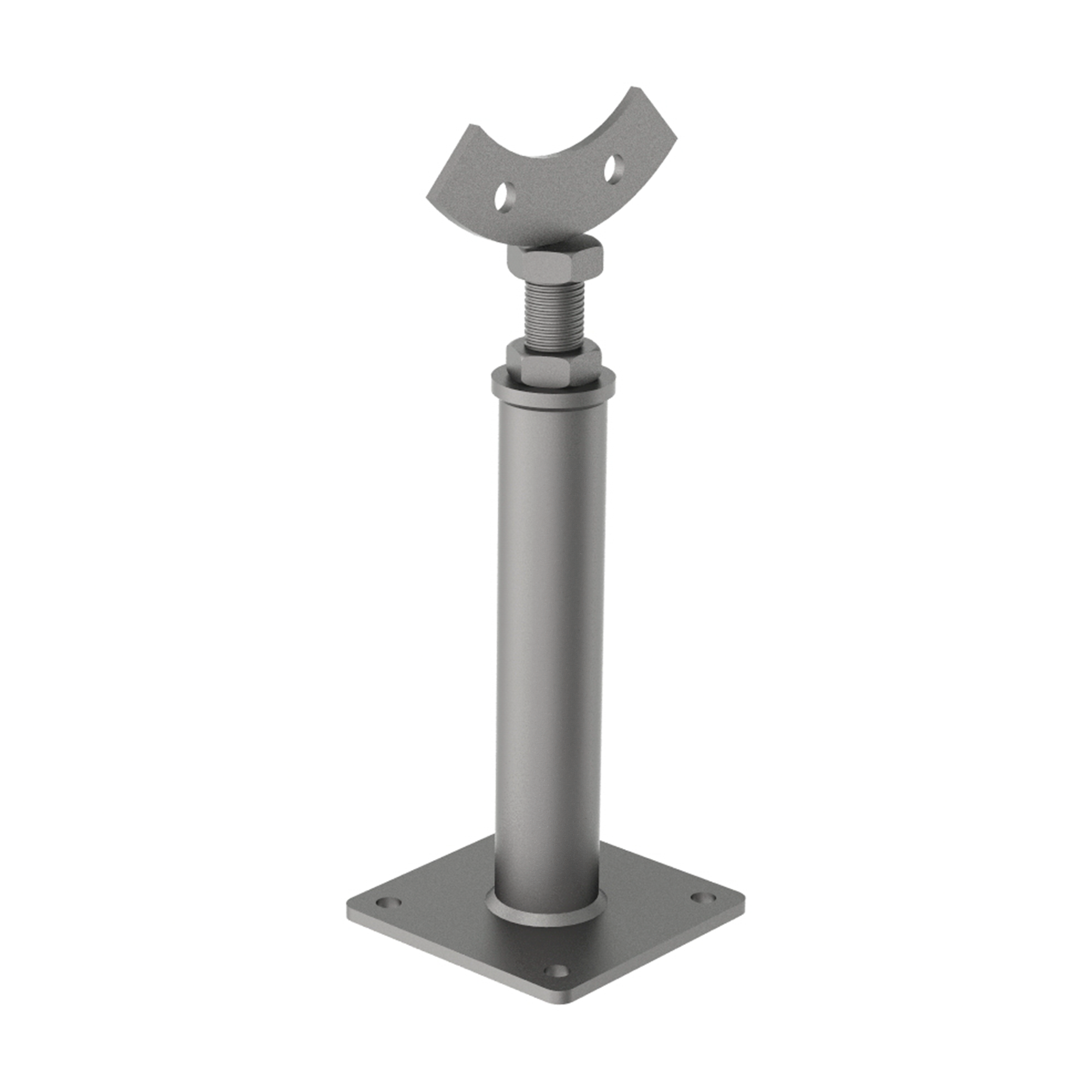 AG632
AG632HEIGHT ADJUSTABLE FLANGE MOUNT
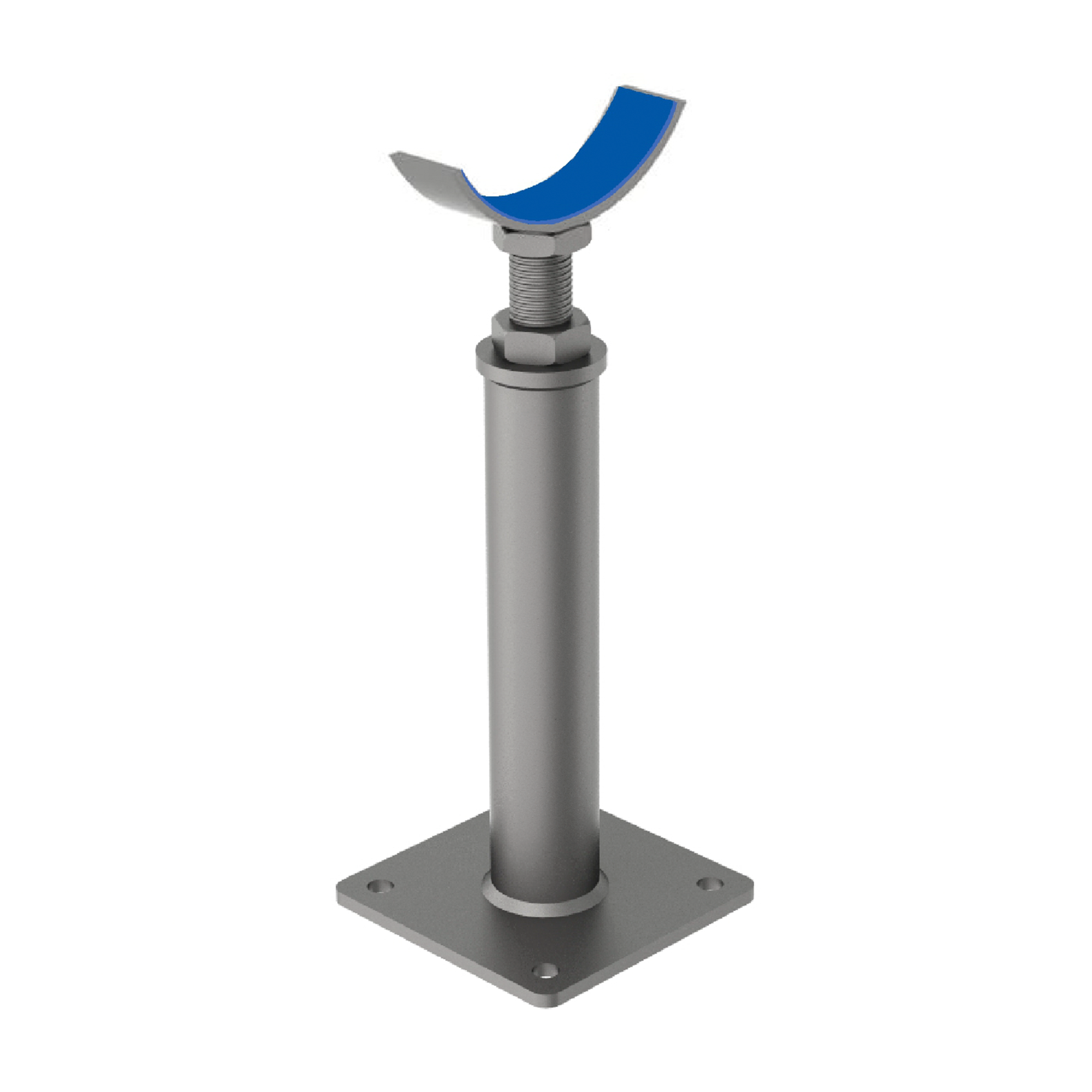 AG634
AG634INSULATED HEIGHT ADJUSTABLE SUPPORT - CRADLE MOUNT
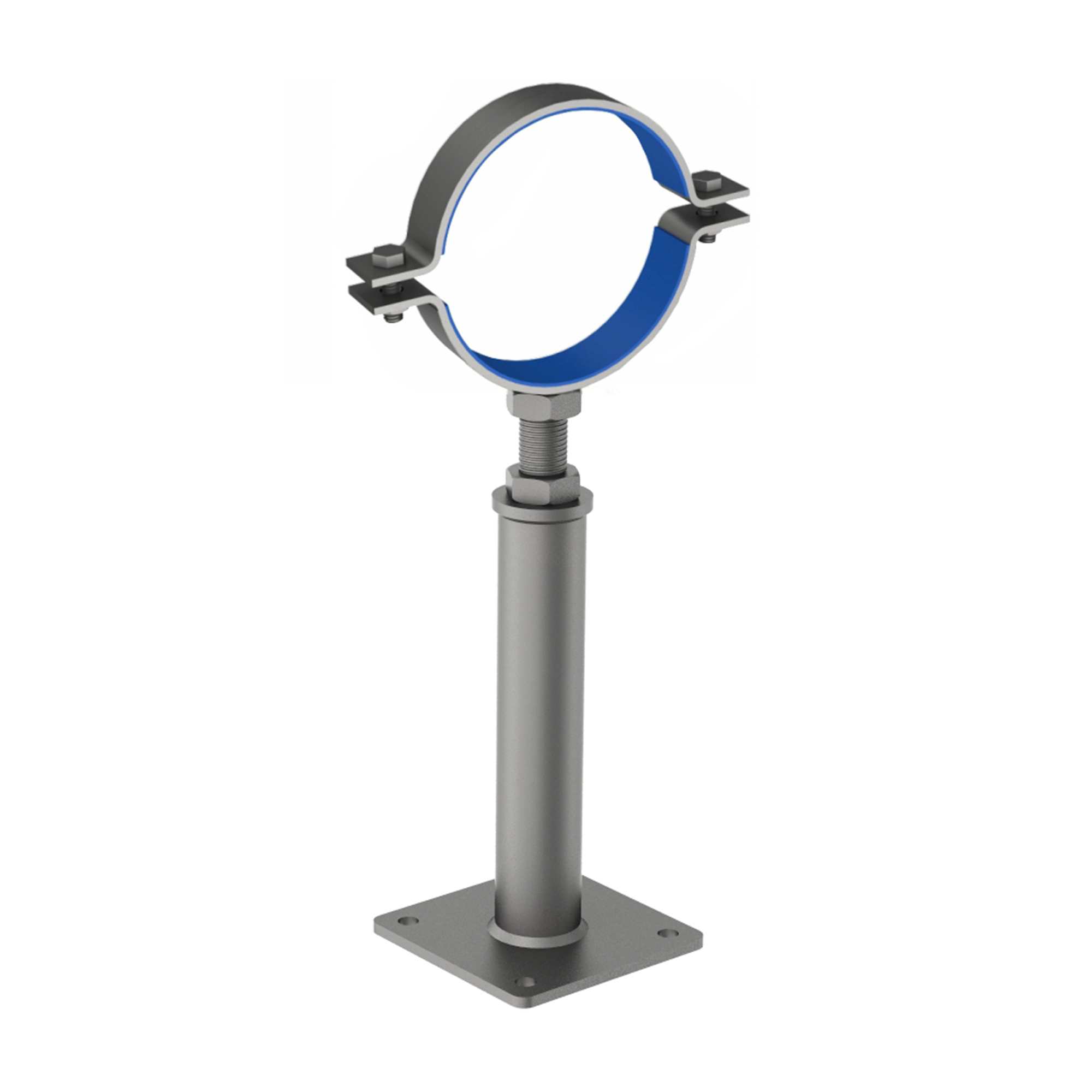 AG636
AG636INSULATED HEIGHT ADJUSTABLE SUPPORT - CLAMP MOUNT
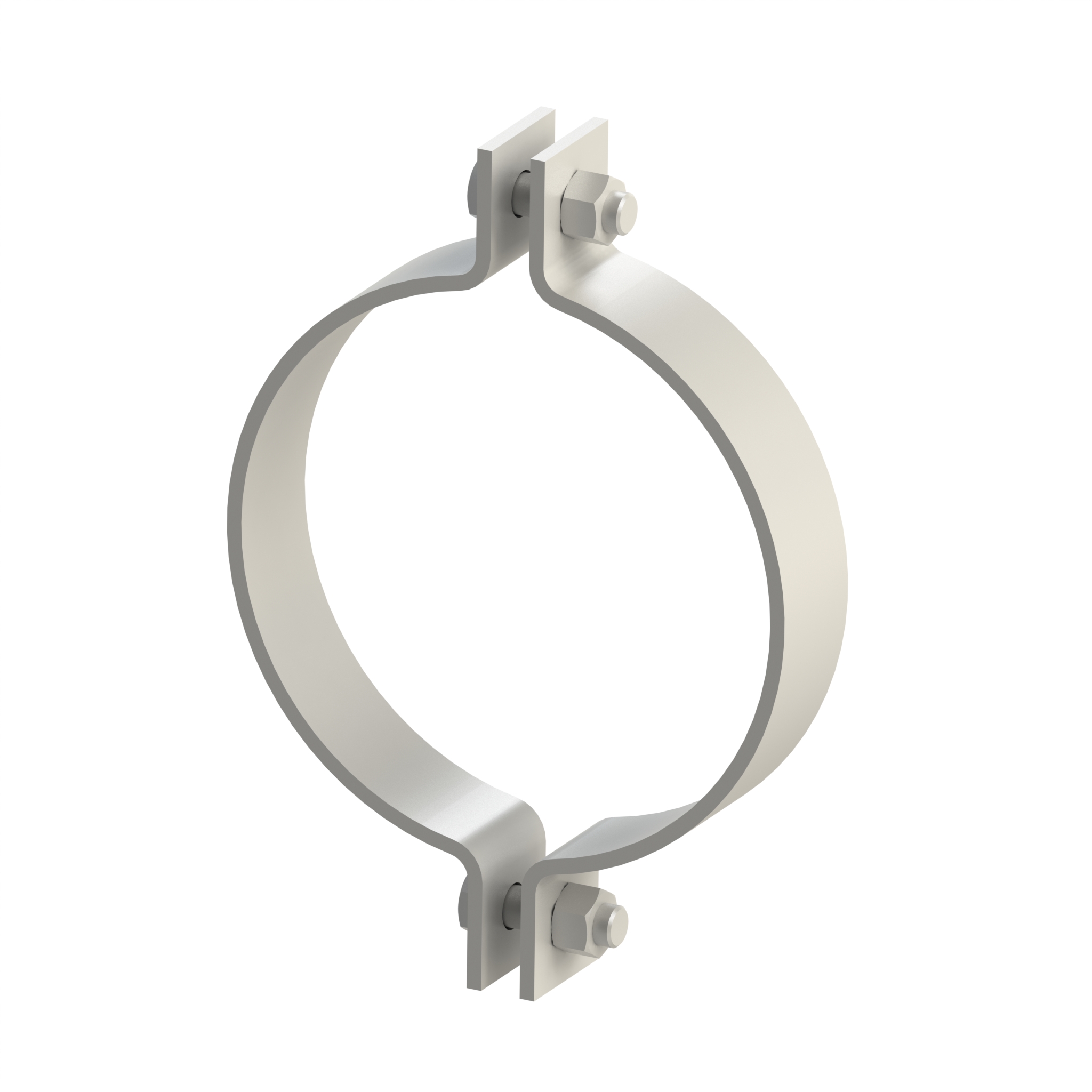 BG100
BG100LIGHT DUTY 2-BOLT CLAMP
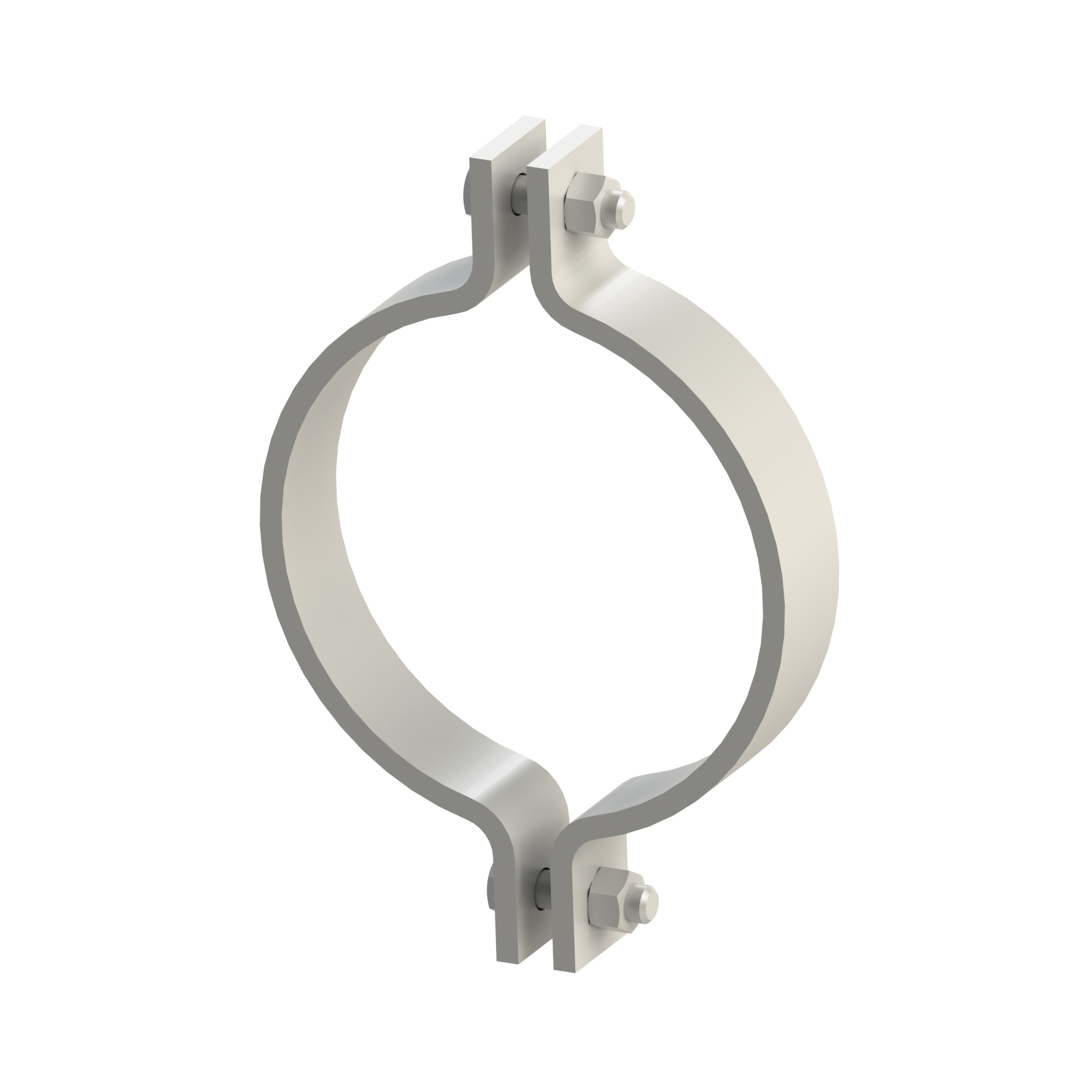 BG170
BG170MEDIUM DUTY 2-BOLT PIPE CLAMP
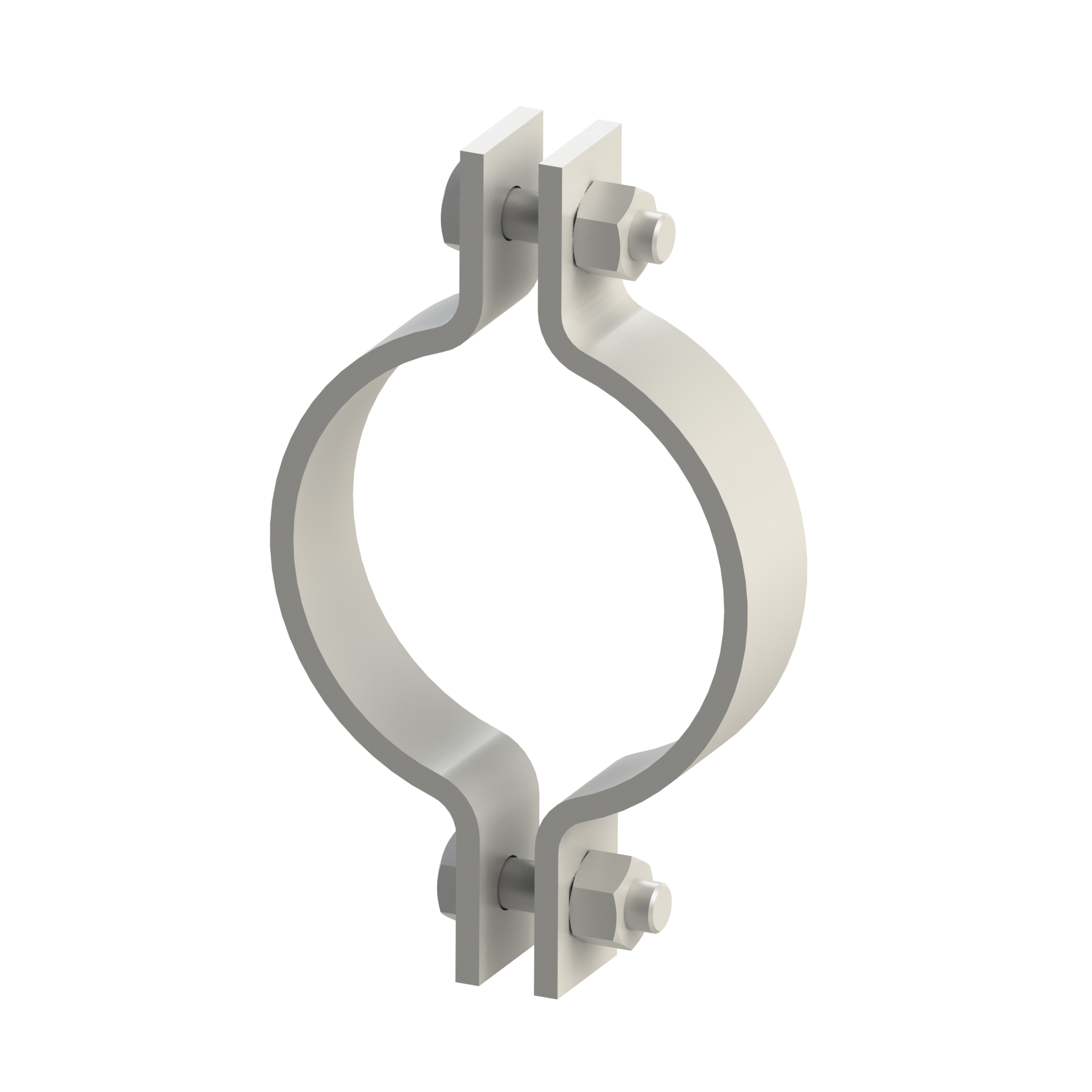 BG50
BG50HEAVY DUTY 2-BOLT PIPE CLAMP
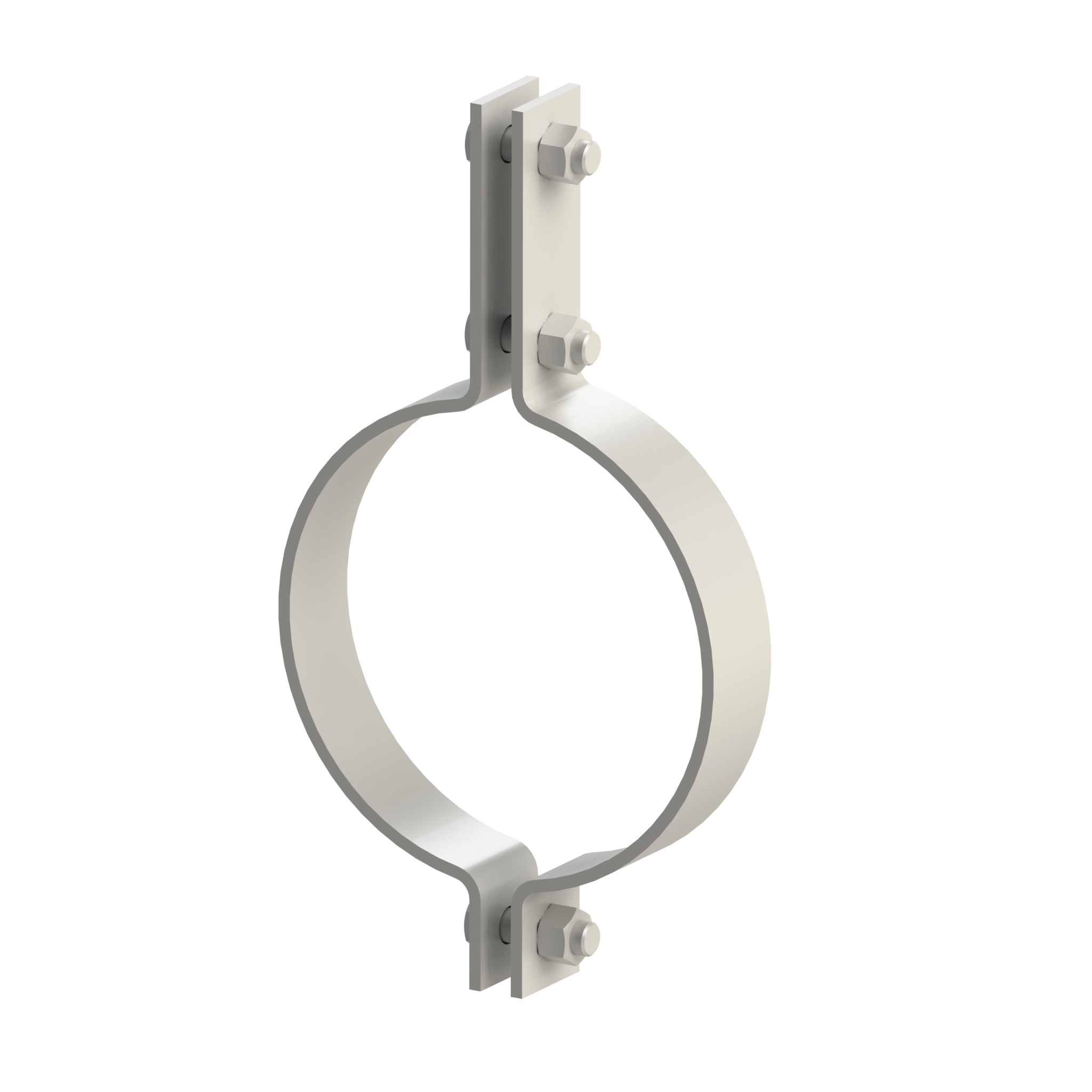 BG101
BG101LIGHT DUTY 3-BOLT PIPE CLAMP
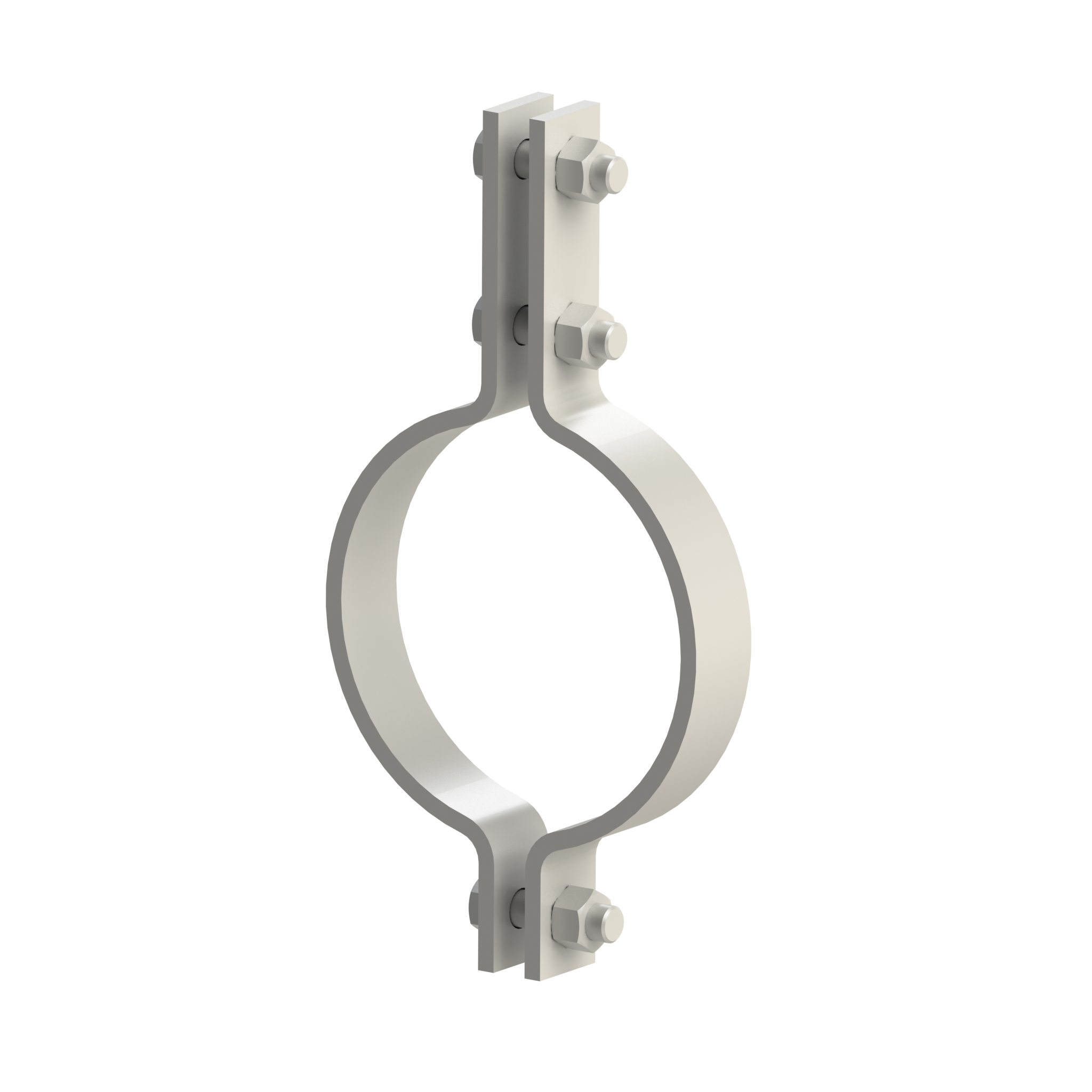 BG171
BG171MEDIUM DUTY 3-BOLT PIPE CLAMP FOR STEEL PIPE
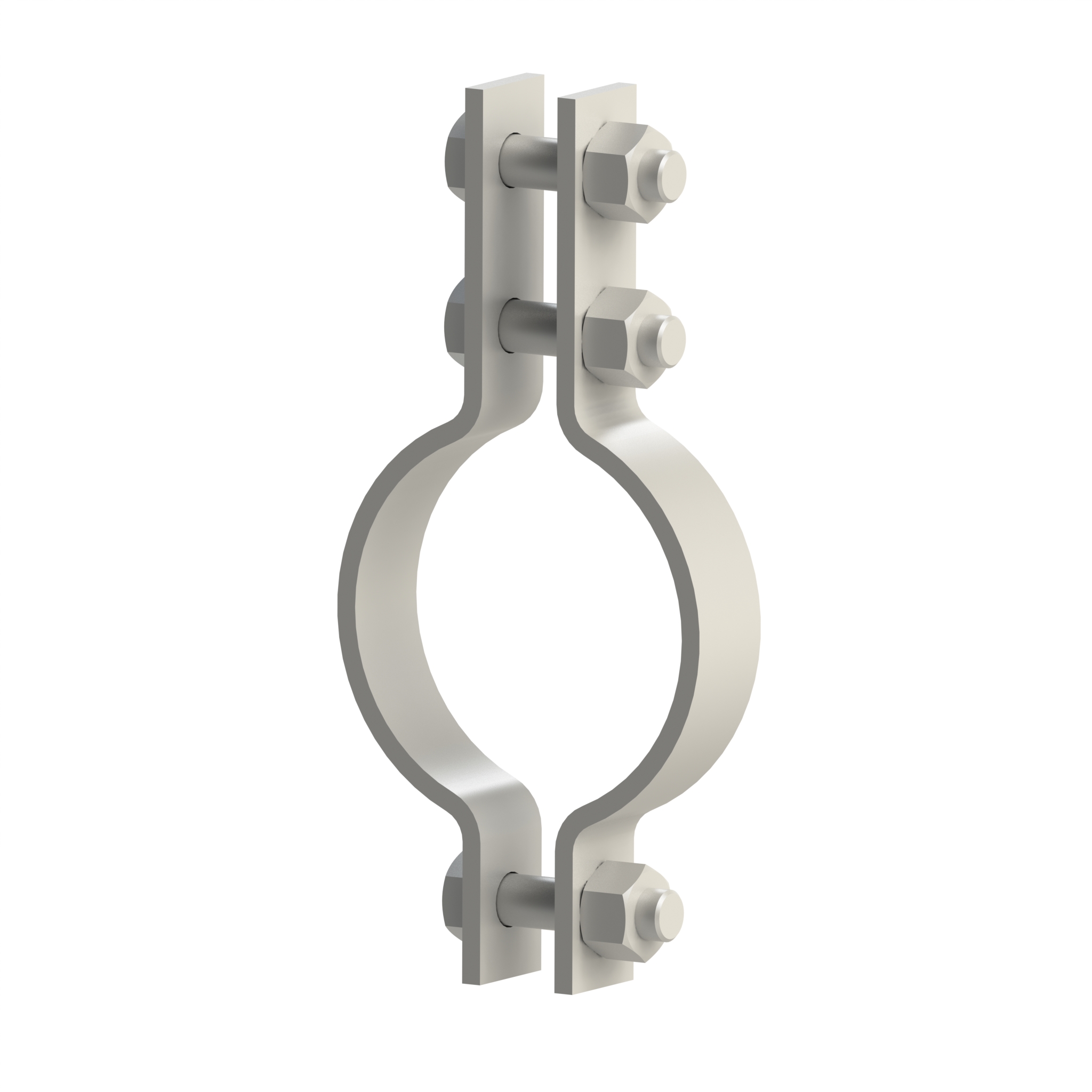 BG75
BG75HEAVY DUTY 3-BOLT PIPE CLAMP
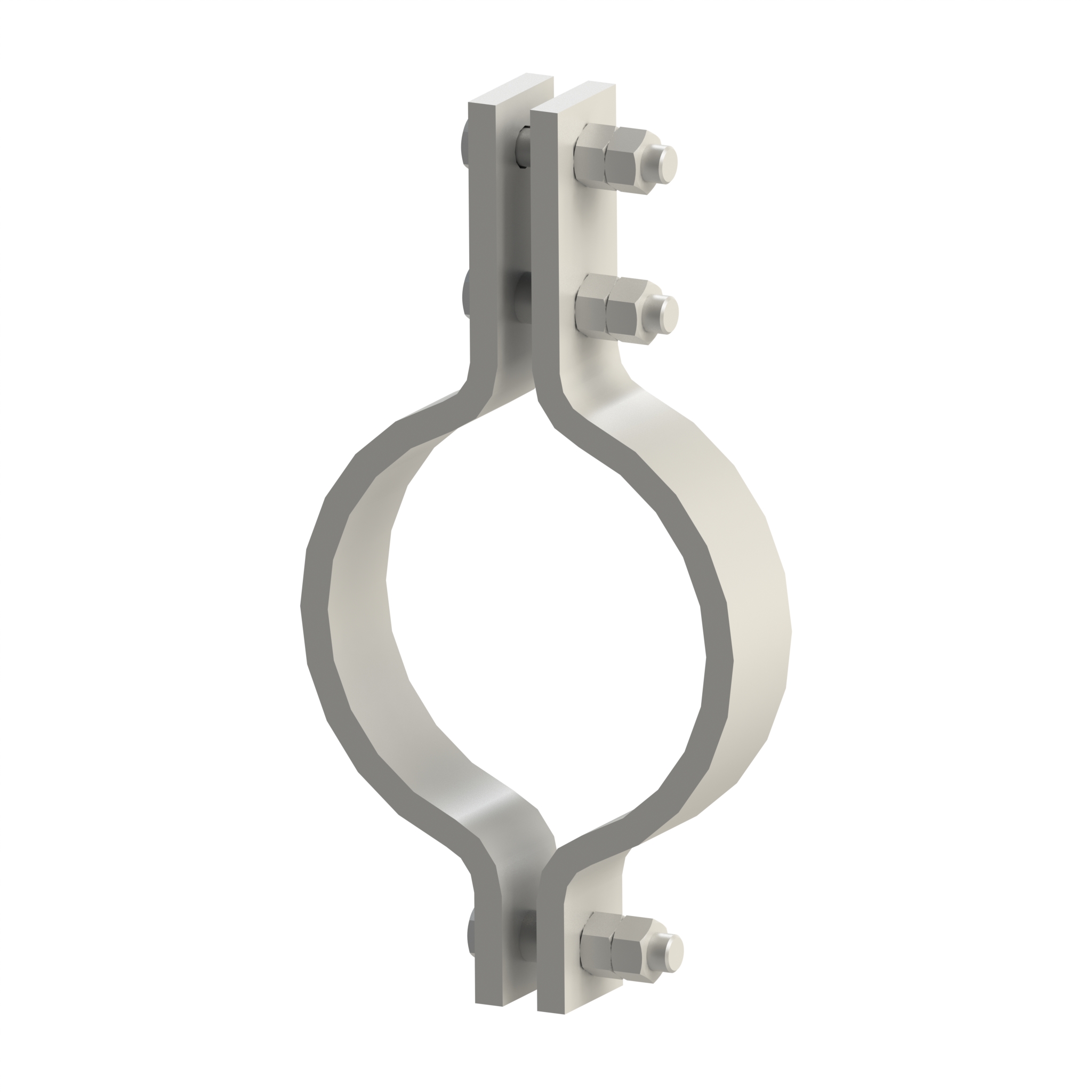 BG172
BG172HIGH TEMPERATURE 3-BOLT PIPE CLAMP
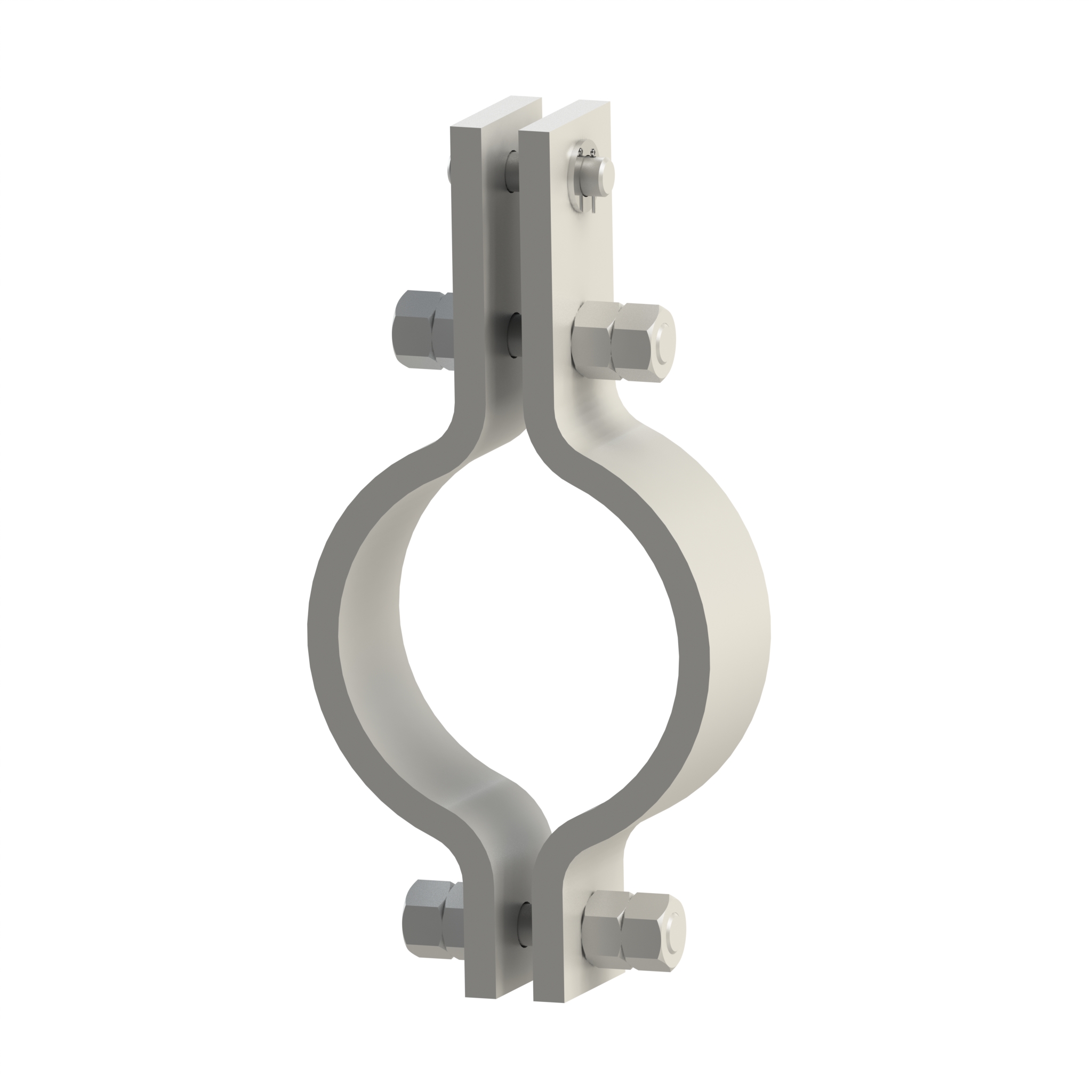 BG173
BG173ALLOY PIPE CLAMP - VERY HIGH TEMPERATURE
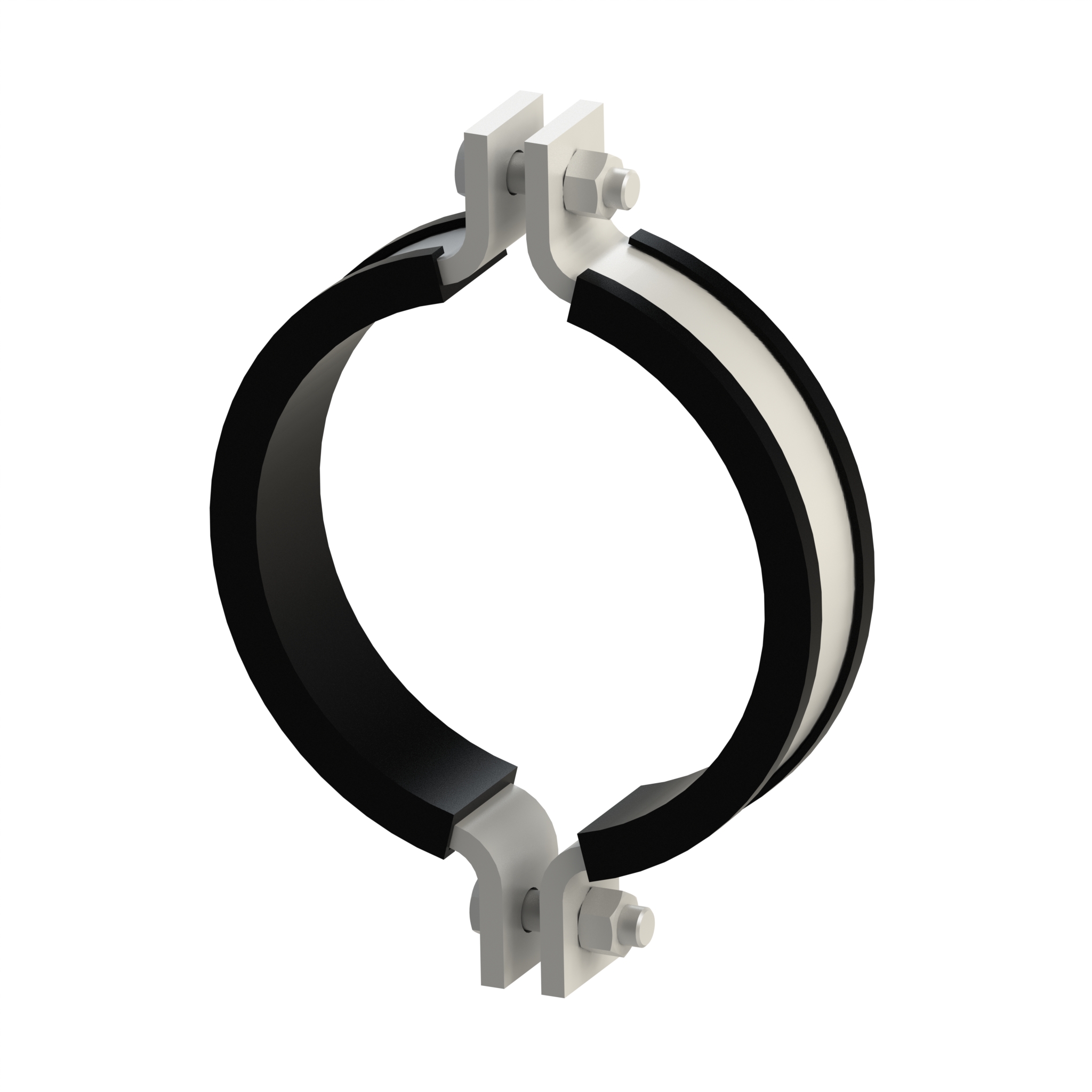 BG140
BG140INSULATED 2-BOLT PIPE CLAMP
BG141INSULATED 2-BOLT PIPE CLAMP FOR CU/NI
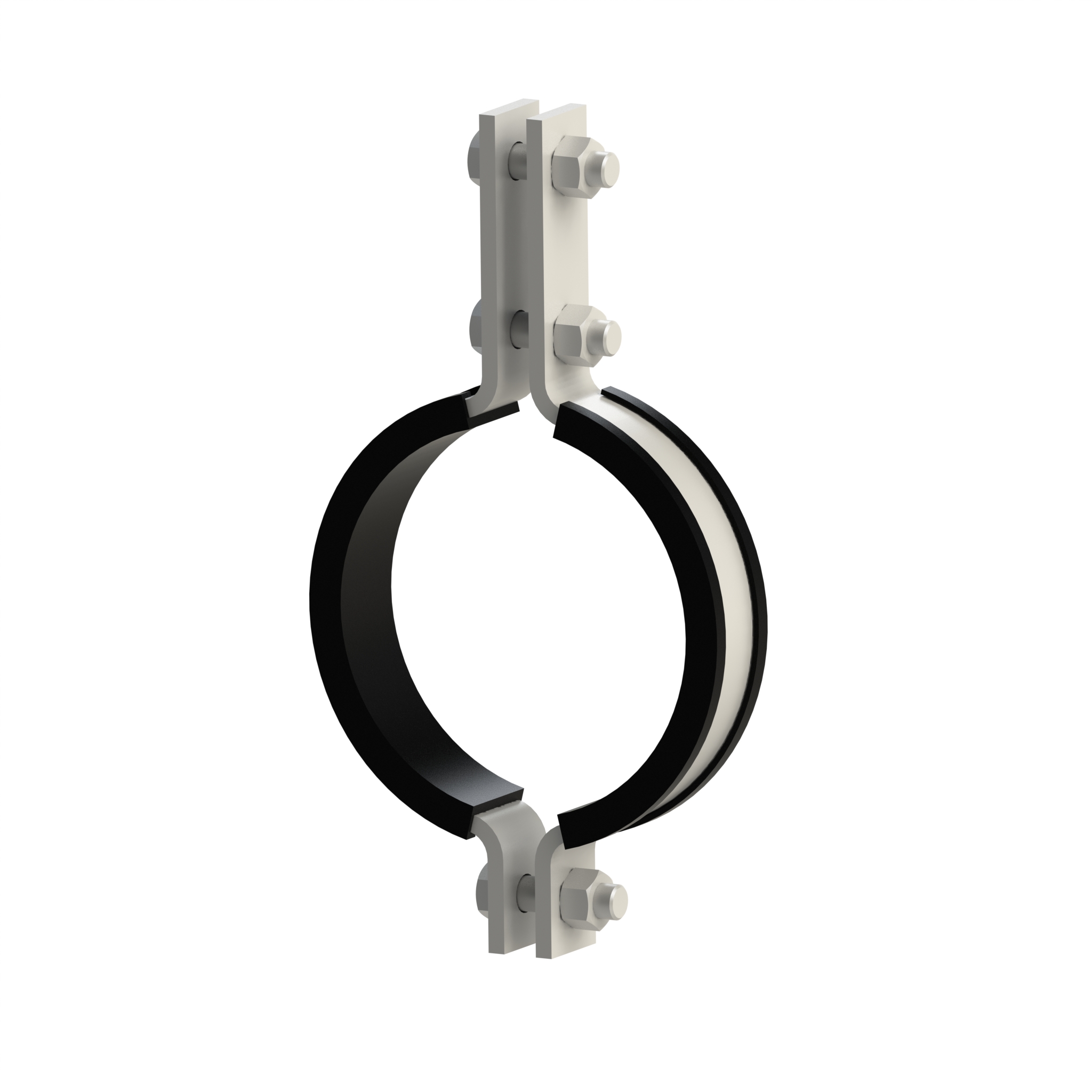 BG145
BG145INSULATED 3-BOLT PIPE CLAMP
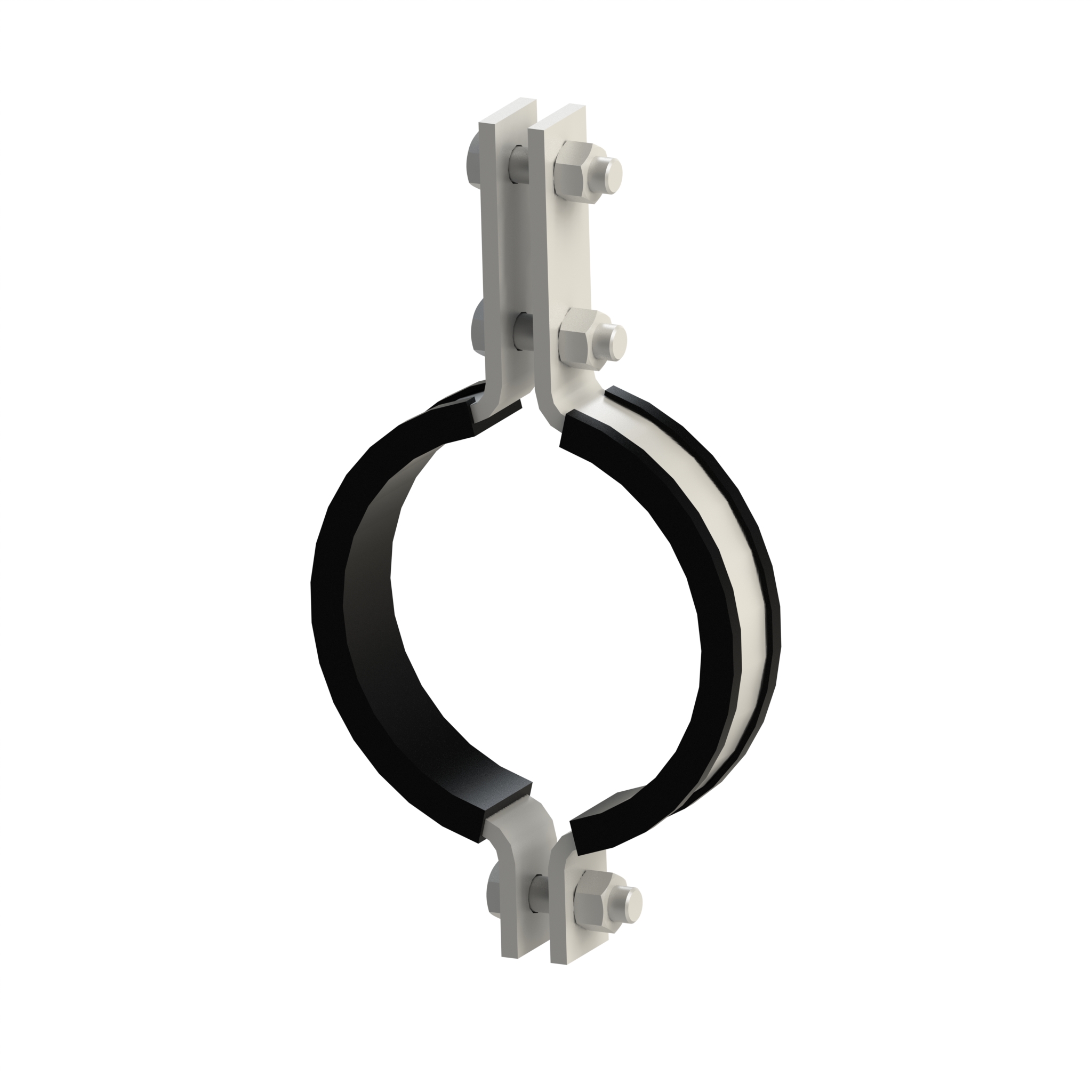 BG146
BG146INSULATED 3-BOLT PIPE CLAMP FOR CU/NI
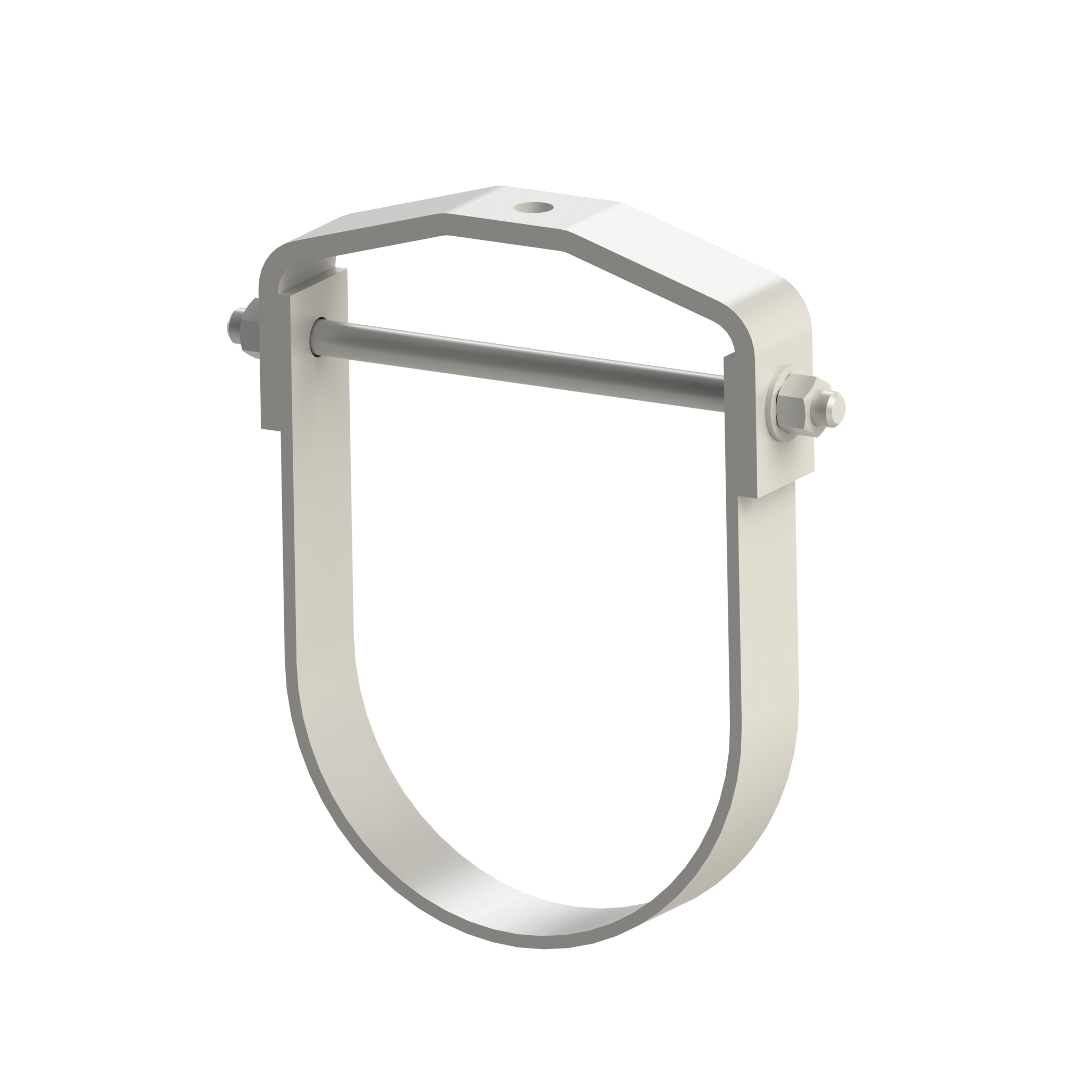 BG108
BG108CLEVIS CLAMP
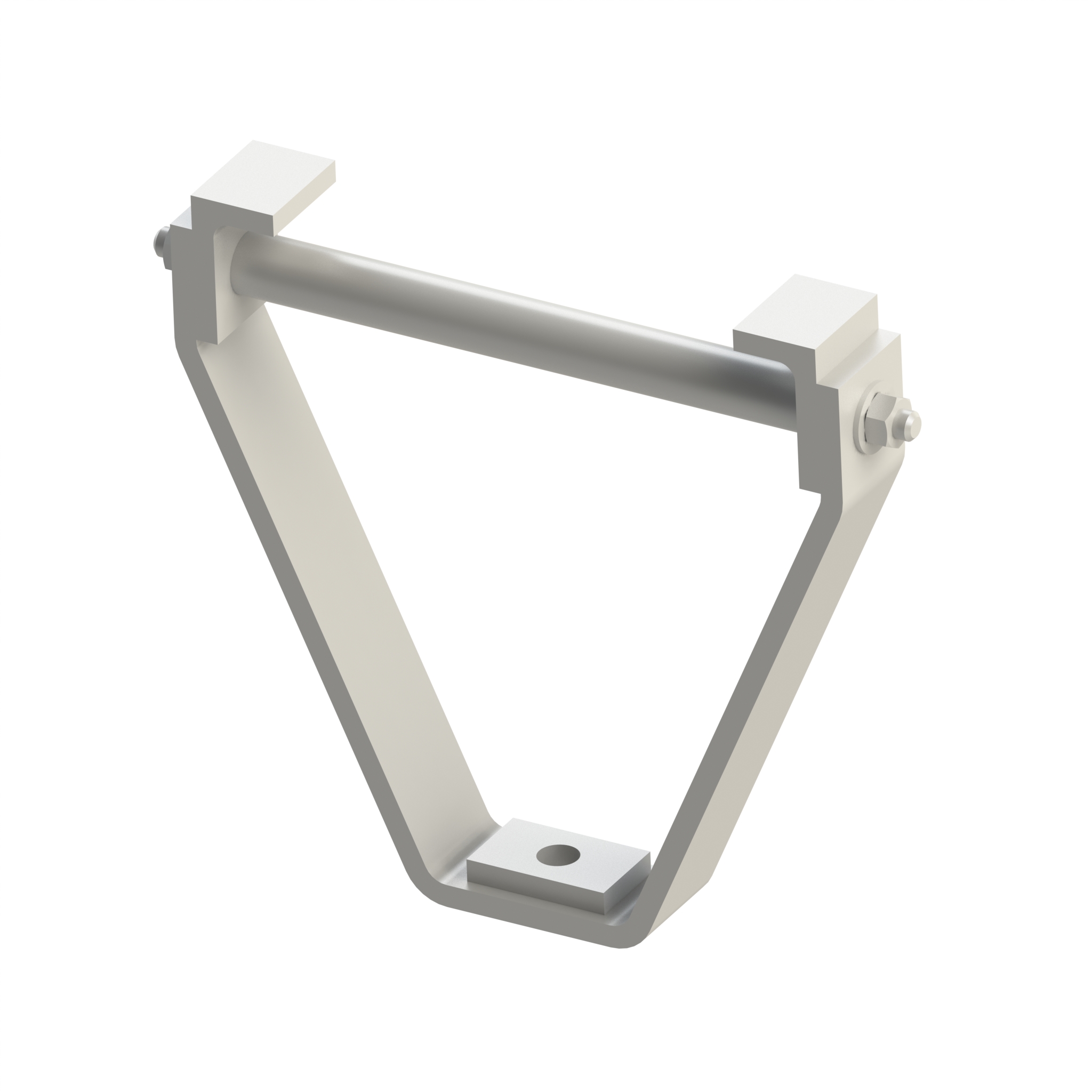 BG222
BG222BEAM CLAMP
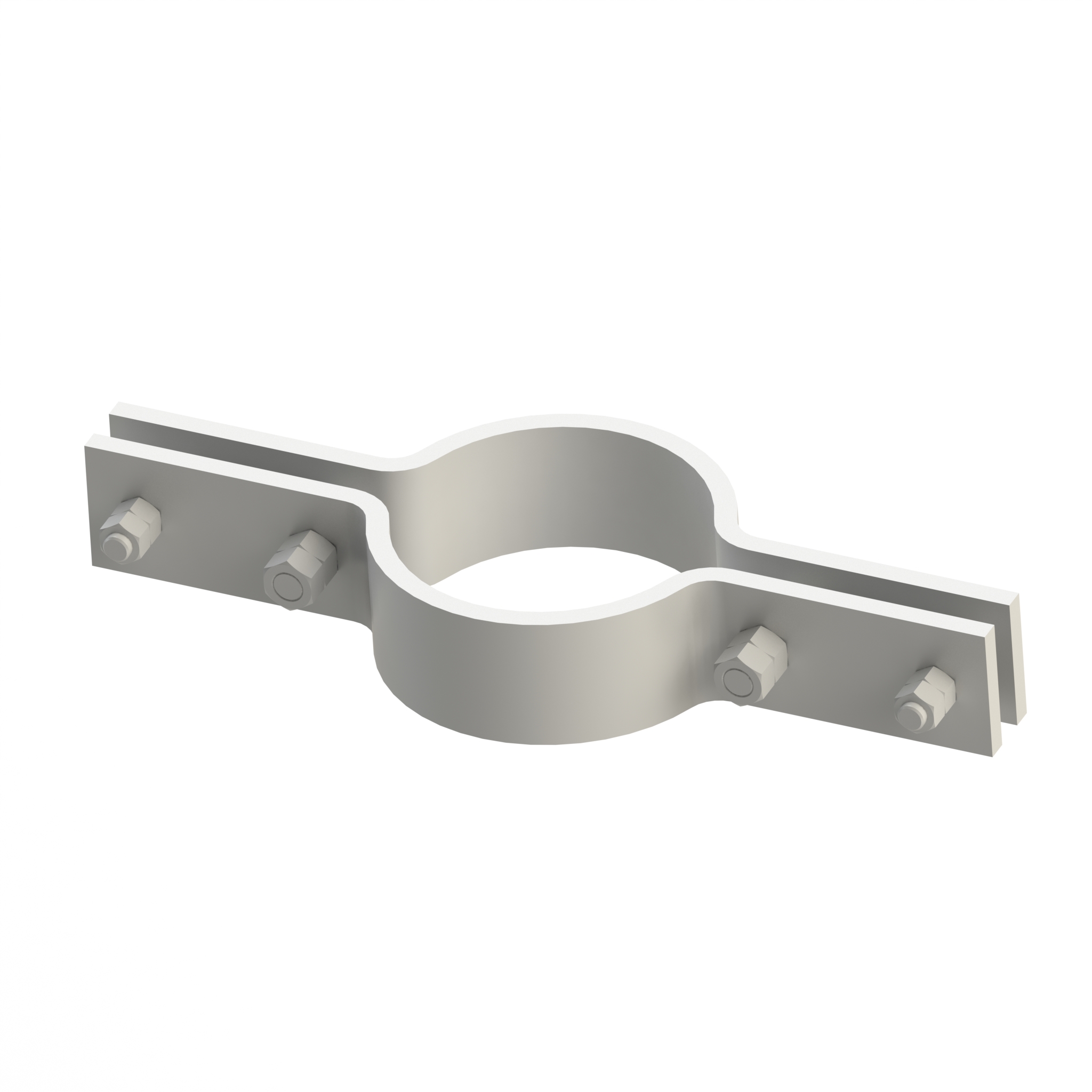 BG174
BG174RISER SUPPORT – STD TEMPERATURE
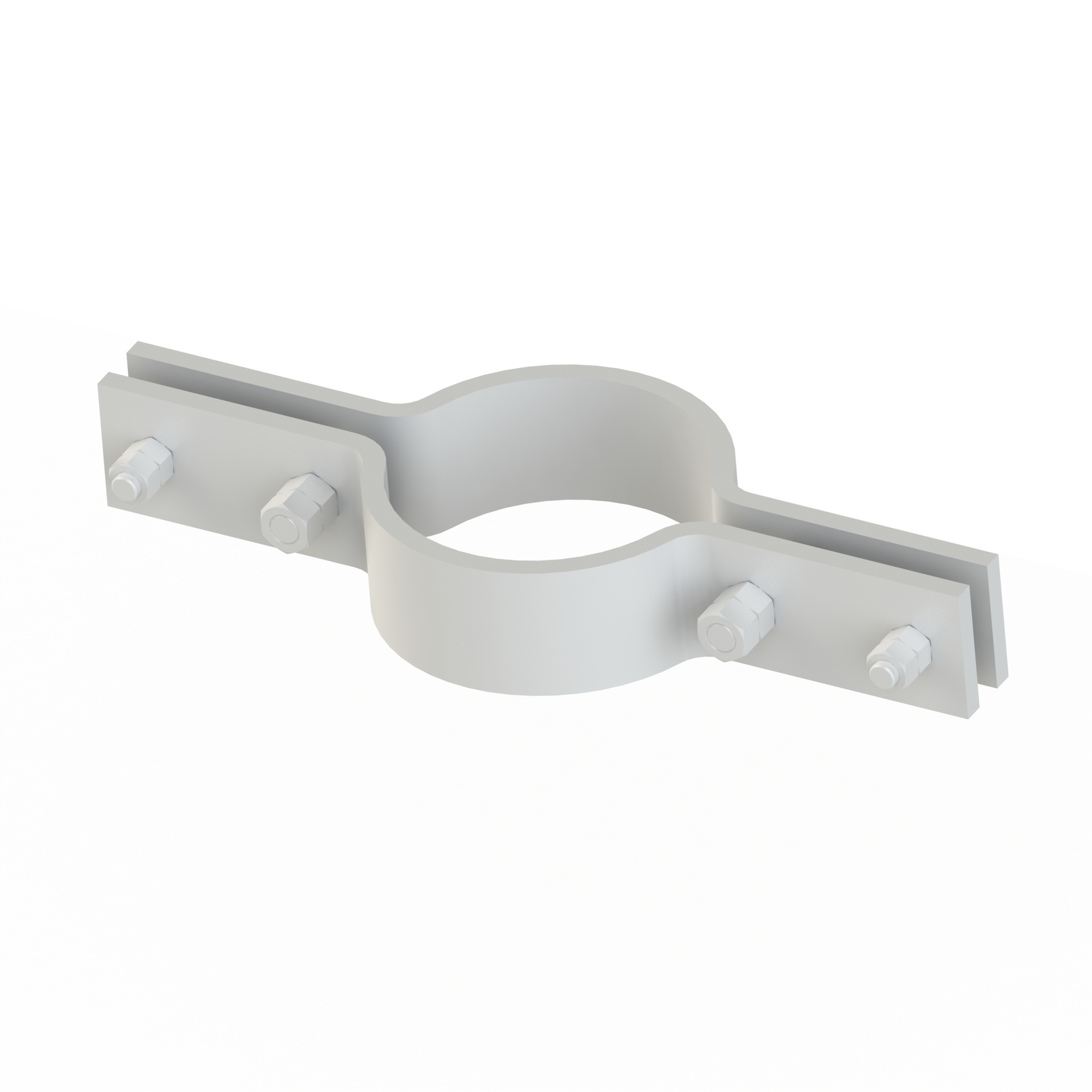 BG175
BG175RISER SUPPORT – HIGH TEMPERATURE
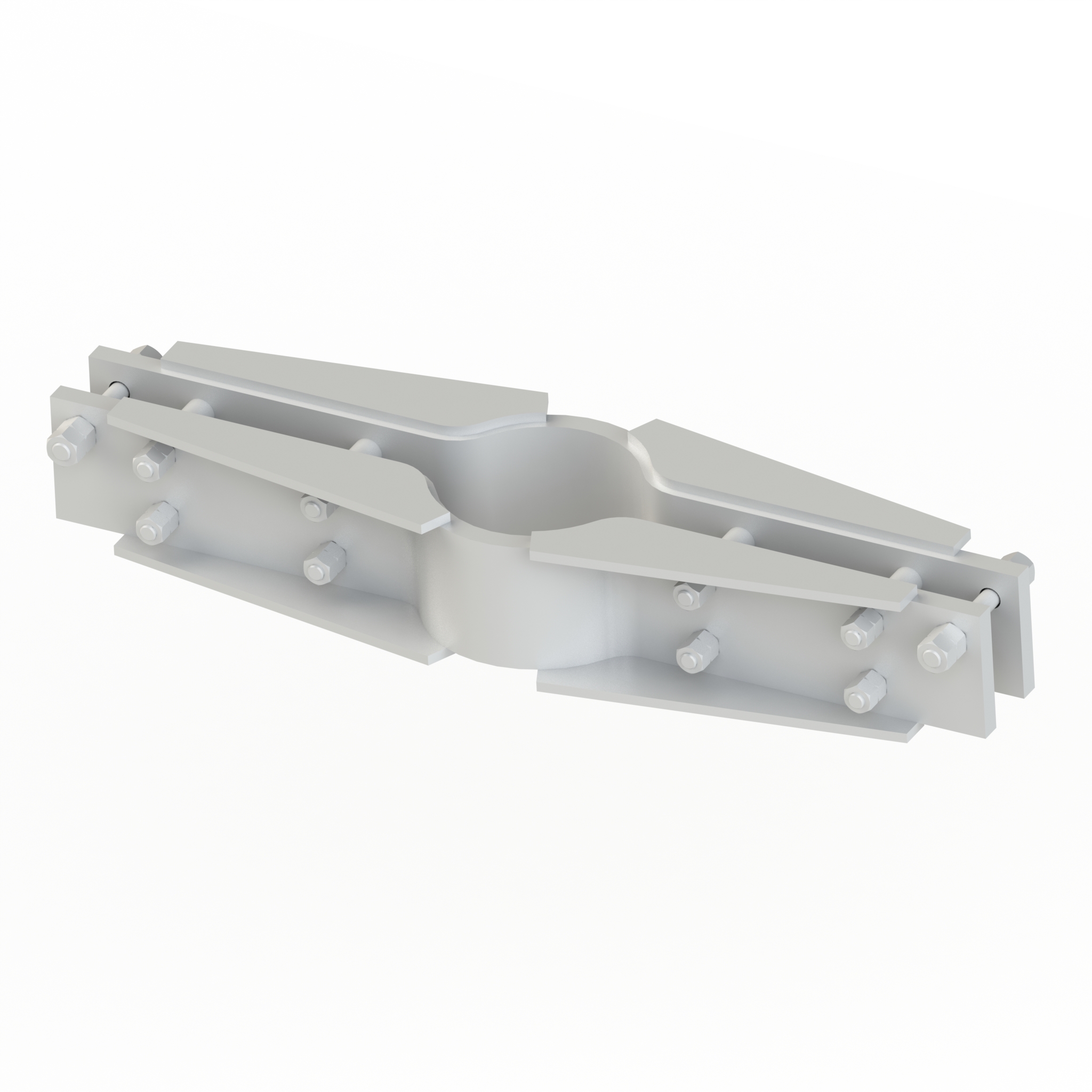 BG176
BG176ALLOY RISER SUPPORT - VERY HIGH TEMPERATURE
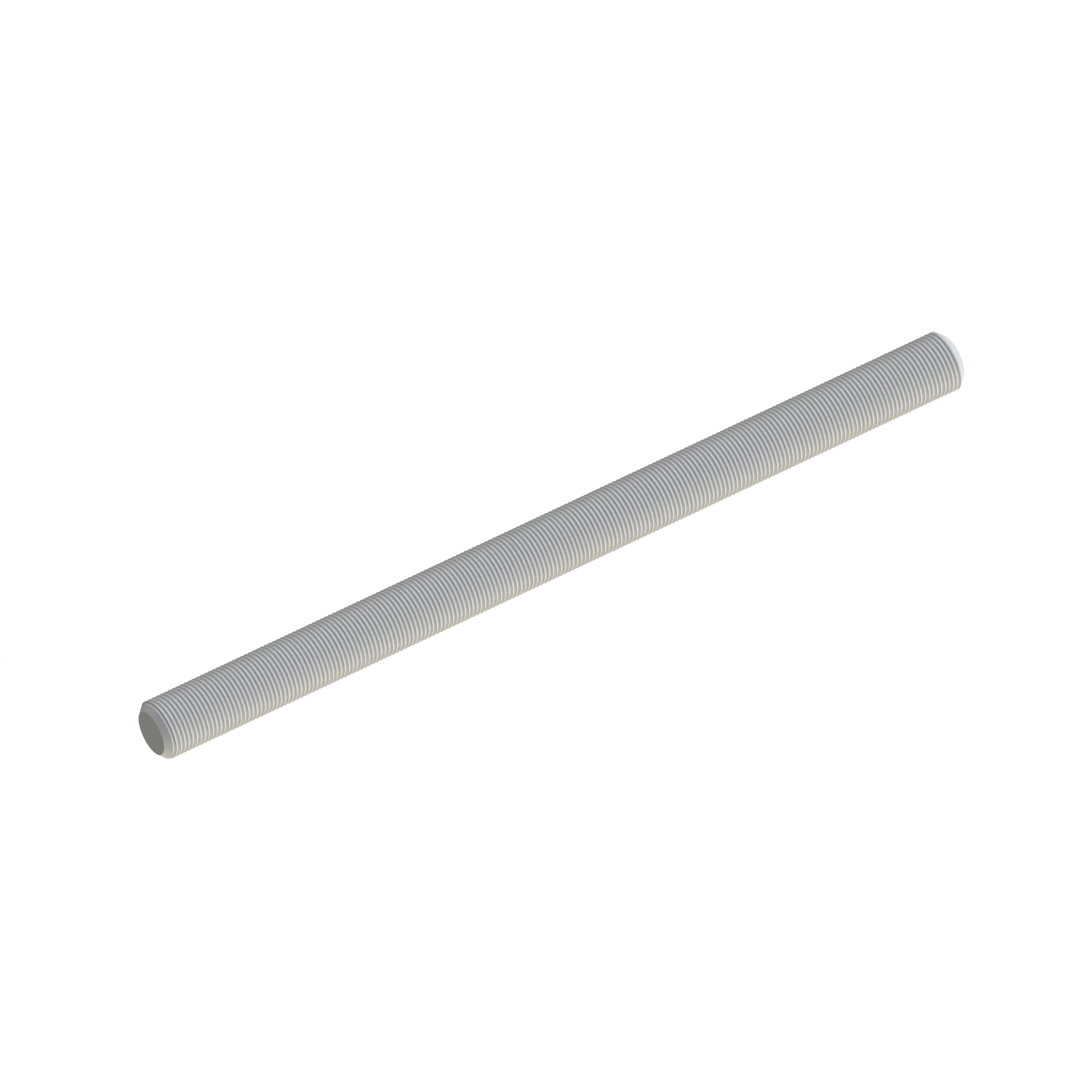 BG202
BG202ALLTHREAD ROD
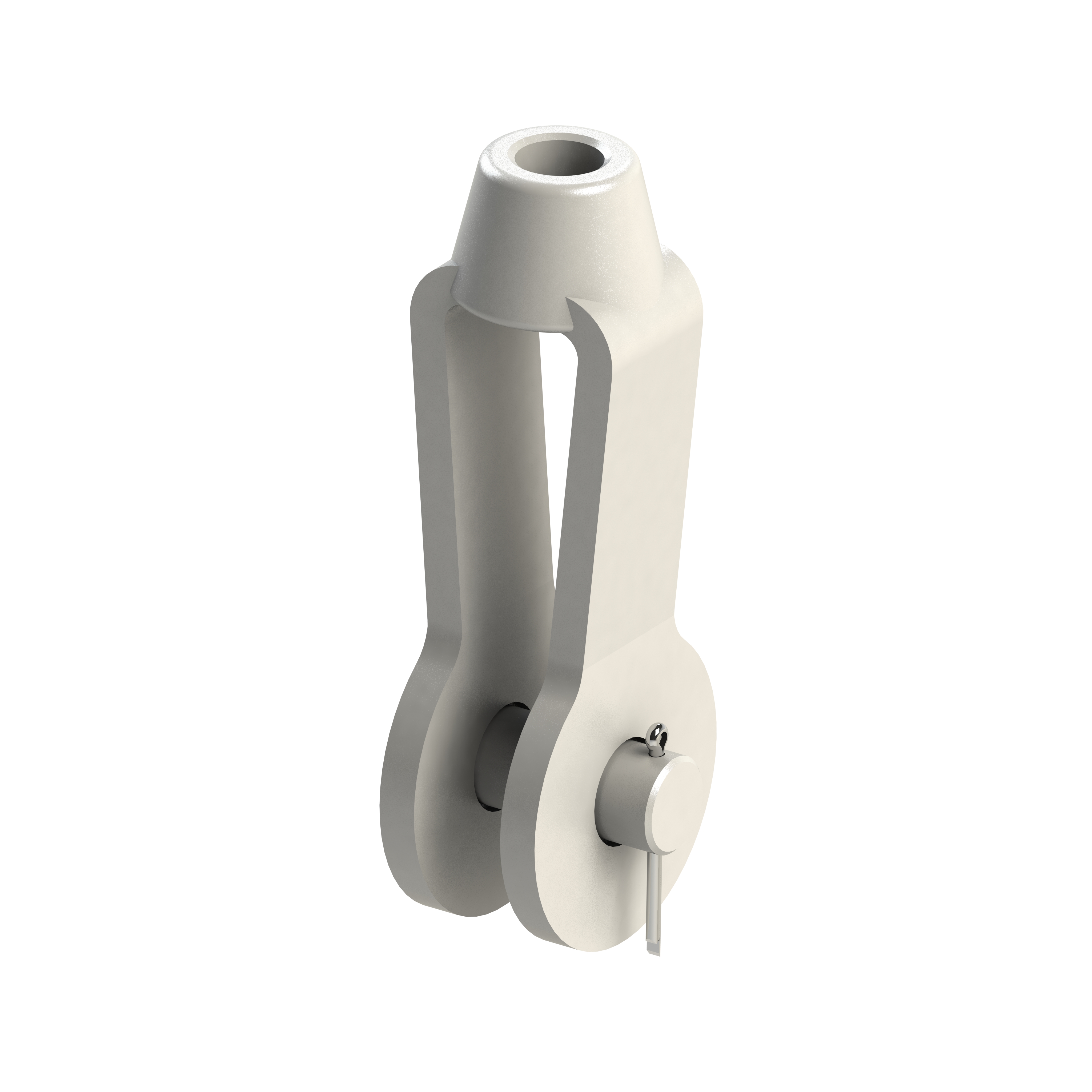 BG209
BG209FORGED CLEVIS AND PIN
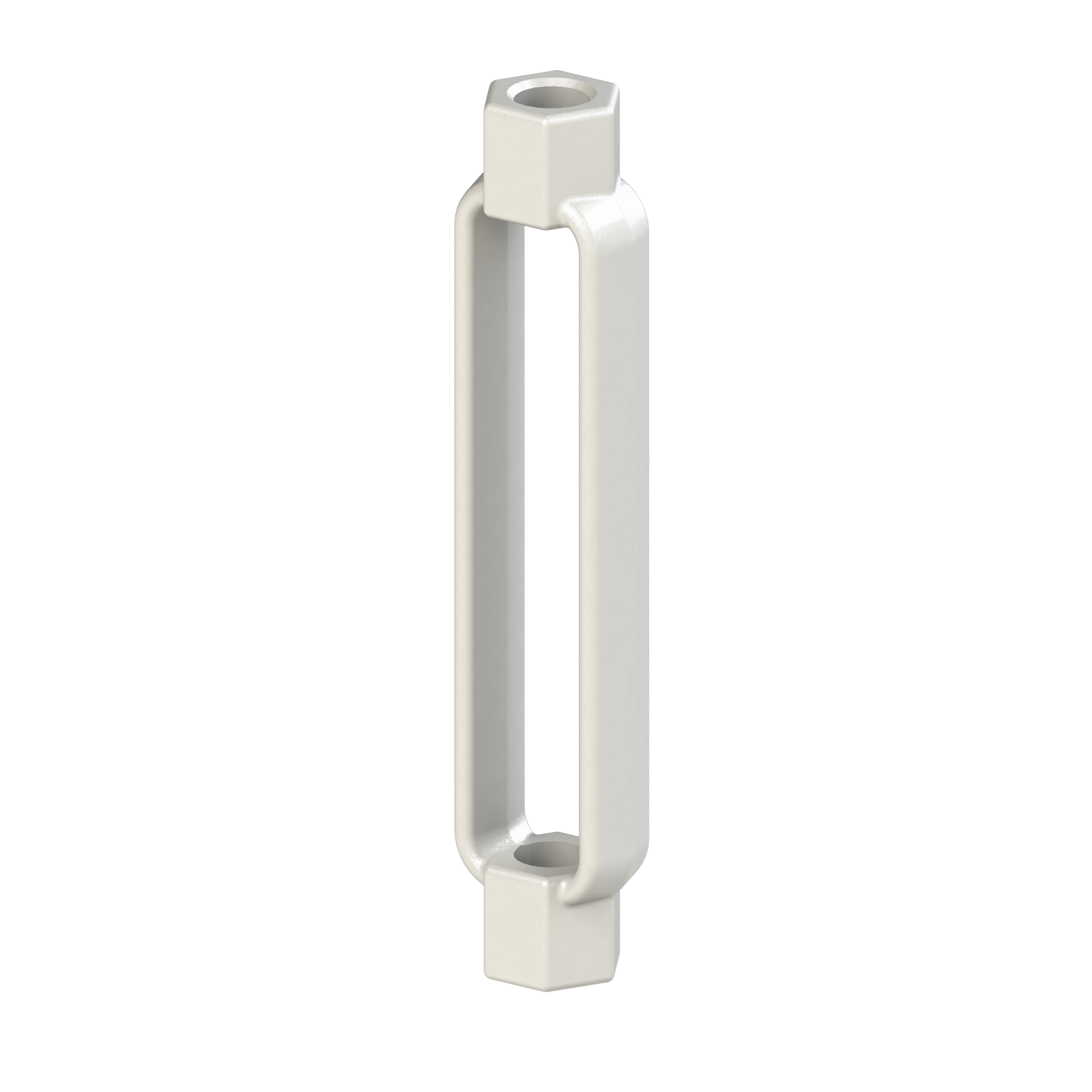 BG210
BG210FORGED TURNBUCKLE
 BG204
BG204FORGED WELDLESS EYE NUT
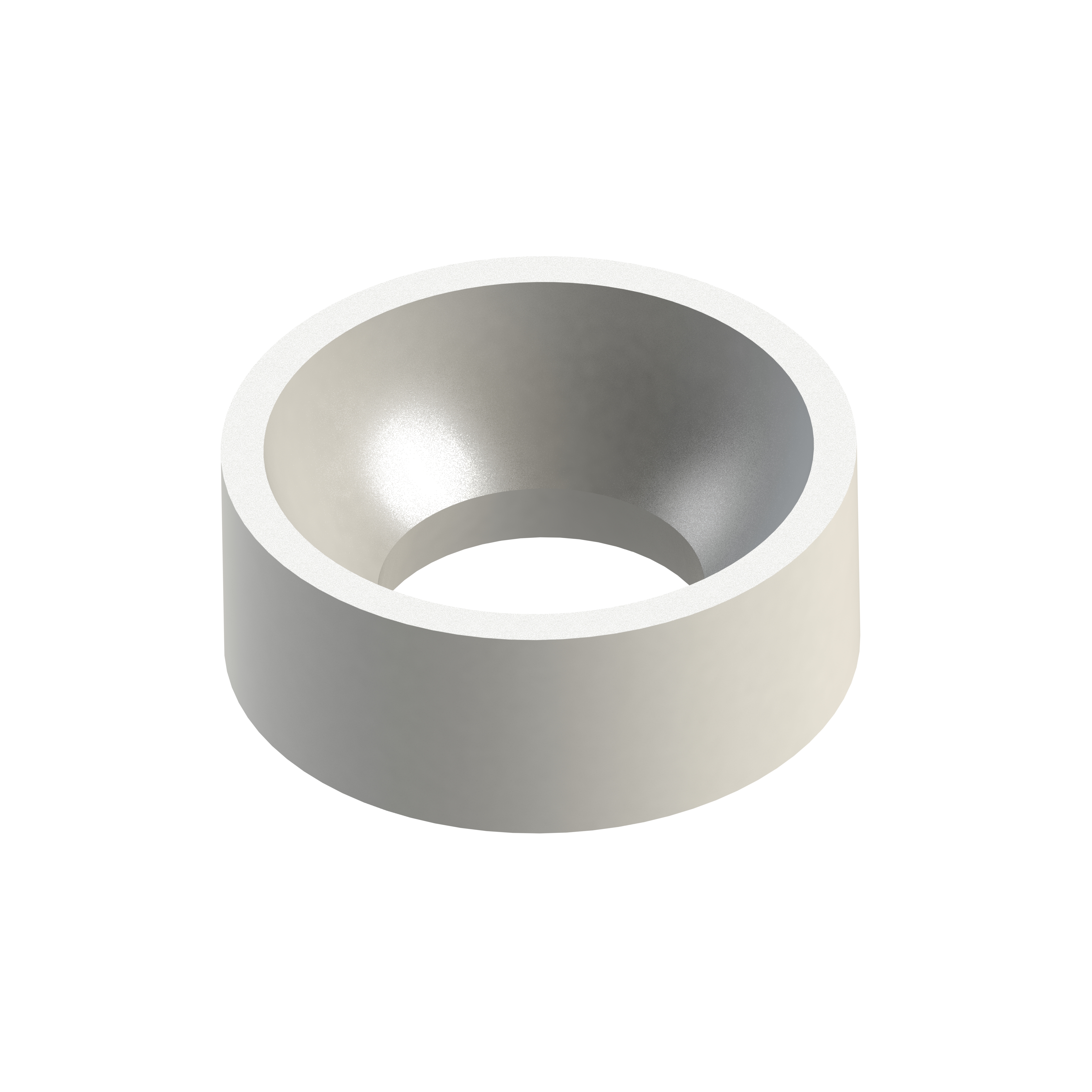 BG215
BG215HEMISPHERICAL CUP
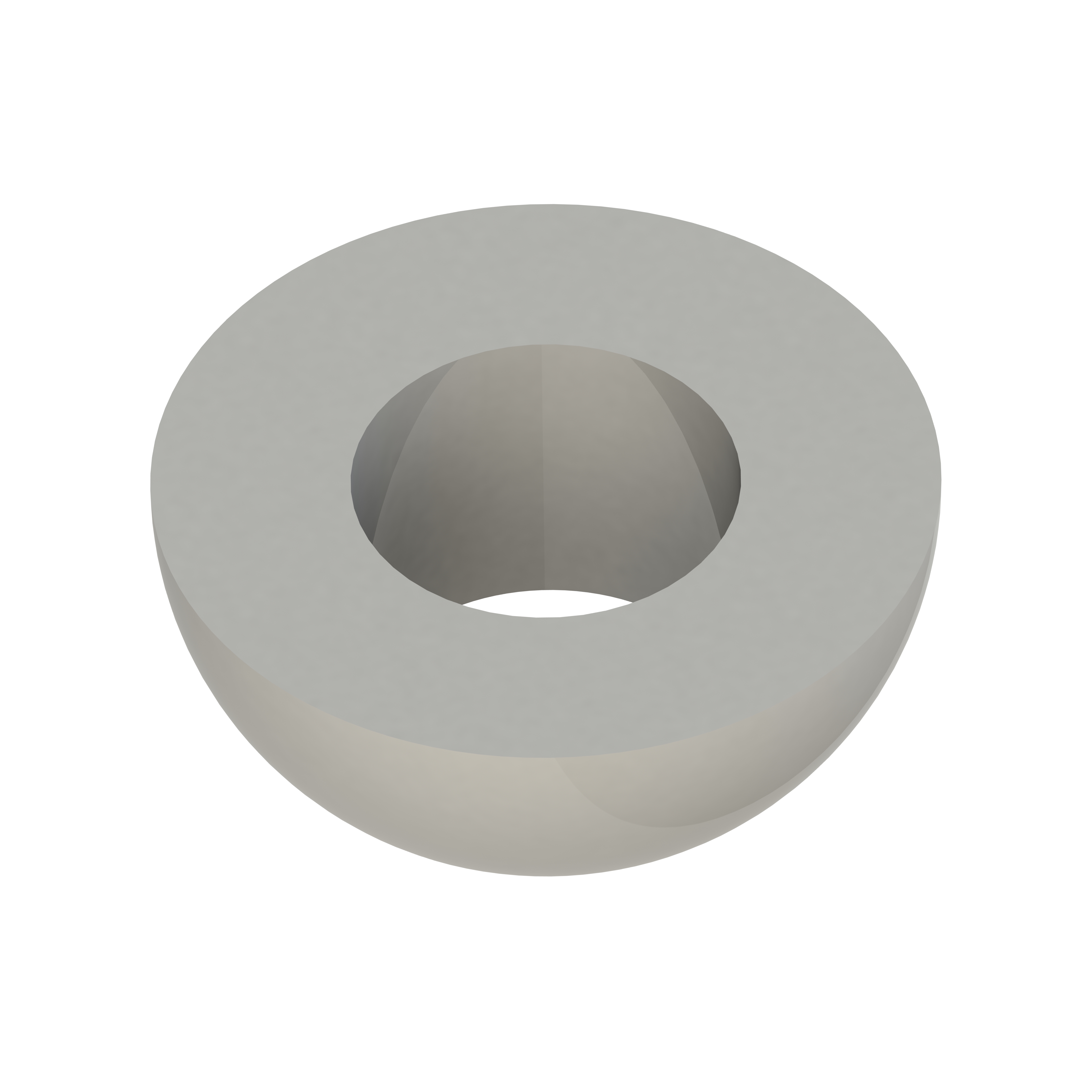 BG214
BG214HEMISPHERICAL WASHER
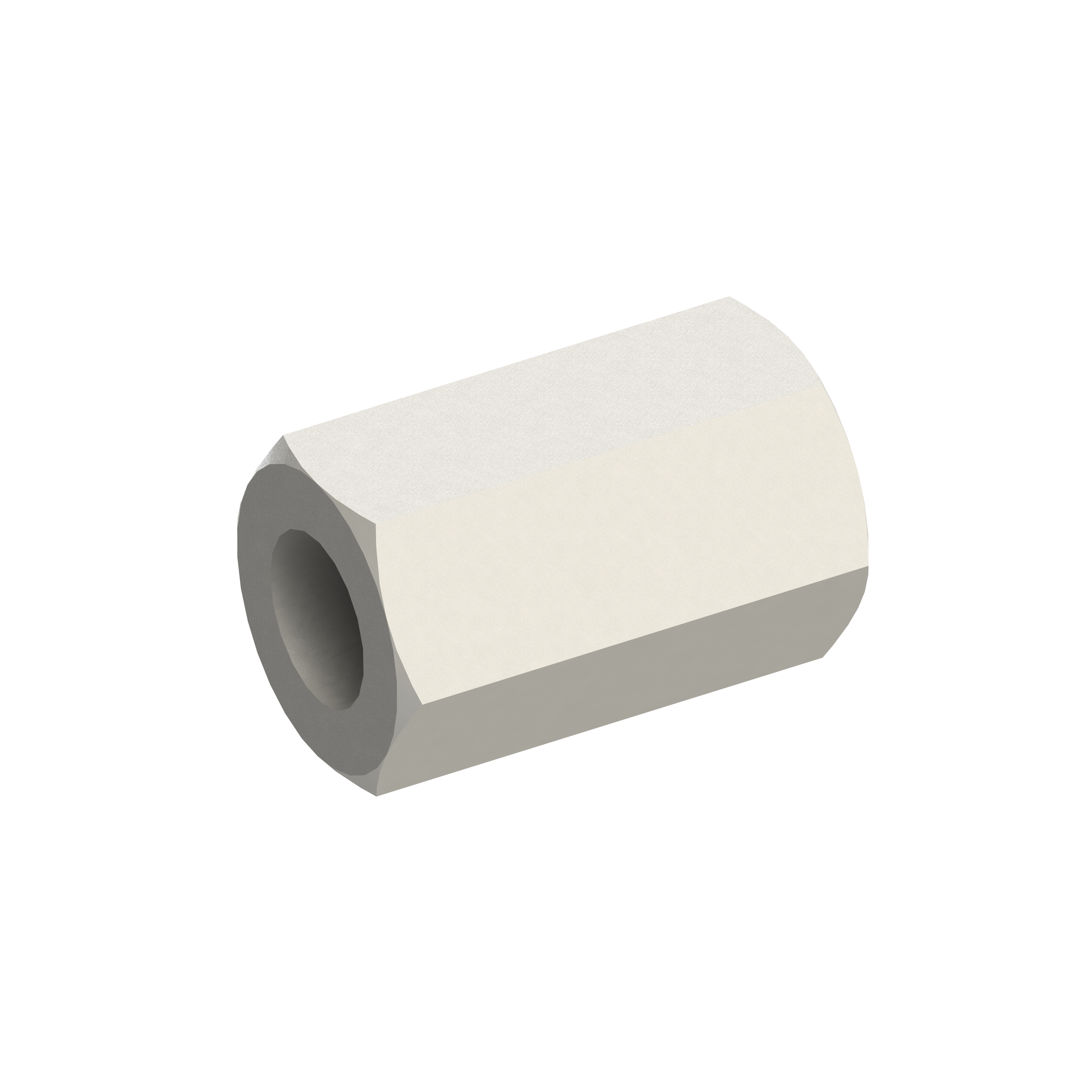 BG206
BG206HEXAGONAL CONNECTOR
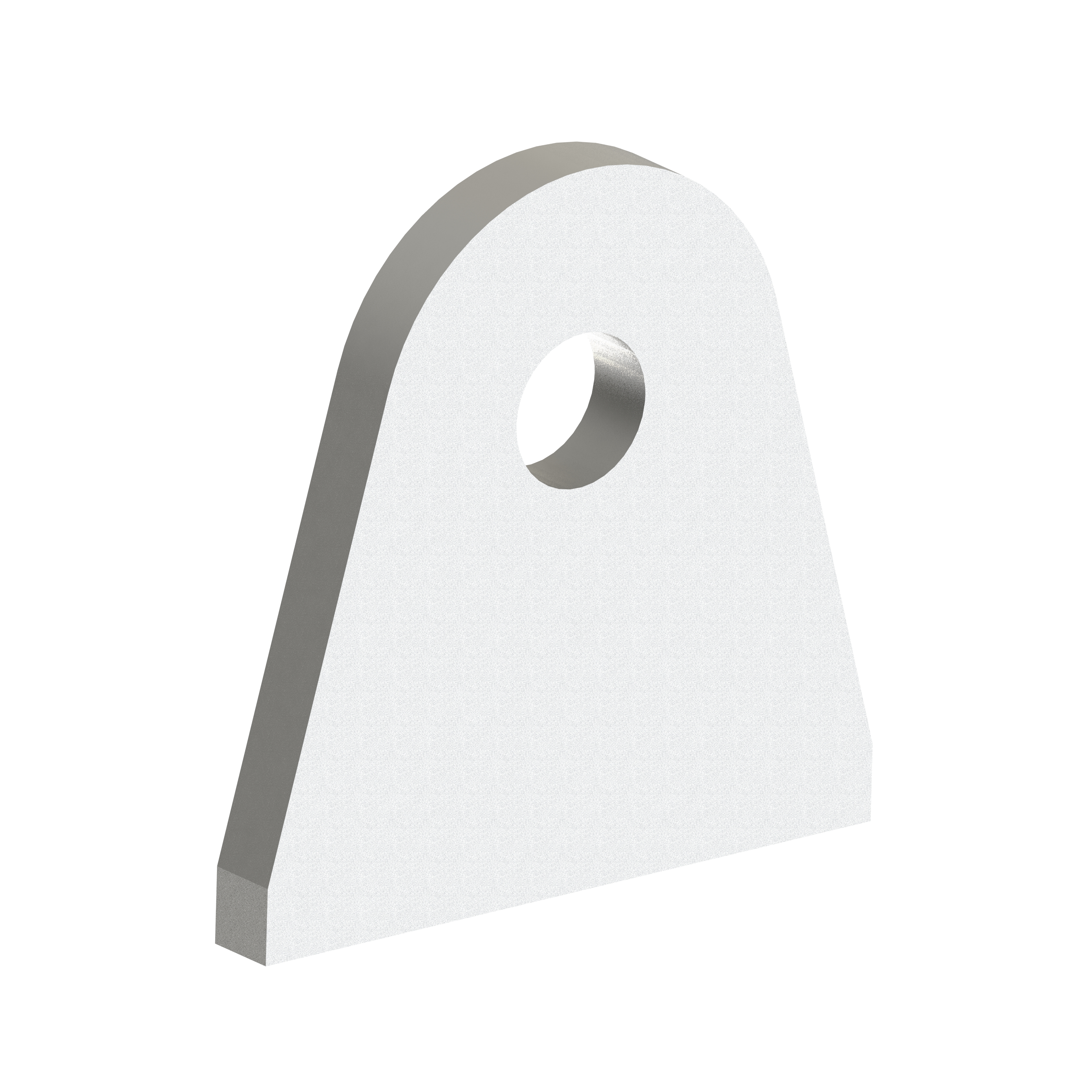 BG216
BG216PIPE WELDING LUG
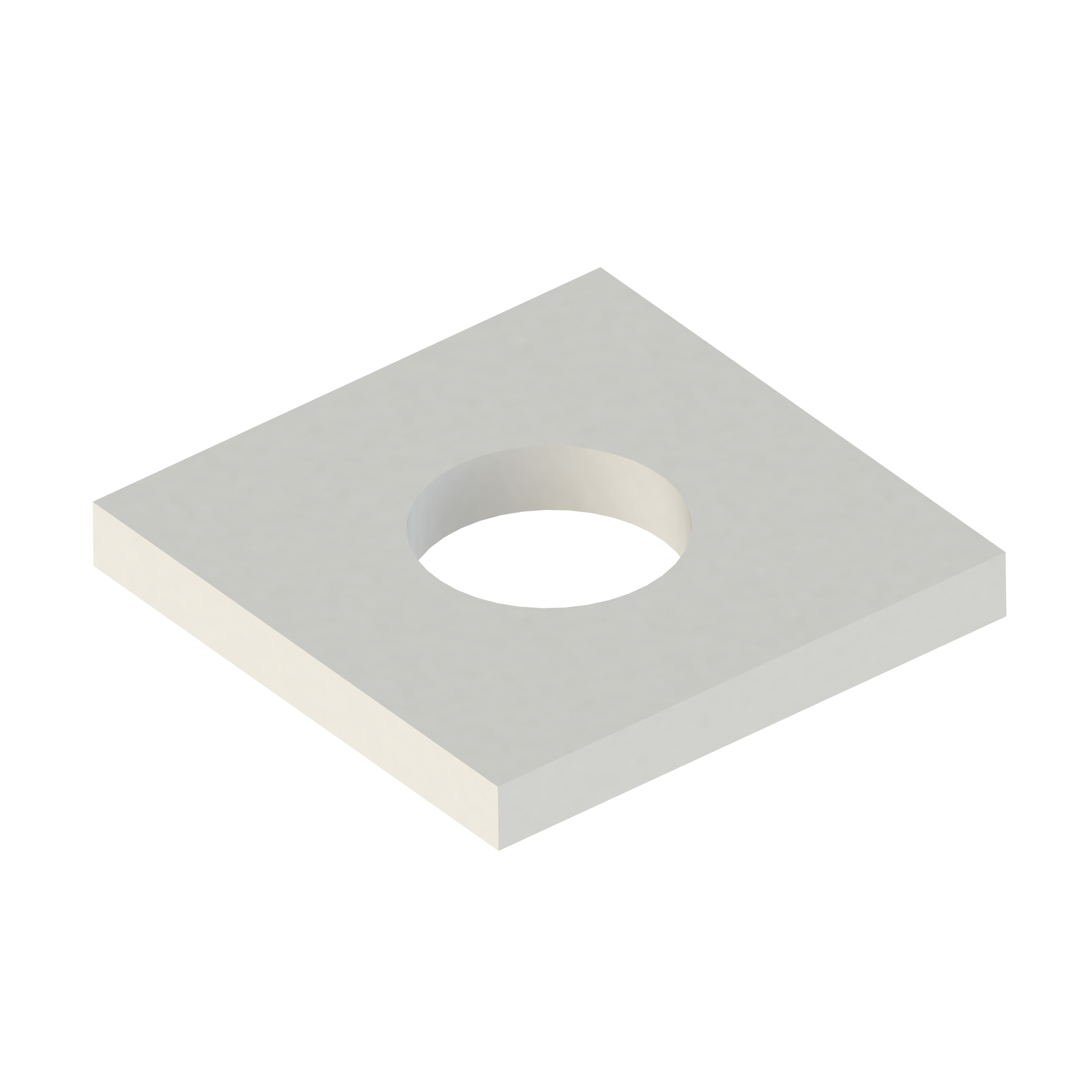 BG217
BG217PLATE WASHER
 BG207
BG207SPADE NUT
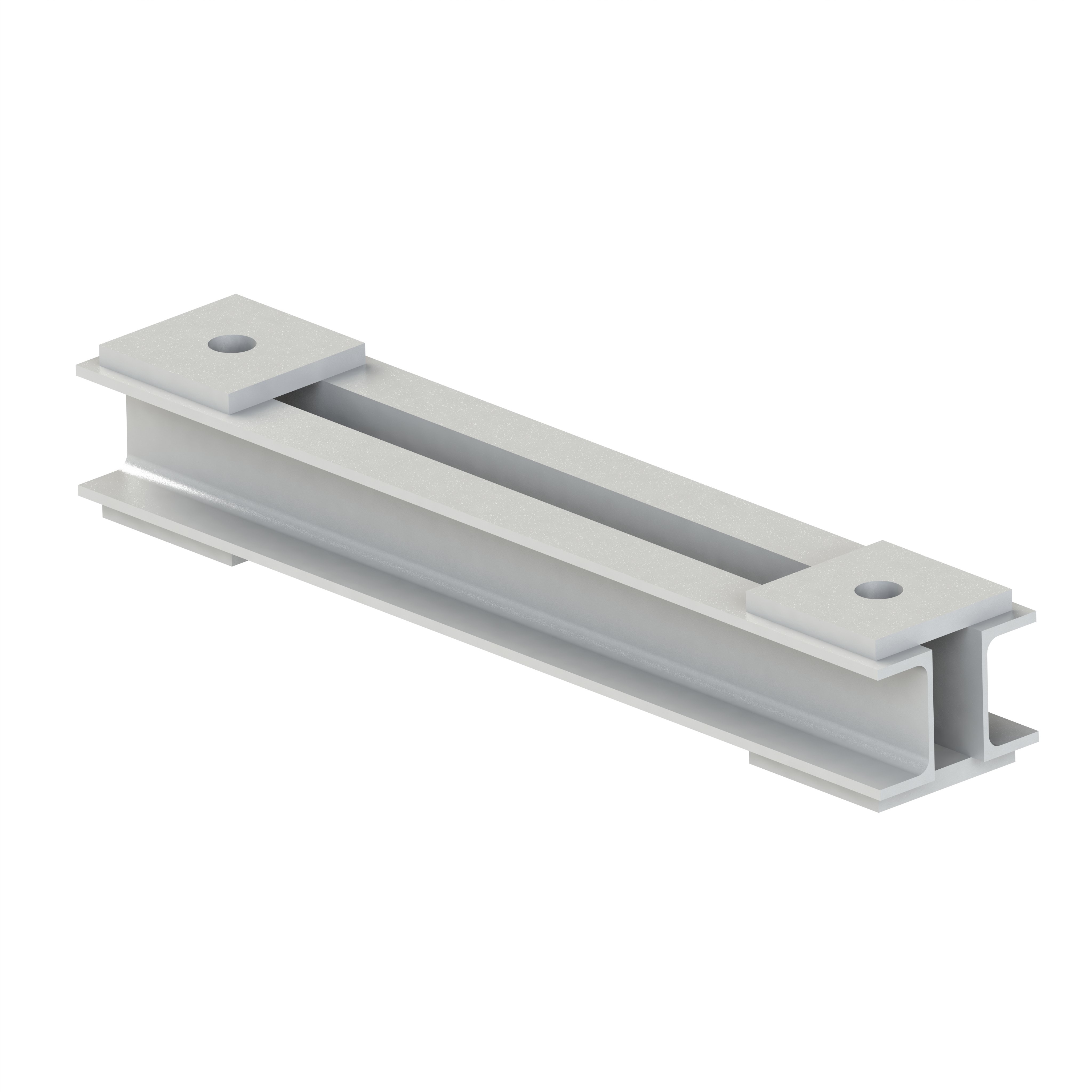 BG245
BG245STANDARD TRAPEZE
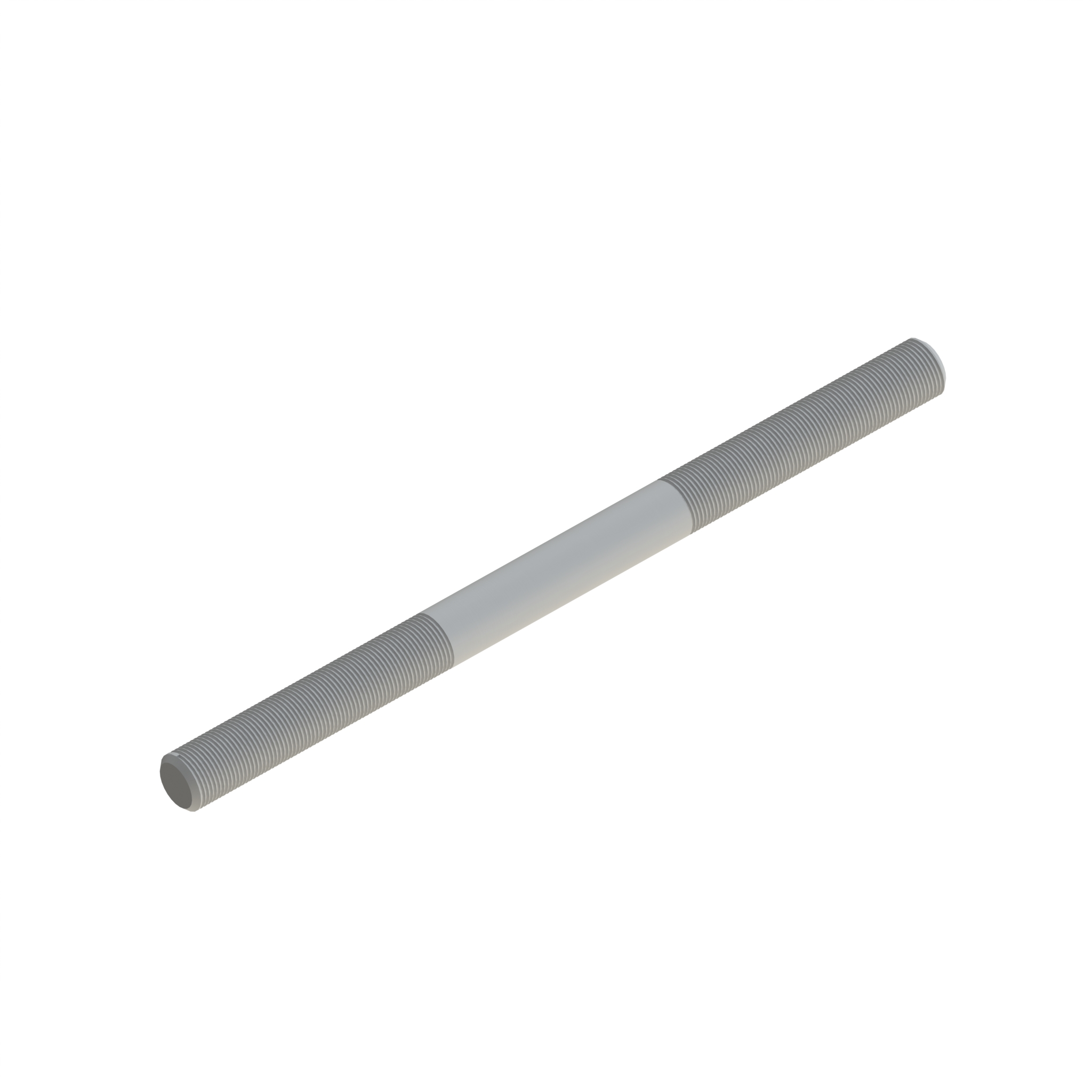 BG203
BG203THREADED DROP ROD – RH/LH
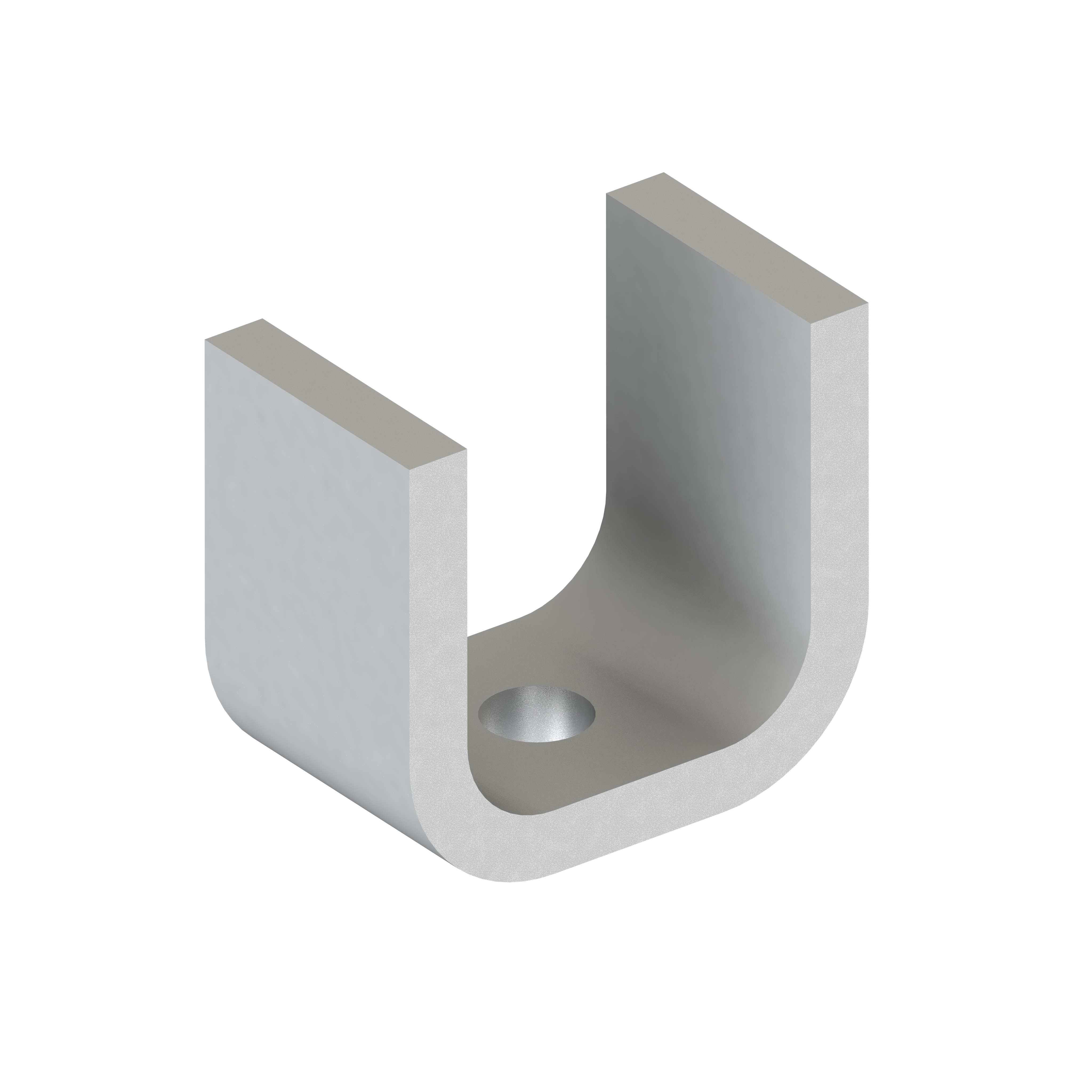 BG219
BG219WELDED BEAM ATTACHMENT
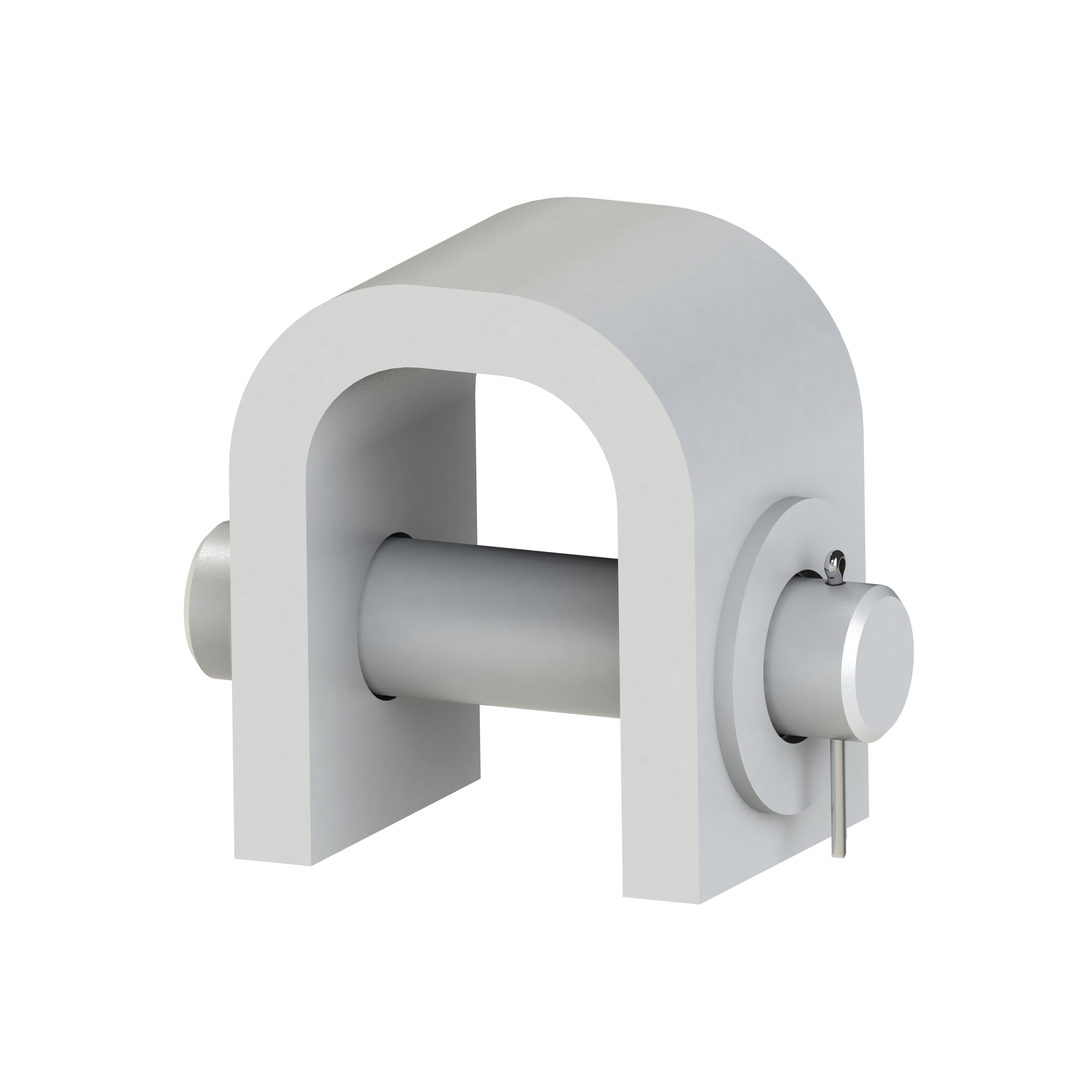 BG220
BG220WELDED BEAM ATTACHMENT (WITH LOAD PIN)
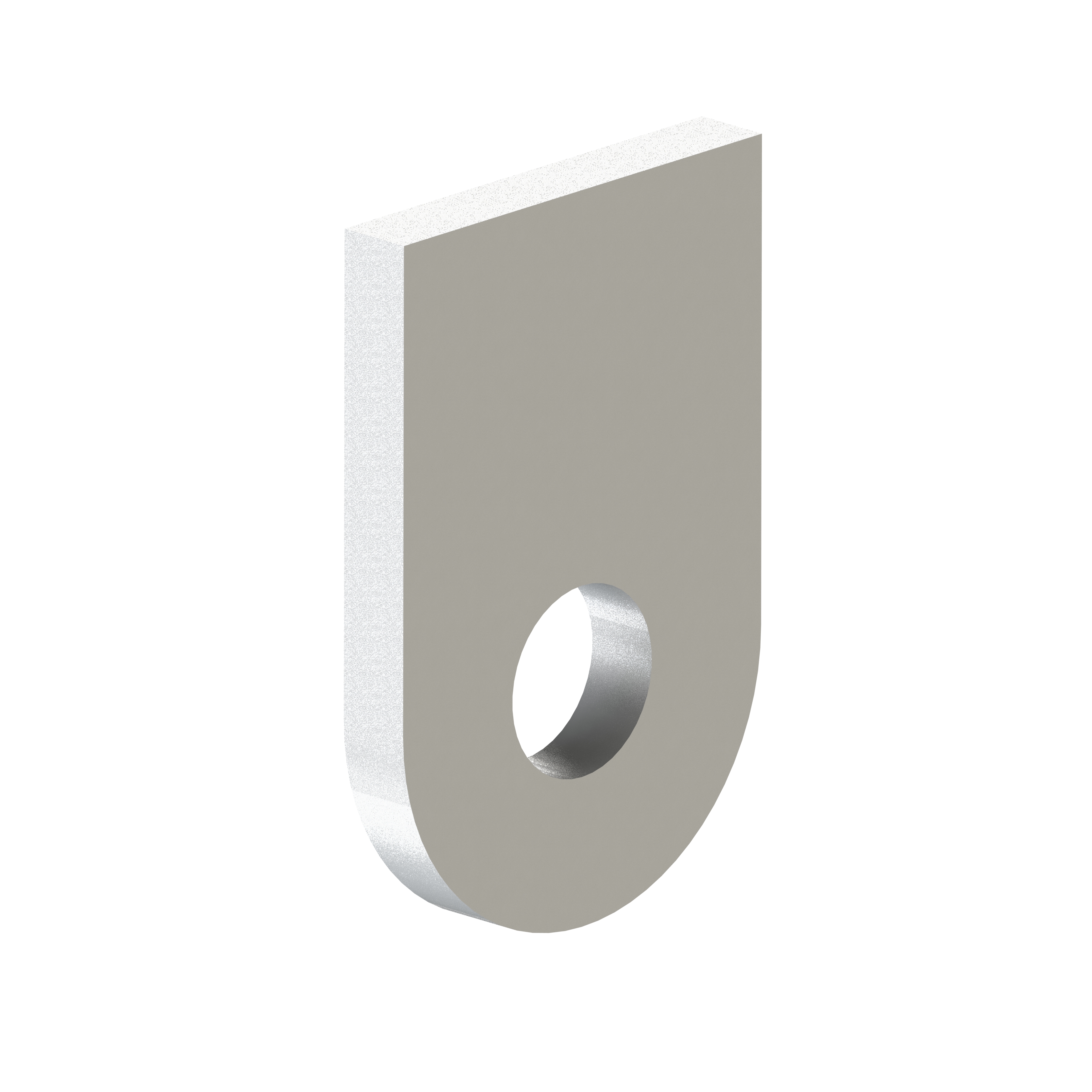 BG225
BG225WELDING LUG
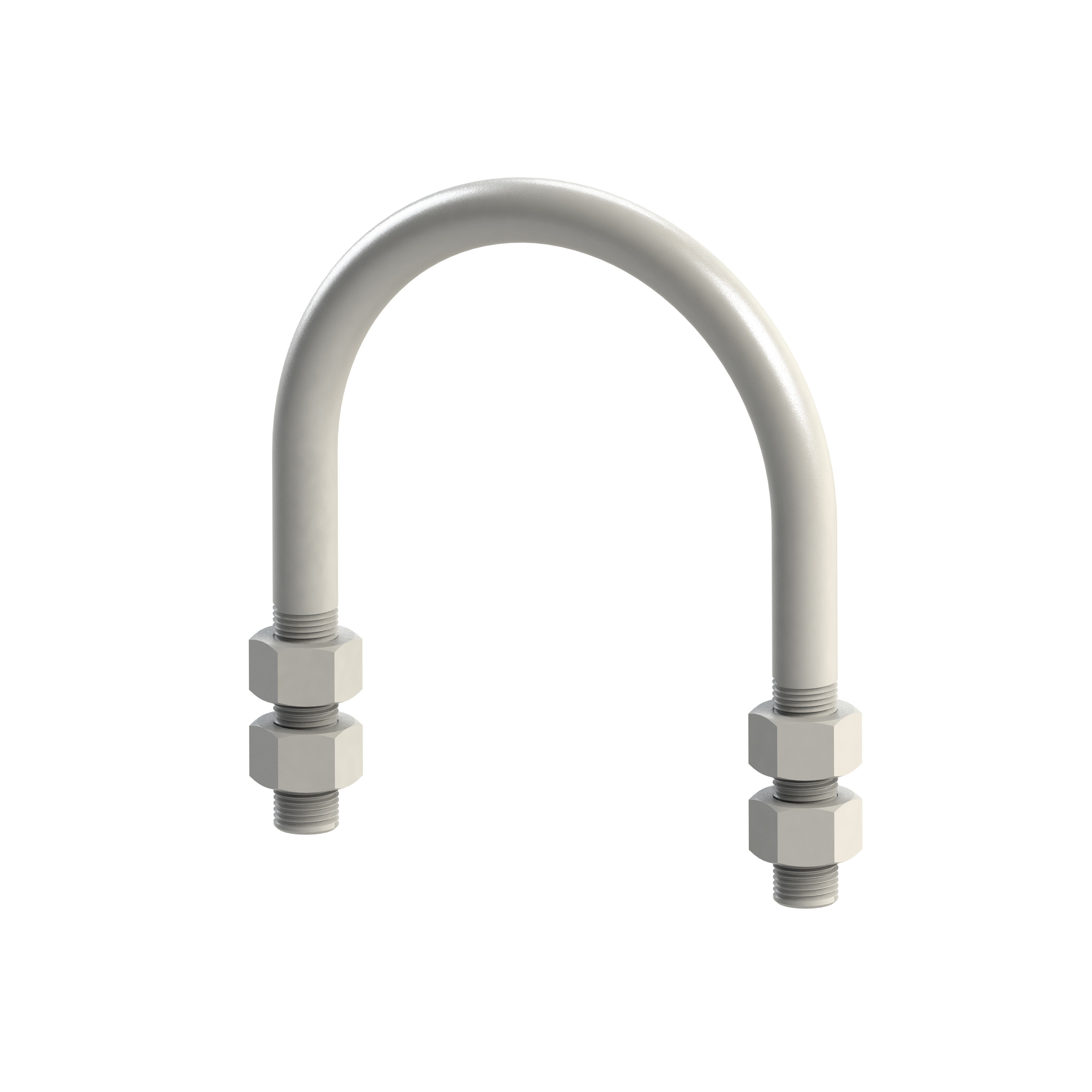 BG180
BG180U-BOLT GUIDE
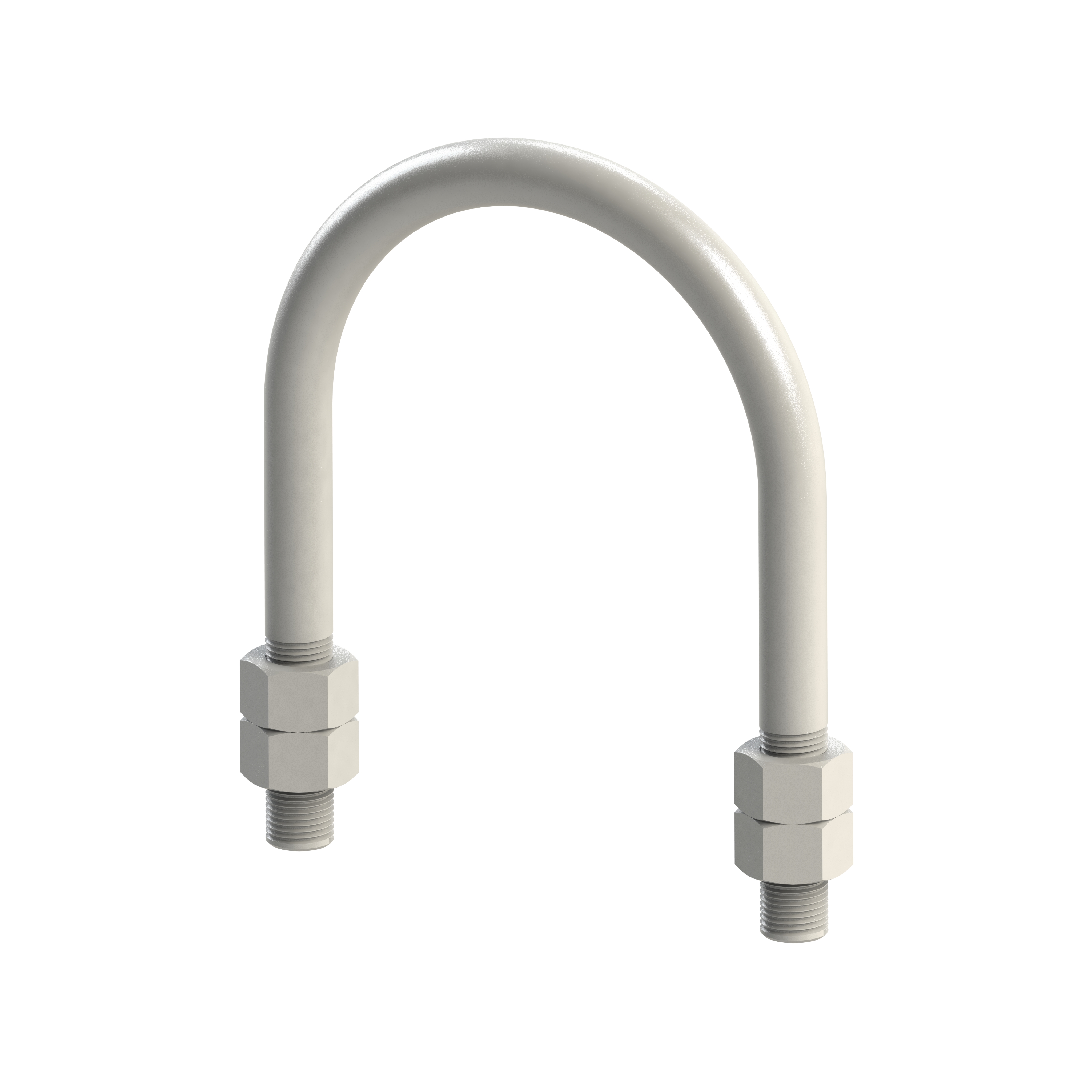 BG181
BG181U-BOLT CLAMP
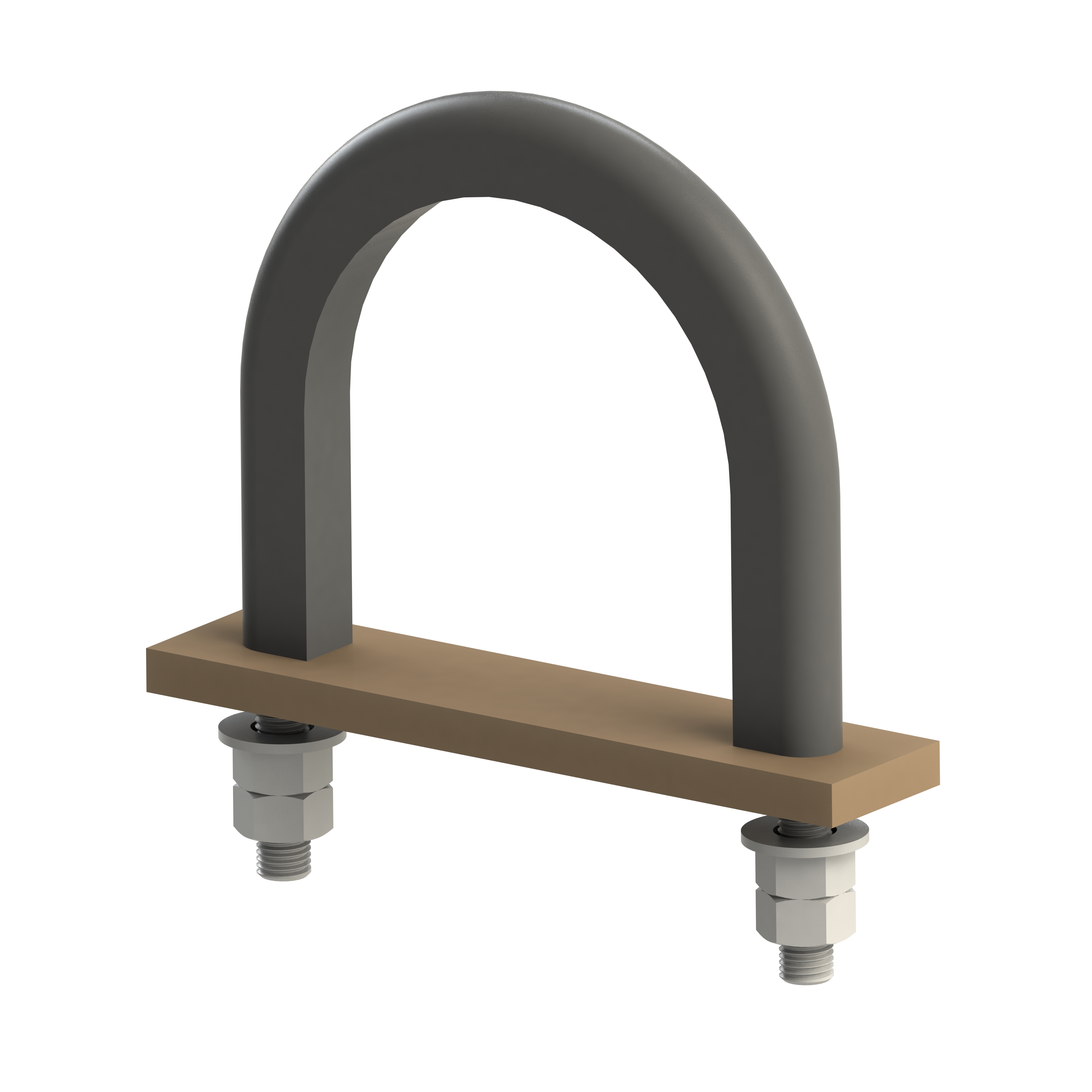 BG150
BG150INSULATED U-BOLT CLAMP
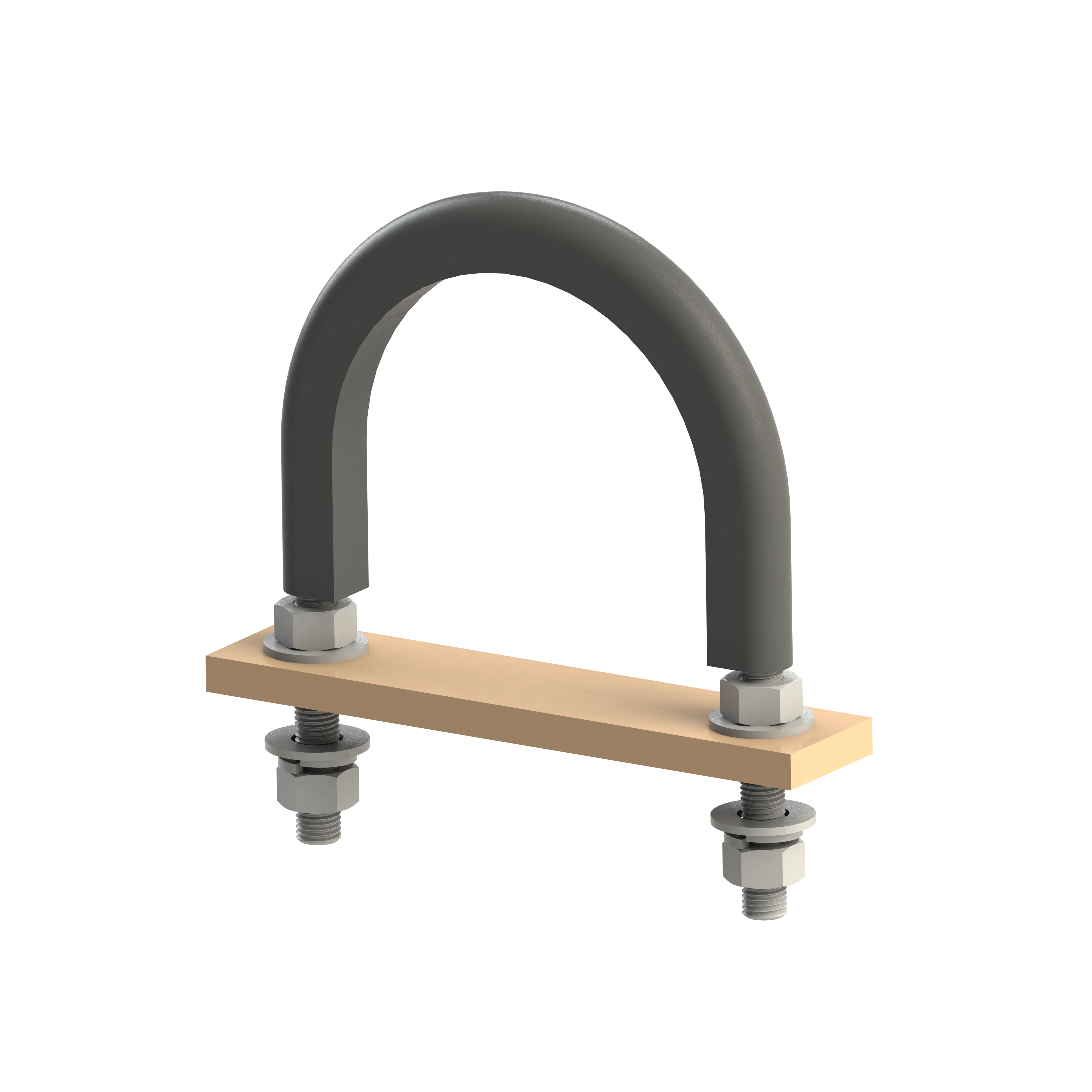 BG152
BG152INSULATED U-BOLT GUIDE
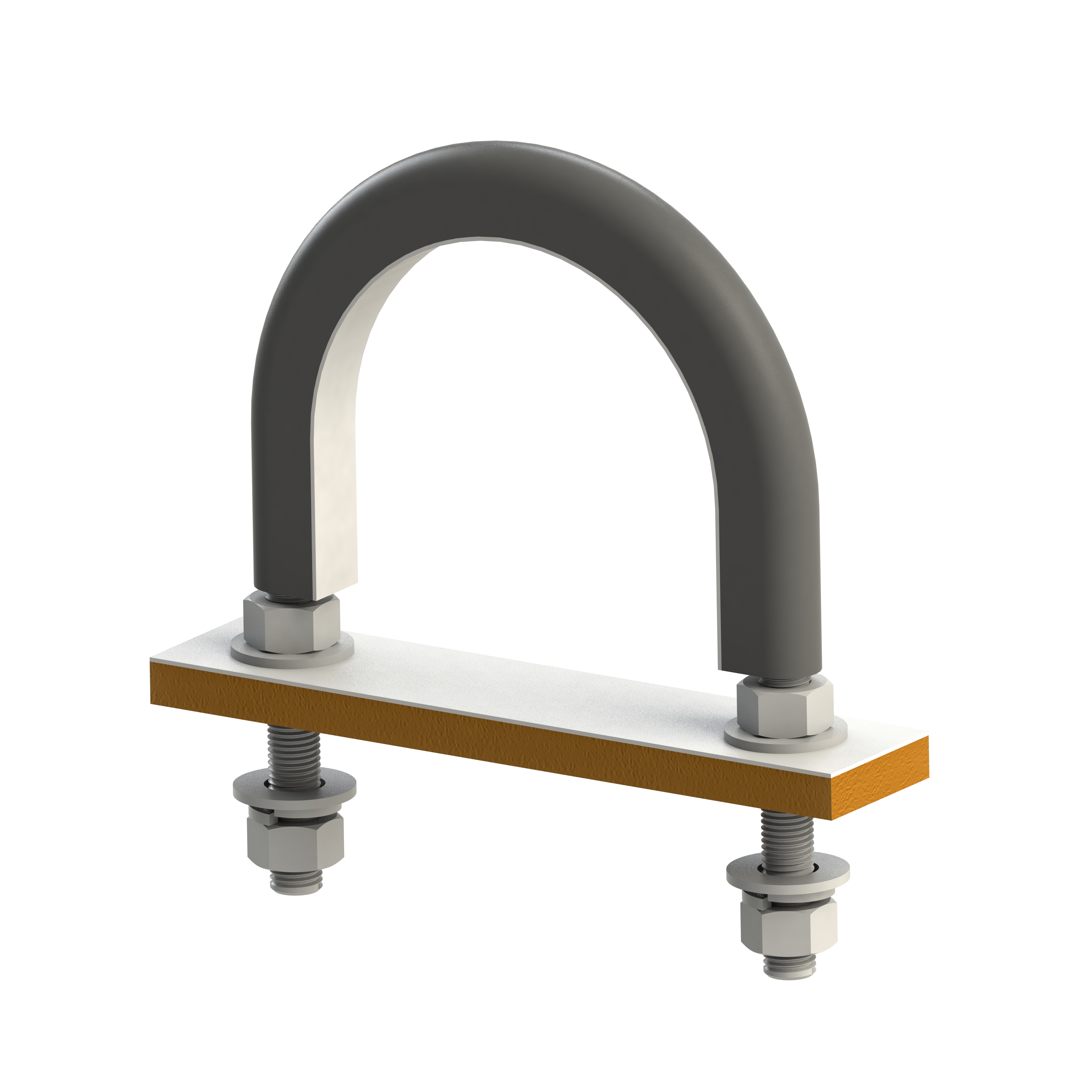 BG154
BG154INSULATED U-BOLT GUIDE (WITH TEFLON)
 BG190
BG190INSULATED U-BOLT CLAMP
 BG192
BG192INSULATED U-BOLT GUIDE
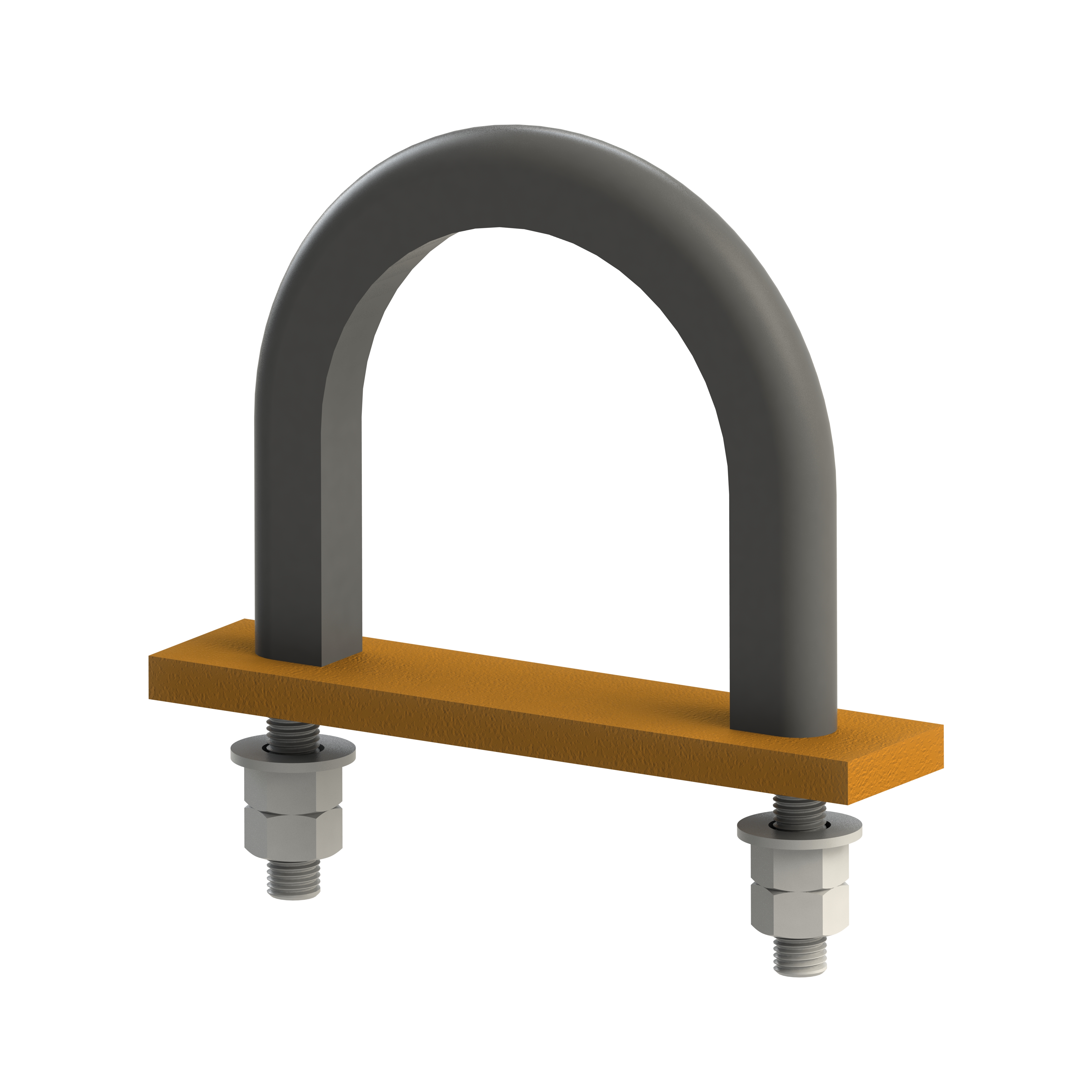 BG151
BG151INSULATED U-BOLT CLAMP FOR CU/NI
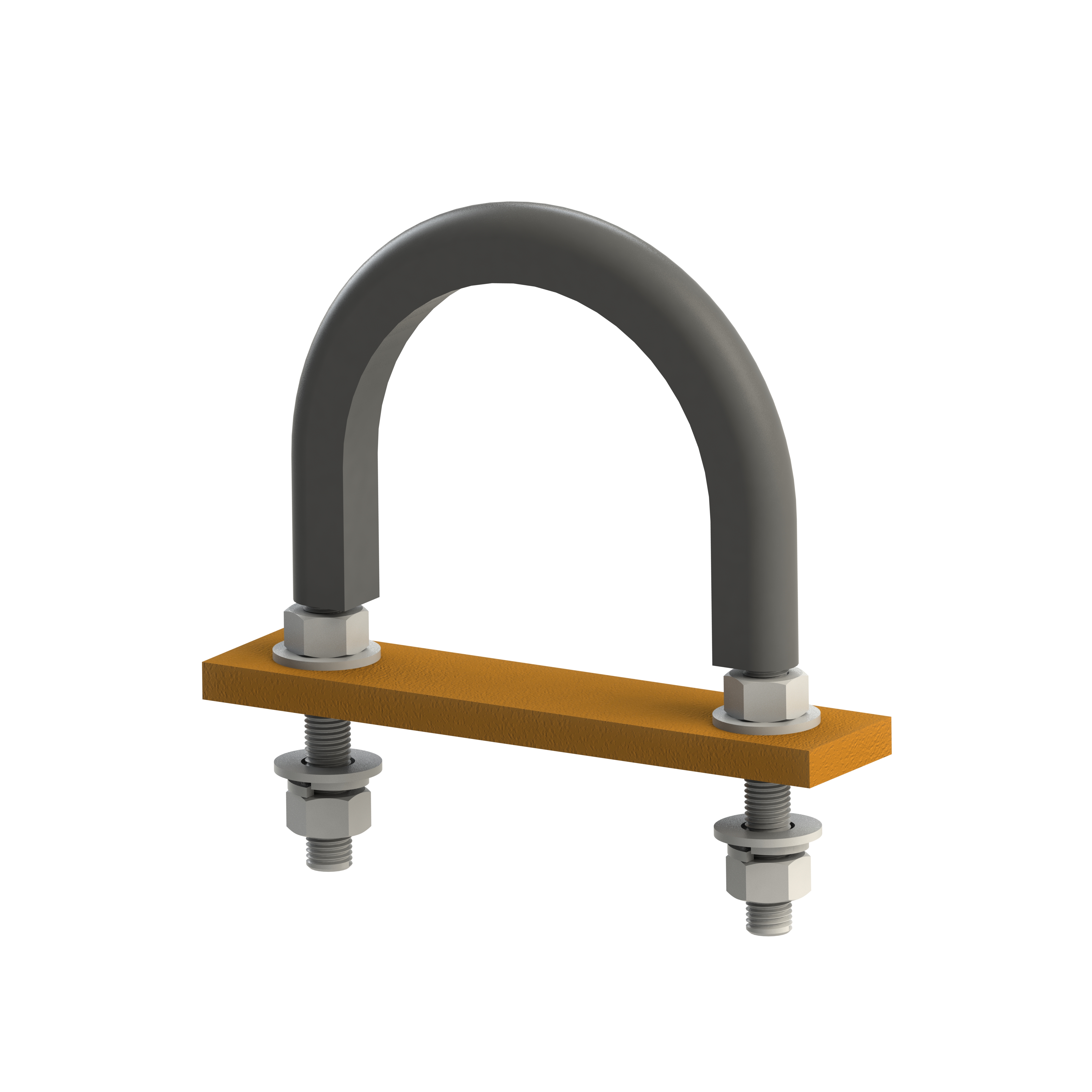 BG153
BG153INSULATED U-BOLT GUIDE FOR CU/NI
 BG155
BG155INSULATED U-BOLT GUIDE (WITH TEFLON)
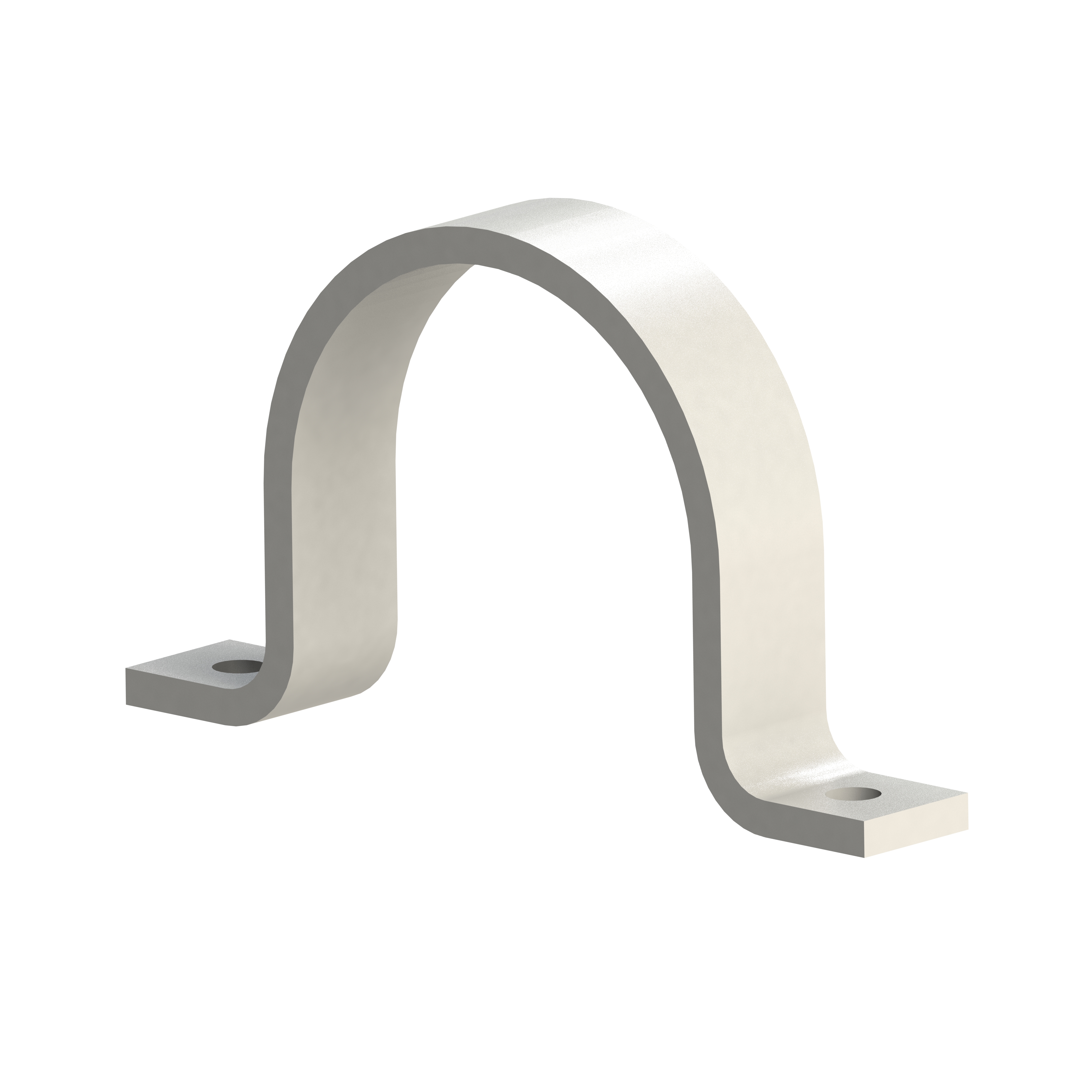 BG177
BG177SADDLE GUIDE
BG178SADDLE CLAMP
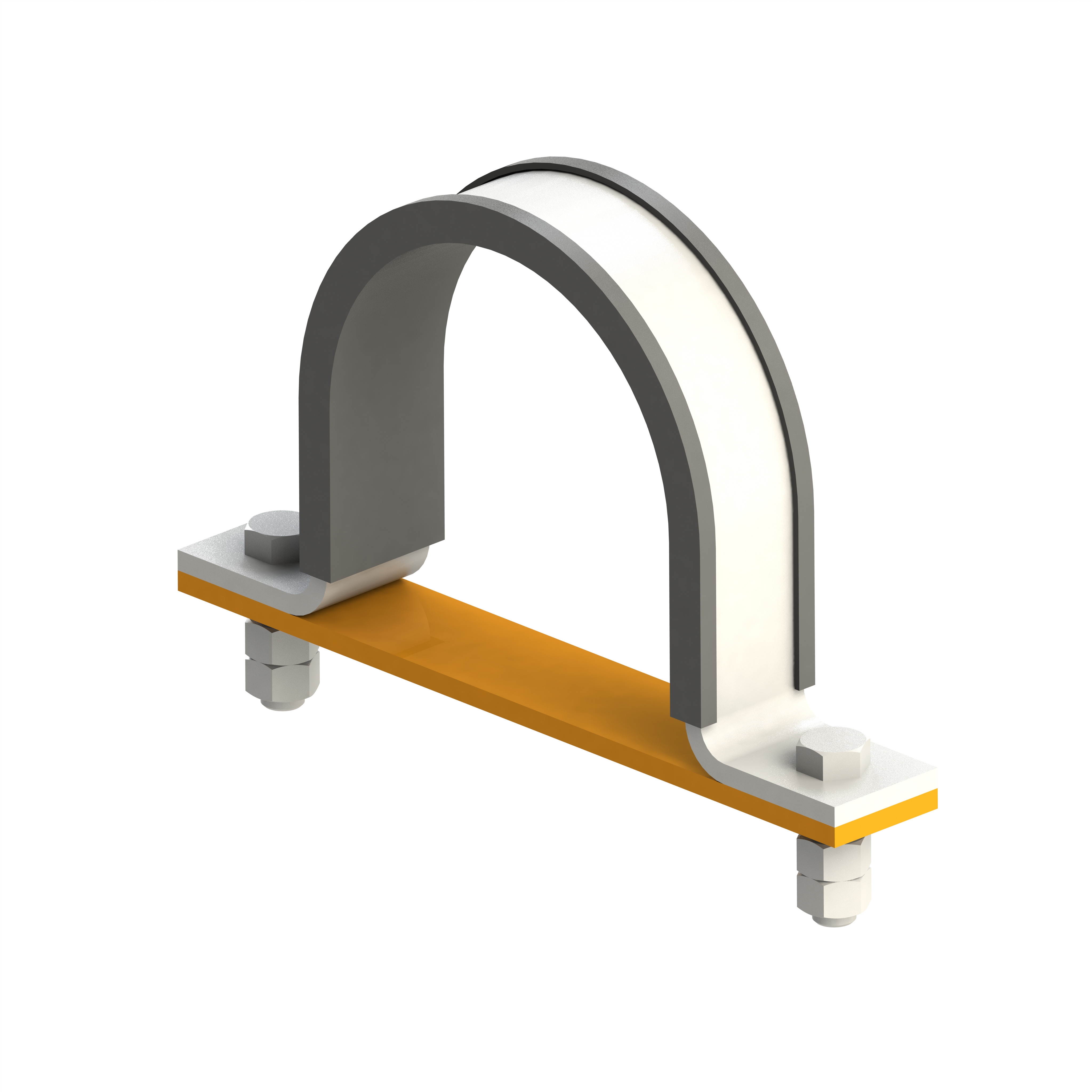 BG160
BG160INSULATED PIPE SADDLE
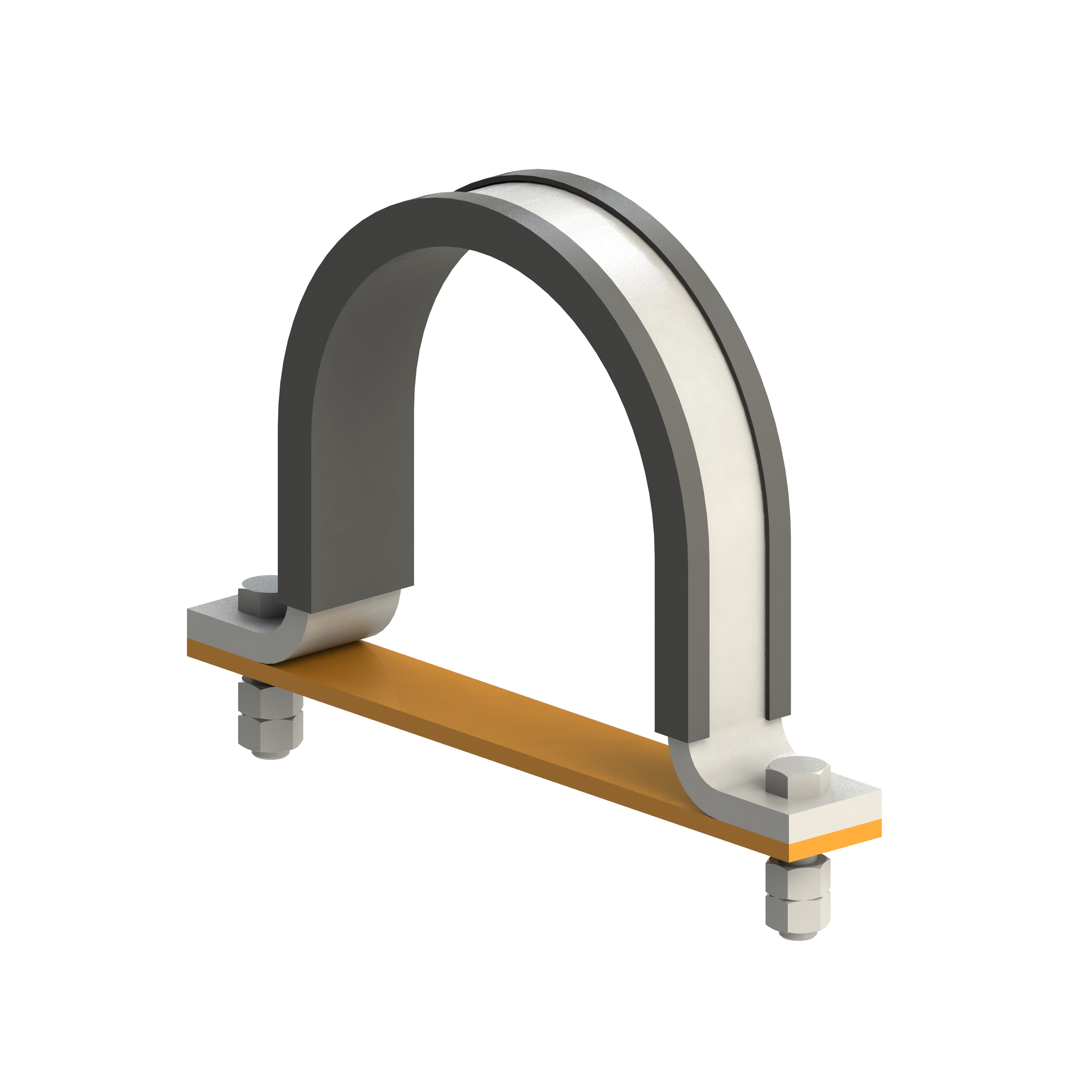 BG161
BG161INSULATED PIPE SADDLE
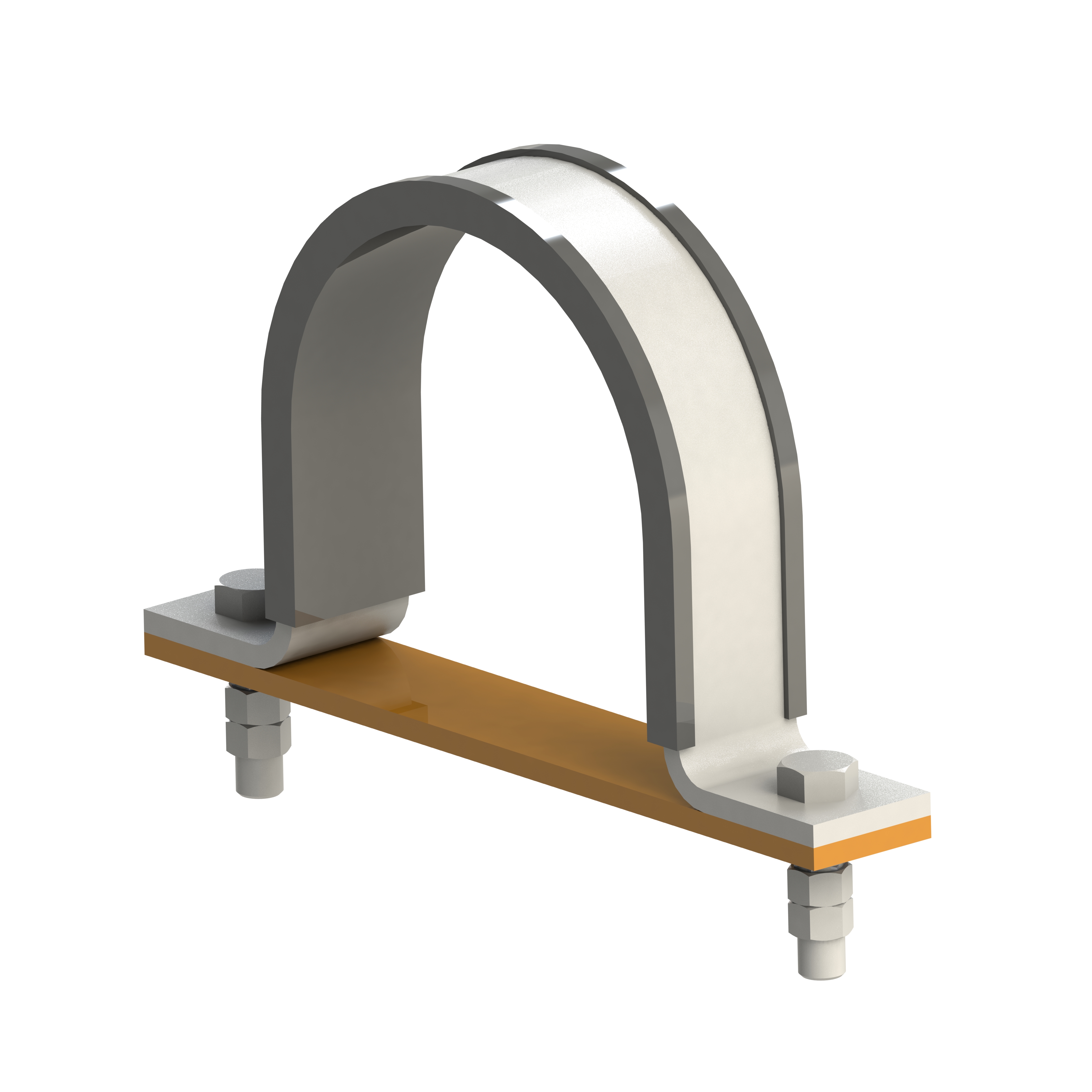 BG162
BG162INSULATED PIPE SADDLE
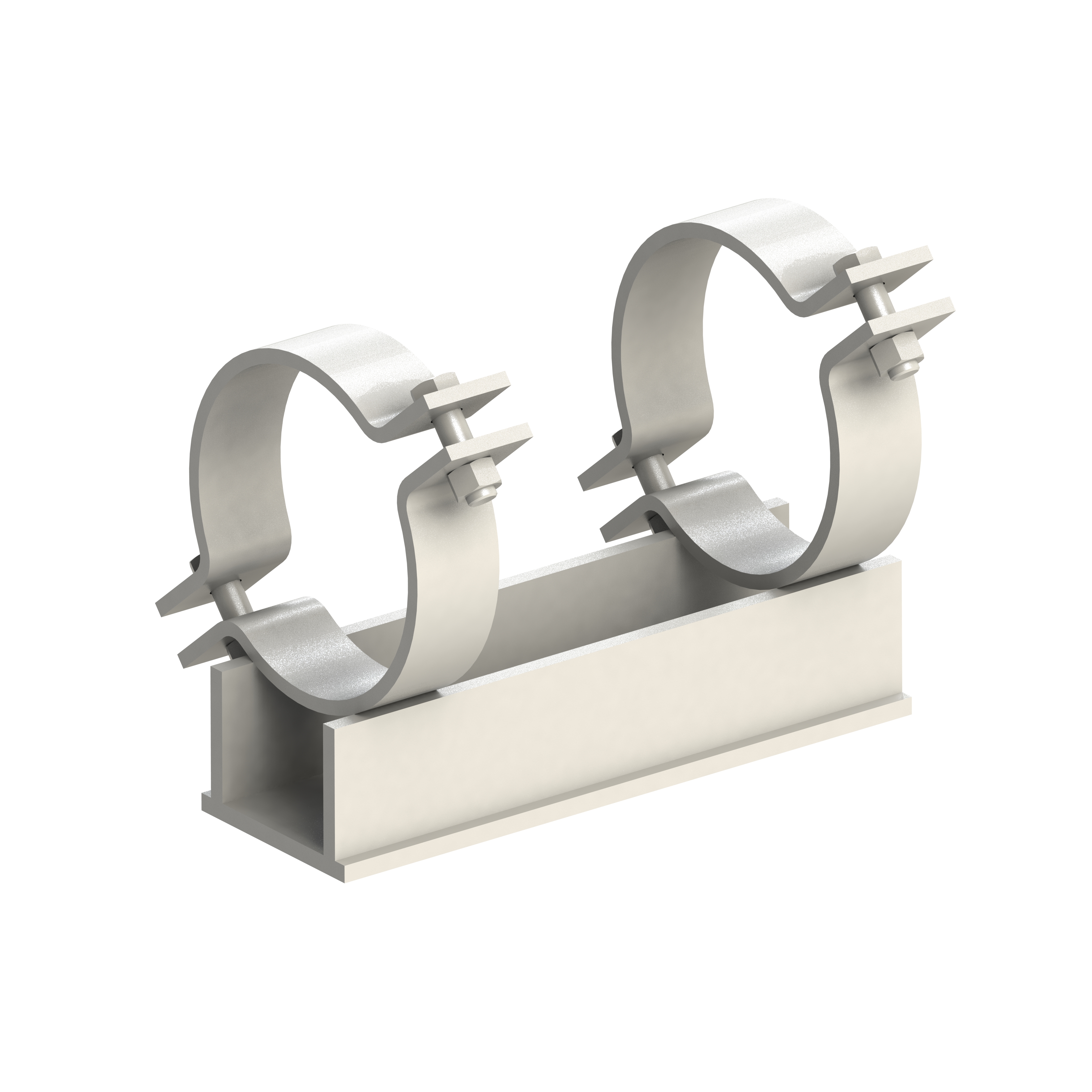 BG515
BG515STANDARD CLAMPED PIPE SHOE
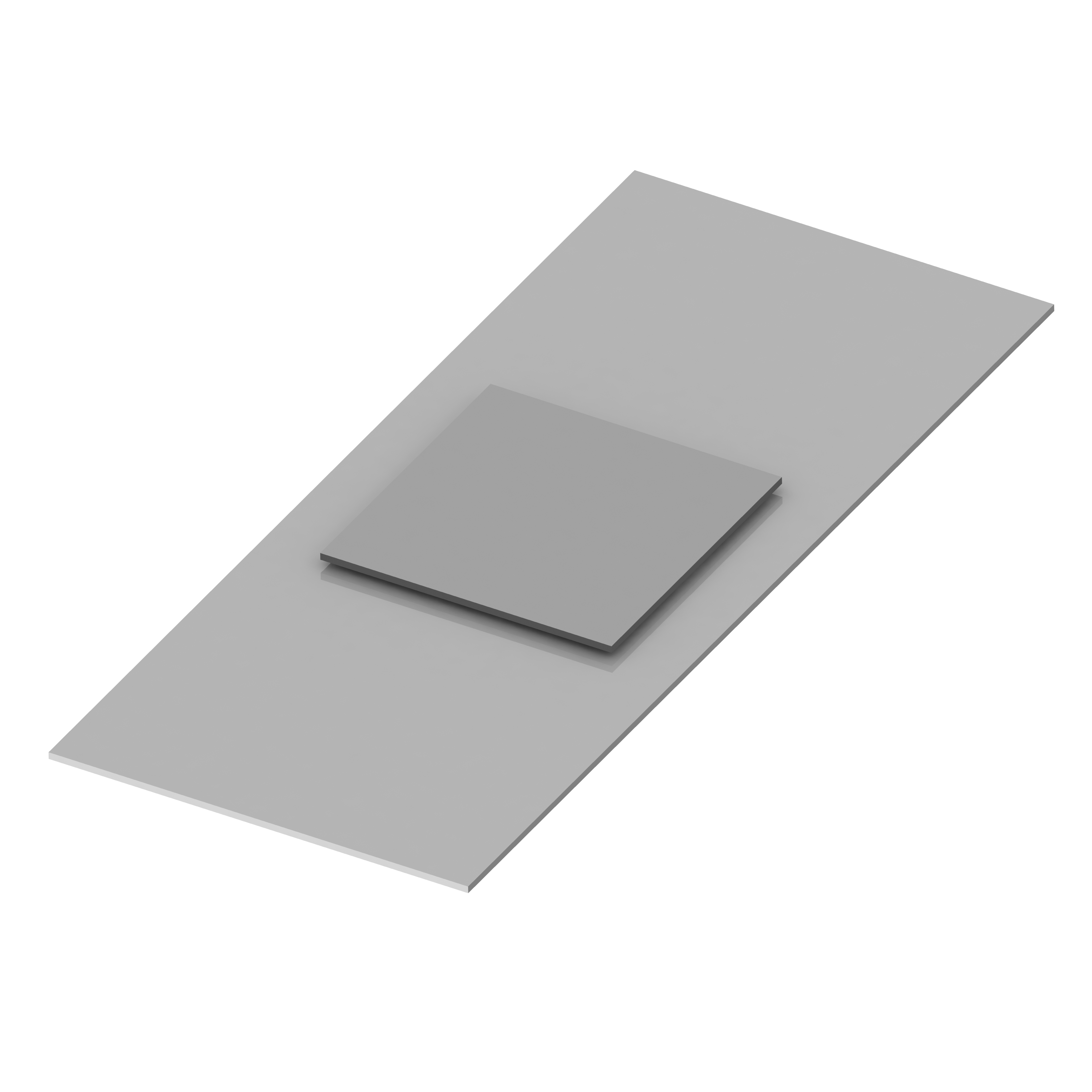 BG550
BG550SLIDE PLATES
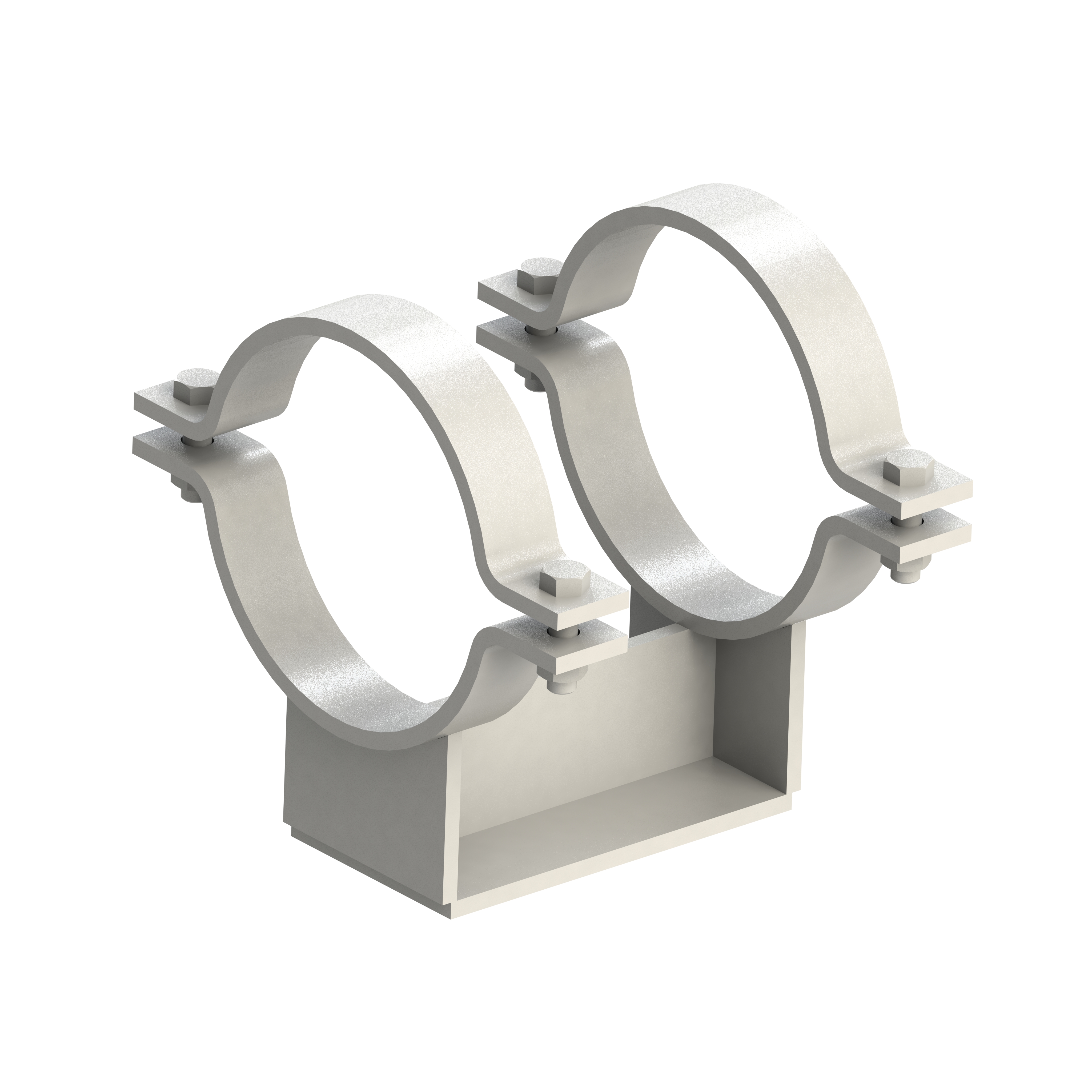 BG517
BG517COMPACT PIPE SHOE
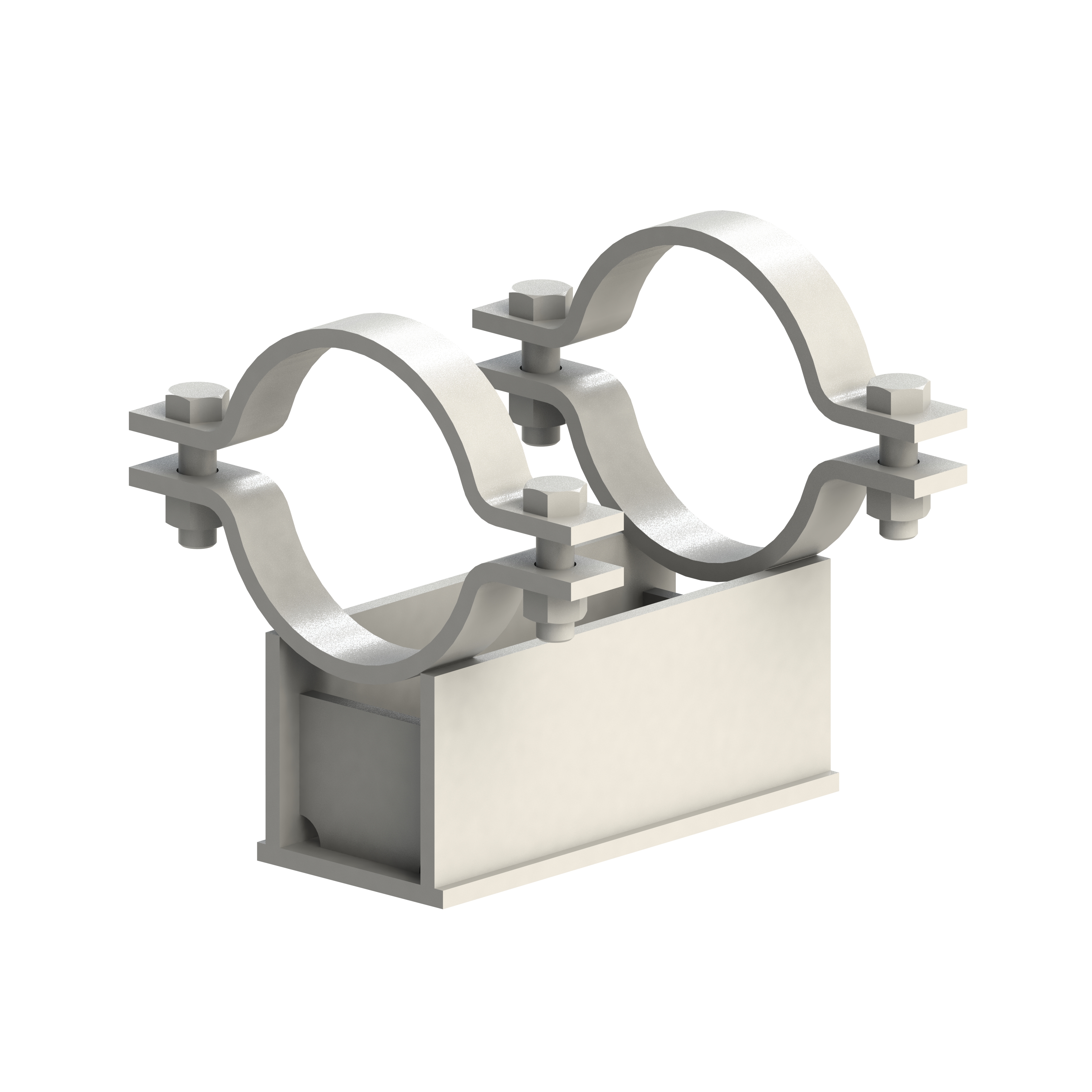 BG400
BG400CLAMPED HOT PIPE SHOE
 BG156
BG156INSULATED PIPE SHOE
BG157INSULATED PIPE SHOE
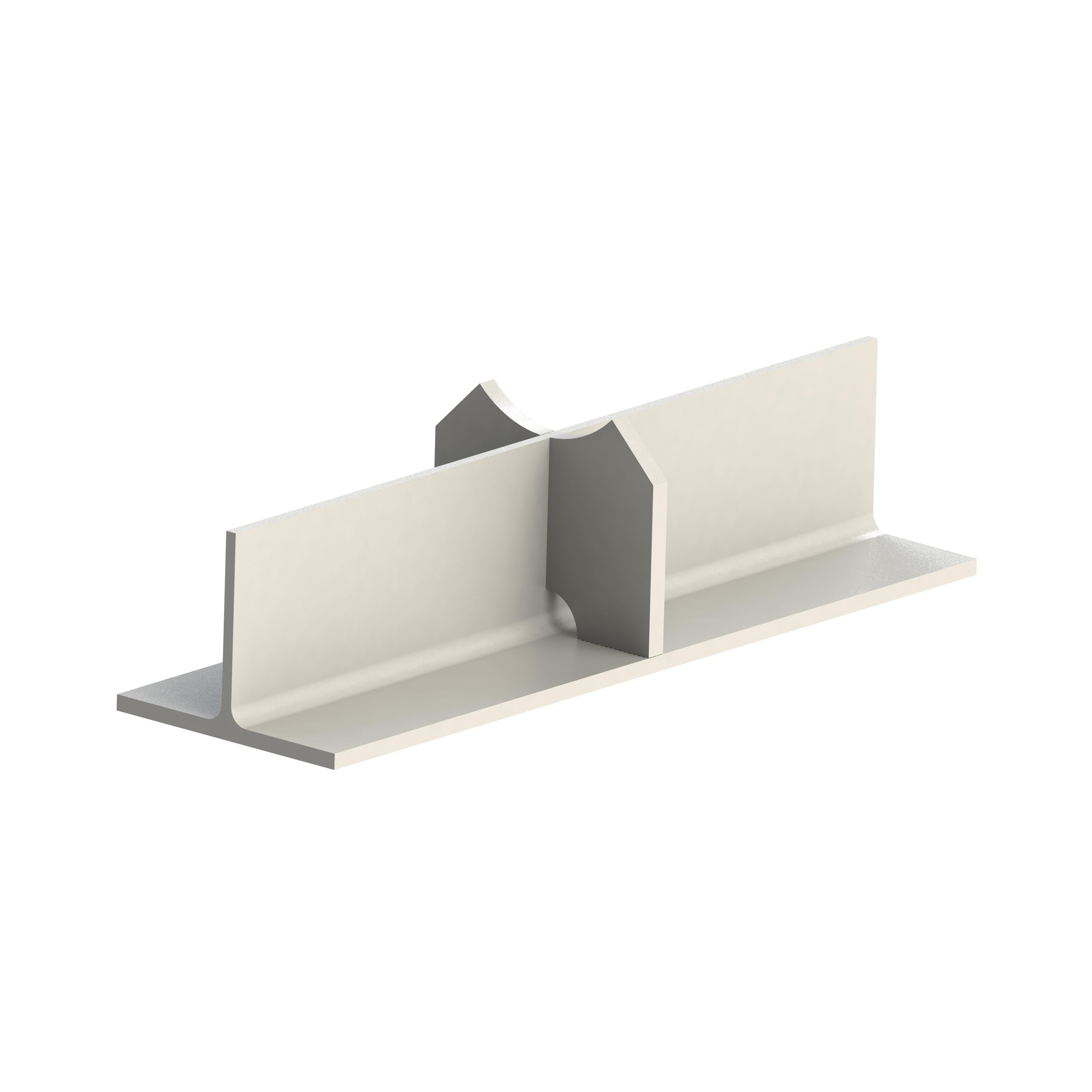 BG510
BG510STANDARD WELDED PIPE SHOE
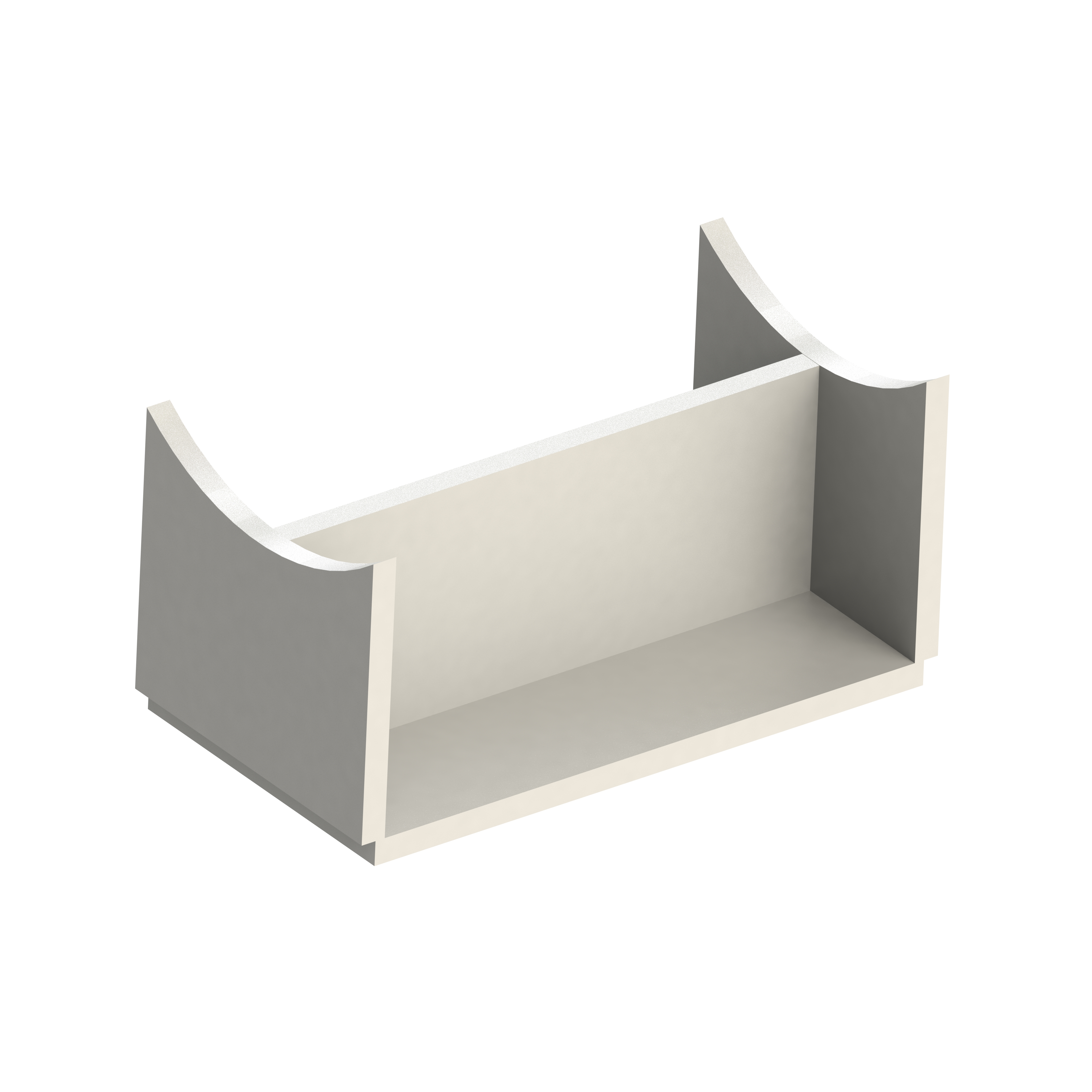 BG518
BG518COMPACT WELDED PIPE SHOE
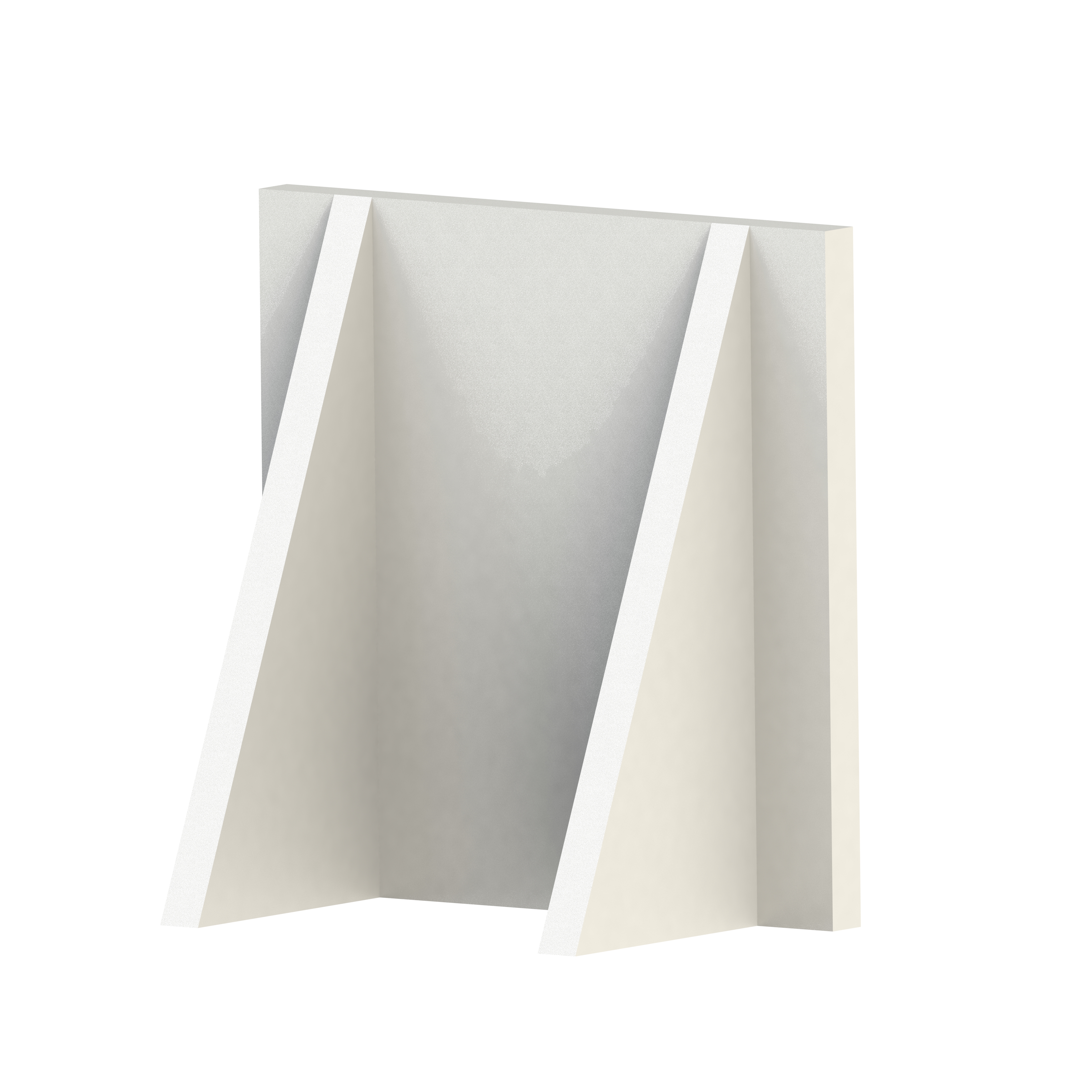 BG555
BG555STANDARD LINE STOPS
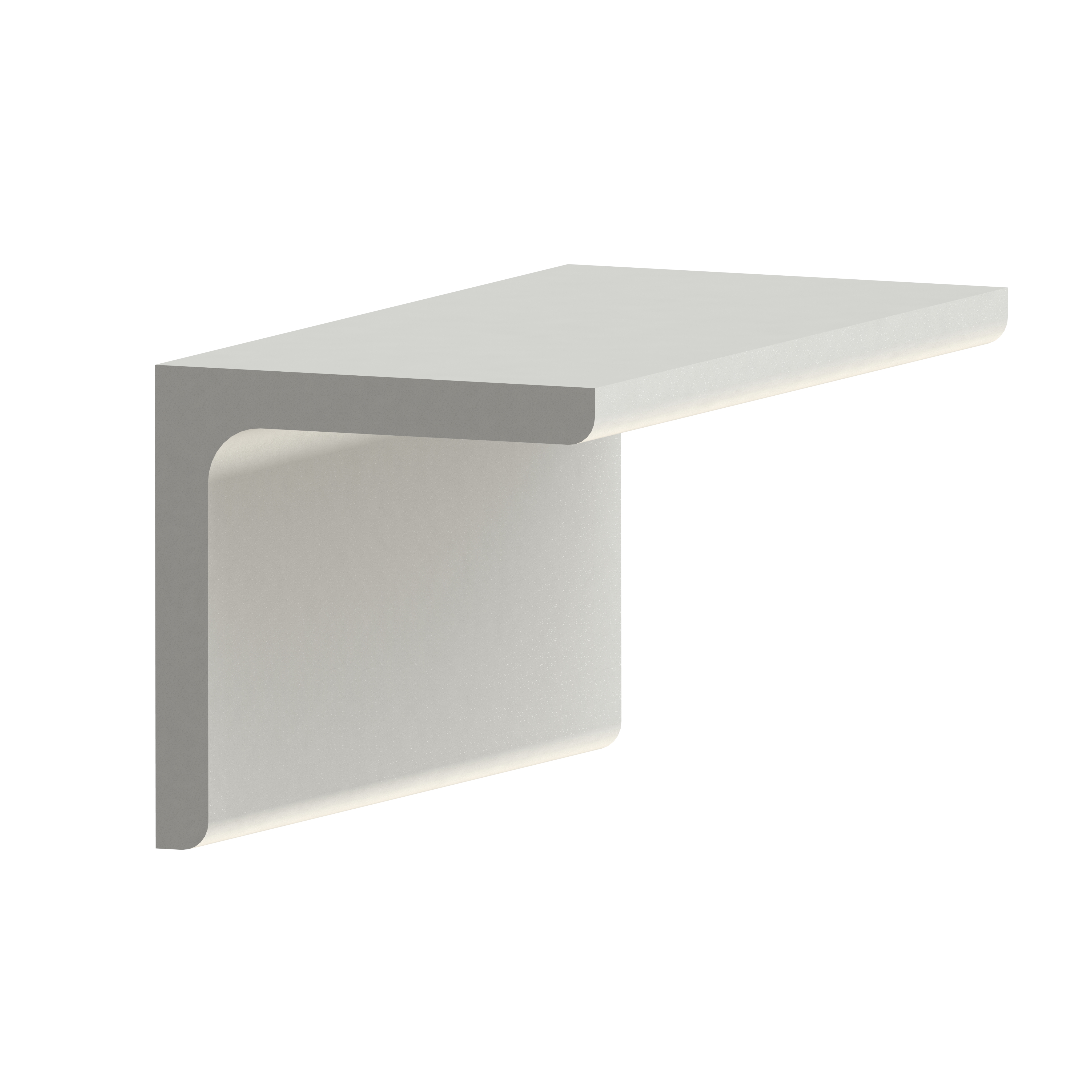
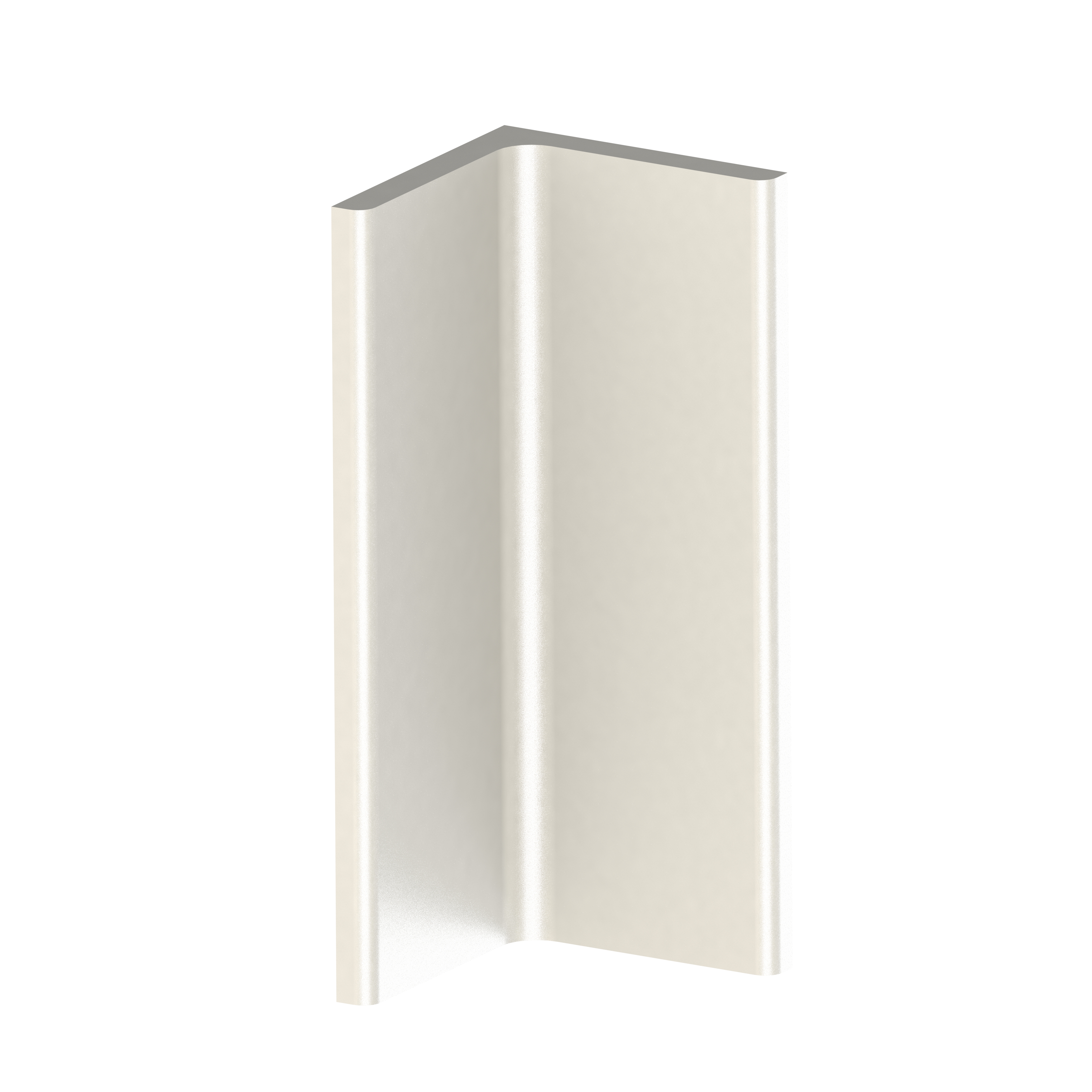 BG560
BG560STANDARD PIPE GUIDES
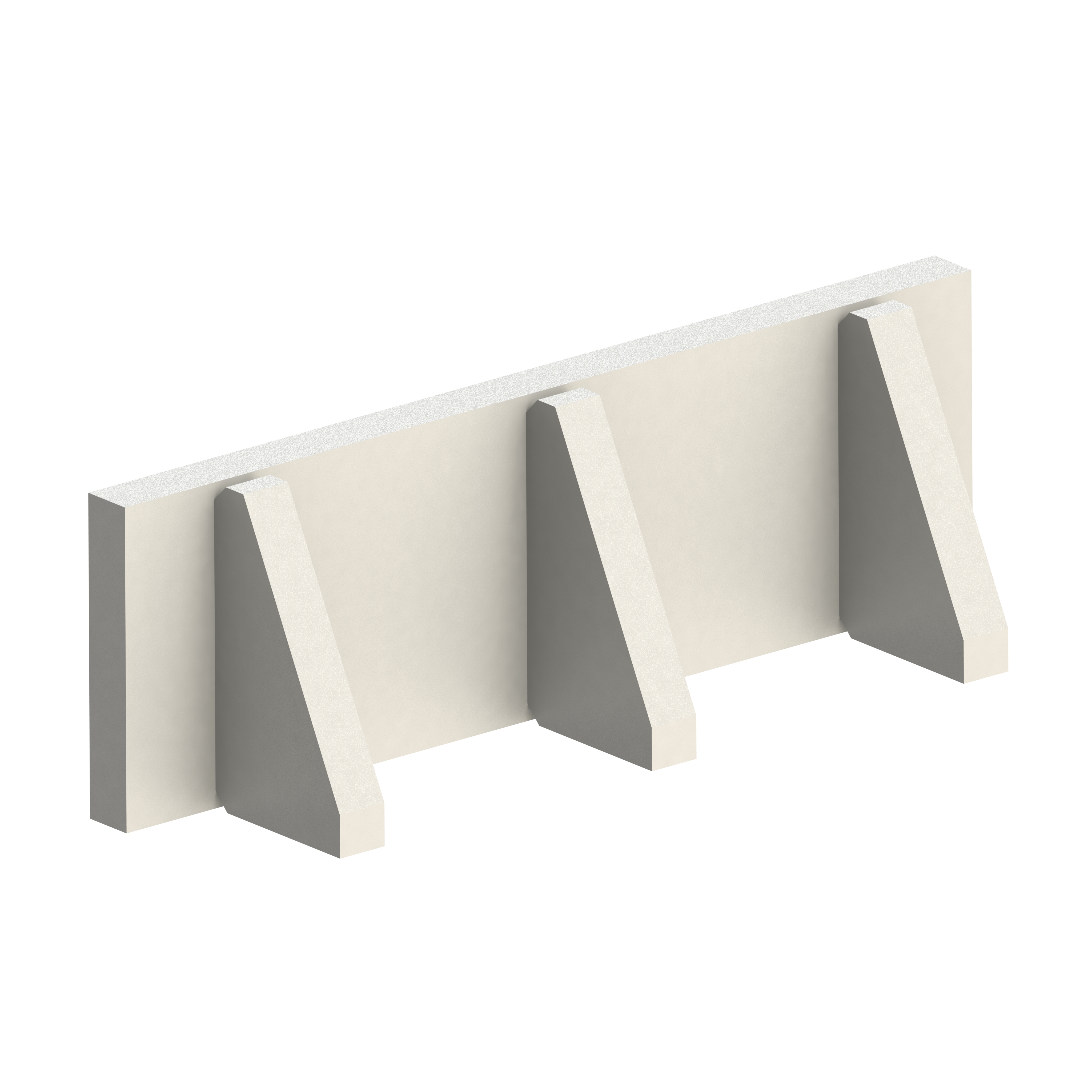
 BG570
BG570STANDARD SHOE GUIDES
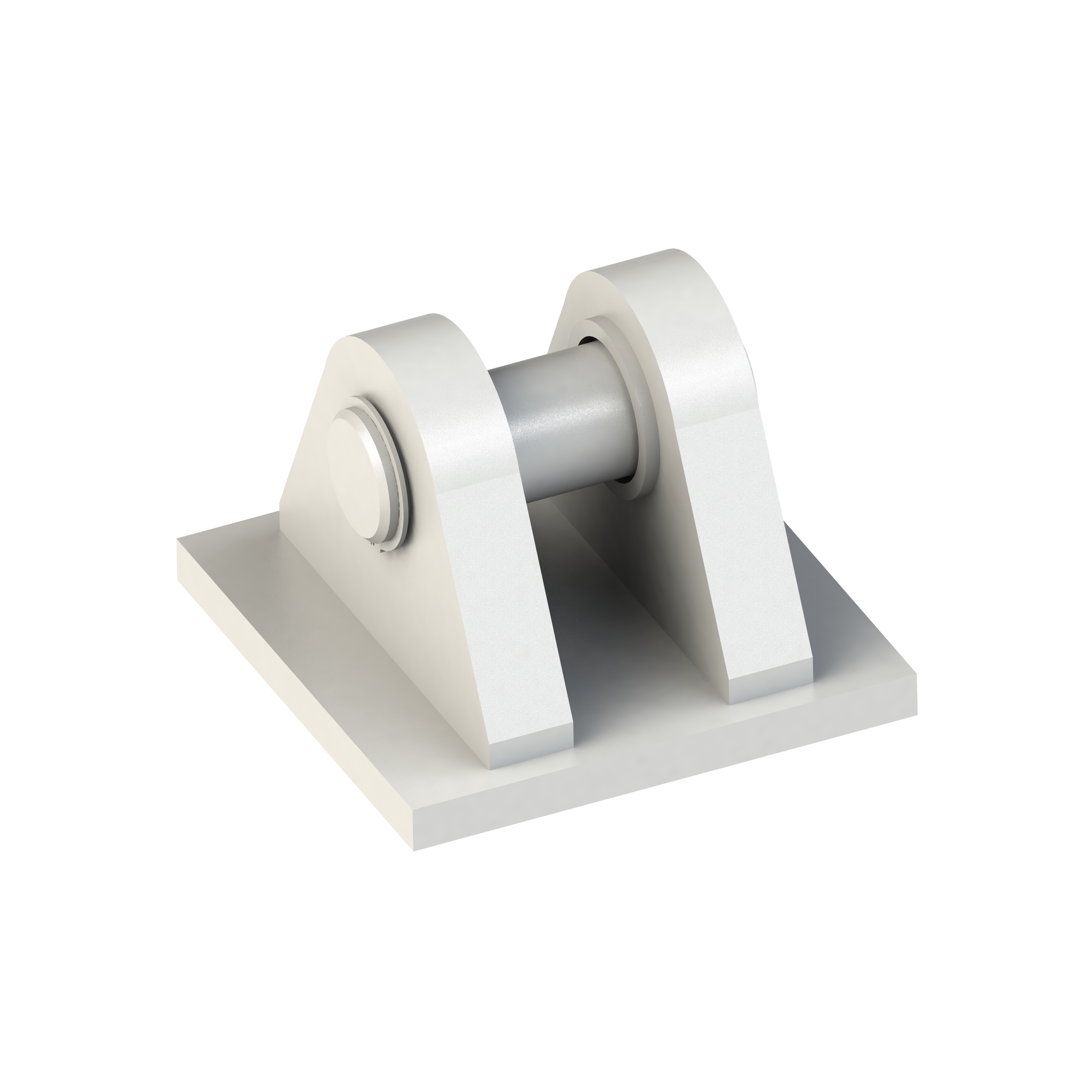
 BG580
BG580STANDARD SHOE GUIDES
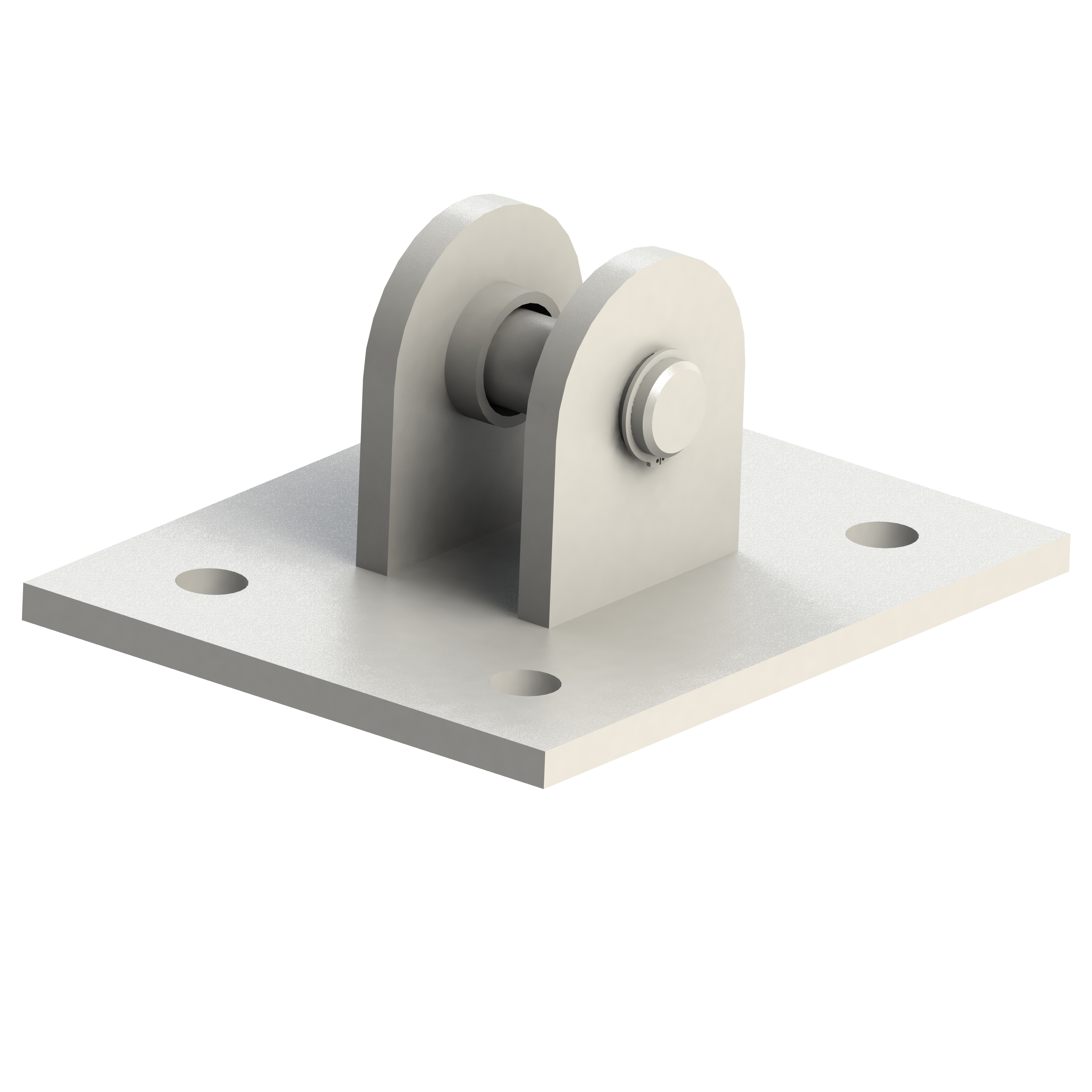
 BG315
BG315END ATTACHMENT FOR HYDRAULIC SNUBBERS
 BG355
BG355END ATTACHMENT FOR RIGID STRUT & SWAY BRACE
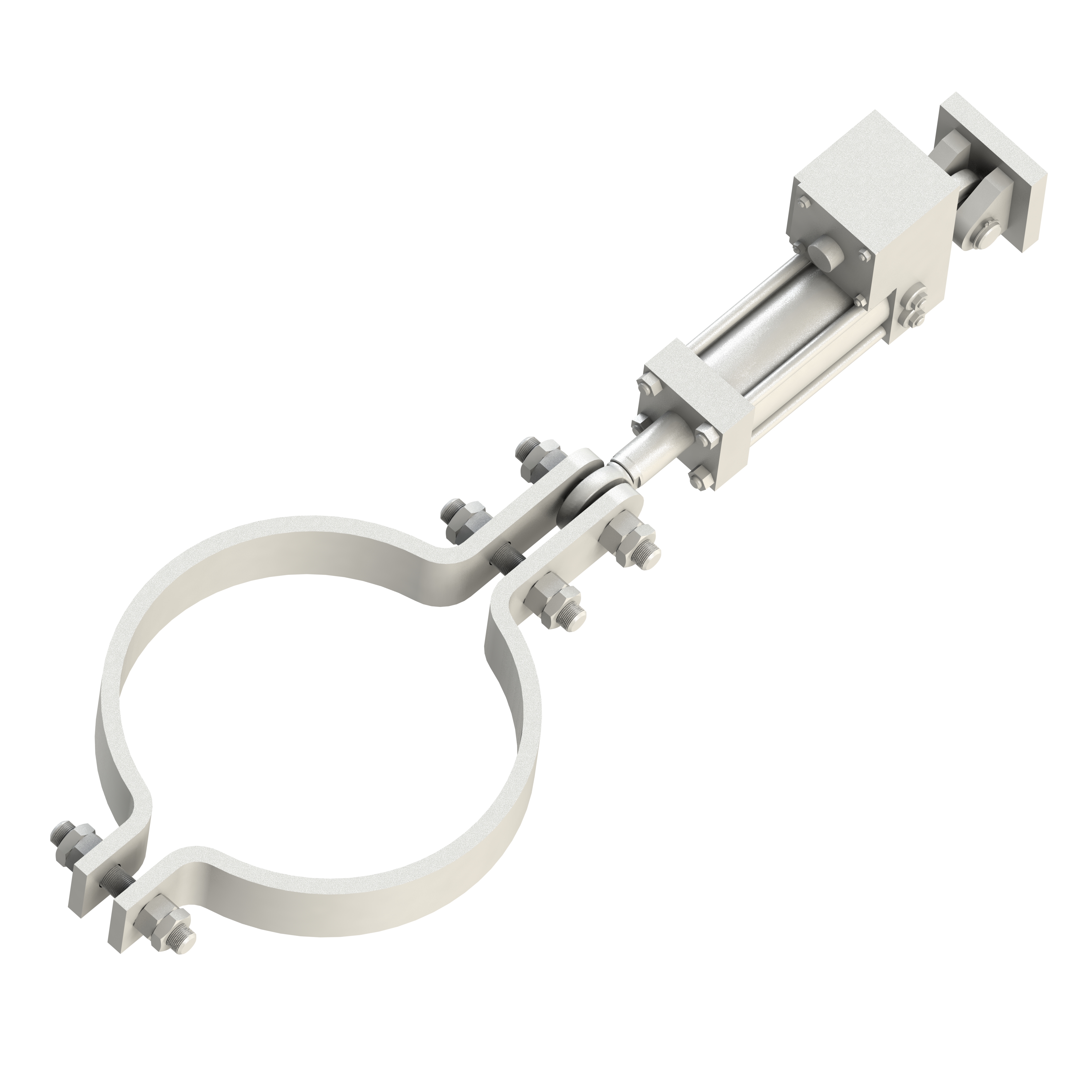 BG310
BG310HYDRAULIC SNUBBERS (SHOCK ARRESTORS)
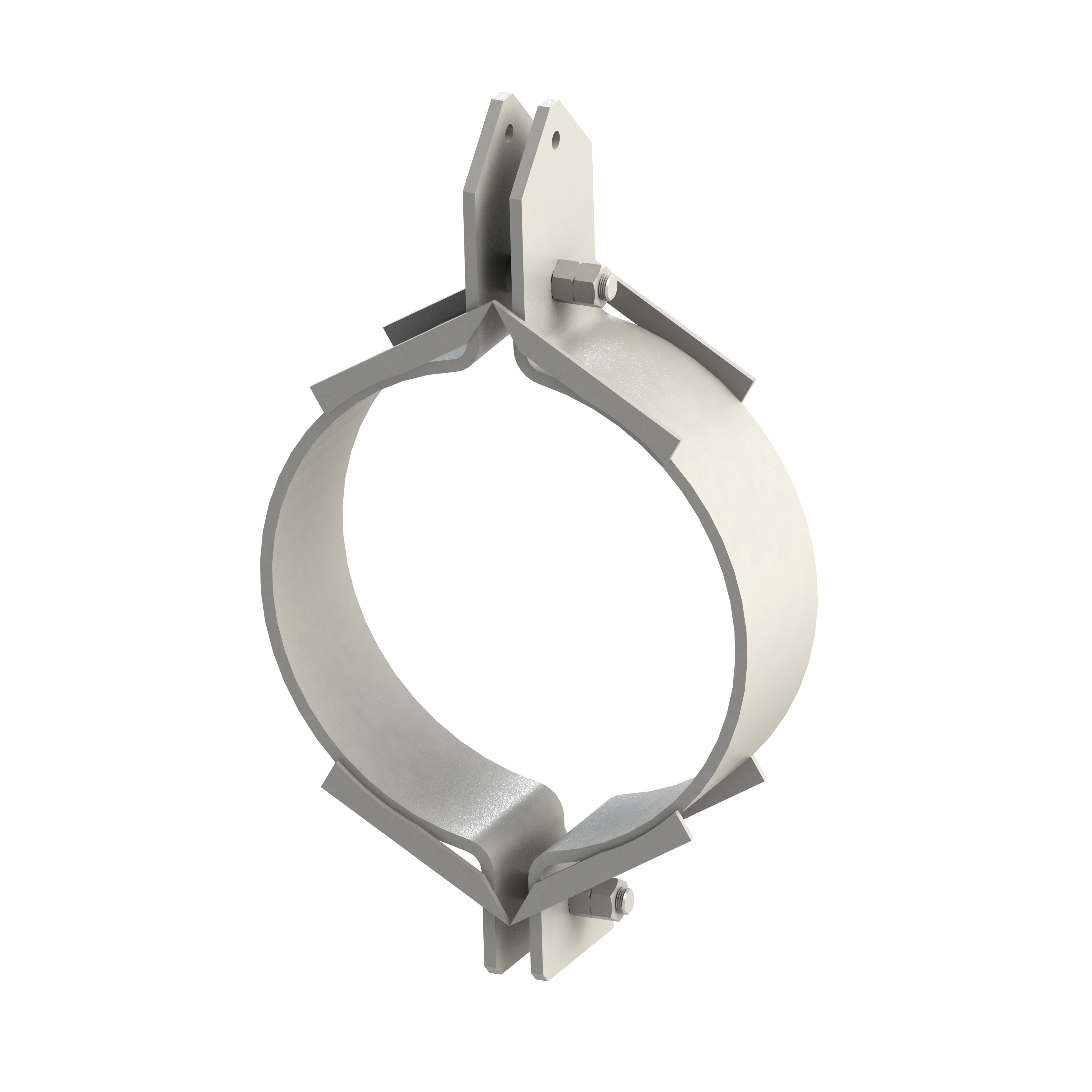 BG321
BG321PIPE CLAMP FOR HYDRAULIC SNUBBER – HIGH TEMPERATURE
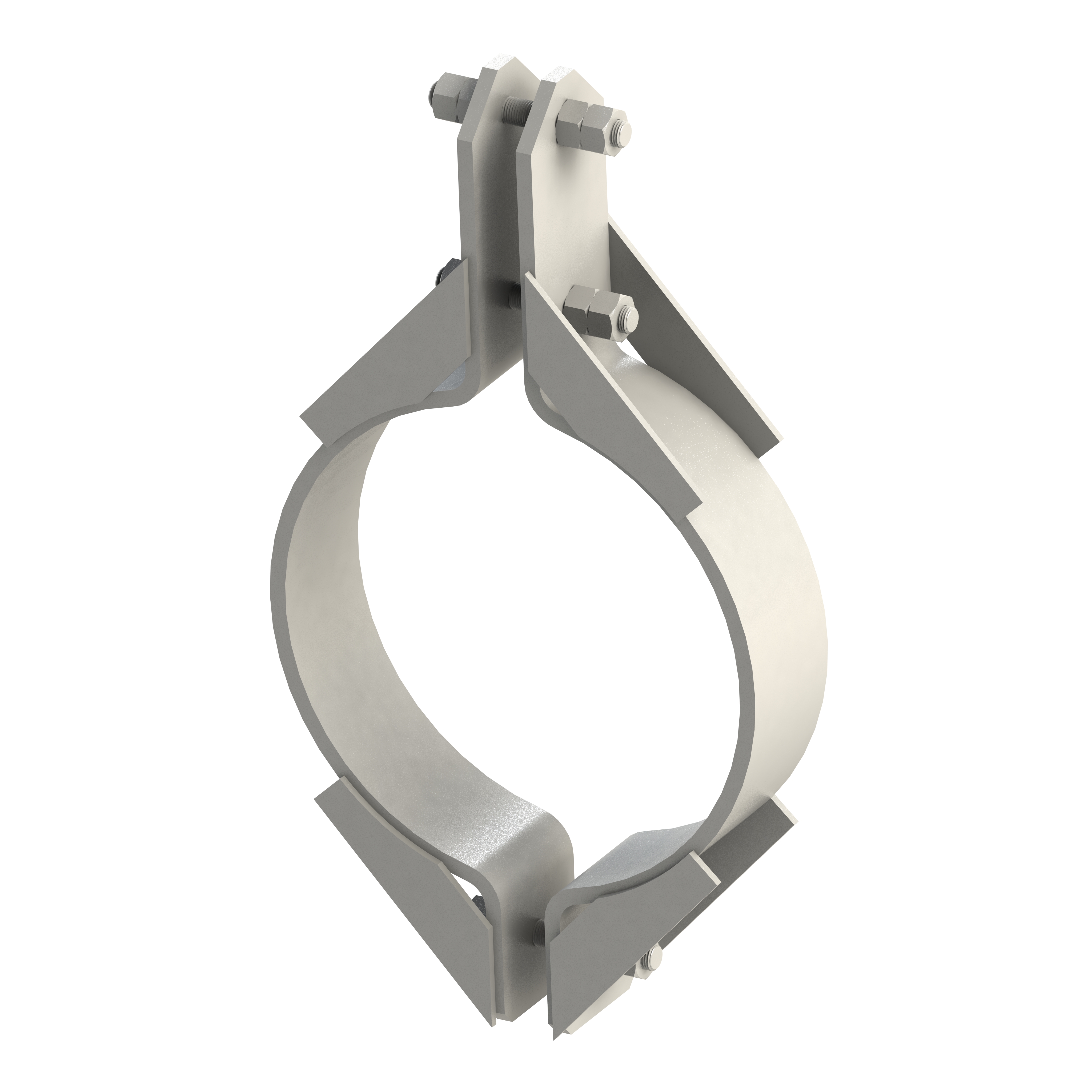 BG322
BG322PIPE CLAMP FOR HYDRAULIC SNUBBER – HIGH TEMPERATURE
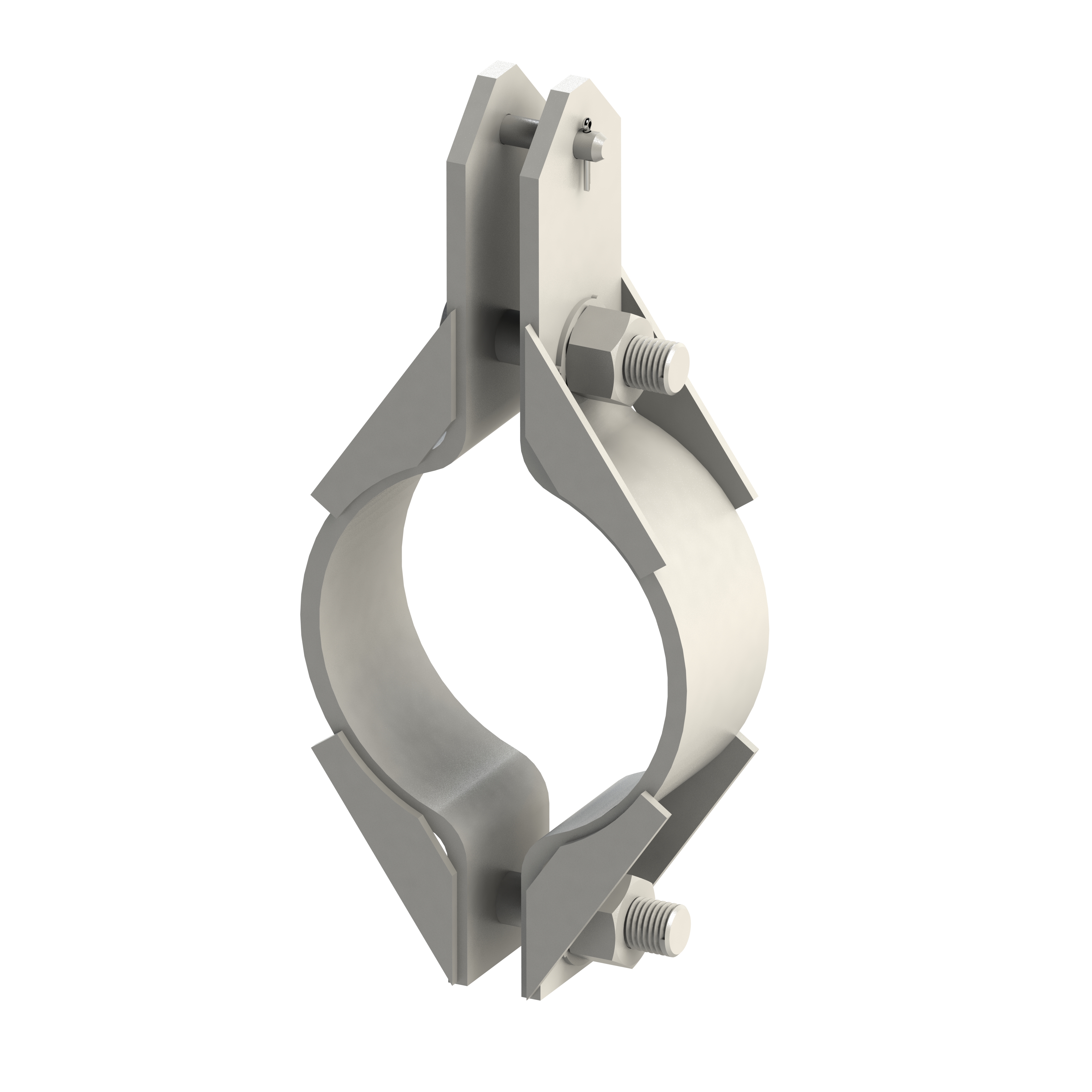 BG320
BG320PIPE CLAMP FOR HYDRAULIC SNUBBER – LOW TEMPERATURE
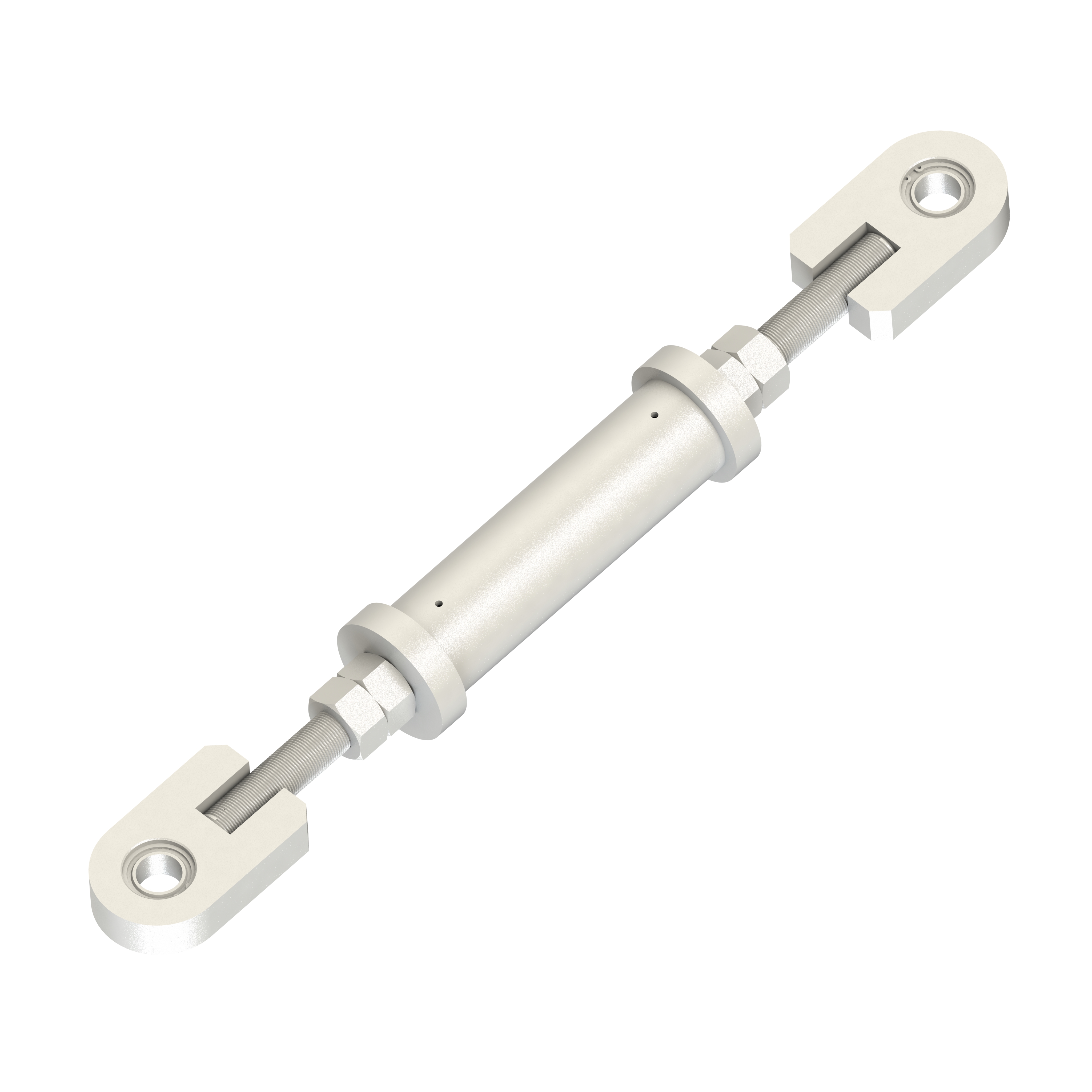 BG350
BG350RIGID STRUTS
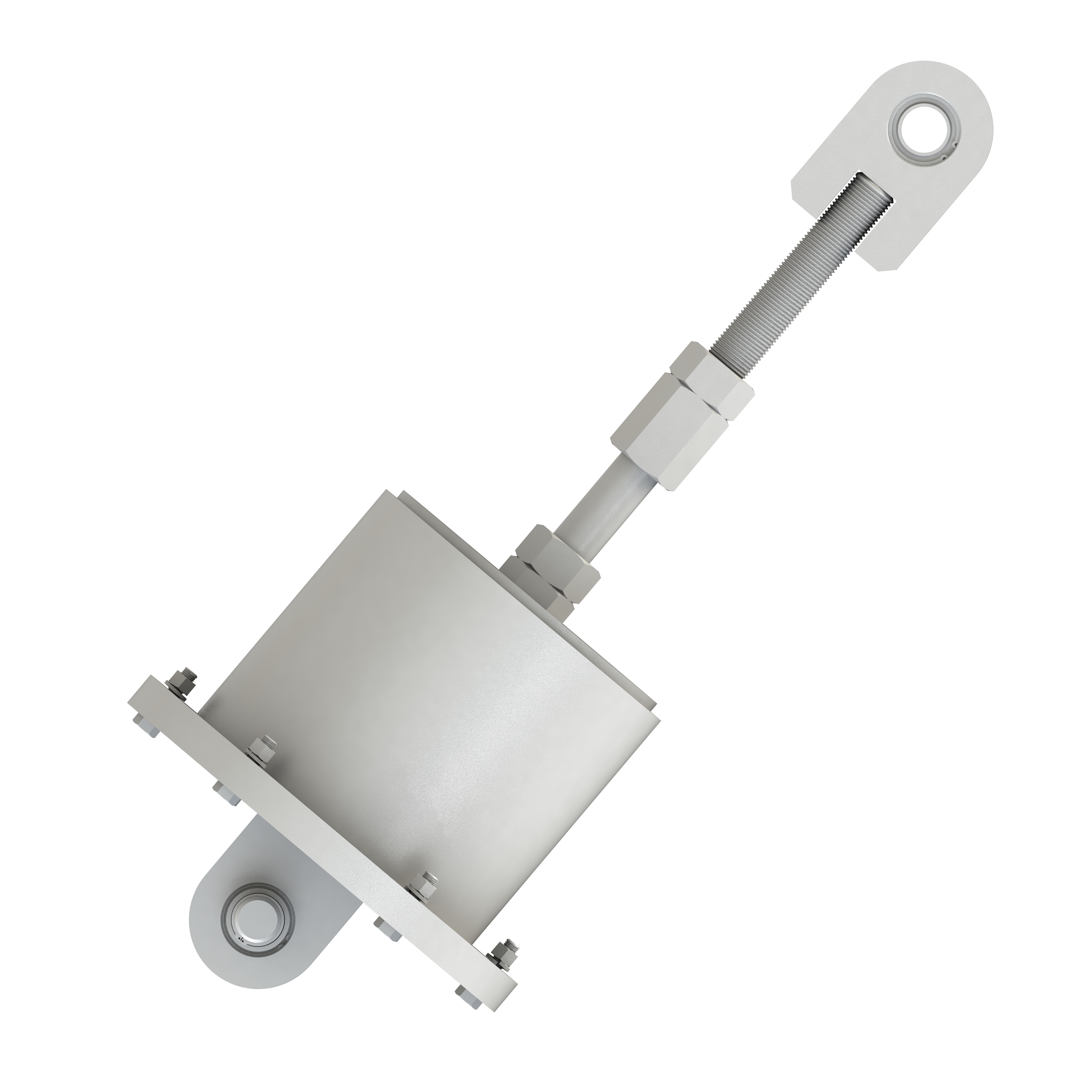 BG340
BG340SWAY BRACE
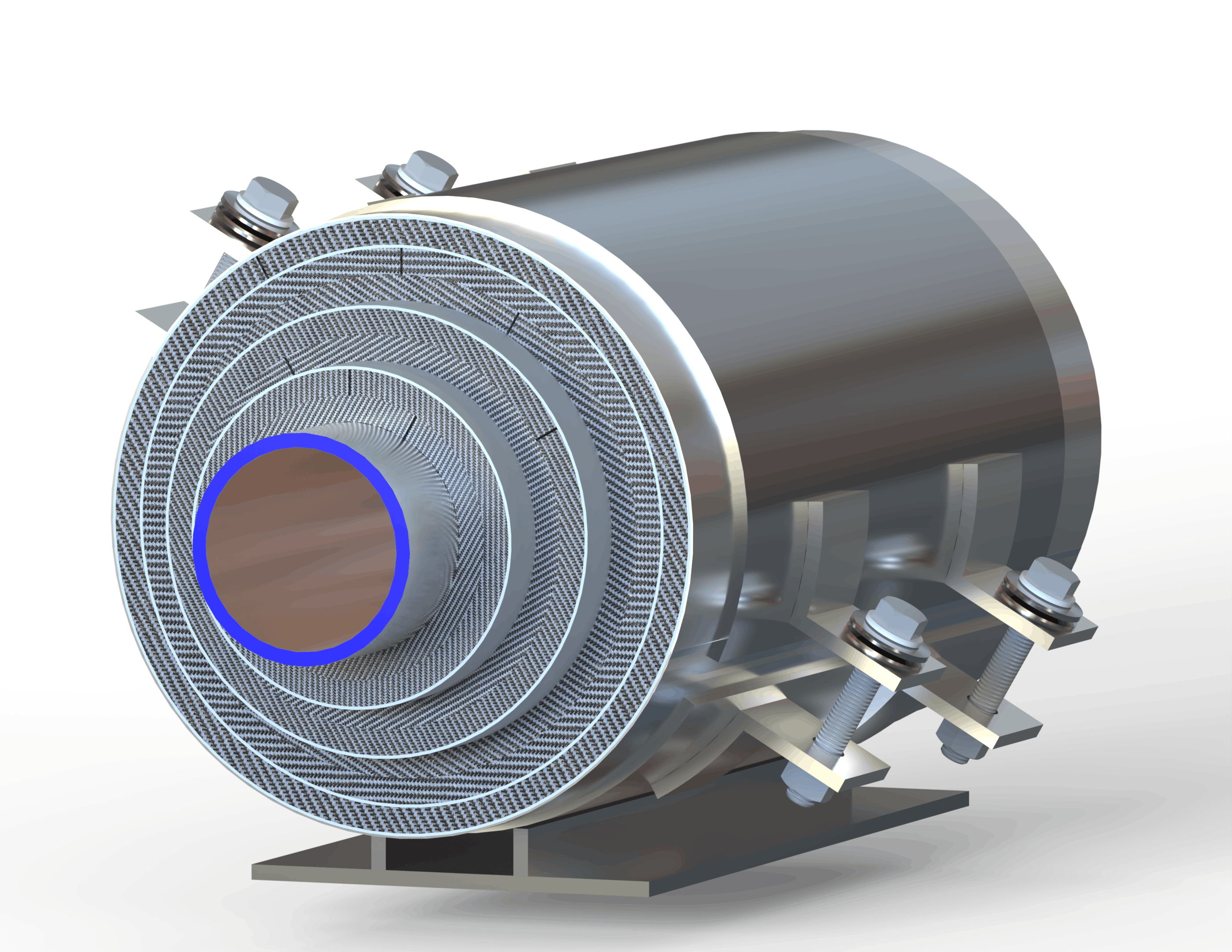 BG700-703
AEROX™ Cryogenic Pipe Support System
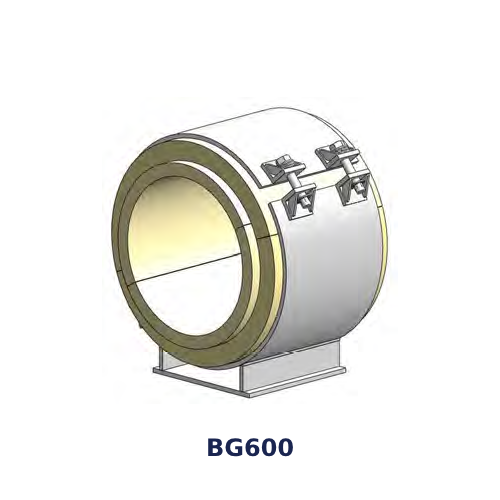 BG600-603
HD PUF CRYOGENIC PIPE SHOE
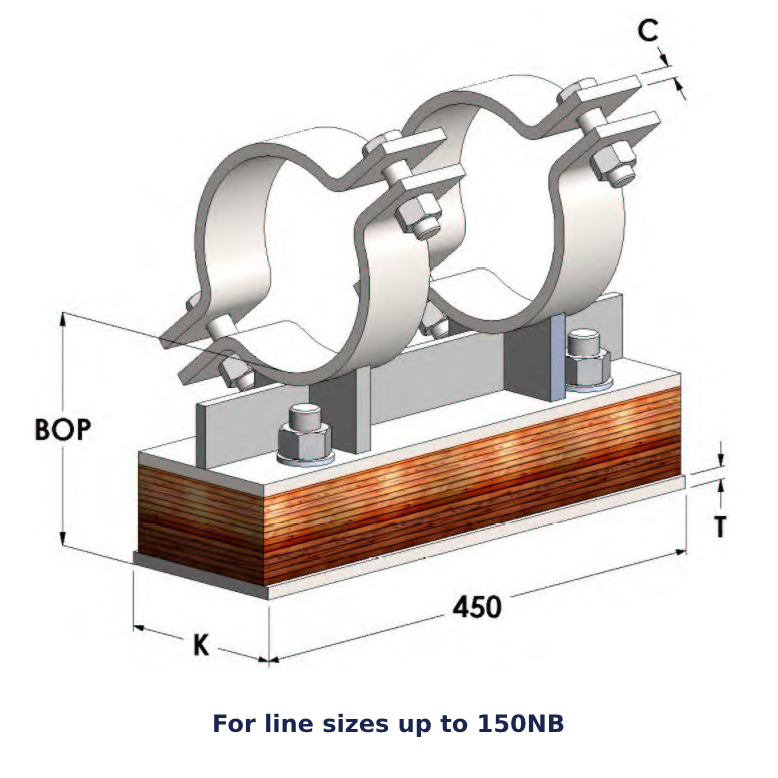 BG615
BG615STANDARD COLD SHOE
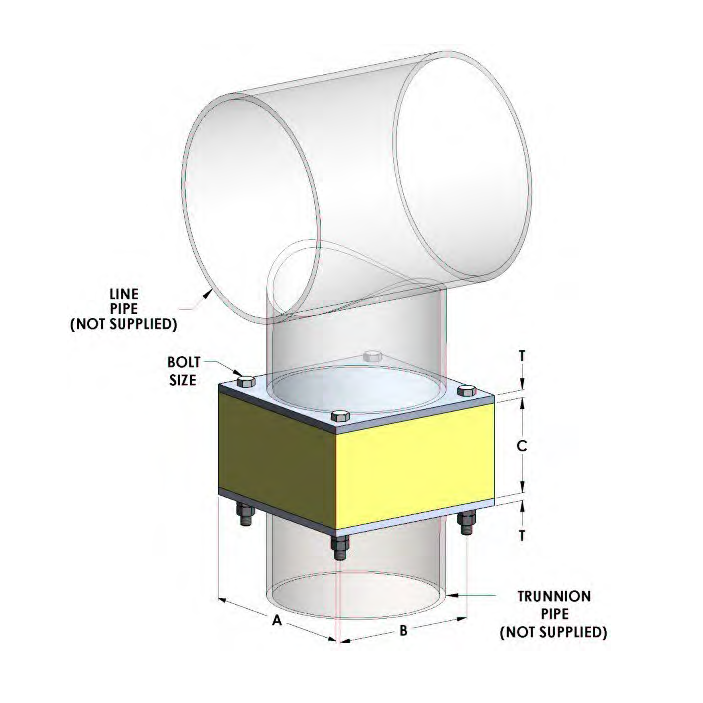 BG620
BG620TRUNNION COLD SUPPORT
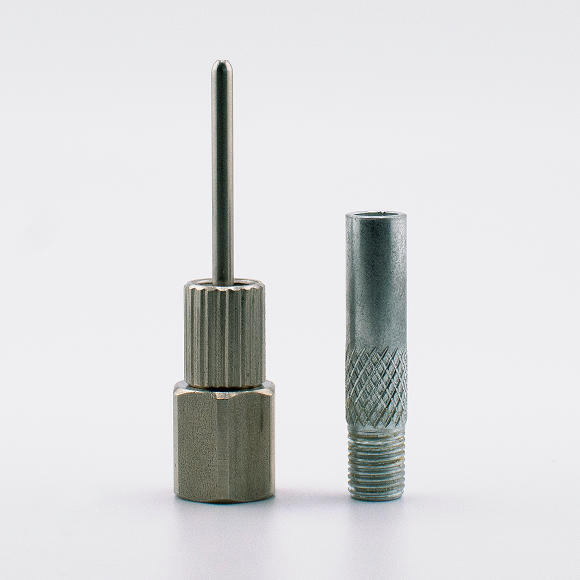 #691028
All Stainless Steel Gauge Adapter #691028
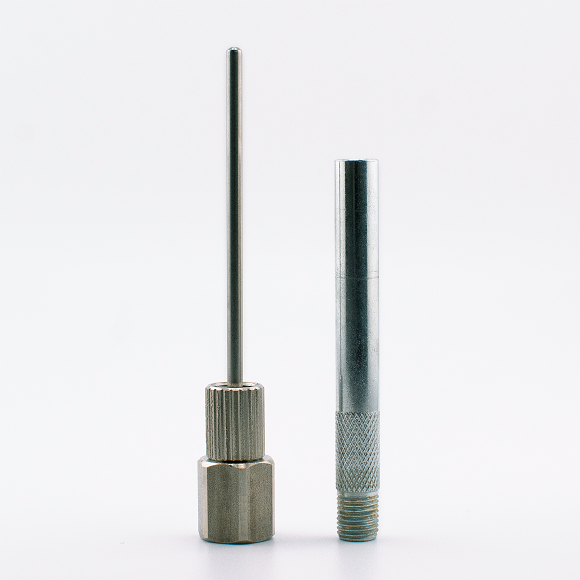 #520XL
All Stainless Steel Gauge Adapter #520XL
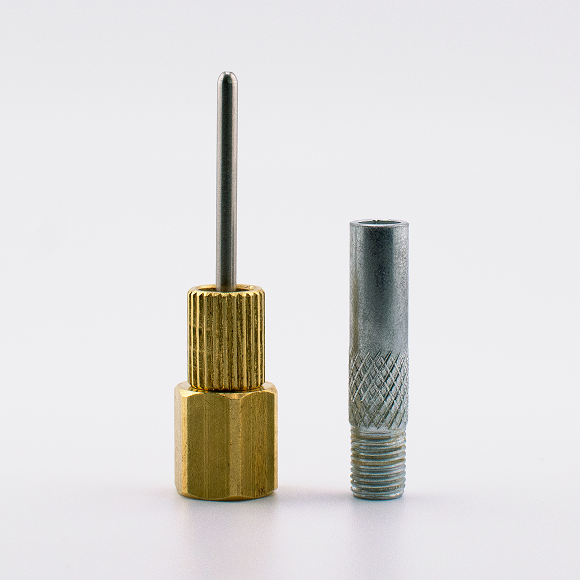 #691023
Brass Gauge Adapter #691023
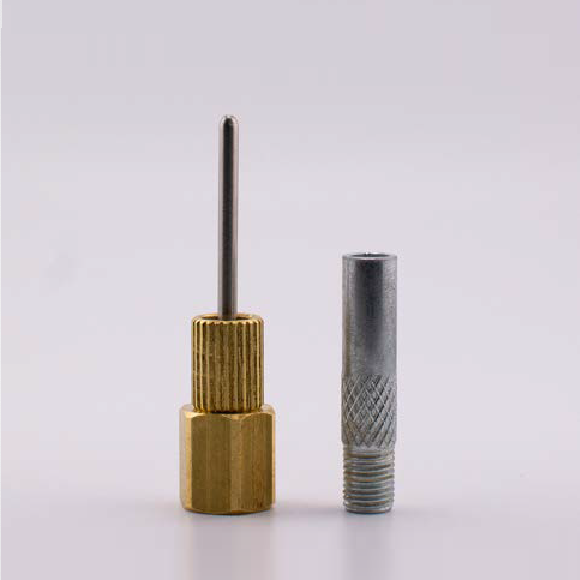 #500BSP
Brass Gauge Adapter #500BSP
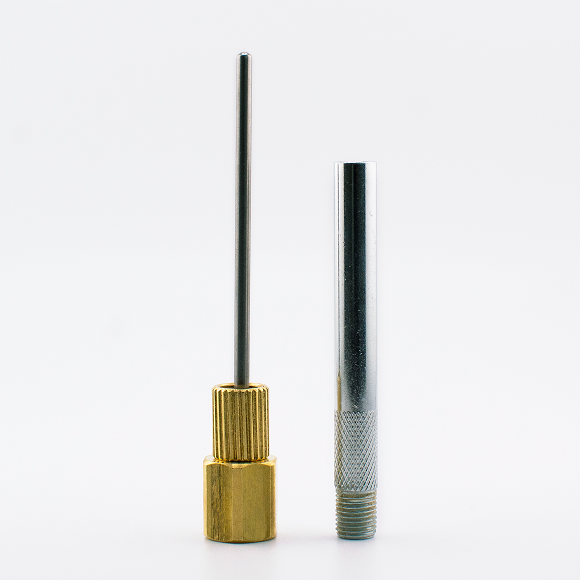 #691024
Brass Gauge Adapter #691024
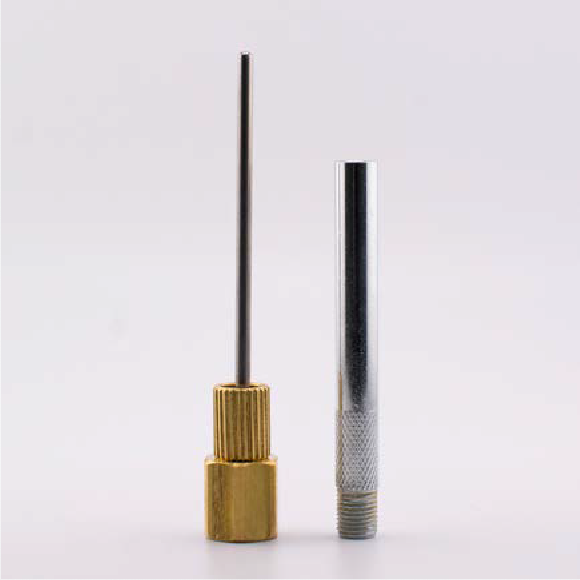 #500XLBSP
Brass Gauge Adapter #500XLBSP
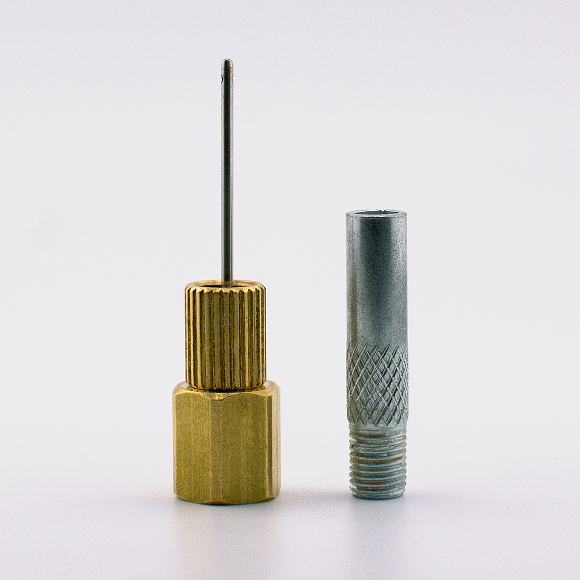 691026
Brass Gauge Adapter #691026
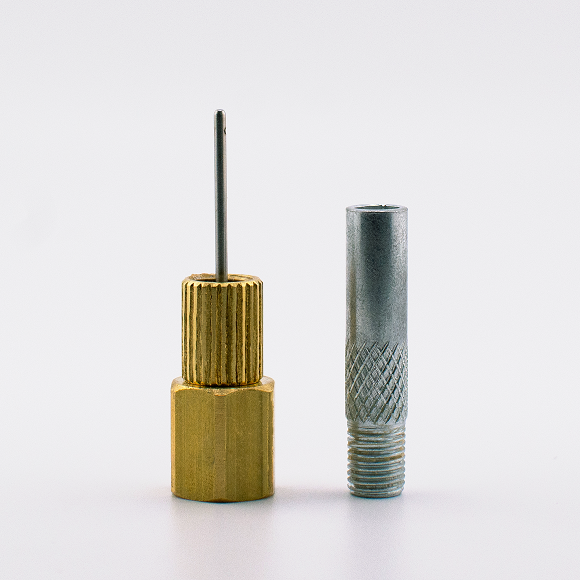 #691027
Brass Gauge Adapter #691027
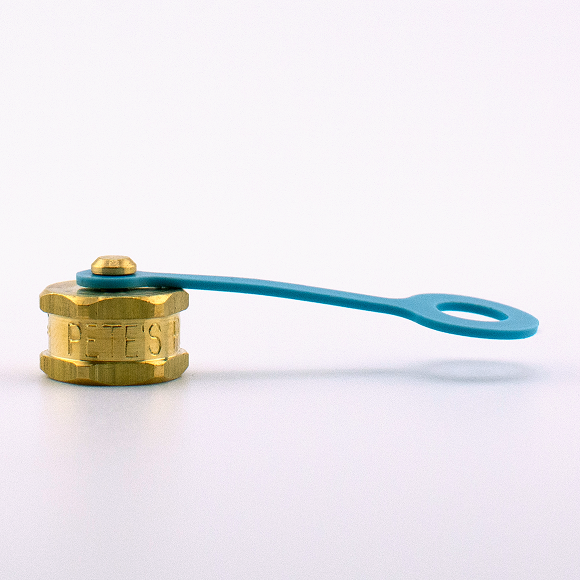 #104-1BS
Cap Assembly #104-1BS
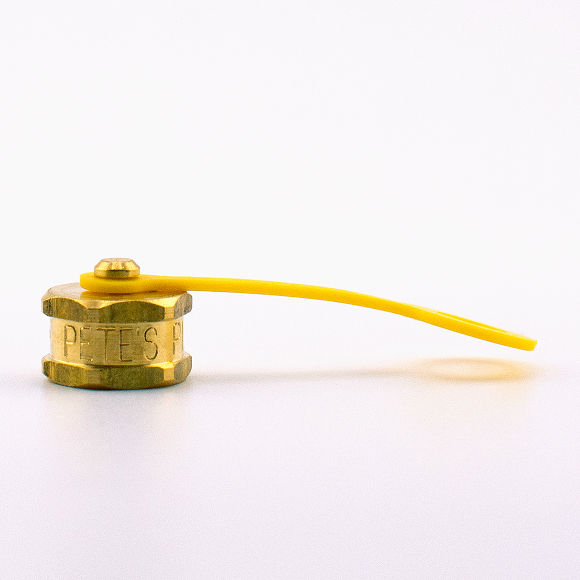 #104-1YS
Cap Assembly #104-1YS
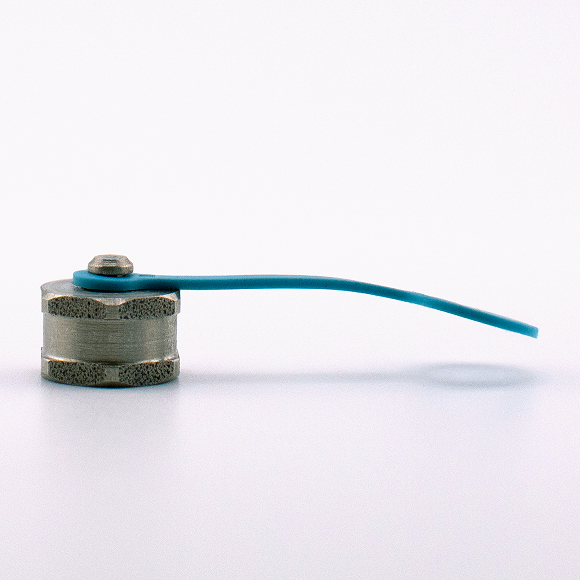 #104-2BS
Cap Assembly #104-2BS
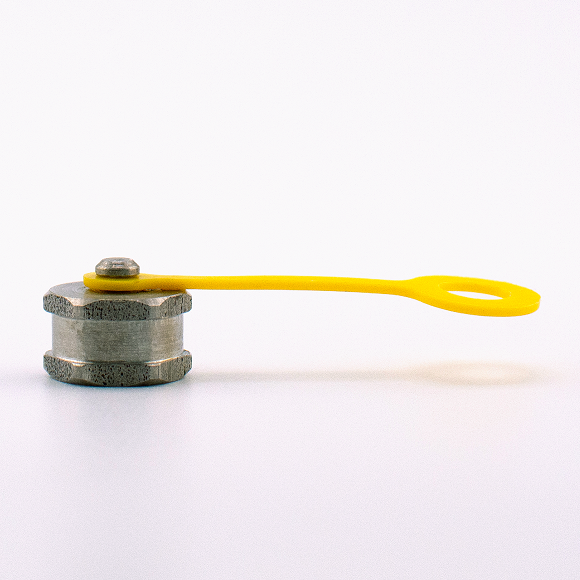 #104-2YS
Cap Assembly #104-2YS
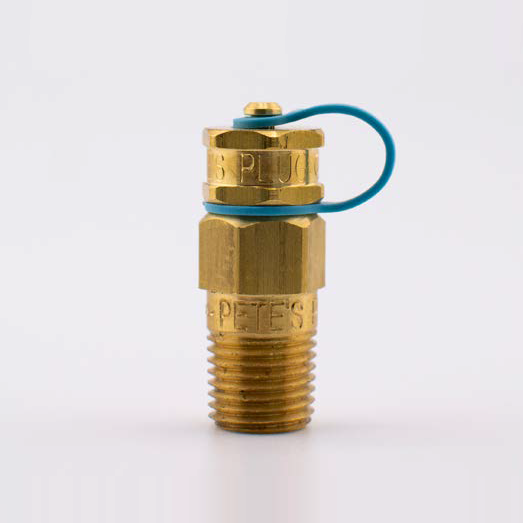 #691003
Pete's Plug #691003
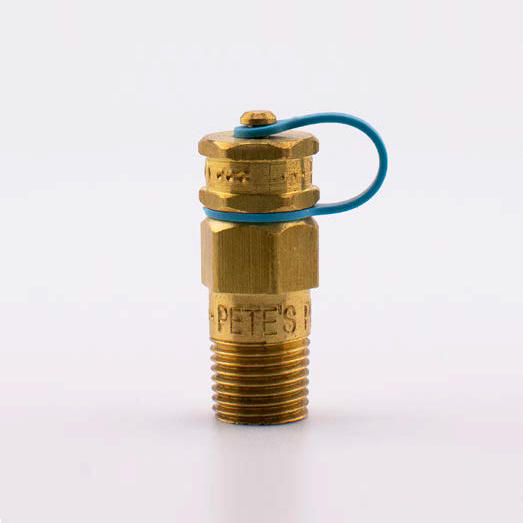 #691002
Pete's Plug #691002
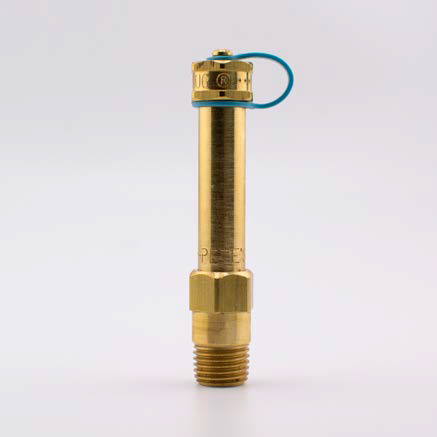 #691010
Pete's Plug #691010
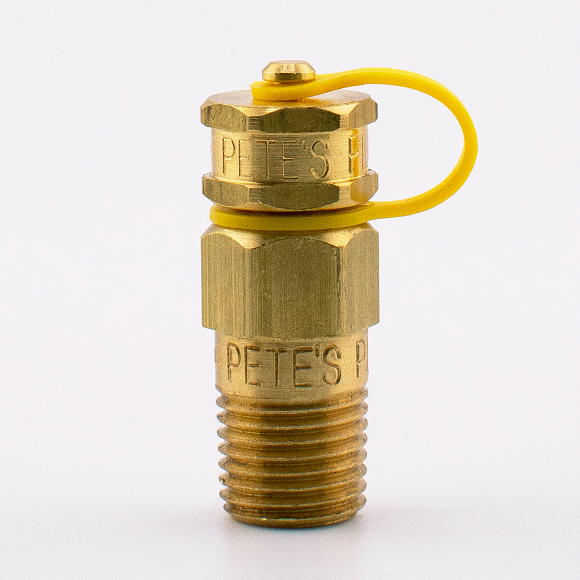 #691001
Pete's Plug #691001
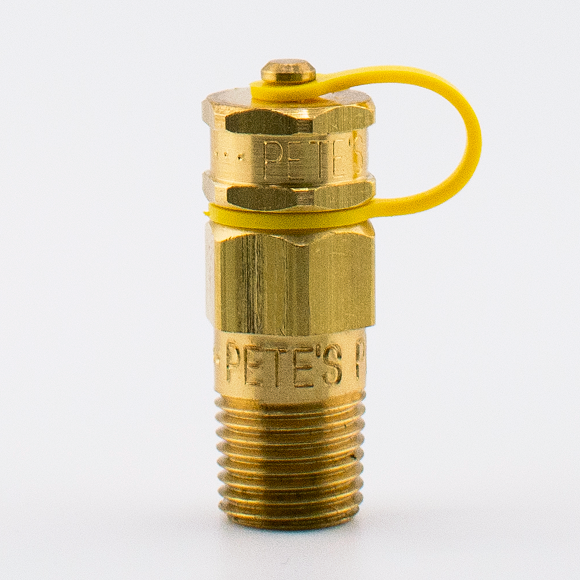 #691000
Pete's Plug #691000
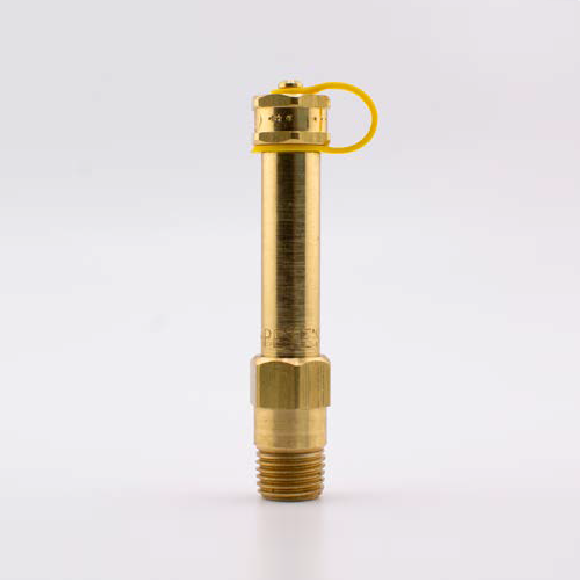 #691017
Pete's Plug #691017
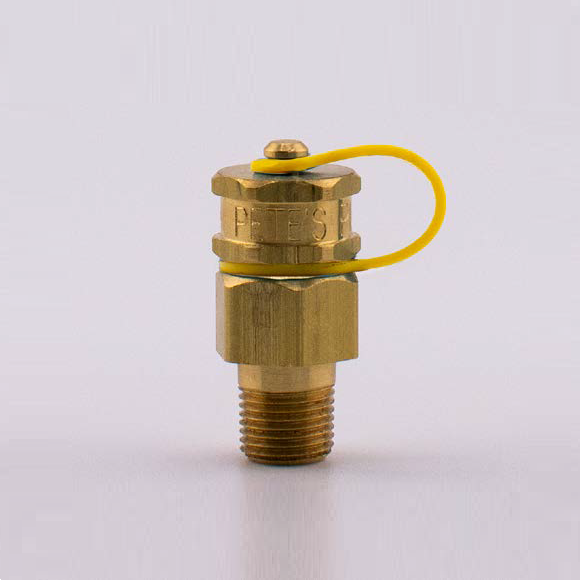 #12510
Pete's Plug #12510
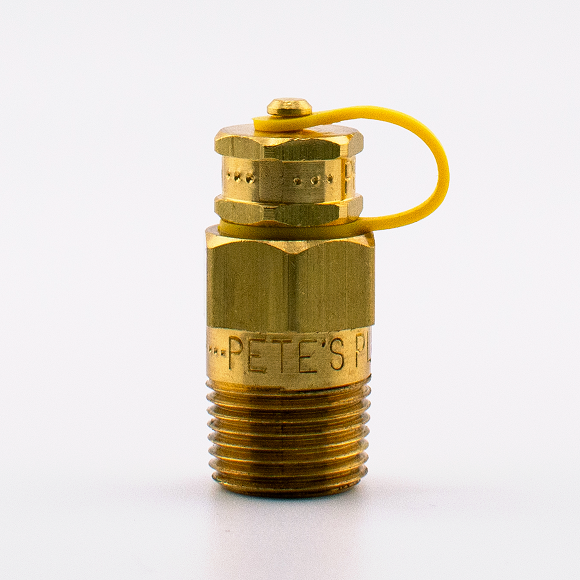 691020
Pete's Plug #691020
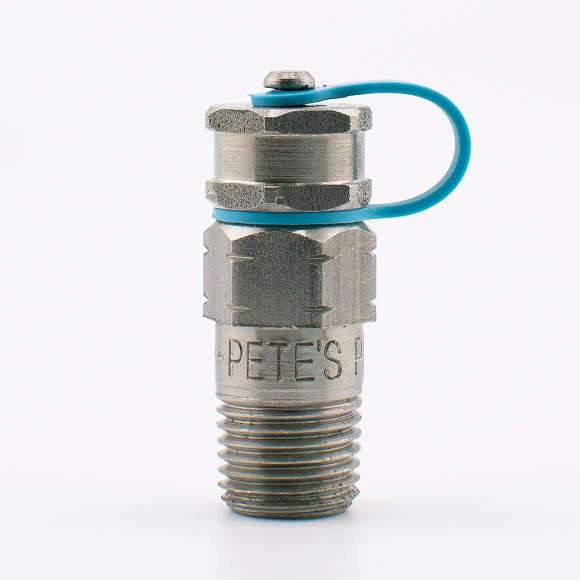 #691008
Pete's Plug #691008
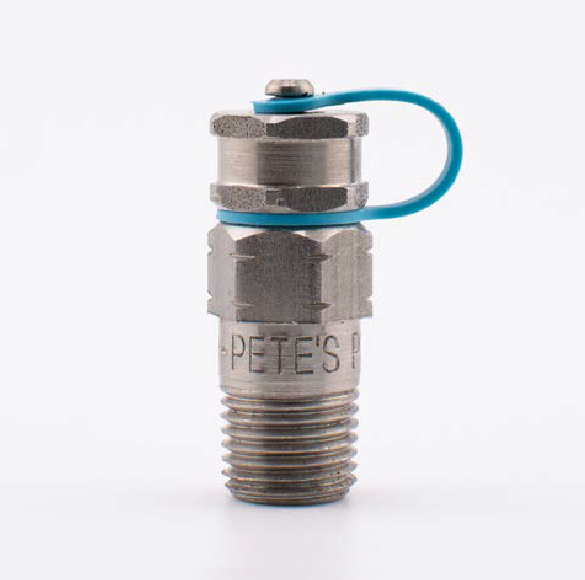 #691005
Pete's Plug #691005
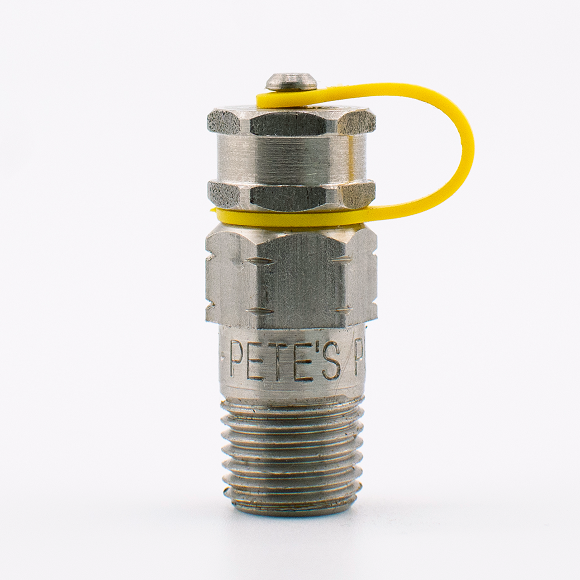 #691007
Pete's Plug #691007
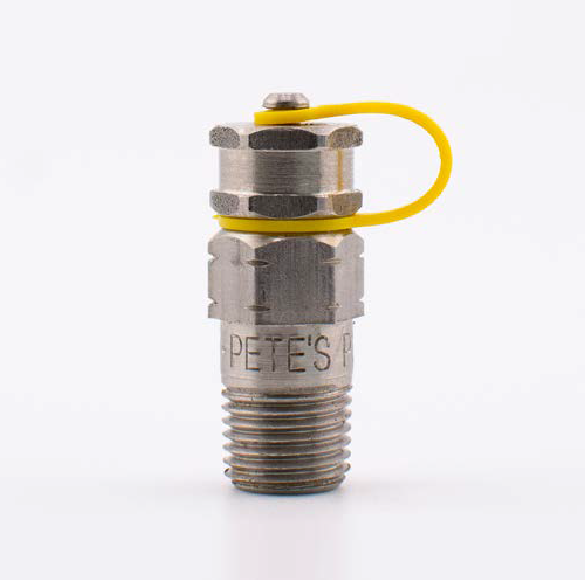 #691004
Pete's Plug #691004
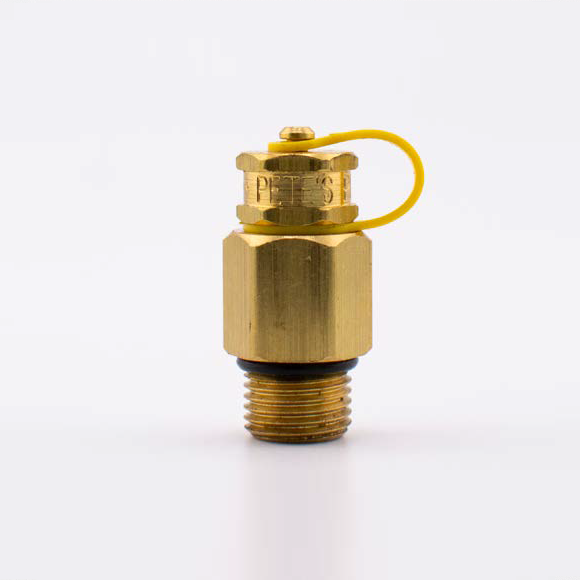 #572
#572Pete's Plug #572
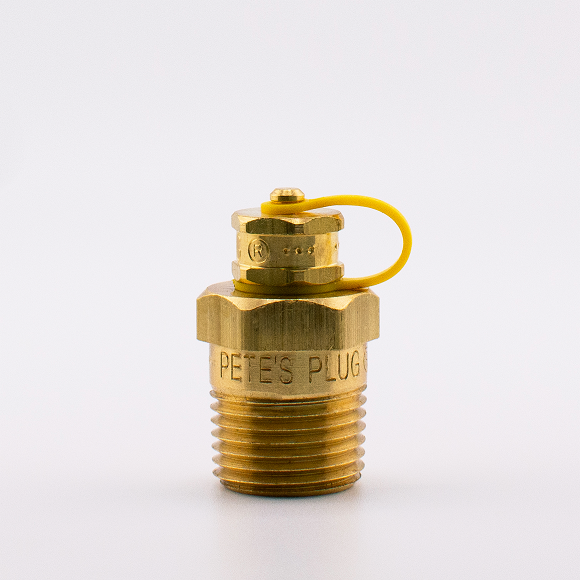 #691019
Pete's Plug #691019
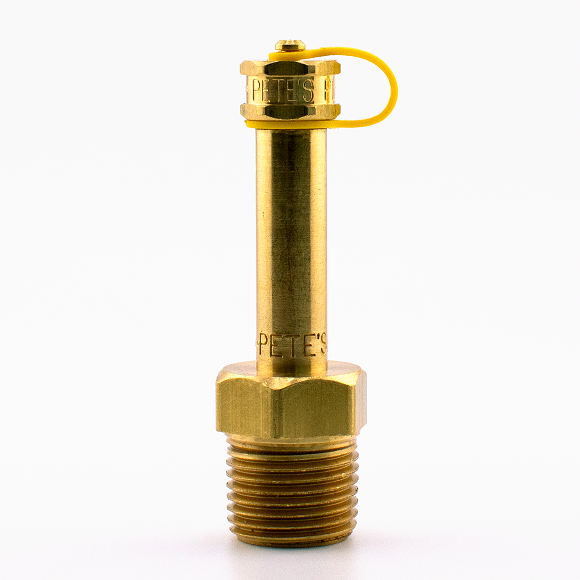 #691018
Pete's Plug #691018
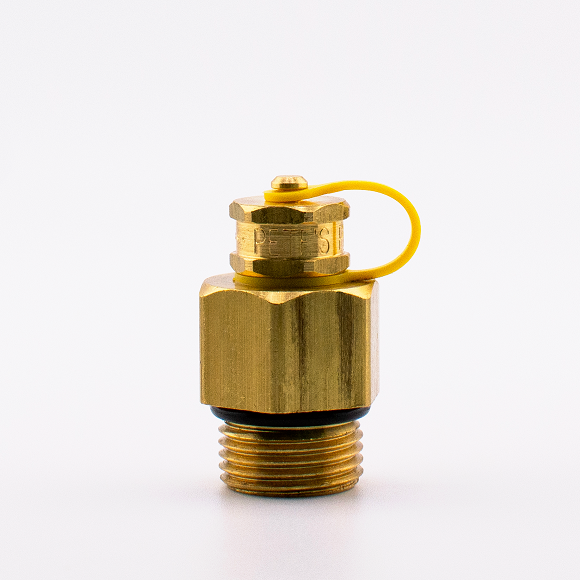 #760
#760Pete's Plug #760
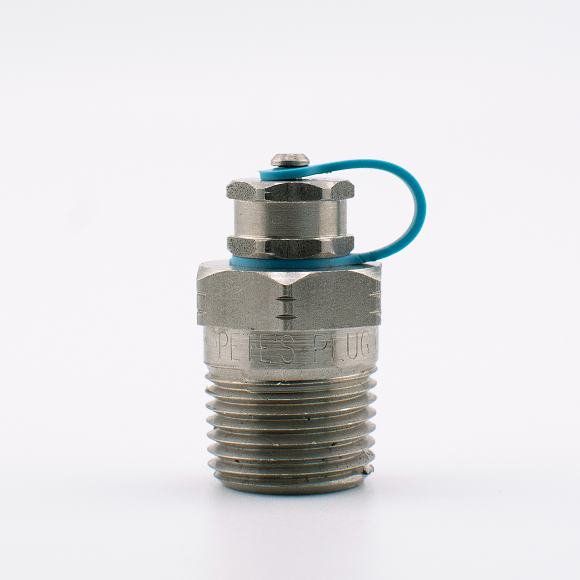 #691016
Pete's Plug #691016
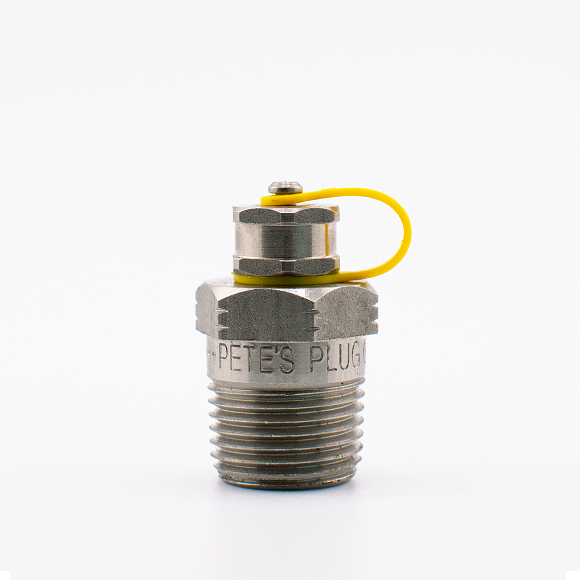 #691022
Pete's Plug #691022
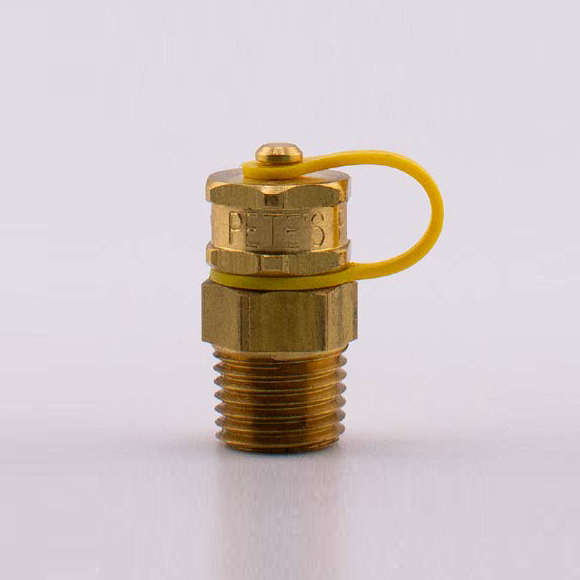 #691021
Pete's Plug #691021
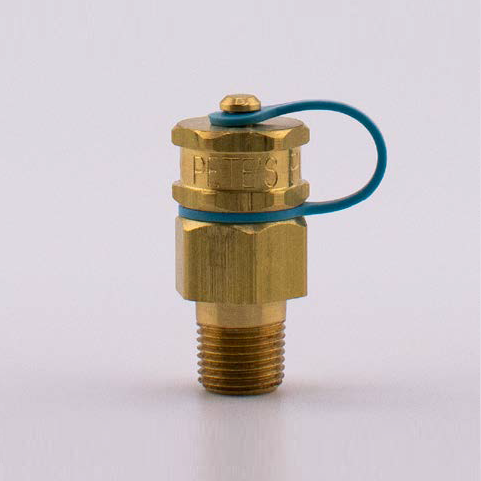 #691014
Pete’s Plug #691014
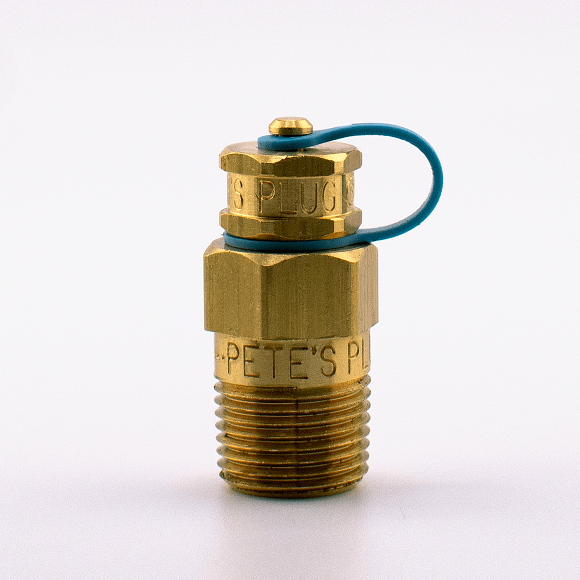 #691013
Pete’s Plug #691013
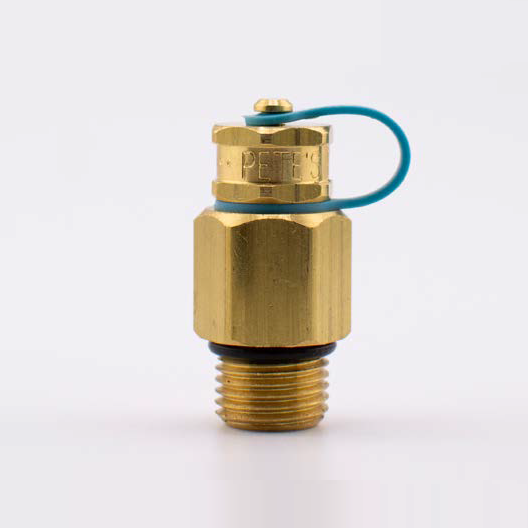 #562
#562Pete’s Plug #562
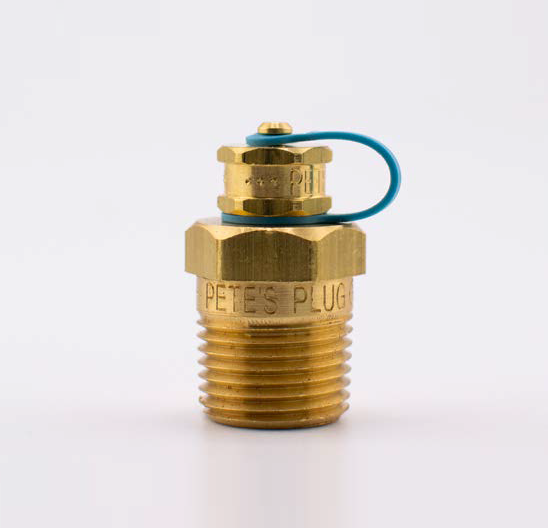 #691012
Pete’s Plug #691012
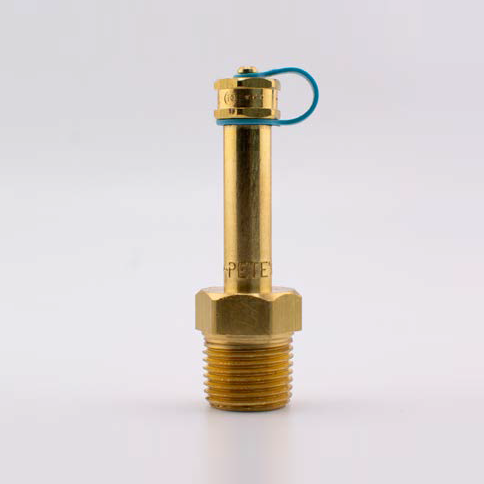 #691011
Pete’s Plug #691011
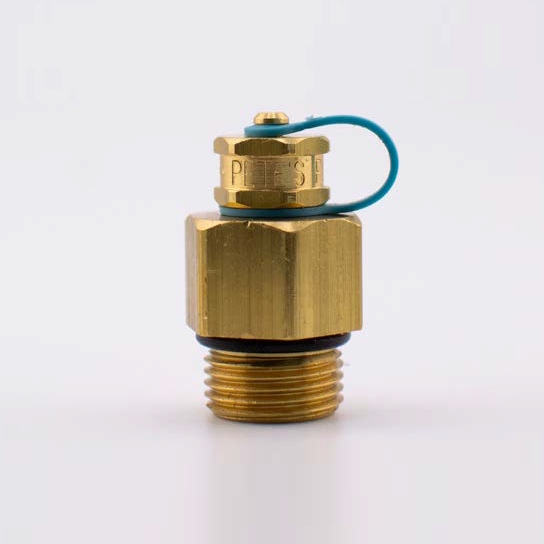 #750XL
Pete’s Plug #750XL
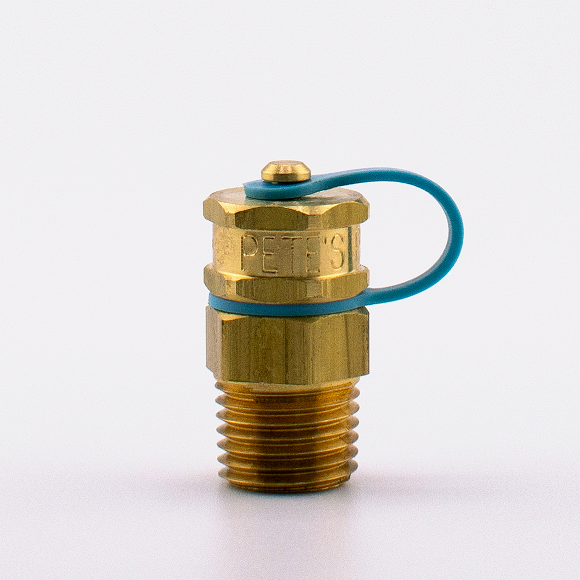 #691015
Pete’s Plug #691015
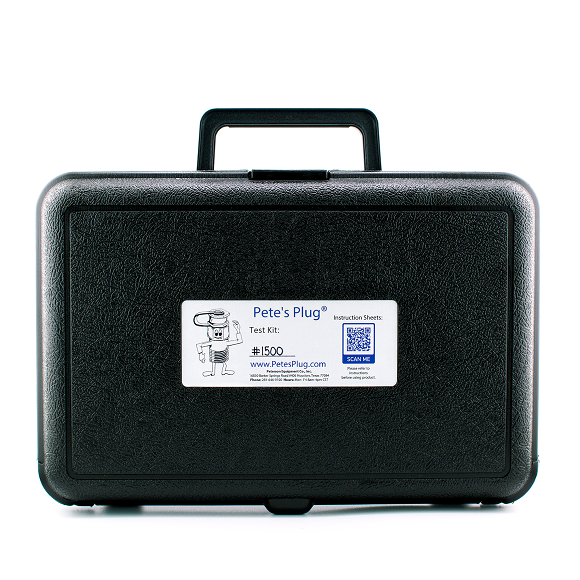 #691029
Pressure & Temperature Test Kit 0-100psi
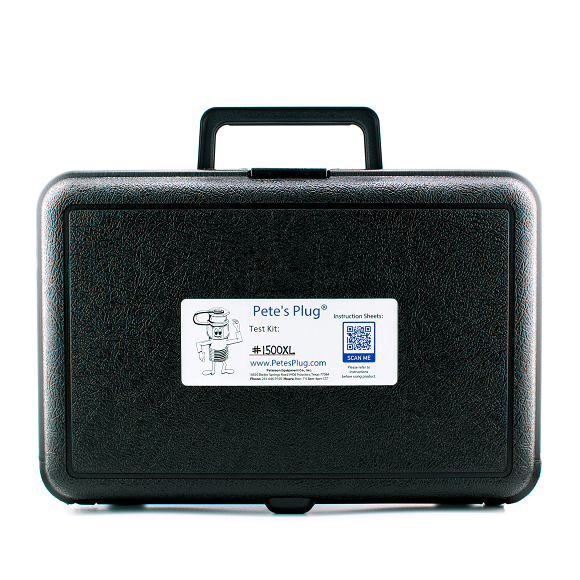 #691030
Pressure & Temperature Test Kit 0-100psi for XL
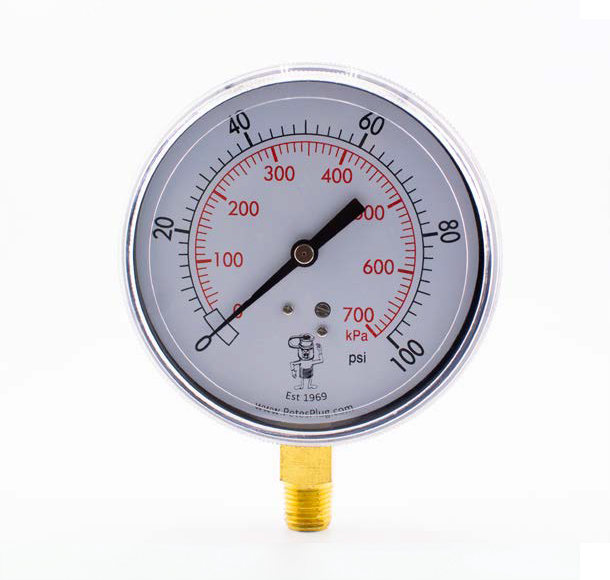 #1500-5
Pressure Gauge 0-100 PSI BSP Stem
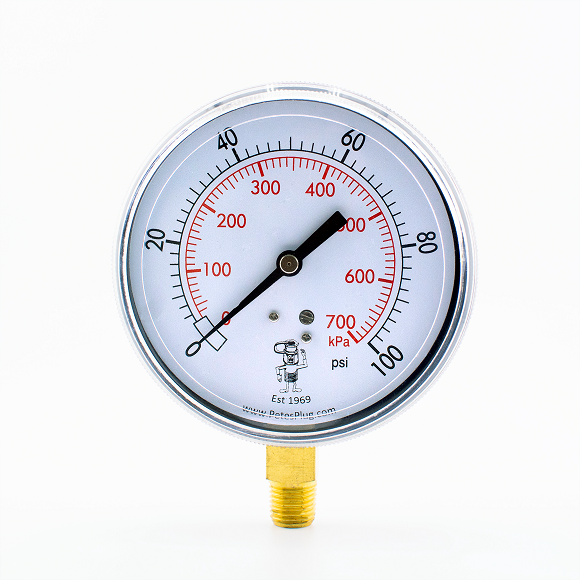 #1500-4
Pressure Gauge 0-100 PSI NPT Stem
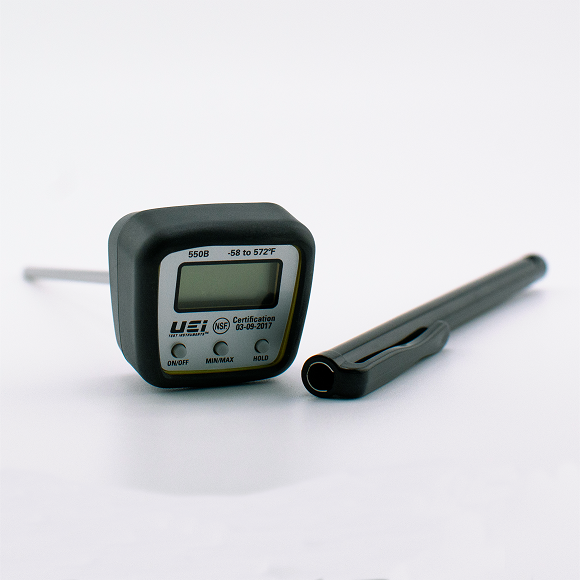 #606
#606Thermometer -58°F to 550°F
-
-
-



The Hidden Cost of Cutting Corners
TECHNICAL WHITEPAPER
Why Manufactured Pipe Supports Are an Investment, Not a Cost
Every $1 invested in quality pipe supports can save $5-10 in avoided repairs, downtime, and premature replacement.
This document presents the engineering evidence, documented failures, and financial analysis that demonstrates why laying pipes on the ground or crushed rock is not a cost-saving measure, it is a liability that will cost significantly more over the asset lifecycle.
executive summary
The decision to use manufactured pipe supports versus laying pipes on ground or crushed rock is not a matter of preference. It is an engineering requirement addressed by Australian and international standards, with documented evidence of serious consequences when these requirements are ignored.
KEY FINDINGS
• Australian Standard AS 4041-2006 specifies pipe support intervals. Ground laying does not meet these requirements.
• Corrosion at pipe supports is statistically the most common cause of external piping failure.
• Australian industrial downtime costs $349,000 per hour, which is 78% higher than the global average.
• Reactive maintenance costs 2-10x more than preventive investment.
• Properly supported pipes last 50-75 years versus 20-25 years for poorly maintained systems.
THE REAL COST OF ‘SAVING MONEY’
When project managers look to reduce costs, pipe supports often appear to be an easy target. The logic seems simple: why spend money on manufactured supports when pipes can rest on the ground or crushed rock? This logic is dangerously flawed. Here is what the data actually shows.
10-year cost comparison: 100m Industrial Pipeline
| COST CATEGORY | GROUND/ROCK LAYING | MANUFACTURED SUPPORTS |
| Initial Installation | $2000 | $8000 |
| Maintenance (Years 1-10) | $15,000 | $3000 |
| Corrosion Repairs | $25,000 | $2000 |
| Emergency Shutdowns (Avg 2) | $50,000 | $0 |
| Early Replacement (Year 8) | $35,000 | $0 |
| 10 YEAR TOTAL | $127,000 | $13,000 |
Based on indicative industry benchmarks.
10-year savings with manufactured supports: $114,000 (877% ROI)
Figures represent indicative modelling based on industry cost benchmarks and documented failure data. Actual costs will vary by project, site conditions, and operational context. Independent cost assessment is recommended for specific projects.
WHAT AUSTRALIAN STANDARDS REQUIRE
Pipe support requirements are not optional guidelines. They are technical requirements established by Australian and international engineering standards. Non-compliance with these standards creates significant project risk and may have serious legal and insurance implications.
AS 4041-2006 (Pressure Piping)
Table 3.28.2 specifies maximum support spacing for steel pipes: DN25 requires supports every 2.0m, DN100 every 4.0m, and DN400 every 6.0m. The standard classifies support systems into four hazard-based tiers and references AS/NZS 3992 for welding requirements.
AS/NZS 3500.1 (Water Services)
Table 5.7.4 provides prescriptive requirements: copper and stainless steel require 1.5-3.0m spacing depending on diameter, while PVC and polyethylene pipes require closer spacing at 0.5-2.0m due to lower stiffness.
ASME B31.1/B31.3 (International)
These internationally recognised standards specify deflection limits of 2.5mm and bending stress limits of 15.86 MPa. They require calculation-based support spacing that cannot be achieved with ground laying.
Ground or rock laying fails every measure of pipe support functionality. It cannot accommodate thermal movement, creates point loading damage, provides no vibration isolation, traps moisture against pipe surfaces, and exposes coatings to abrasion. These failure modes are consistent across industry corrosion literature and site investigation findings.
WHEN PIPE SUPPORTS FAIL: REAL-WORLD CONSEQUENCES
The consequences of inadequate pipe support are not theoretical. Documented incidents demonstrate the serious results of cutting corners on this critical infrastructure.
Varanus Island Explosion (2008) – Western Australia
A corroded 12-inch sales gas pipeline ruptured, causing an explosion and fire that shut down a facility supplying 35% of Western Australia’s gas supply. Root cause investigations identified external corrosion from ineffective coating at support points, combined with moisture trapping from adjacent pipes.
| Plant Shutdown | Economic Impact |
| NEARLY 2 MONTHS | STATE-WIDE CRISIS |
San Bruno Pipeline Explosion (2010) – California
While Australian-specific data on individual incidents is limited, comparable failures internationally demonstrate the scale of consequences.
Pipeline failure from external corrosion and inadequate support systems resulted in:
▸ 8 fatalities and 58 injuries
▸ 38 homes completely destroyed
▸ $220 million in property damage
▸ Total costs exceeding $1.6 billion, the largest penalty ever charged to a public utility
The Cascade Effect: How One Failed Support Destroys a System
A documented domino effect failure illustrates systemic risk. One support failed due to rod bending and went unrepaired. Within six months, the next upstream support failed from increased load. This triggered cascade failure of 10 supports, causing a 3-inch line to sag 8 feet and requiring a three-day plant shutdown.
THE ENGINEERING SCIENCE: WHY GROUND CONTACT DESTROYS PIPES
CORROSION ACCELERATION
“Corrosion at pipe supports is statistically the most common cause of external piping corrosion failure.”
– Deepwater Corrosion Services, Corrosion at Pipe Supports: Causes and Solutions
When pipes rest on ground or rock, the failure sequence is predictable:
- Water trapped at the contact point softens protective coatings
- Steel substrate becomes exposed, initiating corrosion
- Corrosion undercuts the coating, expanding the damaged area
- Crevice corrosion accelerates rates significantly
Research indicates maximum localised corrosion rates of 1.03 mm/year in aerobic soil with thin cover, compared to 0.006 mm/year in properly elevated conditions. This represents a substantial acceleration in corrosion rate under comparable conditions.
Thermal Expansion Forces
A 100-metre carbon steel pipe experiencing a 100°C temperature increase expands by 122mm. This movement must be accommodated through guides, sliding supports, and expansion provisions. When constrained against ground or rock:
• Compressive stress during heating causes buckling and bowing
• Tensile stress during cooling can fracture joints
• Friction against rock creates longitudinal stress
• Thermal cycling accumulates fatigue damage leading to failure
LIFECYCLE COST ANALYSIS: THE FULL PICTURE
Australian industrial downtime costs $349,000 per hour, which is 78% higher than the global average of $194,000. In mining operations, downtime costs reach $130,000-$180,000 per hour, with industry-wide annual losses of $10 billion.
The Cost Multiplier Effect
| ISSUE TYPE | EARLY DETECTION | FAILURE |
| Minor leak (routine inspection) | $500-$1000 | N/A |
| Major rupture (unsupported pipe) | N/A | $50,000 – $100,000 |
| Cost Multiplier | 1x | 50 – 100x |
Asset lifespan COMPARISON
| POORLY SUPPORTED SYSTEMS | PROPERLY SUPPORTED SYSTEMS |
| 20-25 YEARS | 50-75 YEARS |
Poorly supported systems last 20-25 years. Properly supported systems last 50-75 years. This represents a 2-3x lifespan advantage that compounds the economic benefit of proper pipe support investment.
LEGAL AND INSURANCE CONSIDERATIONS
Australia’s Work Health and Safety Act establishes duties for designers, manufacturers, suppliers, and installers of plant, which includes pipe support systems.
Section 22: Designers must ensure designs are without risks to health and safety so far as reasonably practicable.
Section 23: Manufacturers face parallel duties for production quality.
Section 26: Installers must ensure installation does not create health or safety risks.
Specifying ground or rock laying instead of manufactured pipe supports in applications where standards require engineered support systems may create compliance exposure under these provisions. Engineers, project managers, and contractors should seek independent legal advice regarding their specific obligations.
Industry practice indicates that non-compliance with applicable safety standards may create grounds for coverage disputes in the event of a claim. Contractors and specifiers should confirm their obligations directly with their insurer and legal advisors.
Risk consideration: Specifying ground or rock laying where standards require engineered solutions may create compliance exposure under WHS legislation and could affect insurance coverage. Independent legal and engineering advice is recommended.
THE BOTTOM LINE
The evidence is clear. Manufactured pipe supports are not a cost to be minimised. They are an investment that addresses mandatory requirements under Australian Standards, reduces exposure under WHS legislation, helps prevent failures with documented catastrophic consequences, extends asset life by 2-3x, and delivers strong ROI based on documented lifecycle cost analysis.
“Saving” $6,000 on pipe supports today can cost $114,000 or more over 10 years based on industry cost benchmarks.
The question is not whether you can afford proper pipe supports.
The question is whether you can afford not to use them.
This document is general industry guidance only and does not constitute legal, engineering, or compliance advice. Project-specific requirements should be assessed by qualified engineers. Swift Metal Australia makes no representation that the information contained herein is applicable to any specific project without independent engineering assessment